Thinking about lifting your Jeep Renegade? Many people love the rugged look and extra capability that a lift kit can bring. But before you start, it’s important to know what lifting really means, how it affects your Renegade, and what steps are involved. This article will help you understand the process, the benefits, the risks, and what to expect if you decide to lift your Jeep Renegade.
What Does It Mean To Lift A Jeep Renegade?
Lifting a Jeep Renegade involves raising the height of the vehicle, usually by installing a lift kit. This kit changes the suspension or the body, giving your Renegade more ground clearance. People often lift their Jeep to fit larger tires, improve off-road ability, or simply for style.
There are two main types of lift kits:
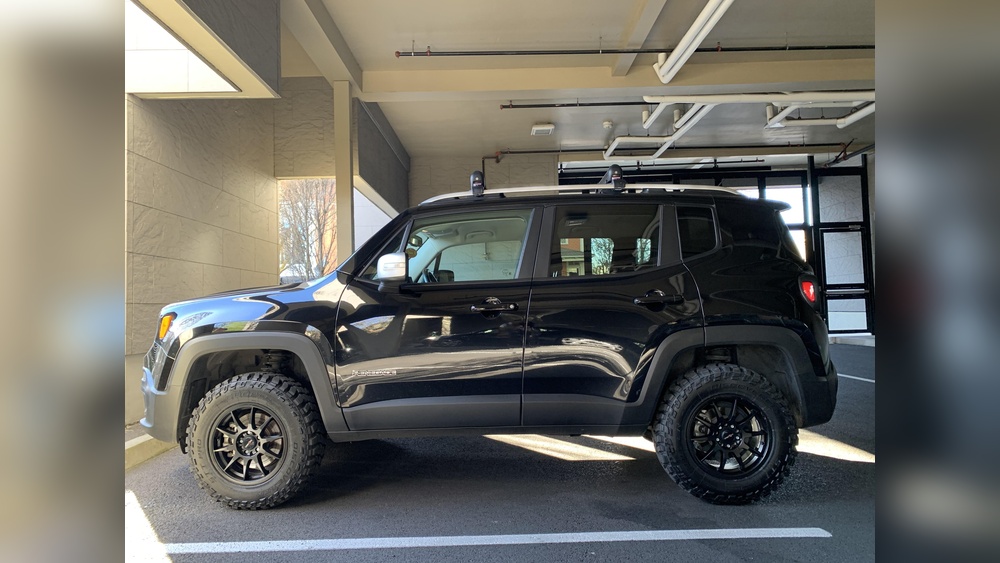
- Suspension lifts: Raise the frame and wheels, improving clearance and off-road capability.
- Body lifts: Raise the body above the frame, mainly for looks and fitting bigger tires.
Most Renegade owners choose a suspension lift, since it gives real performance benefits. Typical lift heights range from 1 to 2 inches for this compact SUV.
| Lift Type | Typical Height Gain | Main Purpose |
|---|---|---|
| Suspension Lift | 1–2 inches | Performance & clearance |
| Body Lift | 1–1.5 inches | Style & tire fitment |
Why Lift A Jeep Renegade?
Lifting isn’t just about looks. Here are some reasons why people choose to lift their Renegade:
- Better ground clearance: Helps you drive over rocks, deep snow, or rough terrain.
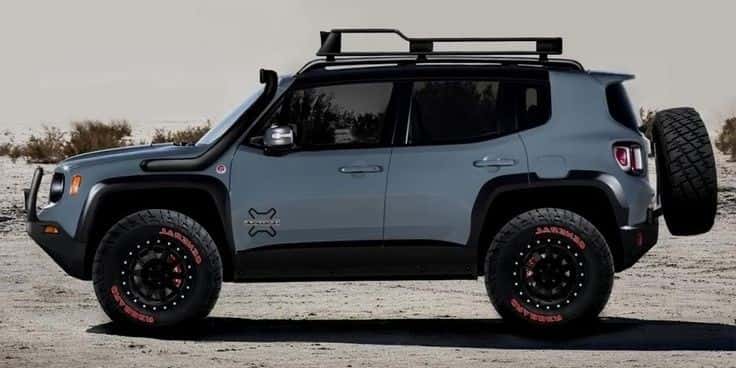
- Bigger tires: A lift lets you install larger, off-road tires for more grip.
- Improved off-road performance: Suspension lifts make your Jeep more capable on trails.
- Personal style: Many owners like the more aggressive, “Jeep” look.
- Resale value: Some buyers prefer lifted vehicles.
But lifting can also change the ride. You may notice a firmer suspension, different handling, and possibly more noise.
For most drivers, a 1 2 inch lift balances benefits and keeps the Jeep comfortable.
How To Lift Your Jeep Renegade
Lifting a Renegade isn’t as simple as it looks. You need the right parts, tools, and knowledge. Here’s a quick overview of the process:
- Choose a lift kit: Research kits made for the Renegade. Brands like Daystar, Mopar, and Teraflex offer options.
- Check compatibility: Make sure the kit fits your year and model.
- Gather tools: You’ll need basic hand tools, a jack, and safety equipment.
- Prepare your Jeep: Park on a flat surface, secure the vehicle, and remove wheels.
- Install the kit: Follow the manufacturer’s instructions. This usually means adding spacers or new suspension parts.
- Reinstall wheels and check alignment: After lifting, your wheels may need realignment.
- Inspect and test: Drive slowly and listen for any odd noises.
Most kits can be installed in 4 6 hours by an experienced person. For beginners, professional installation is recommended.
Labor costs range from $300 $600, depending on location and complexity.
| Lift Kit Brand | Average Price | Lift Height |
|---|---|---|
| Daystar | $200–$300 | 1.5 inches |
| Mopar | $350–$500 | 2 inches |
| Teraflex | $250–$400 | 1.75 inches |
Risks And Things To Consider
Before you lift, think about these important factors:
- Warranty: Some lifts may void part of your factory warranty. Always check with your dealer.
- Ride quality: Your Jeep may feel stiffer or less comfortable after a lift.
- Handling: Higher center of gravity can reduce stability on highways.
- Legal regulations: Some states have height limits for vehicles.
- Maintenance: Lifted vehicles sometimes need more frequent checks.
One insight many beginners miss is that even a small lift can change your Renegade’s alignment, which affects tire wear and handling. It’s best to schedule a professional alignment after any lift.
Another detail: Some lift kits require extra parts, like longer brake lines or sway bar links. Ignoring these can cause problems later.
How Much Does It Cost To Lift A Jeep Renegade?
Costs depend on the kit, labor, and extra parts. Here’s a breakdown:
- Lift kit: $200–$500
- Installation: $300–$600 (optional)
- Wheel alignment: $80–$120
- Extra parts: $50–$200
So, the total cost ranges from $600 to $1,400. Remember, quality matters more than price.
Cheap kits may cause problems or wear out quickly.
| Cost Item | Low Estimate | High Estimate |
|---|---|---|
| Lift Kit | $200 | $500 |
| Labor | $300 | $600 |
| Alignment | $80 | $120 |
| Extra Parts | $50 | $200 |
Is Lifting Right For You?
Lifting a Jeep Renegade is possible and popular, but it’s not for everyone. If you drive mostly on paved roads, you may not need a lift.
But if you enjoy off-roading, camping, or want a unique look, a lift can be a great upgrade.
Check reviews from other Renegade owners. Many share their experiences on forums and social media. For technical details, see the official Jeep site or trusted sources like Wikipedia.

Frequently Asked Questions
Does Lifting A Jeep Renegade Void The Warranty?
It depends on the lift kit and your dealer. Some kits are approved by Jeep, but others may void the suspension or drivetrain warranty. Always ask before you buy.
Can I Install A Lift Kit Myself?
If you have tools and experience, you can install a basic kit at home. However, many beginners find it safer and easier to use a professional mechanic.
How High Can I Lift My Jeep Renegade?
Most kits lift between 1 and 2 inches. Higher lifts can cause issues with stability and may need extra modifications.
Will Lifting Affect Fuel Efficiency?
Yes, a lift and bigger tires can reduce fuel economy. The effect is usually small, but it’s noticeable, especially on highways.
Can I Use Larger Tires After Lifting?
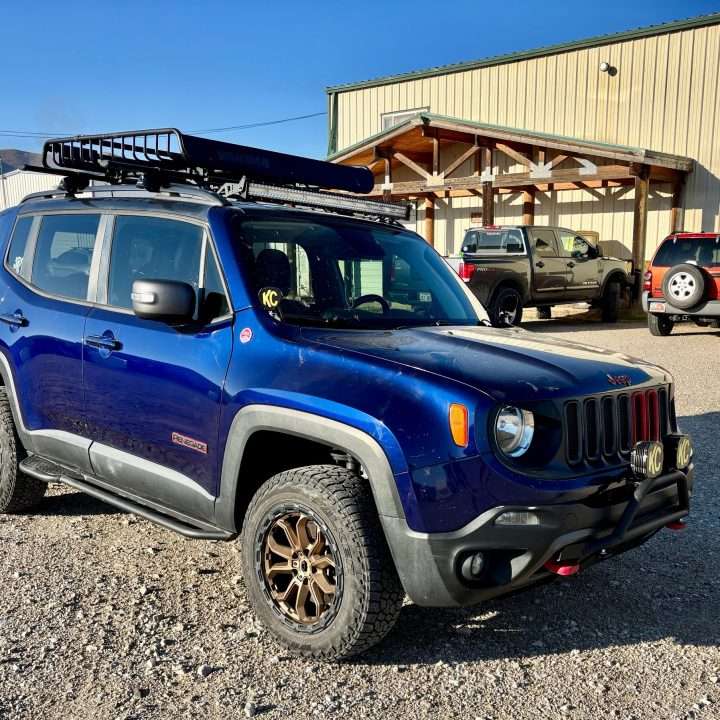
Lifting your Renegade makes space for bigger tires. Most owners upgrade to 29 30 inch tires after a 1.
5 inch lift, but always check for rubbing and clearance.
Lifting your Jeep Renegade can add fun, function, and personality to your SUV. With careful planning and quality parts, you’ll enjoy both the look and performance.
Just remember to consider the costs, risks, and how you’ll use your Jeep before making changes.