Leaving your Jeep in 4WD sounds simple, but it’s a question every Jeep owner faces. Maybe you’re driving on rough roads, or maybe the weather has turned bad.
You wonder: is it safe to leave your Jeep in four-wheel drive, or should you switch back to two-wheel drive as soon as possible? Understanding the answer isn’t just about convenience—it affects your Jeep’s performance, your safety, and even your wallet.
Let’s explore what happens when you leave your Jeep in 4WD, and when it’s smart to switch modes.

How 4wd Works In Jeeps
Most Jeeps come with part-time 4WD or full-time 4WD systems. Part-time 4WD is meant for slippery surfaces, like mud, snow, or gravel. Full-time systems, like Jeep’s Quadra-Trac, can be used on dry pavement without causing damage.
Here’s a quick look at the main types:
| 4WD System | Use Case | Can Stay Engaged? |
|---|---|---|
| Part-Time 4WD | Off-road, loose surfaces | No, only slippery roads |
| Full-Time 4WD | All conditions | Yes, safe for long-term use |
| Automatic 4WD | Switches as needed | Yes, system manages itself |
Part-time 4WD locks the front and rear axles together, making all wheels spin at the same speed. This is great for traction, but dangerous on dry pavement. Full-time 4WD uses a center differential, allowing for safe use on all surfaces.
Risks Of Leaving Your Jeep In 4wd
Leaving your Jeep in 4WD when you shouldn’t can cause problems. Here are the main risks:
- Drivetrain Binding: On dry pavement, wheels travel different distances in turns. In part-time 4WD, axles are locked, causing tension called “drivetrain binding.” This can damage the transfer case and axles.
- Increased Fuel Consumption: 4WD uses more energy. According to EPA data, fuel efficiency drops by 10–20% in 4WD compared to 2WD.
- Faster Tire Wear: When all wheels are forced to rotate together, tires wear unevenly, especially on dry roads.
- Harder Steering: You might notice the steering feels stiff or jerky, making driving less comfortable.
Here’s a quick comparison of effects:
| Condition | 2WD | 4WD (Part-Time) |
|---|---|---|
| Dry Pavement | Normal handling, low wear | Binding, high wear, possible damage |
| Snow/Mud | Poor traction | Great traction, safe |
| Wet Roads | Decent traction | Improved traction, safe |
When You Can Leave Your Jeep In 4wd
You can safely leave your Jeep in 4WD in these situations:
- Roads are slippery (mud, snow, ice, sand).
- You have a full-time 4WD system.
- You’re driving off-road or in rough terrain.
- Your Jeep uses automatic 4WD that switches as needed.
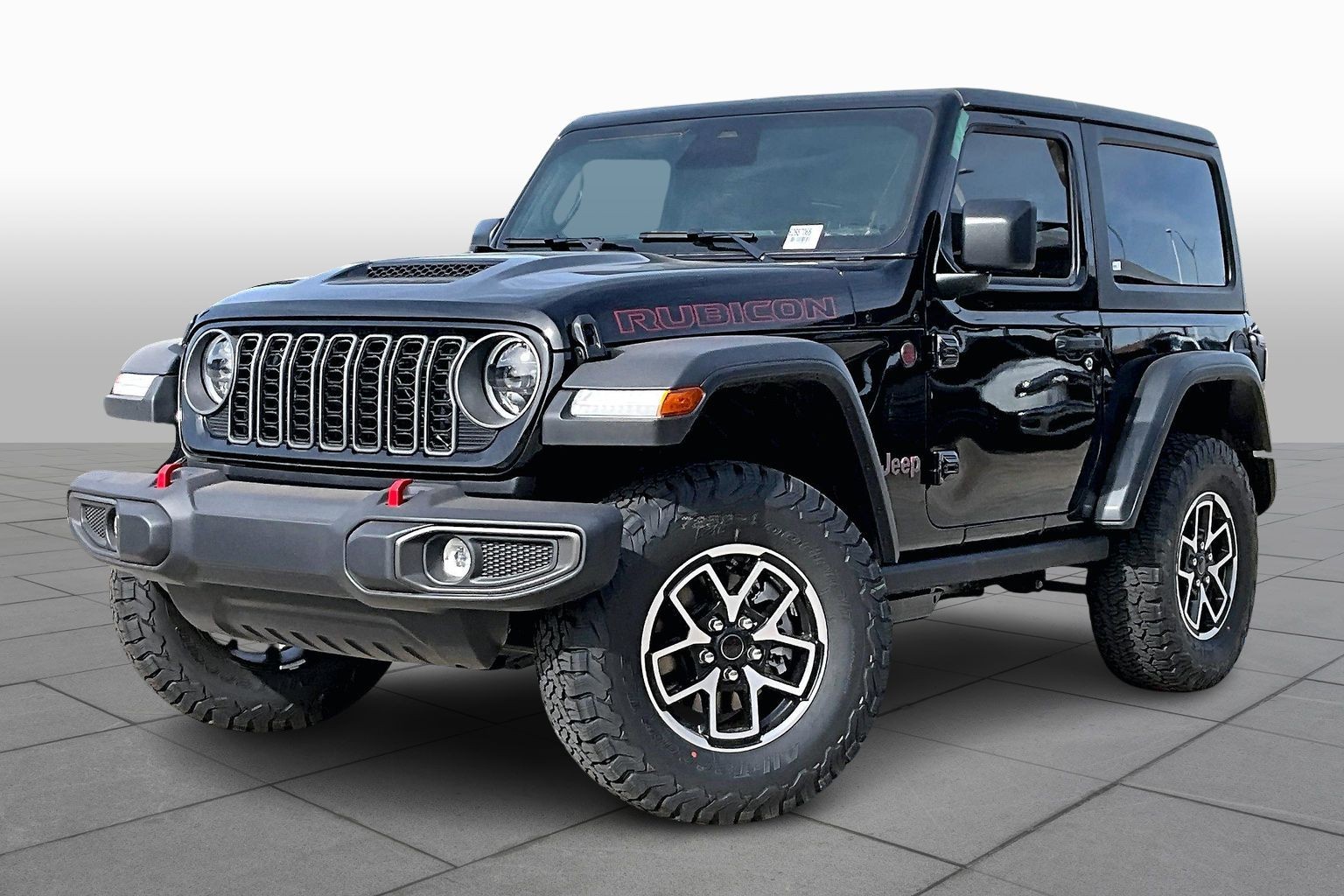
For example, if you live in a snowy area, leaving your Jeep in 4WD during winter makes sense. Full-time systems are designed for this. Jeep’s Grand Cherokee and Wrangler Rubicon allow full-time 4WD use.
But if your Jeep uses part-time 4WD, switch back to 2WD as soon as you return to dry pavement.
Practical Tips For Jeep Owners
Here are some smart habits to protect your Jeep:
- Know your system: Check your owner’s manual. Is it part-time or full-time 4WD?
- Switch on the go: Most Jeeps let you switch between 2WD and 4WD while driving under 50 mph.
- Don’t panic if you forget: Accidentally leaving part-time 4WD on for a short drive won’t cause instant damage. Problems build over time.
- Listen for signs: If you hear clunks or feel tight steering, switch to 2WD.
- Use 4WD for bad weather: Rain, snow, mud, or gravel are ideal times to use 4WD.
A common mistake is thinking all 4WD systems are equal. Part-time and full-time systems behave very differently. Another overlooked fact: even full-time 4WD improves safety, but it won’t make you invincible on ice.
Real-world Examples
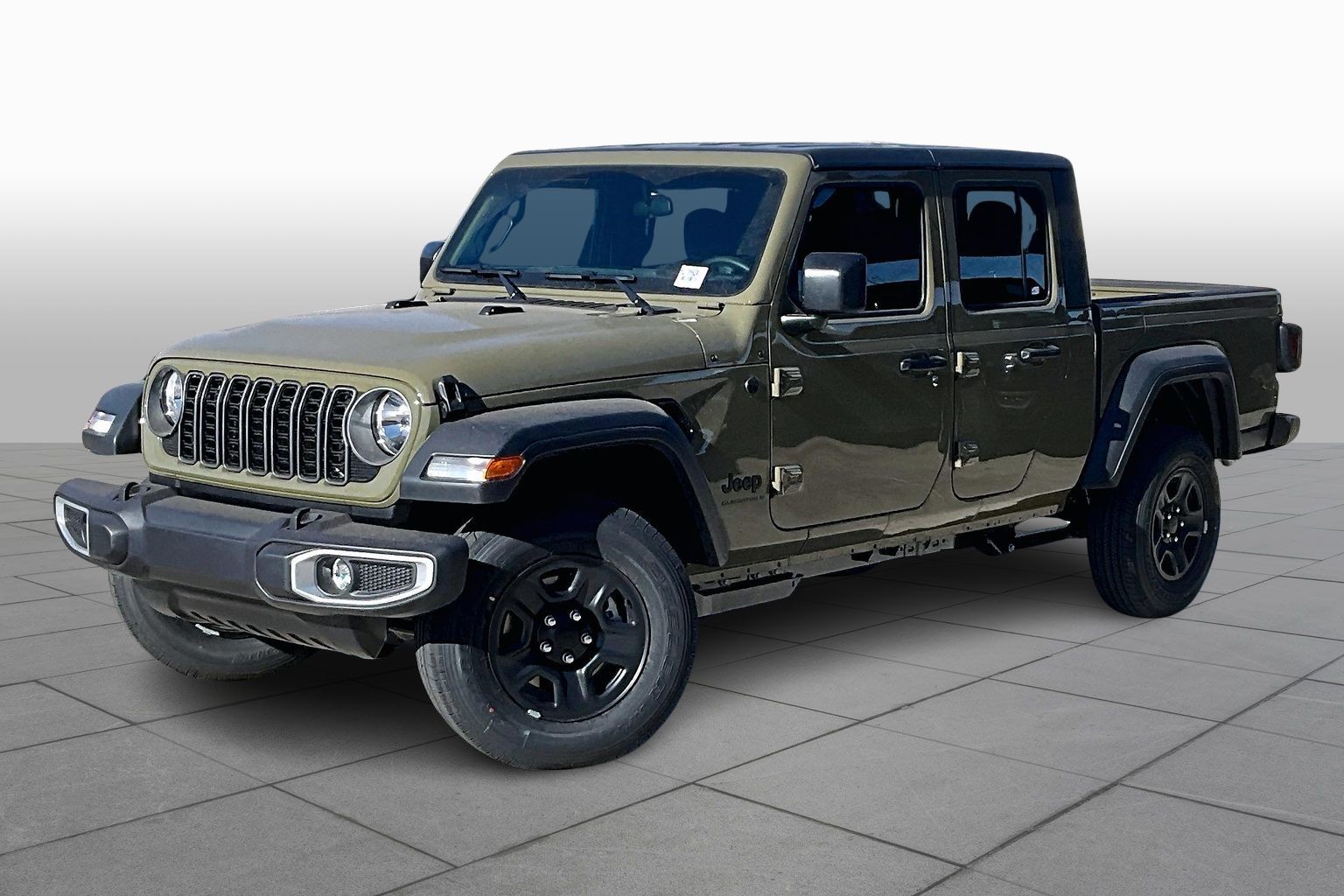
Consider a Jeep Wrangler with part-time 4WD. If you leave it in 4WD all week, driving only on dry city streets, you’ll likely face:
- Transfer case wear in less than a year
- Premature tire replacement (costing $400–$900)
- Reduced mpg, costing extra $250/year in fuel
A Jeep Grand Cherokee with full-time 4WD, however, can handle long-term use on all surfaces without these issues.
Jeep forums are full of stories from drivers who learned the hard way. One owner left their Wrangler in 4WD for weeks, only to face expensive repairs. The lesson: know your Jeep’s system and use the right mode.
Jeep 4wd Vs Awd: Key Differences
Many confuse 4WD with AWD (All-Wheel Drive). While both offer better traction, their mechanics are different.
| Feature | 4WD | AWD |
|---|---|---|
| Engagement | Manual or automatic | Always on |
| Best For | Off-road, tough terrain | Everyday driving, wet conditions |
| Can stay engaged? | Depends on system | Yes |
AWD is safe for all surfaces and requires no driver input. 4WD gives more control and power, but only some types are safe for long-term use.

Frequently Asked Questions
<!– wp:rank-math/faq-block {"questions":[{"id":"faq-question-880ff5b61174","title":"Can Leaving My Jeep In 4wd Damage It?","content":"Yes, if you have part-time 4WD and drive on dry pavement, you risk drivetrain binding and damage. Full-time 4WD is designed for continuous use.
“,”visible”:true},{“id”:”faq-question-e4e48bda2834″,”title”:”How Do I Know If My Jeep Has Part-time Or Full-time 4wd?”,”content”:”Check your Jeep’s owner’s manual or dashboard controls. Part-time systems usually have a lever or switch for 2WD/4WD. Full-time systems may say “4WD Auto” or similar.
“,”visible”:true},{“id”:”faq-question-2e19868615e6″,”title”:”Is It Safe To Drive Fast In 4wd?”,”content”:”For part-time 4WD, avoid speeds above 55 mph on dry roads. Full-time 4WD systems can handle highway speeds. Always follow your Jeep’s recommendations.
“,”visible”:true},{“id”:”faq-question-784241ae61d1″,”title”:”What Happens If I Forget To Switch Back To 2wd?”,”content”:”Short trips may not cause damage, but repeated use on dry pavement can lead to expensive repairs over time. Listen for noises and check tire wear regularly.
“,”visible”:true},{“id”:”faq-question-cbb5e1578bb4″,”title”:”Can 4wd Help In Heavy Rain?”,”content”:”Yes, 4WD improves traction in heavy rain, especially if roads are slippery. But remember, 4WD won’t help you stop faster.
Leaving your Jeep in 4WD can be smart or risky, depending on your system and driving conditions. Always match your Jeep’s mode to the road you’re on. When in doubt, refer to your owner’s manual or trusted resources like Jeep Official Site. Knowing when to use 4WD keeps your Jeep running strong—and saves you money in the long run.
“,”visible”:true}]} –>Can Leaving My Jeep In 4wd Damage It?
Yes, if you have part-time 4WD and drive on dry pavement, you risk drivetrain binding and damage. Full-time 4WD is designed for continuous use.
How Do I Know If My Jeep Has Part-time Or Full-time 4wd?
Check your Jeep’s owner’s manual or dashboard controls. Part-time systems usually have a lever or switch for 2WD/4WD. Full-time systems may say “4WD Auto” or similar.
Is It Safe To Drive Fast In 4wd?
For part-time 4WD, avoid speeds above 55 mph on dry roads. Full-time 4WD systems can handle highway speeds. Always follow your Jeep’s recommendations.
What Happens If I Forget To Switch Back To 2wd?
Short trips may not cause damage, but repeated use on dry pavement can lead to expensive repairs over time. Listen for noises and check tire wear regularly.
Can 4wd Help In Heavy Rain?
Yes, 4WD improves traction in heavy rain, especially if roads are slippery. But remember, 4WD won’t help you stop faster.
Leaving your Jeep in 4WD can be smart or risky, depending on your system and driving conditions. Always match your Jeep’s mode to the road you’re on. When in doubt, refer to your owner’s manual or trusted resources like Jeep Official Site. Knowing when to use 4WD keeps your Jeep running strong—and saves you money in the long run.