Thinking about turning your 2WD Jeep into a 4WD? It’s a common question, especially for Jeep owners who love adventure and want more off-road capability. The idea sounds simple: add some parts, and you’re ready for rough trails. But in reality, making this change is a big job with many steps, costs, and choices to consider. Let’s look closely at what’s involved, what you need, and whether converting a 2WD Jeep to 4WD is worth it.
What’s The Difference Between 2wd And 4wd?
Before you start, it’s important to know what sets these systems apart. In a 2WD Jeep, only two wheels—usually the rear—get power from the engine. This setup is fine for city driving and highways. 4WD Jeeps, on the other hand, send power to all four wheels. This makes them much better for mud, snow, sand, or rocky terrain.
Here’s a quick comparison:
| Feature | 2WD | 4WD |
|---|---|---|
| Traction | Low | High |
| Fuel Efficiency | Better | Lower |
| Maintenance Cost | Lower | Higher |
| Off-road Ability | Poor | Excellent |
Can You Convert A 2wd Jeep To 4wd?
Yes, it is technically possible to convert a 2WD Jeep to 4WD. Many owners have done it, especially with older models like the Jeep Wrangler or Cherokee. However, this is not a weekend project. It requires skill, special tools, and access to the right parts.
Main Parts You’ll Need
- Front Axle Assembly: 4WD Jeeps have a front axle with differential, unlike 2WDs.
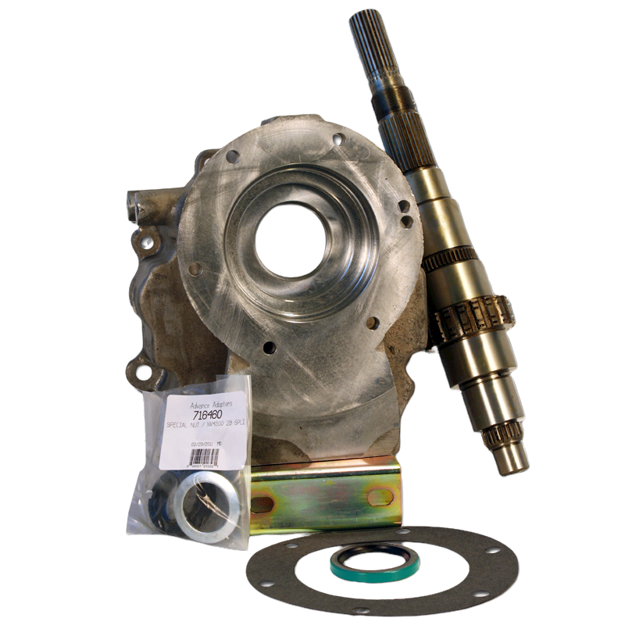
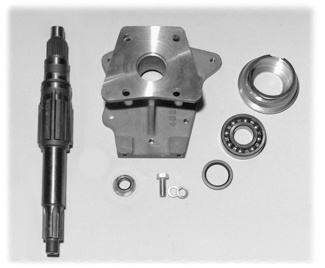
- Transfer Case: This splits power between the front and rear axles.
- Front Driveshaft: Connects the transfer case to the front axle.
- Shifter/Linkage: To switch between 2WD and 4WD modes.
- Crossmember: Sometimes needed to support the new transfer case.
- Wiring & Sensors: Some models require extra wiring for the 4WD system.
- Suspension Adjustments: Depending on your Jeep, you may need new control arms or mounts.
The exact list can change depending on the year and model of your Jeep.
Step-by-step: How The Conversion Works
If you’re serious about the conversion, here’s a basic overview:
- Preparation
- Lift your Jeep and secure it.
- Disconnect the battery.
- Remove the old transmission if needed.
- Install the Front Axle
- Remove the 2WD front suspension components.
- Position and secure the new front axle assembly.
- Add the Transfer Case
- Remove the 2WD transmission tail housing.
- Attach the transfer case and make sure it fits with the existing transmission.
- Install Driveshafts
- Add the front driveshaft to connect the transfer case to the new axle.
- Replace the rear driveshaft if the length has changed.
- Set Up the Shifter
- Install a shifter or switch to control the transfer case.
- Check Wiring and Sensors
- Connect or update any necessary wiring, especially for newer Jeeps.
- Test the System
- Lower your Jeep.
- Test both 2WD and 4WD modes on a safe surface.
Most people use a professional shop for this job. It requires mechanical experience, and mistakes can be expensive.
Cost Of Converting 2wd To 4wd
How much will this cost? The price varies by Jeep model, region, and whether you use new or used parts.
| Item | Estimated Cost (USD) |
|---|---|
| Front Axle Assembly | $800–$2,000 |
| Transfer Case | $500–$1,500 |
| Labor (Professional) | $1,500–$3,500 |
| Driveshafts & Misc. Parts | $300–$1,000 |
| Total (Average) | $3,000–$8,000 |
For some models, especially older Wranglers, you might find used parts for less. But always check the condition and compatibility.
Many beginners think the conversion is as simple as swapping a few parts. Here are two things most people miss:
- Compatibility Issues: Not all 2WD Jeeps are built the same. Frame mounts, wiring, and even floor pans can be different. You might need to cut or weld metal parts.
- Computer and Electronics: Newer Jeeps (post-2007) often have computers that control the drivetrain. If you don’t update the computer, you could get error codes or even drivetrain failure.
Another challenge: resale value. A converted Jeep may not hold value as well as a factory 4WD. Some buyers worry about the quality of the work.
Is The Conversion Worth It?
Should you do it? For most people, buying a factory 4WD Jeep is easier, more reliable, and often cheaper in the long run. Converting makes sense only if:
- You already own a 2WD Jeep in great shape.
- You have access to affordable parts and skilled labor.
- You want the experience, not just the result.
In fact, many Jeep fans use the conversion as a learning project. But if you just want a strong, reliable off-roader, starting with a 4WD model is usually better.
Alternatives To Full Conversion
If you need better traction but don’t want a full conversion, consider these options:
- Limited Slip Differential: Improves traction for 2WD but isn’t as good as 4WD.
- Traction Control Upgrades: Some electronic systems can help in light off-roading.
- Tire Upgrades: Quality all-terrain tires can make a big difference.
These are much cheaper and easier than a full 4WD conversion.
Frequently Asked Questions
Can I Use Junkyard Parts For The Conversion?
Yes, many people use junkyard or salvaged parts to save money. Make sure parts match your Jeep’s year, model, and trim. Always check for wear and damage.
Is It Legal To Convert A 2wd Jeep To 4wd?
In most states, it’s legal if the conversion is done safely. However, you may need to update your registration or have the vehicle inspected. Always check local laws.
Will Insurance Cover A Converted Jeep?
Some insurance companies may see a converted Jeep as a higher risk. Inform your insurer about the changes to avoid problems with claims.
How Long Does The Conversion Take?
A professional shop might need 2 5 days for the job. DIY projects can take much longer, depending on skill and parts availability.
Does Converting To 4wd Affect Gas Mileage?
Yes, a 4WD Jeep usually gets worse fuel economy than a 2WD. Expect to lose 1–3 miles per gallon, depending on driving style and conditions.
Turning your 2WD Jeep into a 4WD is possible, but it’s a big project that requires planning, money, and skill. For most people, buying a 4WD Jeep is the smarter choice. If you want more technical details, you can read more at Wikipedia. Make your decision based on your goals, budget, and mechanical confidence.