The Jeep Death Wobble is one of the most feared problems among Jeep owners. Imagine driving your Jeep at highway speed and suddenly the steering wheel shakes violently, making the whole vehicle feel out of control. Many drivers panic, believing their Jeep is unsafe. But is this wobble fixable, or is it just a Jeep curse? Let’s explore the facts, solutions, and what you need to know to get your Jeep back on the road safely.
What Is The Jeep Death Wobble?
The term Death Wobble refers to a violent shaking of the front wheels and steering, usually triggered by hitting a bump or pothole at speeds above 45 mph. It happens mainly in solid front axle Jeeps, like the Wrangler and Cherokee. It’s not just annoying—it can be dangerous if not fixed.
Many owners confuse Death Wobble with simple vibrations or alignment issues. But true Death Wobble feels much stronger, often requiring you to slow down or stop to regain control.
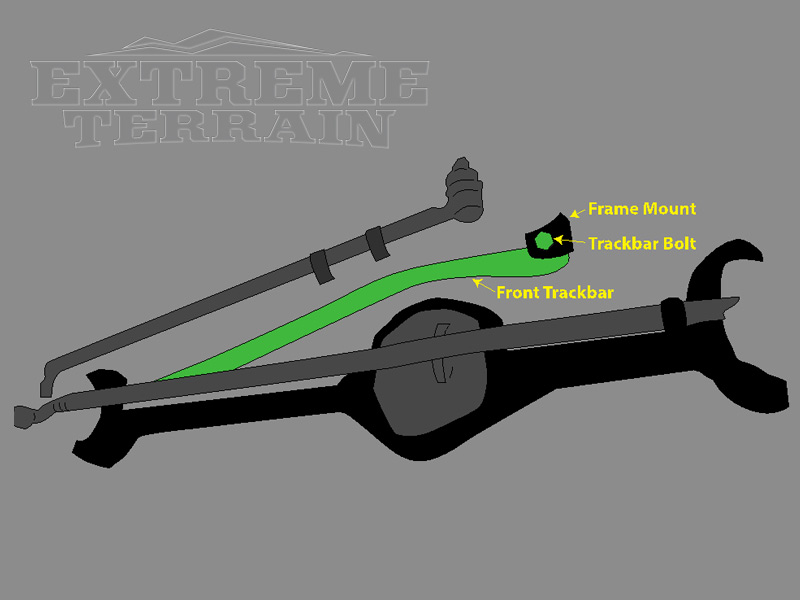
Causes Of Death Wobble
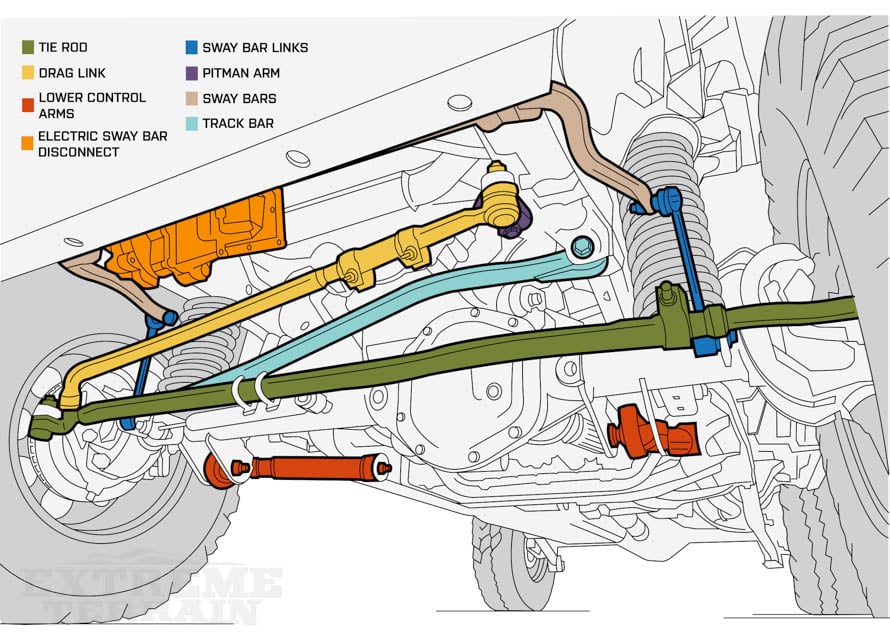
Death Wobble is not caused by just one problem. Instead, it’s a mix of worn or loose parts in the front suspension and steering. Here are the most common triggers:
- Track bar bushings: If the track bar is loose or its bushings are worn, it can allow the axle to shift side to side.
- Tie rod ends: Worn tie rod ends affect steering stability.
- Ball joints: Bad ball joints let the wheels move more than they should.
- Wheel bearings: Worn bearings add play to the wheels.
- Steering stabilizer: A weak or leaking stabilizer can’t control quick movements.
- Suspension lift kits: Improperly installed lifts change the angle of components, making wobble more likely.
A surprising insight: Even a small tire imbalance can trigger Death Wobble if other parts are already weak. Many Jeep drivers focus only on big parts but miss this detail.
Can It Be Fixed?
Yes, Death Wobble can be fixed—but only if you find and repair the exact cause. There is no “magic cure” or single part that solves it for every Jeep. Here’s a clear comparison of possible fixes:
| Fix | Effectiveness | Cost Range |
|---|---|---|
| Replace track bar bushings | High | $60–$250 |
| Tighten steering components | Moderate | $0–$120 |
| Install new ball joints | High | $300–$650 |
| Balance tires | Moderate | $40–$90 |
| Replace steering stabilizer | Low to Moderate | $70–$200 |
Replacing the steering stabilizer alone rarely solves Death Wobble. It’s often a symptom, not the root cause. A complete inspection is necessary.
Steps To Diagnose And Fix Death Wobble
Follow these practical steps:
- Inspect track bar and bushings: Check for movement by grabbing and shaking the bar. If it moves, replace bushings or bolts.
- Check tie rod ends and ball joints: Jack up the Jeep, grab the wheel at 12 and 6 o’clock, and try to move it. Any play means worn parts.
- Look for loose bolts: Tighten all suspension and steering bolts to factory specs.
- Balance and rotate tires: Fix any uneven wear or imbalance.
- Replace worn parts: Change out any parts showing wear.
- Test drive: After repairs, drive at highway speed to confirm the fix.
A second insight: Even after repairs, improper alignment can trigger wobble. Always check alignment after replacing parts.
Common Mistakes When Fixing Death Wobble
Many beginners make these errors:
- Only replacing the steering stabilizer without checking other parts.
- Ignoring tire balance and alignment.
- Skipping a full inspection—Death Wobble often comes from multiple worn parts, not just one.
- Using cheap aftermarket parts, which may not fit properly.
It’s wise to use quality OEM or trusted aftermarket parts. A professional mechanic can help if you’re unsure.
How To Prevent Death Wobble
Prevention is easier than dealing with Death Wobble on the road. Here are key tips:
- Inspect suspension parts every 10,000 miles.
- Tighten bolts after off-roading or installing lift kits.
- Balance tires every time you rotate them.
- Replace worn parts early, before symptoms appear.
Regular maintenance is the best defense against Death Wobble.

Jeep Models Most Affected
Not all Jeeps suffer equally. Let’s look at model data:
| Jeep Model | Death Wobble Risk | Years Most Affected |
|---|---|---|
| Wrangler (TJ, JK, JL) | High | 1997–2021 |
| Cherokee (XJ) | Moderate | 1984–2001 |
| Grand Cherokee (WJ) | Low | 1999–2004 |
Wrangler models with solid axles are most at risk, especially after suspension modifications.
Real-world Example
John, a 2012 Jeep Wrangler owner, experienced Death Wobble at 55 mph. After failing to fix it with a new steering stabilizer, he inspected his track bar and found worn bushings.
Replacing them solved the problem. This shows the importance of finding the real cause, not just swapping random parts.
When To Get Professional Help
If you’ve tried the steps above and still face wobble, seek help from a mechanic who understands Jeeps. Some shops specialize in 4×4 vehicles and have the tools to spot hidden issues.
A skilled mechanic can save time and prevent future problems.
For more technical information, check the official Jeep support page: Jeep Official Site.
Frequently Asked Questions
What Is The Jeep Death Wobble?
The Death Wobble is a violent shaking of the front wheels and steering, usually at speeds above 45 mph. It’s mostly seen in Jeeps with solid front axles.
Is Death Wobble Dangerous?
Yes, it can make your Jeep hard to control and increase accident risk. Always slow down and stop if it happens.
Can Death Wobble Be Fixed Permanently?
If you repair all worn or loose parts and maintain them, Death Wobble can be fixed for good. Regular checks are important.
Does A Steering Stabilizer Fix Death Wobble?
No, a stabilizer only hides symptoms. The real fix is replacing and tightening all weak suspension and steering parts.
Are All Jeeps Affected?
Most cases are found in Jeep Wranglers and Cherokees with solid axles. Other models are less likely but still possible if parts are worn.
Solving Jeep Death Wobble takes patience, careful inspection, and the right repairs. By understanding the causes and fixing them properly, you can make your Jeep safe and enjoy the ride without fear. Regular maintenance and smart prevention are your best tools against this scary problem.



















