Removing a Jeep hardtop can seem like a big job, especially if you’re working alone. Many Jeep owners love the freedom of driving with the top off, but struggle with the process.
Is it really possible for one person to remove a Jeep hardtop safely?
The answer depends on your Jeep model, your preparation, and your tools. Let’s look at what you need to know, and how to make the process easier, even if you’re on your own.
Understanding Jeep Hardtops
Jeep hardtops are made from fiberglass or composite materials. These tops are strong, weatherproof, and add security. However, they can be heavy and bulky. For example, a Jeep Wrangler hardtop weighs between 130 and 150 pounds. The weight is not the only challenge. The size and shape make it awkward to lift.
Here’s a quick comparison of hardtop weights for popular Jeep models:
| Jeep Model | Hardtop Weight (lbs) | Number of Panels |
|---|---|---|
| Wrangler 2-Door | ~130 | 2 |
| Wrangler 4-Door | ~150 | 3 |
| Gladiator | ~140 | 3 |
Most Jeep hardtops come in removable panels. The front panels are lighter and easier to take off alone. The rear section is heavier and may need extra help.
Can One Person Remove A Jeep Hardtop?
The simple answer: Yes, but it’s not easy for everyone. If you are strong and careful, you can remove a hardtop by yourself. However, there are risks. You might drop the top, scratch your Jeep, or injure yourself. The process is safer and faster with two people, but many Jeep owners do it alone using special tools and smart techniques.
Factors That Affect Removal
- Physical Strength: If you can lift 130-150 pounds and maneuver bulky objects, you may not need help.
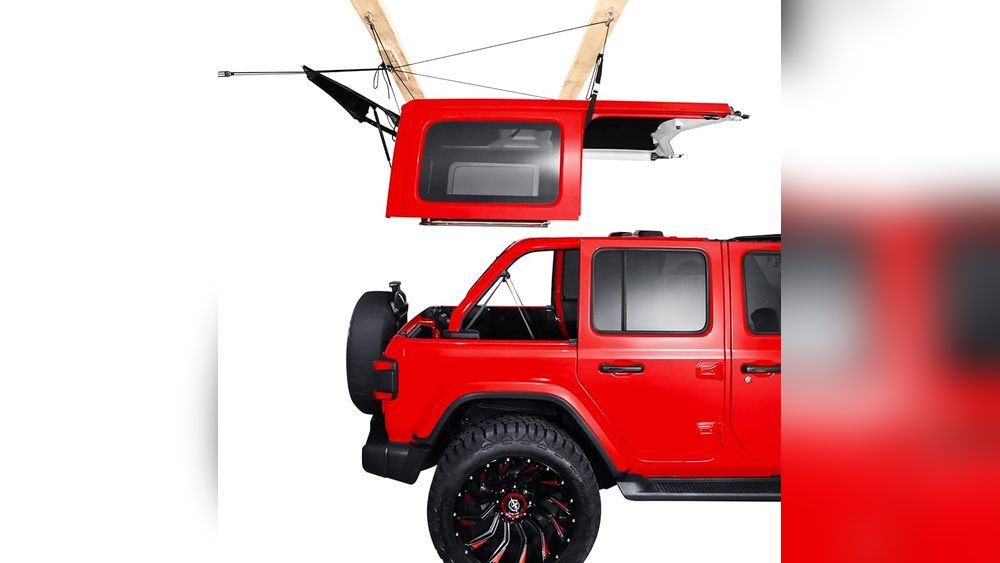
- Tools: Devices like a hoist or lift system make solo removal much easier.
- Experience: Knowing the steps and common mistakes helps avoid problems.
- Garage Setup: Enough space and a proper ceiling are important for using hoists.
Here’s a comparison of removal methods:
| Method | Solo Feasibility | Risk Level | Required Tools |
|---|---|---|---|
| Manual Lift | Possible | High | None |
| Hoist System | Easy | Low | Hoist, Garage |
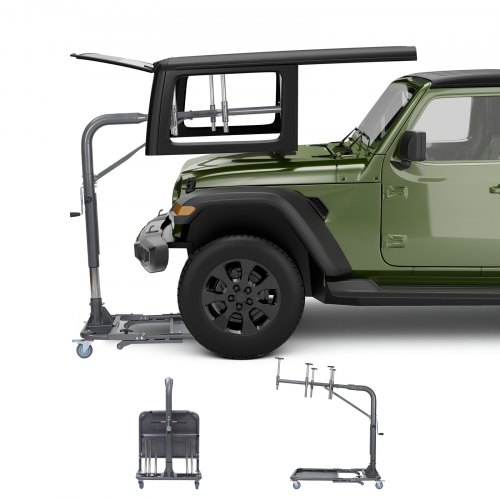
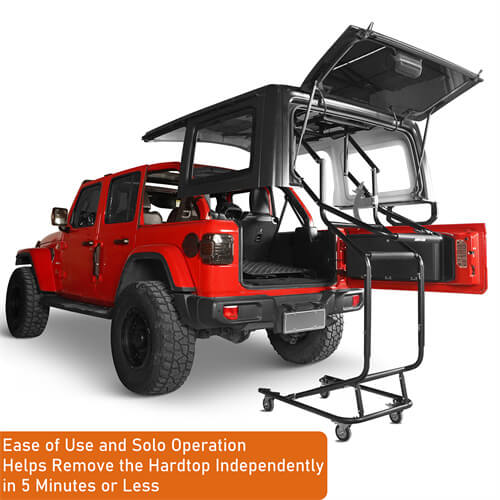
| Hardtop Removal Cart | Moderate | Medium | Cart |
Step-by-step Guide For Solo Removal
If you decide to remove your Jeep hardtop alone, follow these steps to stay safe and avoid damage.
- Gather Tools: You need a Torx screwdriver, a storage cart or blanket, and possibly a hoist.
- Remove Front Panels: Take off the lighter panels first. Most Jeeps have quick-release latches.
- Disconnect Wires: Unplug the defroster and washer hose from the rear section.
- Unscrew Bolts: Use the Torx tool to remove bolts at the back and sides.
- Lift Carefully: If lifting manually, open the doors, grab the top from both sides, and lift straight up. If using a hoist, attach hooks and crank it up slowly.
- Move to Safe Spot: Place the hardtop on a cart, blanket, or stand to avoid scratches.
Practical Tips
- Wear gloves to improve grip.
- Move slowly to prevent dropping the top.
- Don’t force bolts—if stuck, use WD-40.
- Check for hidden wires before lifting.
Many beginners forget to disconnect the washer hose, leading to tears or leaks later. Another common mistake is dragging the top across the Jeep body, which causes scratches.
Tools That Make Solo Removal Easier
A hardtop hoist is the best tool for solo removal. It attaches to your garage ceiling and lets you lift the top with a crank or motor. Prices range from $100 to $300. Some owners use a removal cart that fits under the hardtop and rolls away.
Here’s a comparison of two popular hoist types:
| Hoist Type | Max Weight (lbs) | Operation | Price Range ($) |
|---|---|---|---|
| Manual Pulley Hoist | 200 | Hand Crank | 100-150 |
| Electric Hoist | 300 | Remote Control | 200-300 |
For smaller garages, manual hoists work well. Electric hoists are faster and require less effort.
Safety Concerns And Common Mistakes
Removing a Jeep hardtop alone has risks. Dropping the top can cause expensive damage. Here are mistakes to avoid:
- Not disconnecting all wires and hoses.
- Lifting too quickly or unevenly.
- Ignoring your physical limits.
- Not planning where to store the hardtop.
Always check your Jeep manual for specific bolt locations and wiring. Some newer models have extra connectors.
Real-world Examples
Many Jeep owners share their solo removal stories online. One owner used a manual hoist and finished in 15 minutes. Another owner lifted the hardtop alone but scratched the paint. Most agree that a hoist system is worth the investment if you plan to remove the top often.
If you want to see video guides and detailed instructions, the official Jeep site offers helpful resources.

Frequently Asked Questions
Can I Remove A Jeep Hardtop Without Tools?
You can remove the front panels without tools, but you’ll need a Torx screwdriver for the main bolts. Removing the rear section without tools is not recommended.
Is It Safe To Remove The Hardtop Alone?
It is safe if you take precautions, use a hoist, and don’t rush. Don’t attempt manual removal if you have back problems or limited strength.
How Long Does Solo Removal Take?
With practice and the right tools, removal can take 15 to 30 minutes. Beginners may need longer.
What Should I Do If The Bolts Are Stuck?
Spray the bolts with penetrating oil like WD-40 and wait a few minutes. Use the correct Torx size to avoid stripping.
Can I Store The Hardtop Outside?
It’s not recommended. Exposure to rain, sun, and wind can damage the fiberglass and seals. Always store in a garage or covered area.
Removing a Jeep hardtop alone is possible for most people, especially with the right tools. Using a hoist or cart reduces risk and makes the job much easier.
With careful planning and attention to detail, you can enjoy open-air driving in your Jeep without needing help.