If you love exploring the outdoors but spend most days driving on city roads, you might wonder if the Jeep Renegade can handle off-road adventures. This compact SUV looks rugged and carries the Jeep badge, but does it really live up to its reputation when you leave the pavement?
Let’s break down the Renegade’s true off-road abilities, what makes it different from bigger Jeeps, and what you should know before heading off the beaten path.
How The Jeep Renegade Is Built For Off-road
The Renegade is Jeep’s smallest SUV, but it shares some DNA with its bigger siblings. It’s built on a unibody chassis, which means its frame and body are one piece. This is different from the body-on-frame design found in classic off-roaders like the Wrangler. Unibody gives a smoother ride on city streets but can be less tough on rocky trails.
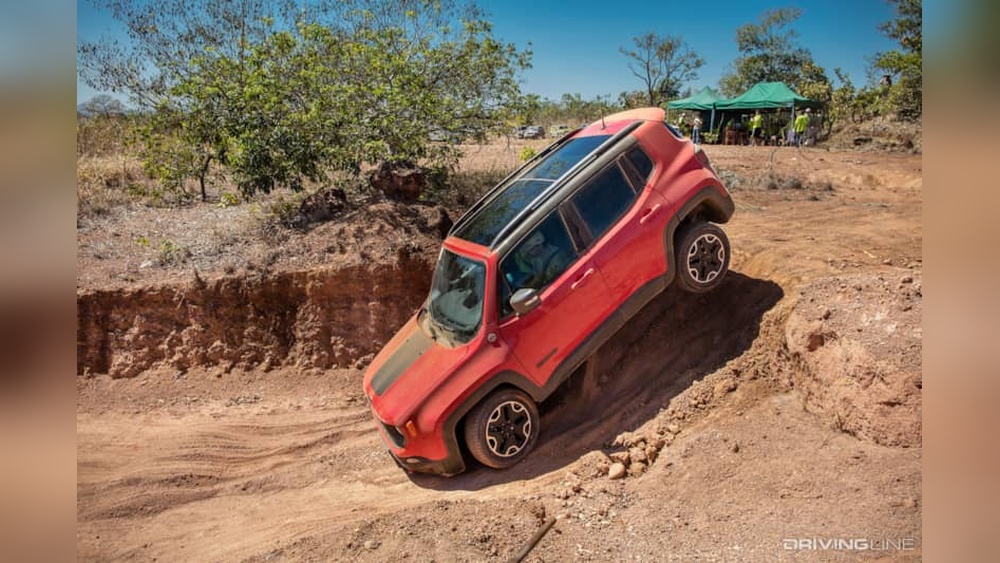
Still, the Renegade comes with features that help it handle rough ground:
- Available 4×4 systems: Jeep offers two types: Active Drive and Active Drive Low (the latter only on the Trailhawk model).
- Traction Management: The Selec-Terrain system lets you choose settings for snow, sand, mud, or rock.
- Raised ground clearance: The Trailhawk version sits higher than other Renegades, reducing the risk of scraping the underbody.
Comparing Trailhawk Vs. Standard Renegade Models
Not every Renegade is made equal when it comes to off-roading. The Trailhawk version is designed for tougher trails, while the standard Sport, Latitude, and Limited trims are better suited for light trails or dirt roads.
Here’s a quick comparison:
| Feature | Trailhawk | Other Trims |
|---|---|---|
| 4×4 System | Active Drive Low (with low range) | Active Drive (no low range) |
| Ground Clearance | 8.7 inches | 6.7–8.0 inches |
| Towing Hooks | Front and rear (red) | None or front only |
| Skid Plates | Yes | No |
| Hill Descent Control | Yes | No |
If you want to go off-road often, the Trailhawk is the best choice. Its Active Drive Low system gives extra torque for climbing or crawling over rocks. The extra ground clearance and skid plates help protect key parts from damage.
Real-world Off-road Performance
The Renegade Trailhawk has proved itself on light to moderate trails. Here’s how it handles different conditions:
- Dirt roads: Even base models with all-wheel drive handle gravel and dirt roads easily.
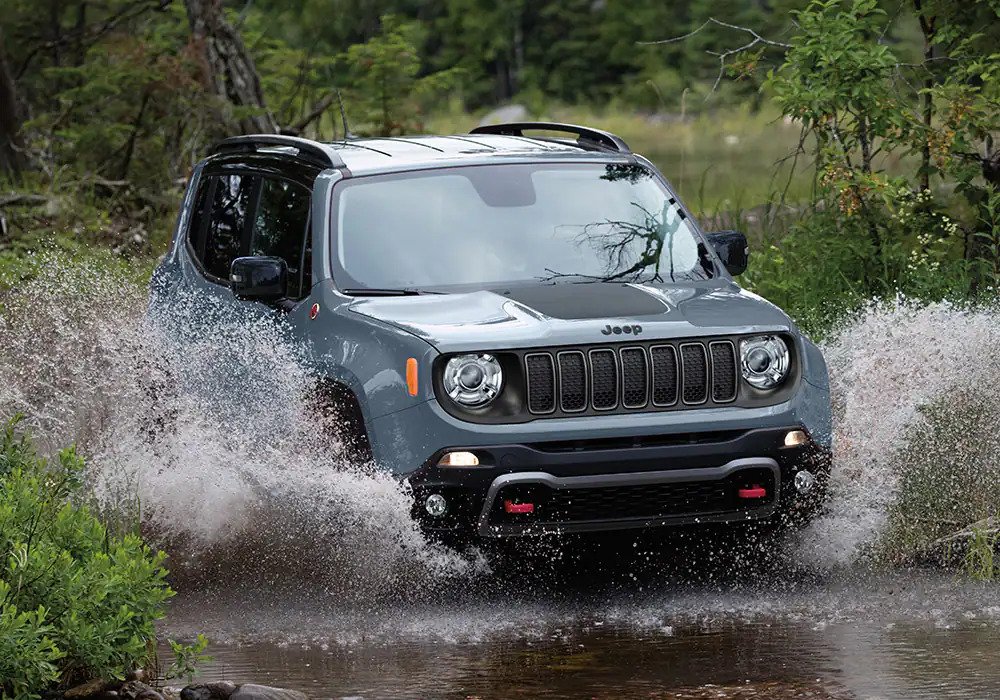
- Mud and sand: The Selec-Terrain system adjusts traction for these surfaces. The Trailhawk’s tires and ground clearance make a real difference here.
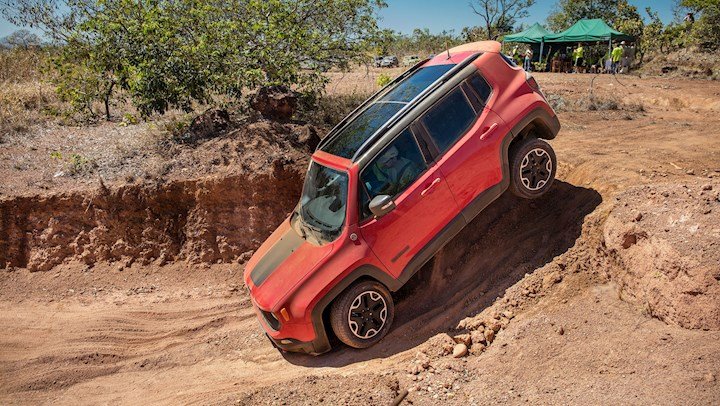
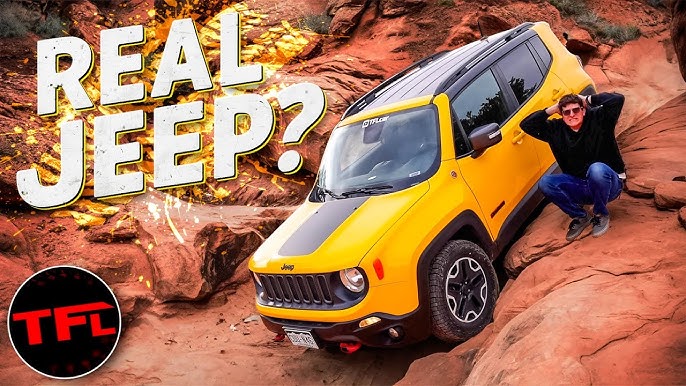
- Rocks and steep hills: Only the Trailhawk, with its low-range gearbox and better approach/departure angles, can manage rocky trails. Still, it’s not a match for the Jeep Wrangler on extreme trails.
Let’s look at a key measurement: approach and departure angles. These numbers tell you how steep a hill you can drive up or down without hitting the bumpers.
| Model | Approach Angle | Departure Angle | Breakover Angle |
|---|---|---|---|
| Renegade Trailhawk | 30.5° | 34.3° | 24.4° |
| Standard Renegade | 18.7° | 30.1° | 20.5° |
| Jeep Wrangler | 41.4° | 36.1° | 20.3° |
The Trailhawk’s numbers are decent for a small SUV and much better than most crossovers. However, the Wrangler still leads by a wide margin for extreme off-roading.
What The Renegade Is Best (and Not Best) At
Where It Shines
- Weekend adventures: The Renegade Trailhawk is perfect for camping trips, forest roads, and moderate trails.
- Snow and rain: The 4×4 system and terrain modes help keep you moving when roads get slippery.
- Urban and rural mix: It’s small enough for city parking but tough enough for country roads.
Where It Falls Short
- Rock crawling: The Renegade is not built for serious rock crawling or deep water crossings.
- Heavy towing: With a max tow rating of 2,000 lbs, it’s not for hauling large trailers.
- Extreme trails: If you want to tackle the hardest trails, a Wrangler or Gladiator is a better fit.
One thing beginners often miss: tire choice makes a huge difference. Stock tires on lower trims are for roads, not trails. Upgrading to all-terrain tires is a smart move if you plan off-roading.
Tips For Taking Your Jeep Renegade Off-road
- Start simple: Try easy trails first to learn your Renegade’s limits.
- Check your clearance: Know the height of rocks and ruts compared to your underbody.
- Use the terrain modes: Don’t forget to switch settings for mud, sand, or snow.
- Travel with a buddy: Off-roading alone is risky, even in capable vehicles.
- Carry recovery gear: Basic tools like a tow strap and a shovel can save the day.
- Watch the weather: Heavy rain turns easy trails into mud traps.
A non-obvious tip: lower your tire pressure slightly before hitting sand or snow. This increases your tire’s surface area and helps prevent getting stuck. Just remember to inflate them before returning to pavement.
Cost And Value: Is It Worth It?
The Renegade Trailhawk costs more than standard trims, but you get features that make real off-roading possible. For most buyers, it’s a good trade-off if you like outdoor adventures but still need a daily driver.
Here’s a brief price comparison (2024 models, MSRP):
| Model | Starting Price | 4×4 Standard? |
|---|---|---|
| Renegade Trailhawk | $32,000 | Yes |
| Renegade Latitude | $29,000 | No |
| Jeep Wrangler Sport | $33,700 | Yes |