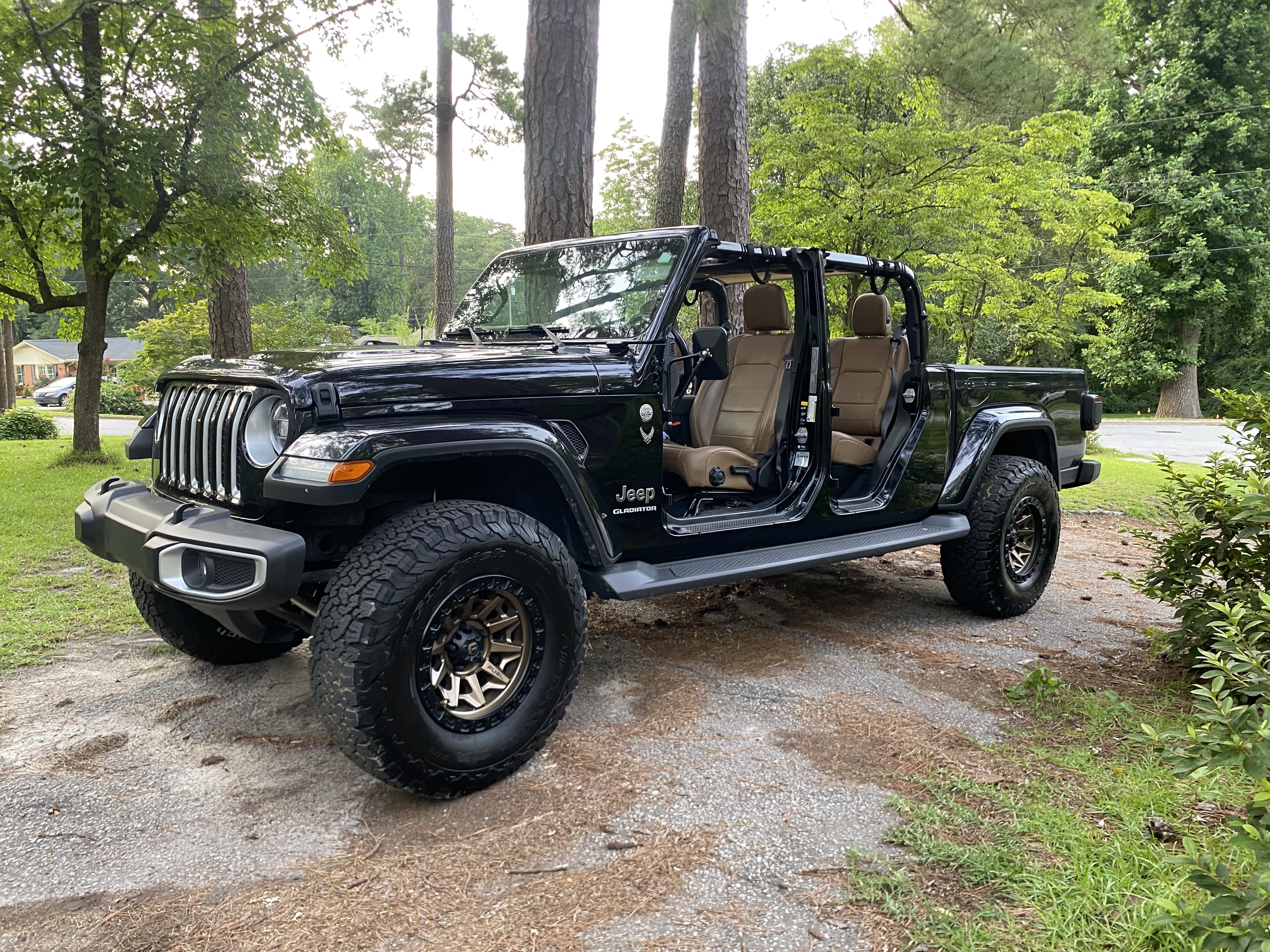
Thinking about regearing your Jeep on your own? Many Jeep owners ask this question after upgrading to bigger tires or planning more serious off-road adventures. The answer is not as simple as “yes” or “no.” Regearing is a major project that affects how your Jeep performs, its fuel economy, and even its reliability. This guide breaks down what it takes to regear your Jeep yourself, the risks and rewards, and helps you decide if this job is right for you.
What Does Regearing Mean?
Regearing means changing the gear ratio inside your Jeep’s differentials. When you install larger tires, your factory gears often can’t keep up. This can lead to:
- Sluggish acceleration
- Poor fuel economy
- Transmission stress
By installing new gears with a higher ratio, you restore lost power and performance. For example, if your Jeep came with 3.73 gears and you move up to 35-inch tires, switching to 4.88 gears brings back the original driving feel.
Can You Really Do It Yourself?
If you have strong mechanical skills and the right tools, you might be able to regear your Jeep at home. But this is not a simple bolt-on upgrade. Regearing is one of the most complex jobs you can do on a vehicle. Here’s why:
- You need to remove and open the differential
- Specialized tools are required to set gear backlash and bearing preload
- Mistakes can lead to gear noise, rapid wear, or total failure
What Skills And Tools Are Needed?
You should be comfortable with:
- Removing axles and driveshafts
- Handling precision measurements (within 0.002 inches)
- Using a dial indicator, torque wrench, and bearing puller
Here’s a quick comparison of what’s needed for a typical DIY job versus a professional shop:
| Aspect | DIY Regear | Professional Shop |
|---|---|---|
| Tool Cost | $300–$700 | Included |
| Time Required | 10–16 hours | 6–8 hours |
| Warranty | None (unless you buy parts with warranty) | Often 1–2 years |
| Risk | High for beginners | Low |
The Step-by-step Process
If you’re determined to tackle this project, here’s a broad outline of the steps:
- Lift and support your Jeep securely.
- Remove wheels, brakes, and axles to access the differential.
- Drain differential fluid and open the cover.
- Remove carrier and pinion gears.
- Install new gears, set backlash and pinion depth (requires measuring tools).
- Check gear pattern with marking compound.
- Reinstall everything and fill with fresh fluid.
- Break in the gears with careful driving for the first 500 miles.
Each step can present unique challenges. For example, setting the pinion depth is extremely sensitive off by just a hair, and your gears may whine or fail.
Common Pitfalls And Mistakes
Even experienced mechanics sometimes make mistakes when regearing. Here are two problems beginners often overlook:
- Improper bearing preload: Too tight and bearings burn up; too loose and gears wear out quickly.
- Gear pattern errors: If the contact pattern is off, the gears will be noisy and may break under load.
Another easy-to-miss detail: Always replace crush sleeves and pinion seals with new ones. Reusing old parts can lead to leaks and quick failures.
Cost Breakdown: Diy Vs Shop
Let’s look at what you might spend if you do the work yourself compared to hiring a shop.
| Item | DIY Cost | Shop Cost |
|---|---|---|
| Gear Set (per axle) | $250–$350 | $250–$350 |
| Install Kit (bearings, seals) | $120–$200 | $120–$200 |
| Special Tools Rental/Purchase | $300–$700 | Included |
| Labor | Your time | $900–$1,500 (per axle) |
| Warranty | Parts only | Parts & Labor |
Key insight: If you plan to regear more than one Jeep or do other axle work, investing in tools makes sense. If it’s a one-time job, a shop is usually cheaper and safer overall.
Should You Regear Yourself?
Ask yourself these questions before starting:
- Do you have access to all the necessary tools?
- Are you comfortable with precision measurements and mechanical work?
- Are you okay with the risk of damaging expensive parts?
If you answer “no” to any, it’s wise to let a professional handle the job. Remember: gears are not forgiving. One small error can destroy both the new gears and the axle case.
Safety And Practical Tips
If you go ahead with a DIY regear, keep these practical tips in mind:
- Double-check every measurement. Even 0.001” can matter.
- Take clear photos of each step for reference.
- Label all parts as you remove them.
- Break in the gears gently—avoid towing or high speeds for at least 500 miles.
If you get stuck, don’t hesitate to ask for help on Jeep forums or consult a factory service manual. Many Jeepers also find detailed guides and videos on sites like JeepForum.
Frequently Asked Questions
How Do I Know If My Jeep Needs Regearing?
If you’ve installed larger tires and notice poor acceleration, transmission hunting, or a big drop in fuel economy, regearing is likely needed. Use a gear ratio calculator to check what’s ideal for your setup.
Can I Regear Just The Rear Axle?
You should always regear both axles so they match. Running mismatched gear ratios can destroy your drivetrain.
How Long Does It Take To Regear A Jeep At Home?
For a first-timer, expect at least 12–16 hours. This includes time for learning, measuring, and careful assembly.
What Happens If I Set Up The Gears Incorrectly?
Incorrect setup leads to gear noise, premature wear, or even catastrophic failure. This can mean buying all new parts and starting again.
Is There A Good Resource For Learning More?
The official Jeep service manual is the best reference. Also, check guides and threads on Pirate4x4 for real-world advice from experienced Jeep builders.
Regearing your Jeep yourself is possible, but it’s a serious job that demands skill, patience, and the right tools. If you love learning and have a good workspace, it can be rewarding.
If you’re unsure, remember that a trusted shop can save you time, money, and headaches in the long run.
Choose wisely for your Jeep and your peace of mind.