Leasing a Jeep gives you the thrill of driving a new SUV without a long-term commitment. But what happens when your lease is almost up and you’re not ready to say goodbye?
Many Jeep drivers wonder, “Can I extend my Jeep lease?
” The answer isn’t always simple, but understanding your options can help you make the right choice for your lifestyle and budget.
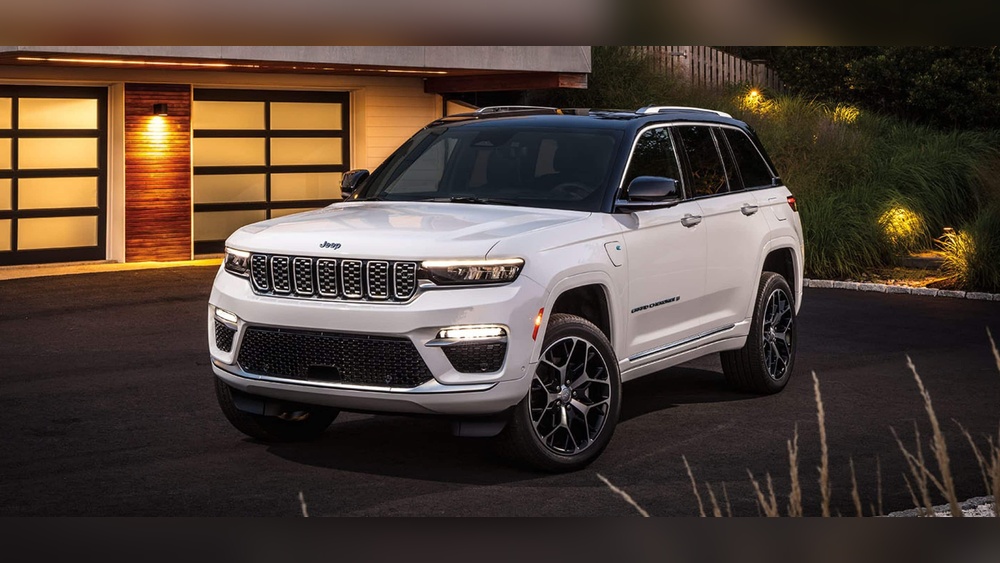
Can You Extend A Jeep Lease?
Most Jeep leases allow for an extension, but it depends on your leasing company and contract. Many lessors—like Chrysler Capital or other financial institutions—offer lease extensions for a few months or sometimes longer.
Typically, there are two types of lease extensions:
- Short-term extension: You extend your lease for a few months, usually up to six months. This is common if you’re waiting for a new car to arrive or need more time to decide.
- Long-term extension: Some companies allow you to extend for a year or more, but this is less common and usually requires special approval.
Always check your lease agreement for details. Some dealers and lenders are flexible, while others have strict policies.
How To Request A Jeep Lease Extension
Extending your lease is not automatic. Here’s how you can request one:
- Contact your leasing company: Call the customer service line listed on your lease paperwork. Ask about their lease extension policy.
- Review your options: They’ll explain how long you can extend, what the new payments will be, and any fees.
- Sign an extension agreement: If you accept the terms, you’ll sign a new contract or amendment.
- Keep making payments: Continue paying your monthly lease amount, including any new fees.
It’s best to start this process at least one month before your lease ends. Waiting until the last minute can limit your options.

Why Extend Your Jeep Lease?
There are several reasons why drivers choose to extend:
- Waiting for a new model: Maybe you want the latest Jeep Wrangler but it’s not available yet.
- Uncertainty: You might not be sure if you want to lease, buy, or try another brand.
- Life changes: Job moves, family changes, or financial uncertainty can delay your decision.
Extending your lease gives you more time without committing to a new vehicle or losing your current one.
Pros And Cons Of Extending A Jeep Lease
To help you decide, here’s a quick comparison of the main advantages and disadvantages:
| Pros | Cons |
|---|---|
| Keep your Jeep longer | May pay higher monthly fees |
| Delay large upfront costs | Warranty may expire during extension |
| Extra time to decide next steps | Possible wear & tear charges increase |
Non-obvious insight: Some lease extensions might cause your Jeep’s warranty to expire before you return the car. This means you could be responsible for repairs—not just regular maintenance. Always ask when your warranty ends before extending.
Costs And Fees To Expect
Lease extensions are not always free. Here are common costs to watch for:
- Monthly payment: Your payment often stays the same, but some lenders may increase it.
- Extension fee: Some companies charge a processing fee (usually $100–$400).
- Excess mileage: If you drive more miles during the extension, you’ll pay extra at lease end.
- Wear and tear: Longer use can mean more dings, scratches, or tire wear—leading to added charges.
Here’s a look at possible costs:
| Cost Type | Typical Range | When Charged |
|---|---|---|
| Monthly Payment | $350–$600 | Each month of extension |
| Extension Fee | $100–$400 | When signing extension |
| Excess Mileage | $0.15–$0.25/mile | End of lease |
| Wear & Tear | Varies | End of lease inspection |
Tip: Ask your dealer if any incentives or special programs are available for lease extensions. Sometimes, during slow sales periods or model changeovers, they may offer better terms.
Alternatives To Extending Your Jeep Lease
Extending is not your only option. Consider these alternatives:
- Lease a new Jeep: If you like driving new, trade in for a current model.
- Buy your leased Jeep: If you love your car, you can buy it at the residual value listed in your contract.
- Return and walk away: If you no longer need a vehicle or want to try a different brand, you can return your Jeep at lease end.
Here’s a comparison to help you decide:
| Option | Main Benefit | Main Drawback |
|---|---|---|
| Lease Extension | More time with current Jeep | Possible extra costs |
| New Lease | Latest features & warranty | New upfront fees |
| Buyout | Keep your Jeep permanently | Large purchase cost |
| Return | No further payments | Need a new vehicle |
Non-obvious insight: Some Jeep lease contracts include a “purchase option” that lets you buy your vehicle for less than market value. If your Jeep is in good shape and the market is strong, this can be a smart financial move. Check used car prices before deciding.
What To Watch Out For
- Insurance coverage: Make sure your policy stays active throughout the extension.
- Registration and inspection: Some states require you to renew your registration or pass an inspection during an extension.
- Communication: Get all extension terms in writing. Don’t rely on verbal promises from salespeople.
Frequently Asked Questions
Can I Extend My Jeep Lease If I’m Behind On Payments?
Usually, you must be current on payments to qualify for a lease extension. If you’re behind, contact your lender immediately to discuss your options.
How Long Can I Extend My Jeep Lease?
Most companies allow 1–6 months. Some offer up to 12 months but only with approval. Policies vary, so check with your leasing provider.
Will My Monthly Payment Change If I Extend?
Your monthly payment often stays the same, but it can increase depending on the lender and market conditions. Always confirm before you agree.
What Happens To My Warranty During An Extension?
If your Jeep’s factory warranty expires during the extension, you’re responsible for repairs not covered. Consider buying an extended warranty if you’re concerned about unexpected costs.
Where Can I Find More Information About Jeep Lease Extensions?
You can visit the official Chrysler Capital lease page for the latest policies and contact information.
Leasing a Jeep offers flexibility, and extending your lease can be a smart move if you need more time. Understanding your options, costs, and potential pitfalls will help you make the best decision for your needs.
Always read your contract, ask questions, and don’t hesitate to negotiate for the terms that fit your situation.