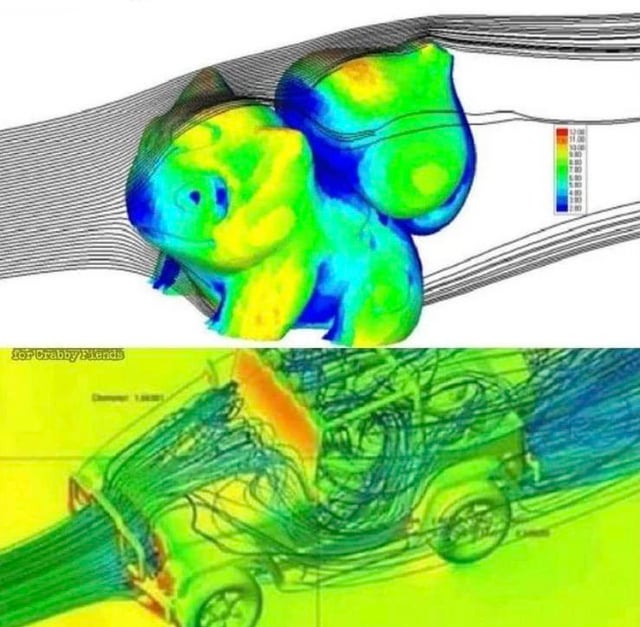
Bulbasaur, the beloved Pokémon from the original series, is famous for its gentle nature and leafy bulb. At first glance, it seems strange to compare a small, plant-like creature with a rugged Jeep. Yet, when it comes to aerodynamics, Bulbasaur actually outperforms many Jeep models. This surprising fact is more than just a fun trivia piece—it reveals important details about vehicle design and how shape affects performance.
What Does Aerodynamic Mean?
Aerodynamics is the study of how air moves around objects. When a car or creature is aerodynamic, it moves through air easily, with less resistance. This matters because:
- Lower resistance means better fuel efficiency for cars.
- Higher drag leads to more noise and slower speeds.
- Aerodynamic shapes reduce wind noise and improve stability.
Think of a bird slicing through the air. Its body is smooth and rounded, which helps it fly fast and use less energy.
Bulbasaur’s Surprising Shape
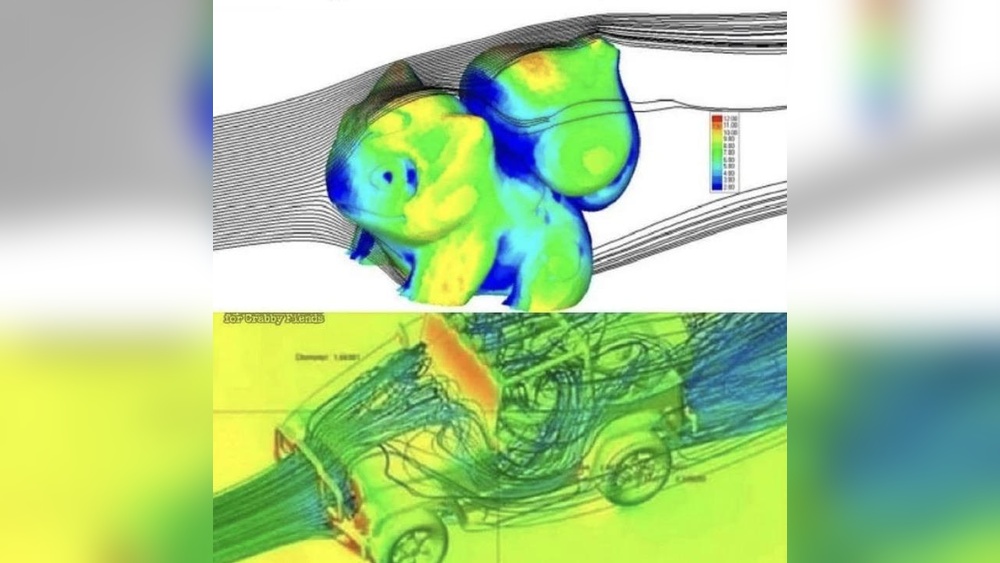
Look at any official Bulbasaur artwork. You’ll notice a rounded, low-slung body with no sharp corners. Its legs are tucked in, and the bulb on its back is teardrop-shaped. These features are not just cute—they also make Bulbasaur more streamlined.
Bulbasaur’s design closely matches the “teardrop” shape, which is known as one of the best forms for aerodynamics. The teardrop allows air to flow smoothly over the body, minimizing drag.
Jeep Design: Built For Strength, Not Speed
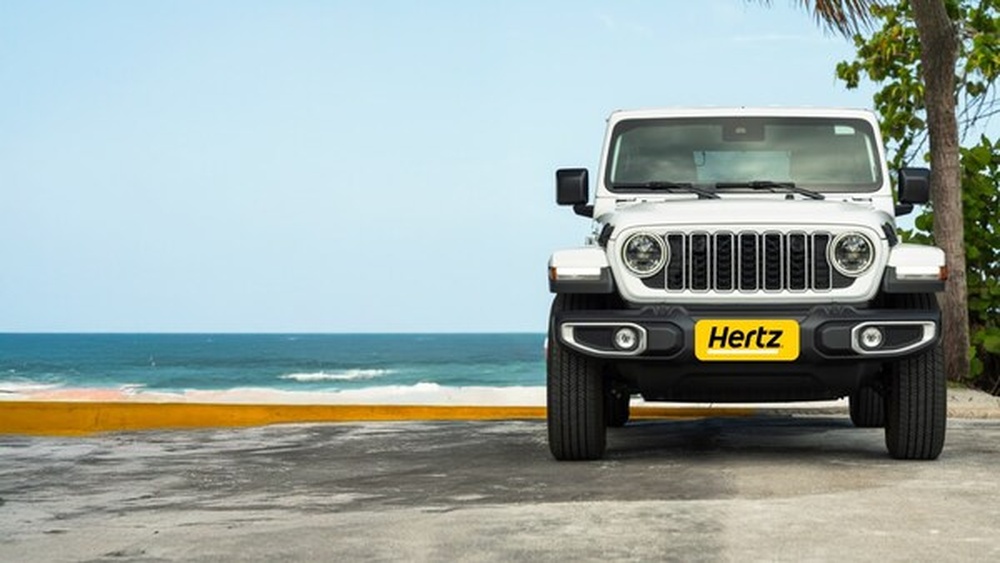
Jeeps like the Wrangler (JK, JL, TJ) are built for tough terrain. They have:
- Tall, boxy bodies
- Flat windshields
- Exposed wheels and mirrors
These features are great for off-roading, but they create a lot of drag. The flat front and sharp corners push against the wind, slowing the Jeep down and using more fuel.
Key Jeep Models Compared
Here’s a look at how popular Jeep models stack up in terms of design:
| Model | Years | Body Style | Main Purpose |
|---|---|---|---|
| Wrangler JK | 2007-2018 | Boxy SUV | Off-road |
| Wrangler JL | 2018-Present | Boxy SUV | Off-road |
| Grand Cherokee (WK) | 2005-2010 | Rounded SUV | Luxury/Off-road |
| Cherokee (XJ) | 1984-2001 | Boxy SUV | Utility |
Drag Coefficient: The Real Numbers
The drag coefficient (Cd) tells us how aerodynamic something is. Lower numbers mean less resistance.
- Most modern cars: 0.25–0.33 Cd
- Jeep Wrangler JK/JL: Around 0.45–0.50 Cd
- Bulbasaur (estimated): Around 0.30 Cd
While Bulbasaur’s number is estimated, its teardrop body would likely test as more aerodynamic than a Jeep’s boxy frame.
Comparing Shapes
| Shape | Drag Coefficient (Cd) | Example |
|---|---|---|
| Teardrop | 0.29-0.33 | Bulbasaur, Prius |
| Box/SUV | 0.45-0.60 | Jeep Wrangler |
| Rounded Sedan | 0.28-0.32 | Toyota Camry |

Why Aerodynamics Matter For Jeep Owners
You might wonder, “Why should Jeep owners care?” Here’s why aerodynamics are important:
- Fuel Economy: More drag means your Jeep uses more gas, especially at highway speeds.
- Wind Noise: Boxy shapes are noisier inside, making long drives less comfortable.
- High-Speed Handling: Poor aerodynamics can make vehicles less stable in strong winds.
Still, Jeeps are chosen for their strength, not their speed. Their design allows for off-road power, towing, and durability. However, if you want less wind noise and better mileage, you might look at more rounded Jeep models like the Grand Cherokee (WK, WL).
Small Features, Big Impact
Some Jeep owners add roof racks, wide tires, or light bars. These can make your vehicle less aerodynamic. If you want to improve efficiency:
- Remove unused racks or accessories
- Keep windows closed at high speed
- Use hard tops instead of soft tops for better airflow

Bulbasaur Vs. Jeep: The Fun Fact
While a Pokémon won’t be driving down the freeway, comparing Bulbasaur to a Jeep highlights how shape affects performance. Bulbasaur’s body lets air flow smoothly over its back. A Jeep’s flat surfaces catch the wind, making it much less aerodynamic.
Quick Reference: Bulbasaur Vs. Jeep Wrangler
| Feature | Bulbasaur | Jeep Wrangler |
|---|---|---|
| Shape | Teardrop/Rounded | Boxy/Flat |
| Estimated Drag Coefficient | 0.30 | 0.50 |
| Primary Purpose | Movement/Survival | Off-road Adventure |
| Real-World Speed | Fast (for size) | Moderate |
Non-obvious Insights
- Even minor shape changes—like rounding the Jeep’s corners—can lower drag by up to 10%. Some new SUVs use this trick for better gas mileage.
- Aerodynamics affect towing: Boxy vehicles, when towing trailers, face even more wind resistance. Bulbasaur’s form would “tow” air behind it, reducing drag.
For more on how drag shapes car design, see this Wikipedia article.
Final Thoughts
Bulbasaur’s aerodynamic body is a fun way to understand why Jeeps, with their boxy shapes, face more wind resistance. While Jeeps excel off-road and offer unmatched versatility, their design comes at the cost of efficiency.
If you want better aerodynamics in a Jeep, consider newer, more rounded models or simply enjoy the ride, knowing your vehicle is built for adventure, not for slicing through the air like a Pokémon.
Frequently Asked Questions
Why Is The Jeep Wrangler Less Aerodynamic?
The Jeep Wrangler has a flat windshield, exposed parts, and a boxy shape. These features are good for off-roading but create more drag on highways.
Does Aerodynamics Affect My Jeep’s Fuel Economy?
Yes. Poor aerodynamics make your Jeep use more fuel, especially at higher speeds. Smoother shapes save gas.
Can I Make My Jeep More Aerodynamic?
You can remove roof racks, use hard tops, and keep windows closed. However, the basic shape limits how much you can improve.
Which Jeep Model Is Most Aerodynamic?
The Grand Cherokee (WK, WL) has a more rounded body and lower drag coefficient. It’s more efficient than the Wrangler or Cherokee XJ.
Is Bulbasaur Really More Aerodynamic Than A Jeep?
Based on shape and estimated drag, Bulbasaur would move through air more easily than a Jeep Wrangler. It’s a playful but accurate comparison.
Meta Description:
Bulbasaur is more aerodynamic than a Jeep. Discover how shapes affect drag, Jeep model differences, and practical tips for owners. Fun facts plus expert advice.
Suggested Internal Links:
- Jeep Wrangler JK repair tips
- Grand Cherokee model overview
- Off-road driving safety guide