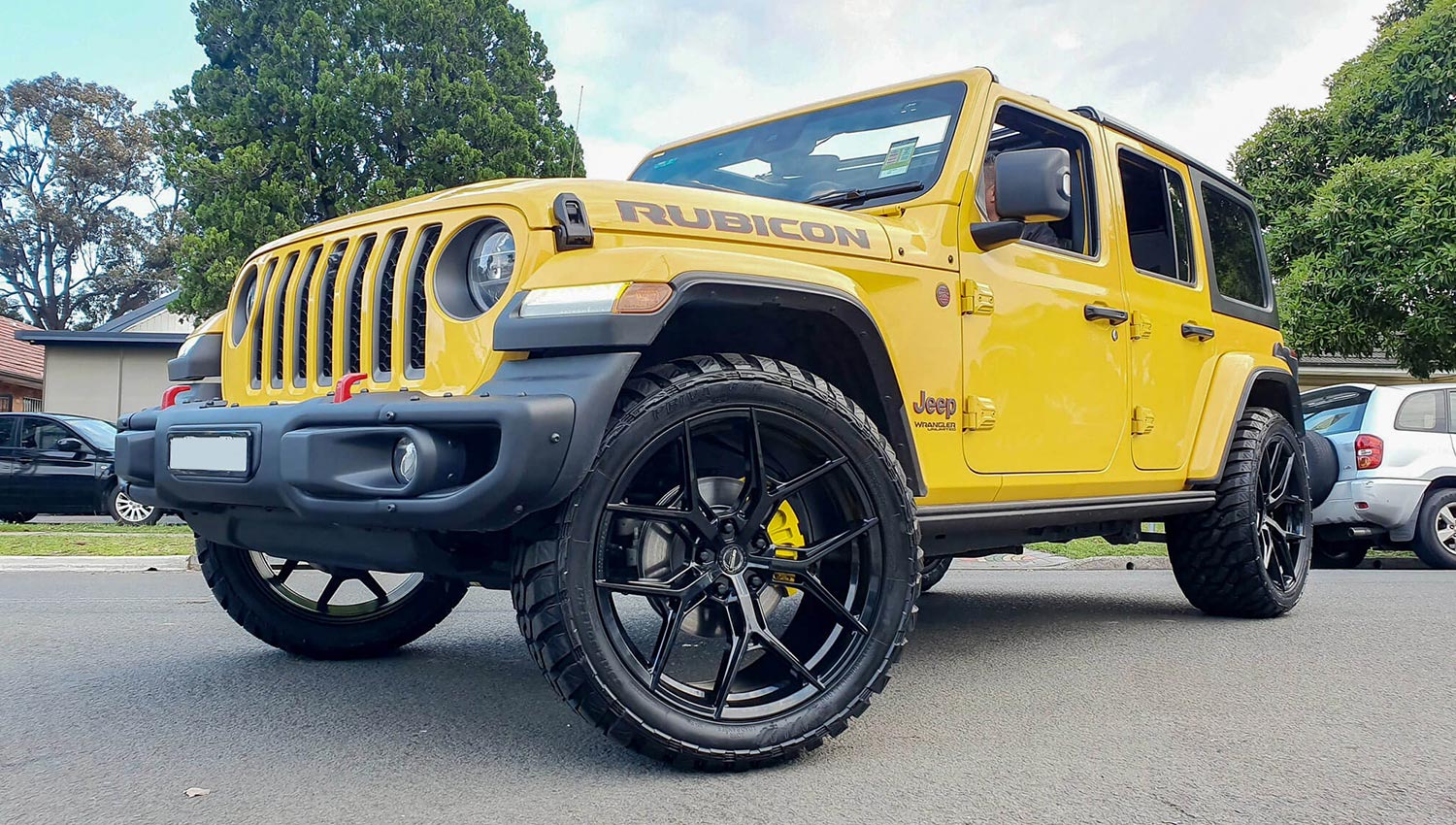
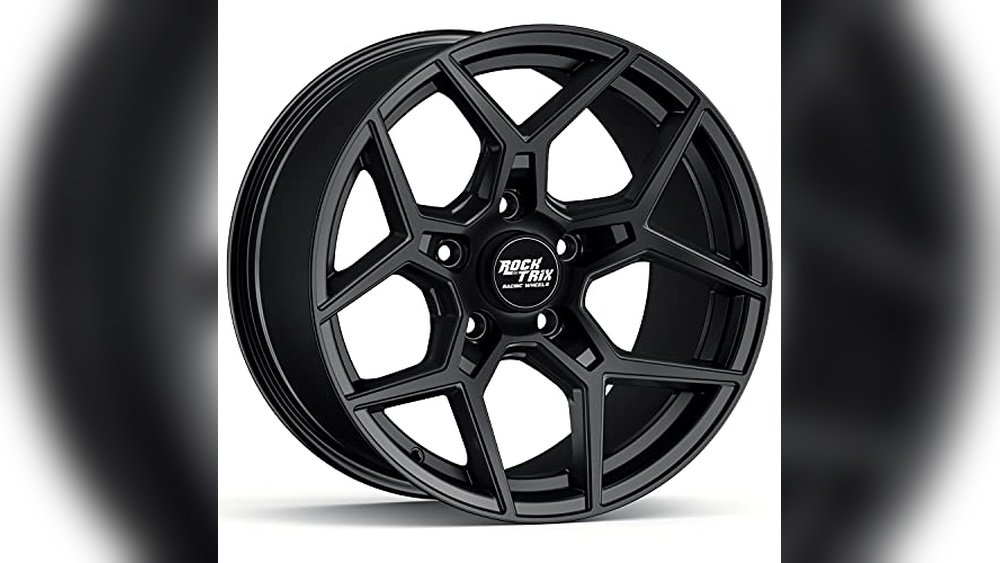
Choosing the right wheel offset for your Jeep JL can make a big difference in how your vehicle looks, handles, and performs off-road. Offset is a simple concept, but it affects many things—tire clearance, suspension, steering, and even safety. Whether you’re planning to upgrade your wheels for style, bigger tires, or serious off-roading, understanding wheel offset is key. This guide breaks down what offset means, how it affects your Jeep JL, and which offset is best for different needs. I’ll also share practical tips that most beginners overlook and answer the most common questions.
What Is Wheel Offset?
Wheel offset is the distance between the wheel’s mounting surface and its center line. It’s measured in millimeters and can be positive, zero, or negative.
- Positive offset means the mounting surface is toward the front (outside) of the wheel. The wheel sits closer to the body.
- Zero offset means the mounting surface is right in the center.
- Negative offset means the mounting surface is toward the back (inside) of the wheel. The wheel sticks out more.
You’ll see offset written as “ET” (from the German “Einpresstiefe”), followed by a number. For example, ET+35 means 35mm positive offset.
Why does this matter? Offset changes the position of the wheels, which affects clearance, handling, and appearance. Picking the wrong offset can cause rubbing, steering problems, or even damage your Jeep.
Stock Jeep Jl Wheel Offset
The factory wheel offset for Jeep JL models is usually between +35mm and +44mm. Here’s a quick look:
| Trim | Wheel Size | Offset | Bolt Pattern |
|---|---|---|---|
| Sport | 17×7.5″ | +44mm | 5x127mm |
| Sahara | 18×7.5″ | +44mm | 5x127mm |
| Rubicon | 17×7.5″ | +35mm | 5x127mm |
The Rubicon has a slightly lower offset, giving a wider stance for better stability. All JL models use a 5x127mm bolt pattern.
Why Change Wheel Offset?
People change their Jeep JL’s wheel offset for several reasons:
- Fit wider tires: Aftermarket wheels with lower (more negative) offset allow room for bigger tires.
- Improve off-road clearance: A wider stance helps avoid obstacles and increases stability.
- Style: Wheels that stick out a bit give a tough, aggressive look.
- Suspension upgrades: If you add a lift kit or new suspension parts, you may need a different offset for proper clearance.
Changing offset isn’t just about looks. It affects how your Jeep drives, especially off-road. But there’s a balance: too much negative offset can cause problems.
How Offset Affects Your Jeep Jl
Offset changes more than just appearance. Here’s what to expect:
Tire Clearance
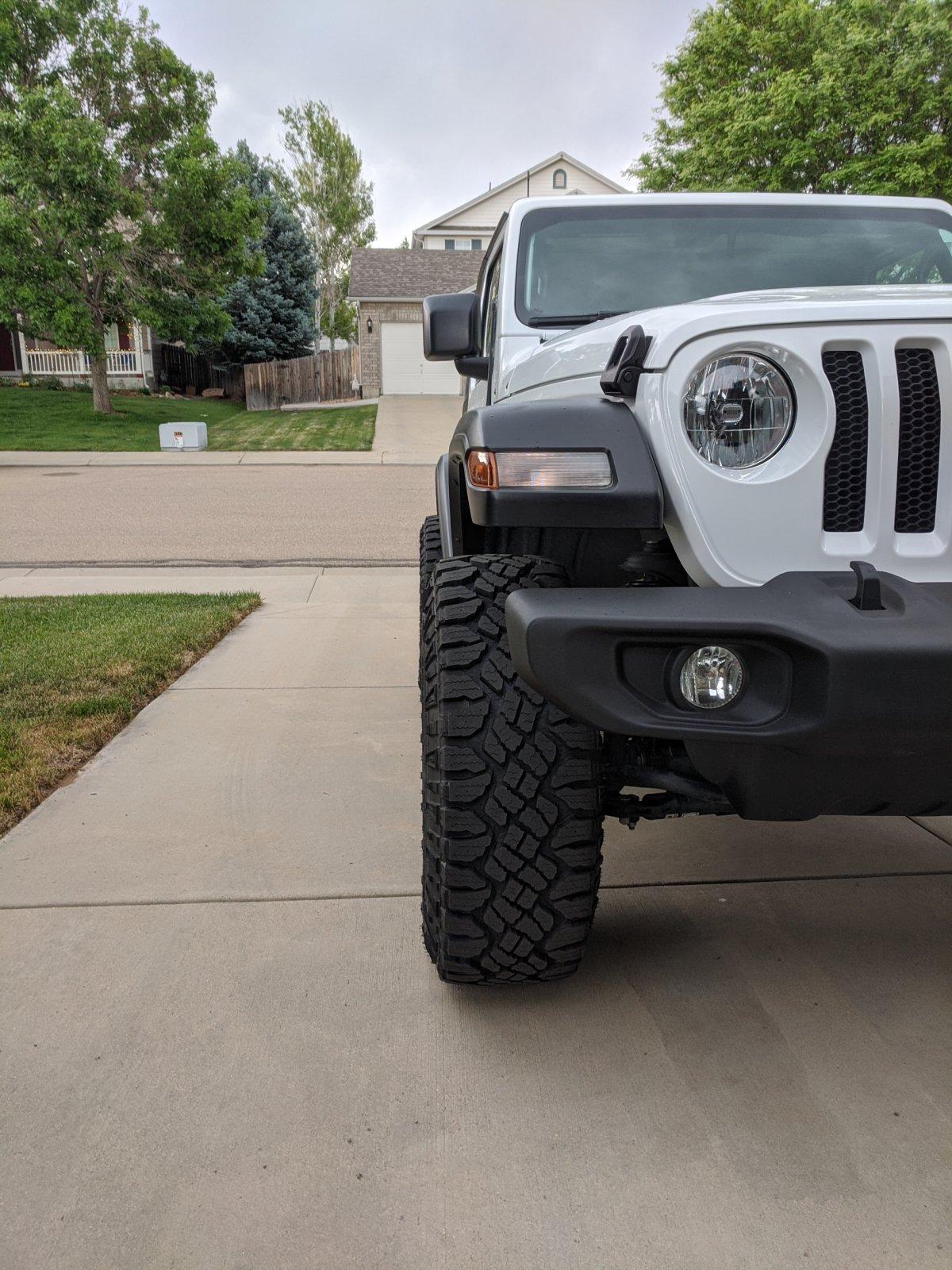
Lower offset pushes the wheels outward. This creates space for larger tires and reduces rubbing on control arms or sway bars. But if you go too far, the tires can hit the fenders or poke out past them.
Handling And Stability
A wider stance from negative offset can improve stability, especially off-road. But it also changes the scrub radius (the area the tire contacts when steering), which can make steering heavier and affect handling on pavement.
Suspension And Steering
Offset affects suspension geometry. Too much negative offset puts extra stress on wheel bearings, ball joints, and tie rods. This can lead to premature wear.
Legal And Safety Concerns
Wheels that stick out past the fenders may be illegal in some states and can throw mud and rocks onto other cars. You may need fender flares to stay legal.
Best Offset Range For Jeep Jl
For most Jeep JL owners, the best offset range is between +10mm and -12mm. This works well for:
- 33-37″ tires
- Mild to moderate lift kits (2-3 inches)
- Keeping wheels inside or just level with the fender
Here’s a comparison of popular offset choices:
| Offset | Stance | Max Tire Size | Notes |
|---|---|---|---|
| +35 to +44mm | Stock | Up to 33″ | May rub with bigger tires |
| +12mm | Slightly wider | Up to 35″ | Good for mild lifts |
| 0mm | Wider | Up to 37″ | Requires fender flares |
| -12mm | Aggressive | Up to 37″ | Extra clearance, more stress |
The sweet spot is +12mm to 0mm for most builds. It gives a wider stance and fits bigger tires without over-stressing the suspension.
How To Choose The Right Offset
Picking the best offset depends on your goals. Here’s what to consider:
1. Tire Size
If you want 33-inch tires, you can often use stock offset. For 35-inch or larger tires, look for wheels in the +12mm to 0mm range. This prevents rubbing and gives extra clearance.
2. Lift Height
A 2-inch lift is common for Jeep JL. With this, +12mm offset works well. If you have a higher lift (3+ inches), you may need 0mm or even -12mm for big tires.
3. Use Case
- Daily driving: Stick closer to +12mm or stock offset for better road manners.
- Off-road only: 0mm or -12mm offers more clearance but may require extra parts (like fender flares).
4. Legal Requirements
Check your state’s laws. Some places require tires to be fully under the fender. If your wheels stick out, you may need wider fender flares.
5. Wheel Width
Offset works together with wheel width. A wider wheel with negative offset will stick out more. Here’s a quick example:
- 17×9″ wheel with -12mm offset: Sits about 1.5″ outside the fender on a JL.
- 17×8.5″ wheel with +0mm offset: Sits just about level with the fender.
Common Mistakes When Choosing Offset
Many Jeep owners make these mistakes:
- Ignoring wheel width: Offset only tells part of the story. Always check width.
- Going too negative: -24mm or more looks cool but can cause steering and suspension issues.
- Not checking tire clearance: Bigger tires need extra space around suspension parts.
- Skipping fender flares: If wheels stick out, you may need flares for legal or safety reasons.
- Not matching bolt pattern: Jeep JL uses 5x127mm—don’t buy wheels with the wrong pattern.
Real-world Examples
Let’s look at some Jeep JL setups:
- Mild build: 2-inch lift, 35×12.5″ tires, 17×8.5″ wheels with +10mm offset. Tires fit well, no rubbing, stance is slightly wider than stock.
- Aggressive build: 3-inch lift, 37×13.5″ tires, 17×9″ wheels with 0mm offset. Tires stick out 1-2″ from fenders, need wider flares, steering feels heavier.
- Overkill: 4-inch lift, 37×14.5″ tires, 17×10″ wheels with -24mm offset. Tires poke far out, suspension wears faster, handling on highway is poor.
Tips Most Beginners Miss
- Measure twice: Always check clearance around brake calipers, suspension, and fenders before buying wheels.
- Check backspacing: Backspacing is the distance from the mounting surface to the back edge of the wheel. It affects clearance just like offset.
- Use spacers carefully: Wheel spacers can change offset, but only use high-quality, hub-centric spacers. Cheap spacers are unsafe.
- Test fit: If possible, test one wheel before buying a full set.
How Offset Affects Off-road Performance
A wider stance gives more stability on rough terrain. With negative offset, your Jeep JL is less likely to tip on slopes. But, too much negative offset can make steering harder and put stress on suspension. If you drive both on and off-road, balance is important.
Some off-roaders prefer 0mm or -12mm offset for rock crawling, but this is best for Jeeps with upgraded suspension and steering. If you only drive trails occasionally, +12mm is safer.

Jeep Jl Wheel Offset And Suspension Upgrades
If you add a lift kit or change control arms, offset becomes even more important. Aftermarket suspension parts can change the geometry, so you may need wheels with less positive offset. This avoids rubbing and keeps handling predictable.
For a 2-3 inch lift, +12mm to 0mm offset is ideal for most wheels. If you upgrade to coil-over shocks or long-arm kits, ask the shop for recommended offset—they have experience with what works.
Comparing Wheel Offset To Spacers
Wheel spacers are sometimes used to push wheels outward. Here’s a quick comparison:
| Method | Effect | Safety | Cost |
|---|---|---|---|
| Lower offset wheels | Permanent, changes stance | Safe if quality wheels | High (new wheels) |
| Wheel spacers | Temporary, changes offset | Safe if hub-centric, risky if cheap | Low ($50-200) |
If you want a wider stance, it’s best to buy wheels with the correct offset rather than use spacers. Spacers are fine for small changes, but not for big tires or aggressive off-roading.
Where To Find Jeep Jl Offset Specs
You can find wheel offset specs in your owner’s manual or from Jeep’s official site. Aftermarket wheel makers always list offset, width, and bolt pattern. For deeper info about wheel offset and its effects, check out Wikipedia.
Frequently Asked Questions
What Offset Should I Use For 35-inch Tires On A Jeep Jl?
For 35-inch tires, a wheel with +12mm to 0mm offset works best. This gives enough clearance for suspension and avoids rubbing. Make sure your wheel width is 8.5-9″ for good tire fit.
Will Negative Offset Hurt My Jeep Jl?
A small negative offset (up to -12mm) is safe for most builds, but too much negative offset can stress suspension and steering parts. It’s best to stay between +12mm and -12mm unless you have heavy-duty upgrades.
Can I Use Wheel Spacers Instead Of Changing Offset?
Wheel spacers can change the effective offset, but they’re not as safe or reliable as buying wheels with the right offset. Only use hub-centric spacers and avoid cheap brands. For big tires, new wheels are better.
Do I Need Fender Flares With Lower Offset Wheels?
If your wheels stick out past the fenders, you’ll need wider fender flares. This keeps your Jeep legal and protects against mud and rocks. Check your local laws for requirements.
How Do I Check If My New Wheels Will Fit?
Measure clearance around brakes, suspension, and fenders. Ask the wheel seller for a test fit or check online forums for your tire and wheel combo. Always confirm bolt pattern and offset before buying.
A well-chosen wheel offset makes your Jeep JL look better, drive safer, and perform stronger off-road. Plan carefully, measure your needs, and avoid common mistakes. With the right offset, your Jeep will be ready for any adventure.