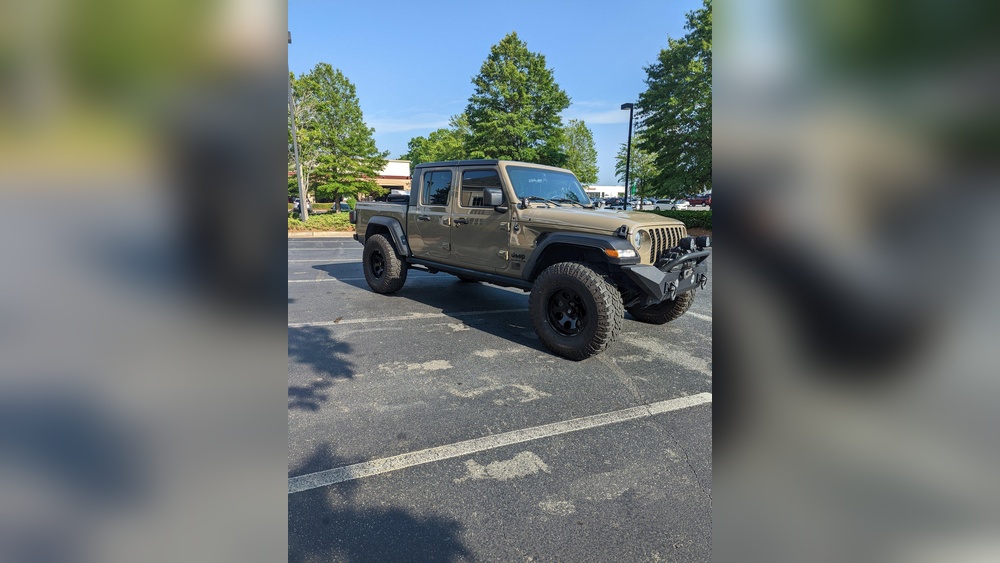
The Jeep Gladiator has become a favorite among adventure seekers and off-road fans. Its rugged build and pickup versatility make it stand out.
But when it comes to customizing your Gladiator, one detail can make a huge difference: the wheel offset. Whether you want better looks, improved handling, or more off-road capability, picking the right wheel offset is essential.
Many Jeep Gladiator owners overlook this detail, but the wrong offset can cause rubbing, poor handling, or even damage to suspension parts. Here’s a clear guide to the best wheel offset for Jeep Gladiator, with practical advice and real-world examples to help you choose with confidence.
What Is Wheel Offset?
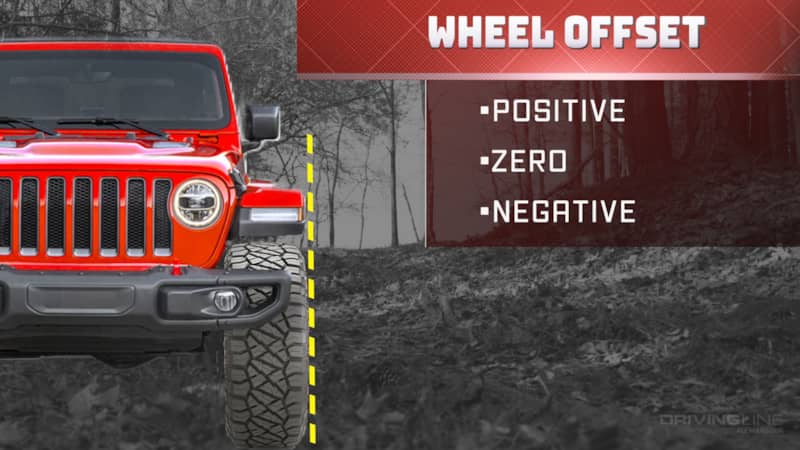
Wheel offset is the distance from the centerline of the wheel to the mounting surface that attaches to the hub. Offset is measured in millimeters and comes in three main types:
- Positive offset: The mounting surface is closer to the outside edge of the wheel. Most stock wheels use positive offset.
- Zero offset: The mounting surface is exactly in the center of the wheel.
- Negative offset: The mounting surface is closer to the inside edge, making the wheel “stick out” more.
Getting the offset right is critical for safety, performance, and appearance. A common mistake is thinking any offset will work as long as the wheels fit. In reality, the wrong offset can affect your steering, suspension, and tire clearance.
Stock Wheel Offset For Jeep Gladiator
From the factory, the Jeep Gladiator usually comes with wheels that have a positive offset, typically between +40mm and +44mm, depending on the trim and wheel option. Here’s a quick comparison of the most common stock wheel specs:
| Trim | Wheel Size | Offset (mm) | Bolt Pattern |
|---|---|---|---|
| Sport | 17×7.5″ | +44 | 5×127 |
| Overland | 18×7.5″ | +44 | 5×127 |
| Rubicon | 17×7.5″ | +44 | 5×127 |
This positive offset keeps the wheels tucked inside the fender, which is good for road driving and fuel economy. But if you want larger tires or a wider stance, you’ll need to consider a different offset.
Why Offset Matters For Your Jeep Gladiator
Many owners upgrade wheels for a tougher look or better off-road performance. But offset affects more than just appearance. Here’s why it’s so important:
- Tire Clearance: The wrong offset can cause tires to rub on fenders, control arms, or suspension parts—especially with larger tires.
- Handling: Offset changes the track width (distance between left and right wheels). A wider track can improve stability but may stress steering parts if too extreme.
- Suspension Wear: If wheels stick out too far, they put extra stress on wheel bearings and ball joints, leading to faster wear.
- Legal Issues: In some states, tires that stick out past fenders are not street legal.
Many beginners think offset is just for looks, but it directly impacts how your Gladiator drives and how long parts last.
Best Offset Range For Jeep Gladiator Aftermarket Wheels
If you plan to upgrade your wheels, what’s the ideal offset range? For most Jeep Gladiator owners, the sweet spot is:
- -12mm to +18mm offset for 17×8.5″ or 17×9″ wheels
This range brings the wheels out just enough for a more aggressive stance, without causing rubbing or major wear. Here’s how different offsets affect your Gladiator:
| Offset (mm) | Stance | Tire Clearance | Suspension Impact |
|---|---|---|---|
| +44 (Stock) | Tucked in | Excellent | Minimal |
| +18 | Slightly wider | Good | Minimal |
| 0 | Noticeably wider | May need minor trimming | Low to moderate |
| -12 | Wide/aggressive | Likely needs fender mods | Moderate |
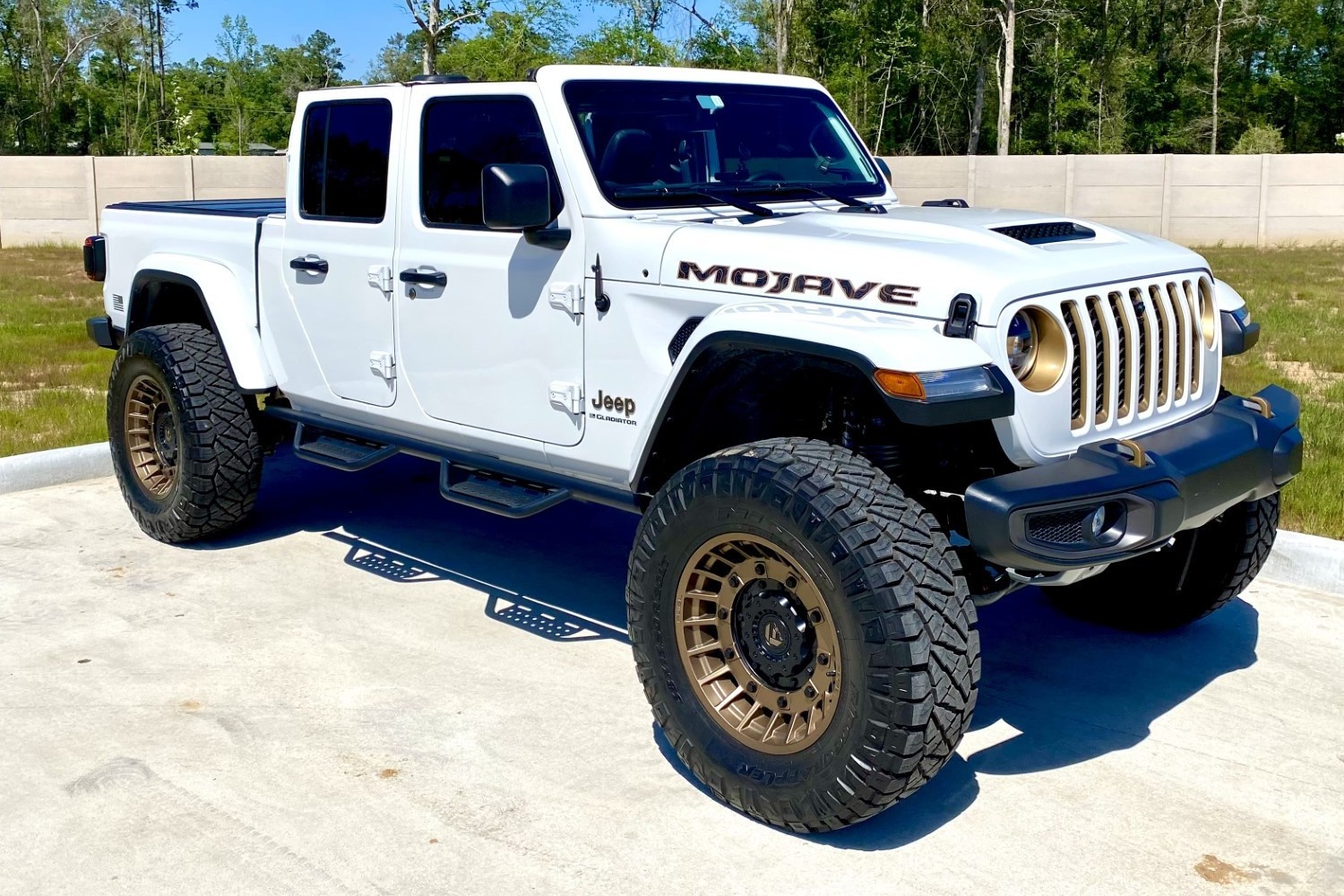
Key tip: If you plan to install larger tires (like 35″ or 37″), a lower offset (closer to zero or slightly negative) helps prevent rubbing on suspension parts. But too much negative offset can push the wheels out past the fenders, which may require fender flares to stay legal.
Choosing The Right Wheel Offset For Your Build
Not every Jeep Gladiator owner has the same goals. Here are some common build types and the best offset for each:
Daily Driver/light Off-road
If you use your Gladiator mostly on pavement with some mild trails, keeping a +18mm to +25mm offset is usually best. This maintains good handling and avoids excessive wear. A slightly wider stance improves looks without compromising comfort.
Overlanding/heavy Off-road
For those who love off-grid adventures and rough trails, a 0mm to +12mm offset works well. This allows for larger tires and extra clearance. But be sure to check for rubbing at full suspension flex (articulation), especially if you add bigger tires or a lift kit.
Extreme Off-road/rock Crawling
If you’re building a Gladiator for serious off-road, a negative offset (-6mm to -12mm) gives maximum stance and stability. This pushes the wheels out, reducing the risk of rubbing on control arms. But you’ll likely need wider fender flares, and expect more stress on steering parts.
Show/style Builds
For owners who want the most aggressive look (tires sticking out), a -12mm or lower offset creates the wide stance. Just remember this can bring legal or safety issues if not done carefully.
Real-world Example: 35-inch Tires On A Gladiator
A common upgrade is 35-inch tires on 17×8.5″ wheels. Many owners ask: what offset works best here? Most experts recommend a 0mm to +12mm offset. This setup gives:
- Enough clearance to avoid rubbing during turns or flex
- A wider, more stable stance
- No major modifications to fenders
If you go with a -12mm offset, you may need to trim fenders or add flares, especially if you use aggressive mud-terrain tires.
Common Mistakes When Choosing Wheel Offset
Many new Gladiator owners make these errors:
- Ignoring Backspacing: Offset alone doesn’t tell the full story. Backspacing is the distance from the wheel’s mounting surface to the back edge of the wheel. Less backspacing (like 4.5″) pushes the wheel out. Always check both numbers to avoid clearance issues.
- Overdoing Negative Offset: A super negative offset might look cool, but it can cause quick wear on bearings and ball joints. It may also make your Jeep handle poorly on the road.
- Not Checking Local Laws: Some states require fender coverage for all tires. Don’t get a ticket for wheels sticking out too far.
- Skipping a Test Fit: If possible, test fit one wheel before committing to a full set. This helps you spot rubbing or clearance problems early.
How To Measure And Calculate Offset
If you’re buying custom wheels or ordering online, knowing how to measure offset is important. Here’s a simple way:
- Measure the overall width of the wheel (in millimeters).
- Find the distance from the mounting surface to the back edge (backspacing).
- Use the formula:
Offset = Backspacing – (Wheel Width / 2)
- Positive result = positive offset; negative result = negative offset.
Pro tip: Wheel width is measured from bead seat to bead seat, not edge to edge.
Do You Need Spacers?
Some owners use wheel spacers to push their wheels out for a wider stance. While spacers can help if you already have wheels with too much positive offset, they add stress to the hub and may cause vibration if not installed correctly. It’s usually better to get wheels with the correct offset from the start.
Offset And Lift Kits: What To Know
Adding a lift kit changes your Gladiator’s suspension geometry. If you lift your Jeep, you may need a lower (more negative) offset to clear bigger tires.
But don’t just go for the lowest number consider how the lift affects suspension travel.
Aftermarket lifts often come with recommendations for wheel offset and backspacing. Always check the lift kit instructions or ask an experienced shop.
Are There Downsides To Low Offset Wheels?
Yes. While negative or zero offset wheels look tough and help with tire clearance, there are trade-offs:
- Increased wear: More stress on suspension and steering parts.
- More road debris: Tires sticking out can throw rocks and mud onto the body.
- Possible vibration: If wheels and tires are too far out, you may feel shakes at highway speed.
- Higher cost: You may need wider fender flares or mudguards.
Best Wheel Offset For Popular Gladiator Upgrades
Let’s look at some common upgrades and the best offset for each:
| Upgrade | Recommended Offset | Notes |
|---|---|---|
| Stock tires, aftermarket wheels | +18mm to +25mm | Keeps road handling; no rubbing |
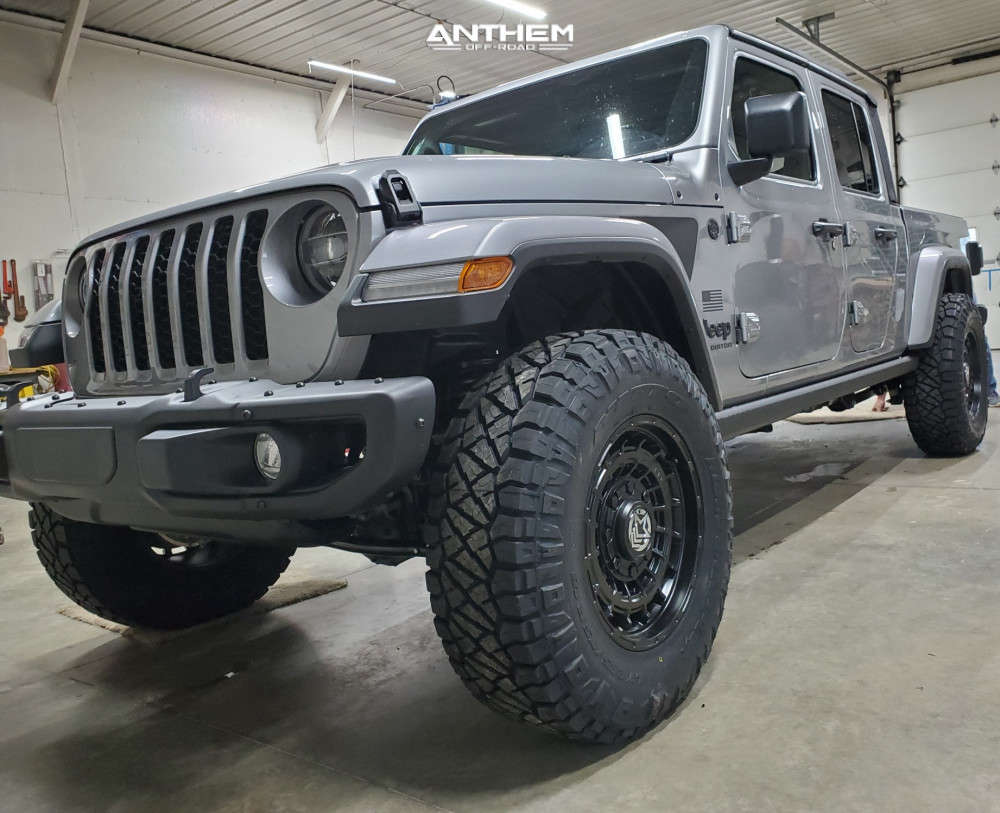
| 33″ tires, mild lift | 0mm to +12mm | More clearance for flex |
| 35″ tires, 2-3″ lift | 0mm to +12mm | Good balance of clearance and wear |
| 37″ tires, 3″+ lift | -12mm to 0mm | May need fender mods |
Two Insights Most Beginners Miss
- Offset and Backspacing Work Together: Many new owners focus only on offset, but backspacing can make or break your build. For example, a 17×9” wheel with -12mm offset has about 4.5” backspacing, which is perfect for most big-tire Gladiators. Always check both numbers.
- Wheel Width Changes the Game: The same offset looks different on an 8” vs. a 9” wide wheel. Wider wheels with the same offset will stick out further. When upgrading wheel width, adjust your offset to avoid rubbing or legal issues.
Where To Find More Information
For more technical details and Jeep Gladiator specifications, the official Jeep website offers the latest data and recommendations:
jeep Gladiator Official Site
Frequently Asked Questions
What Is The Stock Wheel Offset For A Jeep Gladiator?
Most stock Jeep Gladiator wheels have a +44mm offset. This keeps the wheels tucked inside the fenders and is ideal for daily driving and fuel efficiency.
Can I Use A Negative Offset On My Gladiator?
Yes, but be careful. A negative offset pushes the wheels out for a wider stance and helps clear big tires, but too much can cause rubbing, faster suspension wear, and may not be legal without wider fender flares.
Will Changing Wheel Offset Affect My Warranty?
If the offset causes damage to suspension or steering components, your warranty may not cover the repairs. Always check your warranty terms and use recommended offsets.
Do I Need Wheel Spacers With Aftermarket Wheels?
Not always. If you pick the right offset, you won’t need spacers.
Spacers are only needed if your wheels are too tucked in and cause rubbing on suspension parts.
What’s The Best Offset For 35-inch Tires On A Gladiator?
A 0mm to +12mm offset works best for 35″ tires on most 17×8.5″ or 17×9″ wheels. This setup provides good clearance and stability without major modifications.
Picking the right wheel offset for your Jeep Gladiator is more than a style choice it’s about safety, performance, and making sure your upgrades last.
Whether you’re planning light trails or full rock crawling, taking the time to choose the correct offset will save you headaches and money in the long run.
If you’re ever in doubt, consult a trusted Jeep shop or speak with experienced owners online. Your Gladiator deserves the best fit, both on and off the road.