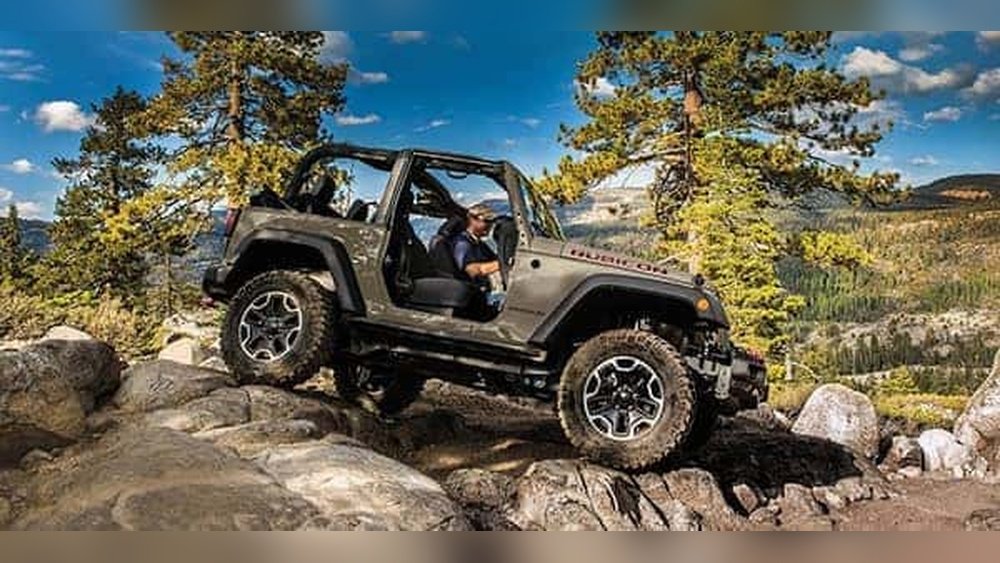
The Jeep Wrangler stands out as a symbol of adventure. Whether you tackle rocky mountain trails or cruise city streets, your tire size plays a huge role in how your Wrangler performs and feels. The choice might seem simple, but the “best” tire size depends on your Jeep’s year, trim, how you drive, and the look you want.
Picking the right size can mean the difference between a smooth ride and constant hassle.
Many Wrangler owners want bigger tires for off-road power, while others value fuel efficiency or easy daily driving. Let’s dig into the practical details, real-world pros and cons, and common pitfalls. You’ll finish this guide ready to choose the best tire size for your Jeep Wrangler, not just guess.
Factory Tire Sizes For Jeep Wrangler
Understanding the stock tire sizes is the smart place to begin. Jeep Wranglers have come in several generations, with different standard tire options. These factory sizes are chosen to balance comfort, safety, and fuel economy.
| Model Year | Generation | Common Stock Sizes |
|---|---|---|
| 1997–2006 | TJ | 215/75R15, 225/75R15, 30×9.5R15 |
| 2007–2018 | JK | 225/75R16, 255/75R17, 245/75R17 |
| 2018–present | JL | 245/75R17, 255/70R18, 285/70R17 (Rubicon) |
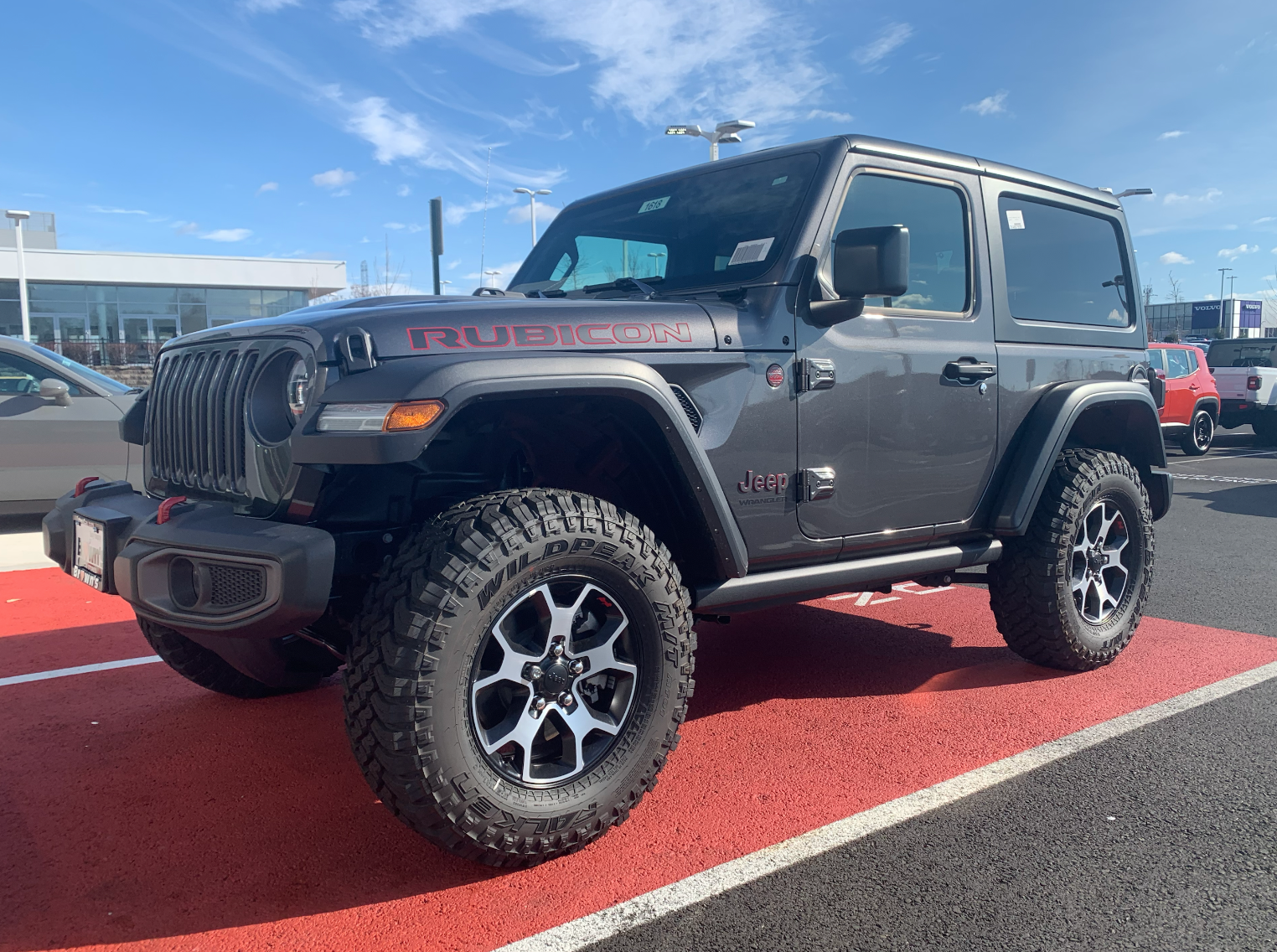
These numbers might look confusing, but they reveal a lot. For example, a 245/75R17 tire is about 31.5 inches in diameter. The Rubicon trim, known for off-road focus, comes with 33-inch tires from the factory.
Most stock sizes are between 29 and 33 inches in overall diameter. Jeep designs them for all-purpose use: on-road, light off-road, and moderate weather.
Why Tire Size Matters
Changing your Wrangler’s tire size changes more than just how it looks. Here’s what you need to keep in mind:
- Ground Clearance: Larger tires lift your Jeep higher, letting you clear rocks, mud, or snow more easily.
- Speedometer Accuracy: Bigger tires make your speedometer read lower than your actual speed.
- Gearing and Power: Oversized tires can make your Wrangler feel sluggish, especially if you haven’t changed the gears.
- Fuel Economy: Heavier, larger tires use more gas.
- Ride Comfort: Big tires can make the ride rougher and noisier, especially on pavement.
- Legal and Warranty Issues: Extreme tire changes might affect your warranty or even local road laws.
A common mistake is focusing only on looks. Some owners put on huge tires, only to struggle with poor handling and extra wear on parts.
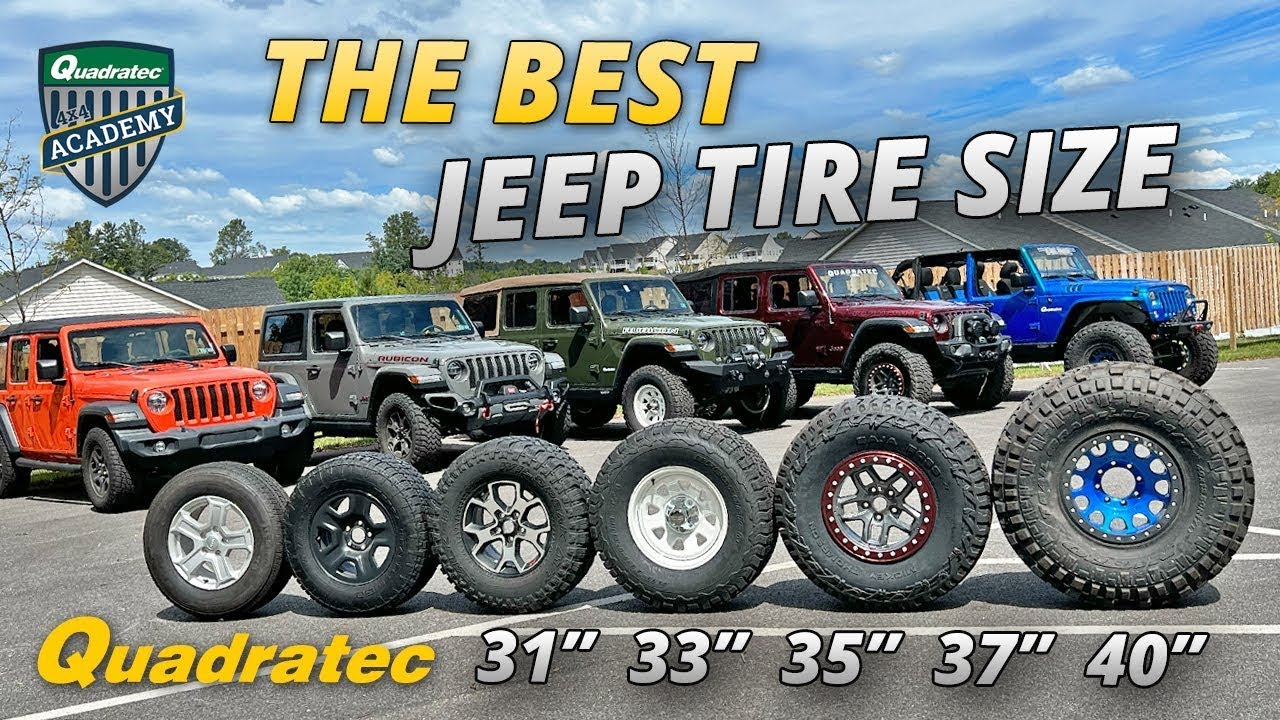
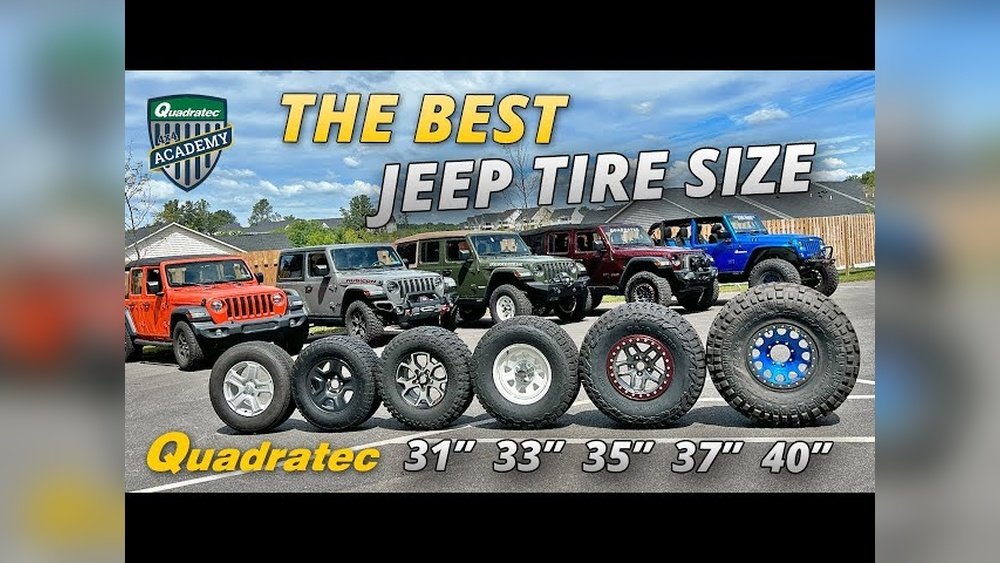
Popular Tire Sizes For Jeep Wranglers
There’s no single “best” size for everyone. Instead, popular choices depend on your goals. Here are the most common sizes, what they offer, and what you should know.
1. 31-inch Tires (e.g., 245/75r17)
These are close to stock for many models.
Pros:
- No need for lift kits or modifications.
- Maintains factory ride and handling.
- Good for daily driving and light trails.
Cons:
- Limited off-road clearance.
- Less aggressive look compared to bigger sizes.
2. 33-inch Tires (e.g., 285/70r17, 255/80r17)
A favorite for many Jeepers, especially with the Rubicon trim.
Pros:
- Noticeable increase in ground clearance.
- Aggressive stance without major vehicle changes.
- Fits most Wranglers with little or no lift.
Cons:
- Some rub on full suspension flex (especially JK/JL without lift).
- Slight drop in MPG and power.
Tip: If you drive hard off-road, a 1–2 inch lift can prevent rubbing.
3. 35-inch Tires (e.g., 315/70r17)
The classic “big tire” look for serious off-roaders.
Pros:
- Excellent trail performance.
- More clearance for obstacles.
- Looks tough and stands out.
Cons:
- Requires at least a 2-inch lift or fender trim.
- Heavier steering, reduced fuel economy.
- Speedometer and odometer need recalibration.
- May need gear ratio changes (re-gearing) to restore power.
Insight: Many first-timers skip re-gearing, leading to poor acceleration and early transmission wear.
4. 37-inch Tires And Up
For extreme builds and rock crawling.
Pros:
- Maximum clearance and off-road ability.
- Unmatched “show truck” appearance.
Cons:
- Needs major suspension and axle upgrades.
- Significantly impacts handling and MPG.
- Expensive to maintain.
Warning: Most daily drivers do not need tires this size. Repairs and extra costs add up fast.
Tire Size, Suspension, And Modifications
Not every size fits every Jeep out of the box. Here’s a quick look at what you’ll likely need:
| Tire Size | Lift Required? | Other Modifications |
|---|---|---|
| 31″ | No | None |
| 33″ | Optional (1–2″) | Possible wheel spacers |
| 35″ | Yes (2–3″) | Re-gearing, fender trim, recalibration |
| 37″+ | Yes (3″+) | Axle upgrade, brakes, steering, re-gearing |
Pro Tip: Always check your tire’s “width” as well as diameter. Wide tires can rub even if the diameter fits.
How To Choose The Right Tire Size For Your Jeep
Think about how you use your Wrangler most. Ask yourself:
- Do I drive mainly on highways or rough trails?
- Do I want a factory look, or something more aggressive?
- Am I ready for extra costs (lift kits, gears, recalibration)?
Here’s a breakdown based on common Wrangler uses:
Mostly Street And Highway
Stick with 31–33 inch tires. They offer the best mix of comfort, MPG, and safety. You’ll keep your warranty and avoid most extra costs.
Weekend Off-roading
33-inch tires are a great sweet spot. Pair them with a mild lift (1–2 inches) for better clearance. You’ll handle most trails without major changes.
Extreme Off-road Or Show Builds
Go for 35-inch or bigger, but be prepared for the extra work and price. This setup is not “plug-and-play.” You’ll need to upgrade your suspension, gears, and sometimes axles.
Beginner mistake: Many new Jeep owners underestimate the cost and effort to run 35-inch or larger tires safely.
Effects Of Larger Tires On Performance
You’ll notice some changes as you go up in size.
- Acceleration drops: Bigger tires are heavier and change gear ratios. Your Jeep can feel slow unless you re-gear.
- Braking distance increases: Stopping takes longer with heavier tires.
- Steering feels heavier: Especially at low speeds or if you have a manual steering box.
- Fuel economy drops: Expect a loss of 1–3 MPG with 33–35 inch tires.
- Speedometer error: Your Jeep may read 60 mph but you’re actually going 66 mph. Always recalibrate after big changes.
Tire Size And Wheel Width
It’s not just about diameter. Every tire size has a recommended wheel width. For example, a 33×12.5 inch tire usually fits an 8–10 inch wide rim. Too narrow or too wide can wear tires unevenly or cause safety problems.
| Tire Size | Recommended Wheel Width |
|---|---|
| 31×10.5″ | 7–9″ |
| 33×12.5″ | 8–10″ |
| 35×12.5″ | 8.5–11″ |
Insight: Choosing the wrong wheel width is a common mistake. It can cause bead problems (where the tire meets the rim) and make handling unpredictable.
Tire Types: All-terrain Vs. Mud-terrain
Size isn’t the only decision. The tire’s tread pattern matters, too.
- All-Terrain (A/T): Good for daily driving and light off-road. Quieter, longer-lasting, and better in the rain.
- Mud-Terrain (M/T): Best for deep mud, rocks, or sand. Louder on pavement, wear faster, but grip much better off-road.
For most owners, A/T tires are the best balance. Go for M/T only if you spend a lot of time off-road.
Common Mistakes When Choosing Tire Size
Even experienced Jeepers make errors. Here are some to avoid:
- Skipping recalibration: Your speedometer, ABS, and even transmission shifting can be off after a tire change.
- Not re-gearing for big tires: Running 35″ or larger on stock gears strains your engine and transmission.
- Ignoring load ratings: Make sure the tires can handle your Jeep’s weight, especially if you add bumpers, winches, or gear.
- Forgetting about the spare: Your spare should match your main tires in size and type.
Real-world Examples
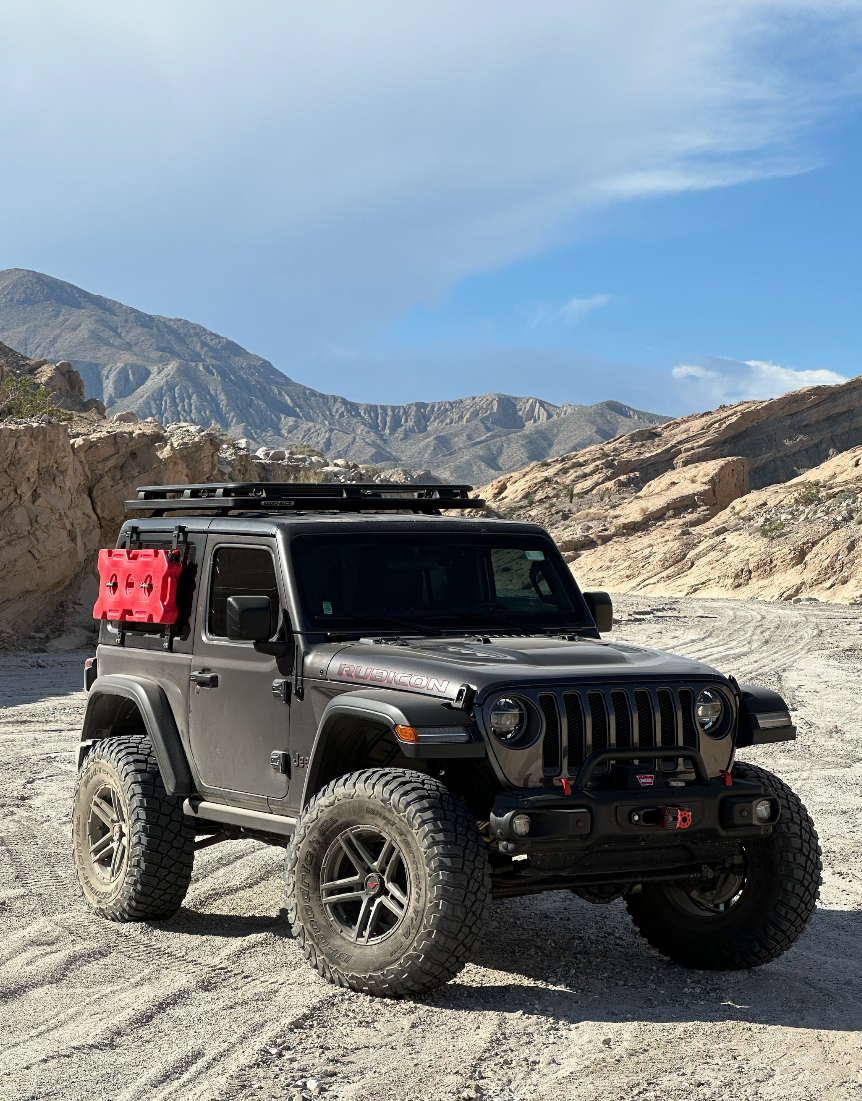
- Daily Driver JK: Owner chooses 33×12.5R17 on a 1.5” lift. Gets better off-road performance, only a small drop in MPG.
- JL Rubicon Weekend Warrior: Runs 35×12.5R17 with 2.5” lift and re-geared axles. Excellent trail ability, but fuel economy drops 2–3 MPG.
- TJ Trail Rig: Goes for 37×12.5R17 with 4” suspension lift, upgraded axles, and heavy-duty steering. Handles extreme trails but not practical for daily use.
How To Calculate Tire Size Changes
If you want to compare your new tires to stock, use an online calculator or this simple formula:
Tire diameter (inches) = (Section Height x 2) + Wheel diameter
Section Height = (tire Width X Aspect Ratio) / 2540
For example, a 285/70R17:
Section Height = (285 x 0. 70) / 25. 4 = 7. 85 inches
Tire diameter = (7. 85 x 2) + 17 = 32. 7 inches
This helps you see exactly how much taller your new tires are.
Where To Find More Information
If you want to dive deeper into gear ratios, axle swaps, and advanced modifications, check out the official Jeep Wrangler page for up-to-date technical details.
Frequently Asked Questions
What Is The Biggest Tire Size You Can Put On A Stock Jeep Wrangler?
Most stock Wranglers can fit up to 33-inch tires without major issues. Some trims, like the Rubicon, can handle slightly bigger sizes thanks to wider fenders. Always check for rubbing at full turn and suspension flex.
Do Larger Tires Affect My Jeep’s Warranty?
Larger tires may affect warranty coverage if they cause damage to related parts (like suspension, gears, or steering). Check with your dealer before making changes.
Will Bigger Tires Hurt My Fuel Economy?
Yes. Heavier, larger tires add rolling resistance. Most owners report losing 1–3 MPG with 33–35 inch tires. The loss gets bigger with more aggressive tread patterns.
Is It Safe To Drive With A Different Size Spare Tire?
It’s not recommended. Driving with a mismatched spare can damage your Jeep’s transfer case, especially if you have a 4WD system. Always carry a full-size spare that matches your main tires.
Do I Need To Re-gear If I Go Up In Tire Size?
For 35-inch tires or larger, re-gearing is highly recommended to restore power and prevent transmission wear. For 33-inch tires, it’s usually optional unless you tow or drive in steep terrain often.
Choosing the best tire size for your Jeep Wrangler is a balance of looks, performance, and practicality. Understand your driving needs, be realistic about the costs, and don’t skip important upgrades. The right tire size transforms your Wrangler into a true reflection of your adventures—on or off the road.