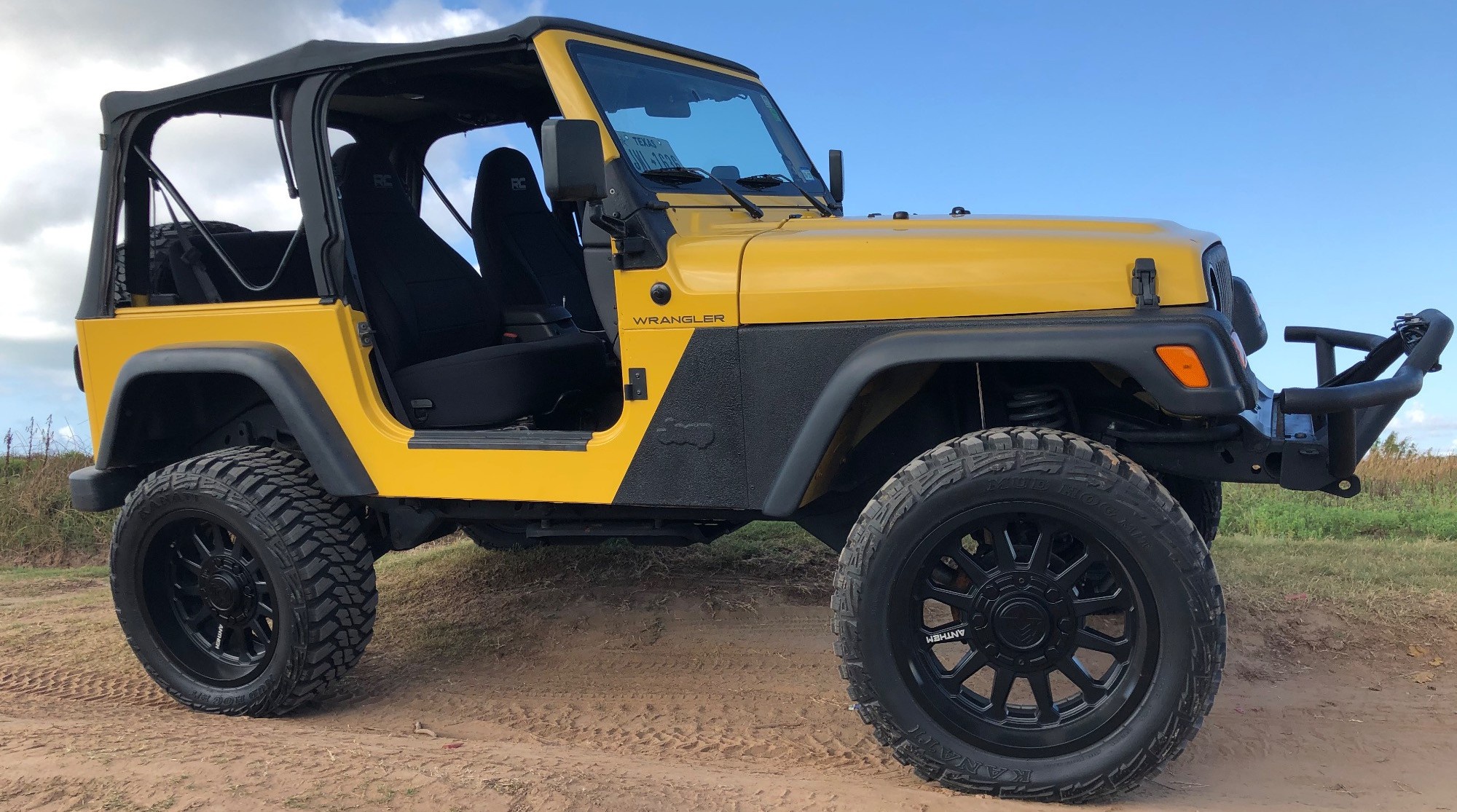
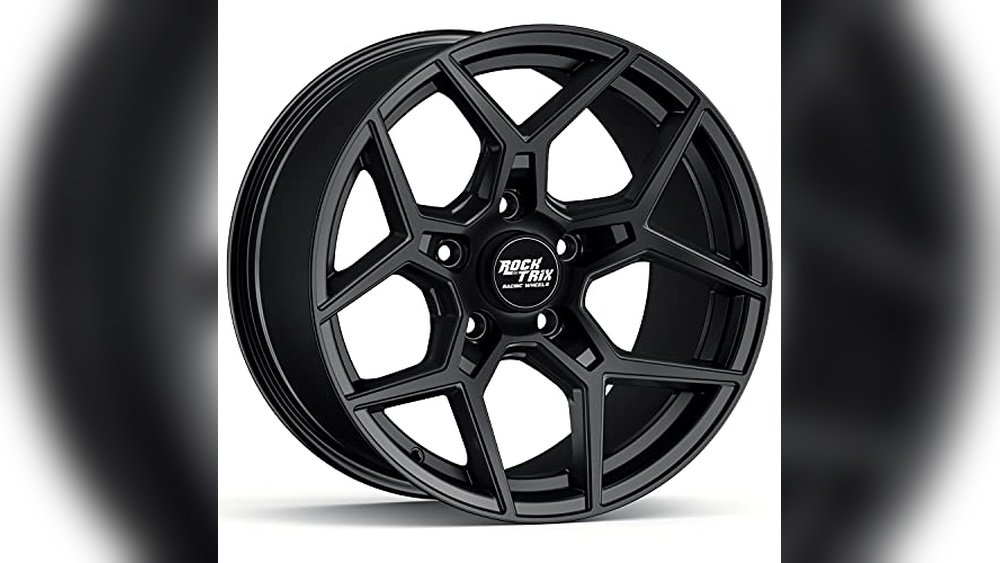
Jeep Wrangler owners love their vehicles for adventure, off-road power, and unique style. One of the most exciting upgrades is changing the wheels and tires. But with so many options, what is truly the best size for your Jeep Wrangler? Choosing the right combination can transform your driving experience, but the wrong size may cause problems with performance, safety, or even legal compliance. This guide explains the best sizes for different uses, how to select the right fit, and what to avoid. Whether you want a rugged off-roader or a daily driver with attitude, you’ll find practical advice and clear examples to make the best choice for your Jeep.
Why Wheel And Tire Size Matters For Jeep Wrangler
The size of your wheels and tires affects every part of your Jeep’s performance. Larger tires can give you better ground clearance and a tougher look. But they may also hurt fuel economy and change how your Jeep handles. Smaller sizes are often better for daily driving and save money, but they might limit your off-road options.
Here’s why size is so important:
- Clearance: Bigger tires help you drive over rocks and rough ground.
- Ride comfort: Tire size and wheel size together change how bumpy your ride feels.
- Speedometer accuracy: Changing size can make your speedometer read wrong.
- Suspension stress: Heavier wheels and tires add wear and tear to your suspension.
- Legal and insurance rules: Some states have limits on tire size for street use.
Many beginners forget that a size upgrade might require other changes. For example, adding much larger tires may force you to re-gear your axles or trim the fenders. Always plan for these extra steps.
Factory Wheel And Tire Sizes For Jeep Wrangler
Jeep Wranglers come from the factory with several wheel and tire sizes, depending on the year and trim. Understanding these stock sizes is key before upgrading.
| Model Year | Factory Wheel Size | Factory Tire Size |
|---|---|---|
| 2007–2017 (JK) | 16″, 17″, 18″ | 225/75R16, 255/75R17, 255/70R18 |
| 2018–2024 (JL) | 17″, 18″ | 245/75R17, 255/70R18 |
| 2021–2024 (4xe & Rubicon 392) | 17″ | LT285/70R17 |
Most stock tires are between 29″ and 33″ in diameter. These are safe for daily driving and light trails, but many owners want bigger tires for tougher terrain or a more aggressive look.

Best Wheel And Tire Sizes By Use Case
Choosing the best size depends on how you use your Jeep Wrangler. Let’s break it down by the most common types of Jeep drivers.
1. Daily Driver And Occasional Off-road
If you use your Wrangler mostly on the road but want to handle some easy trails, a mild upgrade is best.
- Wheel size: 17″ or 18″
- Tire size: 33″ (285/70R17 or 285/75R16)
- Benefits: Keeps ride comfort, easy to fit, almost no extra stress on parts
- Drawbacks: Ground clearance is improved, but not extreme
This size is popular because it fits well without needing a lift or extra modifications. It also keeps the speedometer close to correct and doesn’t hurt fuel economy much.
2. Serious Off-roader
For those who take their Jeep over rocks, mud, or sand, larger tires are a must.
- Wheel size: 17″
- Tire size: 35″ (315/70R17 or 35×12.50R17)
- Benefits: Much more clearance, better traction, stronger off-road presence
- Drawbacks: Needs a lift kit (2–3”), may require re-gearing, puts more stress on steering and axles
Some hardcore off-roaders even go to 37” tires or bigger, but this requires major upgrades like heavy-duty axles, high clearance fenders, and advanced suspension.
3. City Driving And Fuel Efficiency
If you want better mileage and a smooth city ride, smaller sizes are smarter.
- Wheel size: 16″ or 17″
- Tire size: 31″ (265/70R17 or 245/75R16)
- Benefits: Best for fuel economy, easy handling, no upgrades needed
- Drawbacks: Less ground clearance, not ideal for tough trails
4. Show Jeeps And Extreme Looks
For owners who want to stand out, flashy wheels and oversized tires are common.
- Wheel size: 20″ or bigger
- Tire size: 35″ to 37″ (35×12.50R20, 37×13.50R20)
- Benefits: Unique look, turns heads, shows off your Jeep
- Drawbacks: Expensive, often worse off-road, heavy, hard on brakes and suspension
Many shops warn that style upgrades may hurt how well your Jeep drives. Always check that the wheel/tire combo is safe and legal for road use.
How To Choose The Right Wheel Size
Wheel size affects style, performance, and what tires you can use.
- 17-inch wheels are the most popular for Wranglers. They fit a wide range of tire sizes, offer a good balance of sidewall height (for comfort), and work well both on and off-road.
- 16-inch wheels can fit more tire sidewall for comfort but are less common on newer Jeeps.
- 18-inch and 20-inch wheels are mainly for style. They look aggressive but reduce sidewall height, which can hurt off-road grip and ride comfort.
One detail beginners miss: Backspacing and offset are just as important as diameter. Wranglers need wheels with lower backspacing (4.5” to 5”) to clear bigger tires and avoid rubbing against the suspension.
Best Tire Sizes For Jeep Wrangler
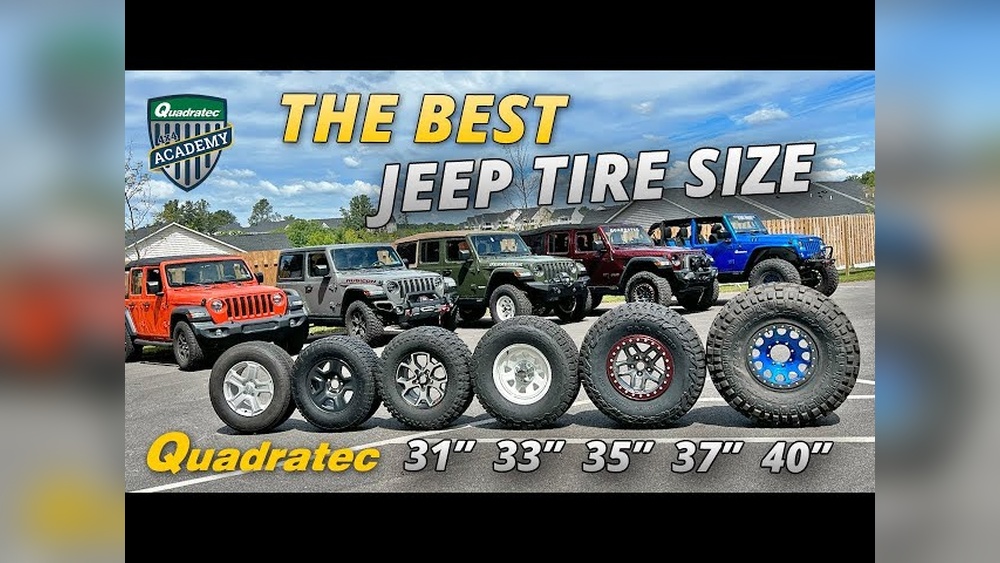
Tire size is measured by overall diameter, width, and sidewall height. The most popular upgrades are:
- 33-inch tires: The sweet spot for most owners. Good for both road and trail. Usually fits with no lift on JL Wranglers, or a small lift on JK models.
- 35-inch tires: A big jump in off-road ability and looks. Needs a 2-3” lift and possibly re-gearing.
- 37-inch tires: Maximum off-road performance, but needs extensive upgrades.
Here’s a quick look at how different tire sizes affect your Jeep:
| Tire Diameter | Lift Needed | Pros | Cons |
|---|---|---|---|
| 31″ | None | Comfort, economy | Limited off-road |
| 33″ | 0–1.5″ | Best all-rounder | Minimal drawbacks |
| 35″ | 2–3″ | Excellent off-road | More upgrades needed |
| 37″ | 3″+ | Ultimate clearance | Expensive, complex |
Lift Kits And Other Required Modifications
A bigger tire isn’t always a simple swap. Most larger sizes need extra upgrades:
- Lift kits: Raises your Jeep’s body or suspension for more clearance. 2–3” lifts are common for 35” tires.
- Fender trimming: Prevents tires from rubbing.
- Re-gearing: Keeps power and fuel economy balanced, especially with 35”+ tires.
- Speedometer recalibration: Makes sure your speed and mileage readings are correct.
- Upgraded brakes or axles: Needed for the heaviest setups.
Many beginners overlook the cost and work involved in these changes. Factor in both money and time before choosing a big upgrade.

How Wheel And Tire Size Impacts Performance
Making your Jeep look tough is fun, but size changes have real effects:
- Acceleration: Larger, heavier tires slow down acceleration.
- Braking: Big tires put more stress on brakes.
- Turning radius: Oversized tires can hit the fenders or suspension.
- MPG (Miles per gallon): Bigger tires and heavier wheels can reduce fuel economy by up to 15%.
- Ride quality: More sidewall (taller tires, smaller wheels) softens the ride. Thin sidewalls (big wheels) make bumps feel harsher.
A non-obvious tip: Sometimes, going just one size up (for example, from 32” to 33”) gives you a noticeable upgrade without needing costly changes.
Legal And Warranty Issues
Large tires and wheels can sometimes cause problems with local laws or your Jeep’s warranty. For example:
- Some states limit how far tires can stick out from the fender.
- Oversized wheels and tires may void parts of your Jeep’s warranty, especially if they cause damage to the drivetrain or suspension.
Check your local rules before buying. Also, talk to your dealer about how upgrades might affect your factory warranty.
Cost Comparison: Different Wheel And Tire Setups
The price of upgrading varies a lot. Here’s a general idea for popular setups:
| Setup | Estimated Cost (Parts Only) | Notes |
|---|---|---|
| 31″ tires, stock wheels | $600–$900 | Simple upgrade, no lift |
| 33″ tires + 17″ wheels | $1,200–$2,000 | May need small lift |
| 35″ tires + lift kit | $2,500–$4,000 | Includes lift, possible re-gearing |
| 37″ tires + full upgrades | $5,000–$10,000+ | Includes axles, brakes, more |
Remember, labor costs and alignment are extra if you don’t do the work yourself.
Common Mistakes When Upgrading Wheels And Tires
- Skipping proper backspacing/offset: This leads to rubbing or clearance issues.
- Ignoring re-gearing needs: Big tires without re-gearing can make your Jeep slow and hurt your transmission.
- Choosing style over function: Very large wheels with thin tires look cool but are worse off-road and make the ride rough.
- Overlooking speedometer calibration: Your speed and mileage will be off if not adjusted.
- Not planning for extra costs: Lifts, re-gearing, and new parts can double your budget.
A smart approach is to plan your upgrades in stages and talk to a shop with Jeep experience.
Real-world Example: 35″ Tires On A Wrangler Jl
Many owners want to know if 35” tires will fit their Wrangler JL. With a 2” lift kit and wheels that have 4.5” backspacing, 35” tires fit well and give great off-road performance. Most find this is the best balance between looks, function, and cost. However, some discover that with heavy off-road use, re-gearing is needed to restore power and keep transmission temperatures down. This is a detail that surprises many first-timers.
When To Stick With Stock Sizes
If your Jeep is mostly for commuting and only sees light trail use, stock sizes make sense. They keep costs low, protect your warranty, and avoid any extra maintenance. Plus, you can always upgrade later if your needs change.
Where To Find More Information
For deeper technical data on tire sizes and their impact, you can check the official Jeep Wrangler Wikipedia page. It covers generations, specifications, and more.
Frequently Asked Questions
What Is The Largest Tire I Can Put On My Stock Jeep Wrangler?
Most stock Jeep Wranglers can fit up to 33-inch tires without a lift, though some light rubbing may occur when turning or off-roading. Always test fit before buying.
Do Bigger Wheels Hurt My Jeep’s Off-road Ability?
Yes, larger wheels (like 20” or more) reduce sidewall height, which makes tires less flexible on rough terrain. 17-inch wheels are usually best for off-road use.
Will Changing Tire Size Affect My Speedometer?
Yes, larger tires make your speedometer read slower than your actual speed. After upgrading, have your Jeep’s computer recalibrated for accurate readings.
Can I Use 35” Tires Without A Lift Kit?
On most Jeep Wranglers, 35-inch tires require a 2–3” lift kit to avoid rubbing, especially during off-road use or full turns.
How Do I Know If I Need To Re-gear After Tire Upgrades?
If you move to 35-inch or larger tires, and notice slower acceleration, poor fuel mileage, or shifting problems, re-gearing your axles is strongly recommended.
Choosing the best size wheels and tires for your Jeep Wrangler is about matching your needs, style, and budget. Take time to plan, think about future upgrades, and always check with experts before making big changes. The right setup will help you enjoy your Jeep to the fullest, on or off the road.