The Jeep Wrangler is famous for its rugged design and off-road abilities. Many owners love to upgrade the wheels and tires, but one detail often gets overlooked: wheel offset. Choosing the best offset is crucial, especially if you want to keep your stock fenders and avoid rubbing or handling problems. The right offset ensures your new wheels fit perfectly, look great, and do not damage your Jeep.
This guide will help you understand everything about the best Jeep Wrangler wheel offset with stock fenders. You will learn what offset means, why it matters, common mistakes people make, and how to pick the best setup for your Wrangler.
Whether you drive a JL, JK, or older model, this article will help you make smart choices and avoid expensive errors.
What Is Wheel Offset?
Wheel offset is the distance between the center line of the wheel and the mounting surface that touches the hub. It is measured in millimeters (mm). There are three types of offset:
- Positive offset: The mounting surface is closer to the outside edge of the wheel. The wheel sits more inside the fender.
- Zero offset: The mounting surface is exactly in the center of the wheel.
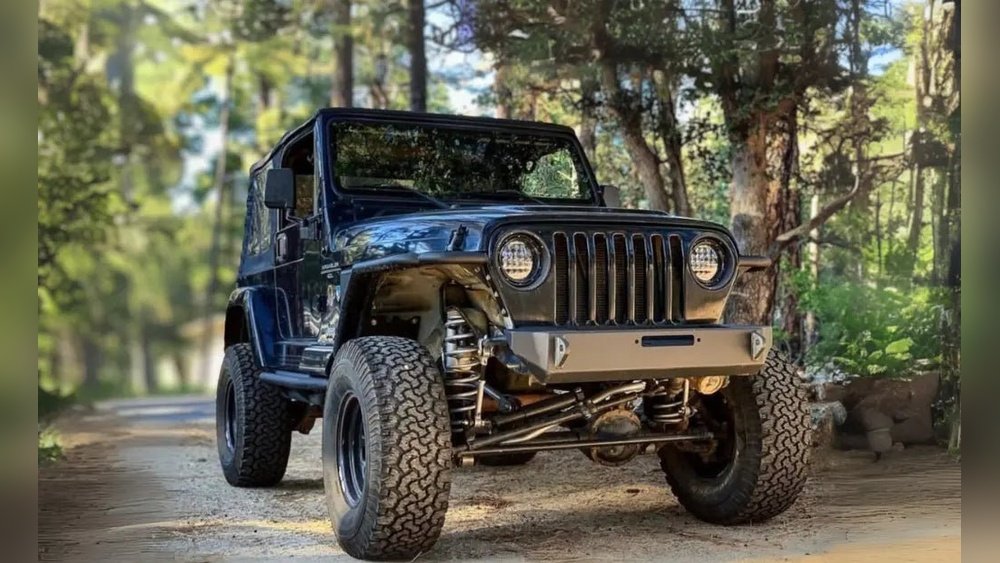
- Negative offset: The mounting surface is closer to the inside edge. The wheel sticks out more from the fender.
A wheel’s offset is important because it affects how far the wheels stick out, the way the Jeep handles, and if the tires will rub against the fenders or suspension parts.
Why Offset Matters For Stock Fenders
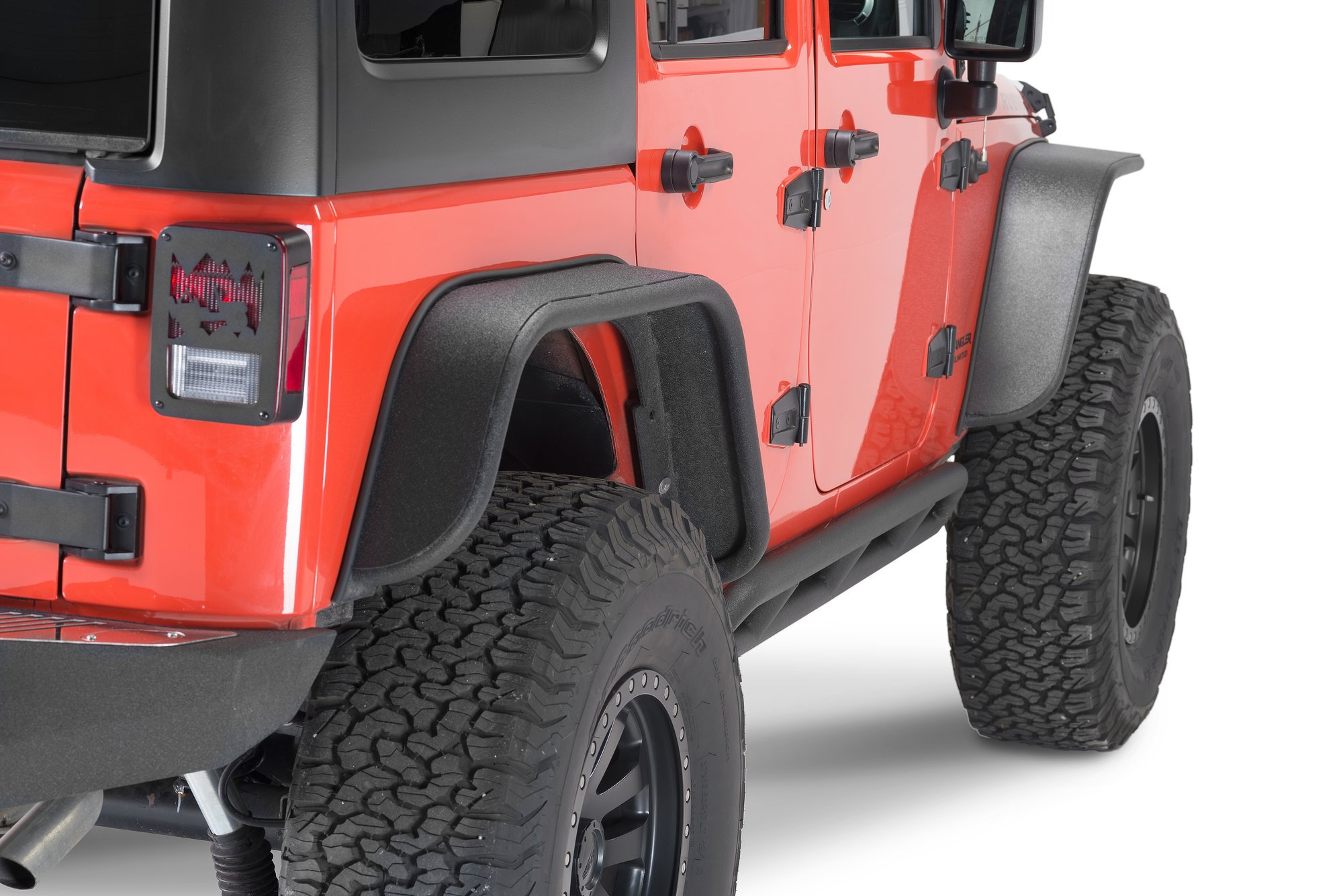
Stock fenders on a Jeep Wrangler are designed to work with the factory wheels and tires. If you change the wheels or use tires that are too wide, the tires can stick out past the fender or rub against the body, especially when turning or off-roading. The wrong offset can cause:
- Tire rubbing on fenders or suspension
- Legal issues if tires stick out too far
- Mud and debris thrown onto the body
- Poor handling or steering issues
- Premature wear of suspension parts
The right offset helps keep your wheels under the fender, protects your Jeep, and keeps your ride smooth.
Factory Offset Specifications For Jeep Wrangler
Understanding the stock specifications helps you choose the best offset for new wheels. Here’s a quick overview:
| Model | Year Range | Factory Wheel Size | Stock Offset (mm) | Bolt Pattern |
|---|---|---|---|---|
| Wrangler YJ | 1987–1995 | 15×7 | +30 to +32 | 5×4.5″ |
| Wrangler TJ | 1997–2006 | 15×7 / 15×8 | +25 to +32 | 5×4.5″ |
| Wrangler JK | 2007–2018 | 17×7.5 | +44.45 | 5×5″ |
| Wrangler JL | 2018–Present | 17×7.5 / 18×7.5 | +44.45 | 5×5″ |
Most stock Jeep Wrangler wheels have a positive offset between +25mm and +44.45mm. This keeps the wheels sitting inside the fenders.
How Offset Affects Fitment And Looks
Changing your wheel offset can make a big difference in appearance and performance. Here’s how different offsets affect your Jeep:
| Offset | Appearance | Potential Issues |
|---|---|---|
| High Positive Offset (+35mm or more) | Tucked under fenders | Less aggressive look, less risk of rubbing fenders |
| Stock Offset (+25mm to +44.45mm) | Flush with fenders | No rubbing with stock tires, safe handling |
| Low Positive / Zero Offset (0mm to +20mm) | Wheels stick out slightly | Possible fender poke, chance of rubbing with wider tires |
| Negative Offset (-12mm to 0mm) | Wheels stick out past fenders | High risk of rubbing, legal issues, extra stress on suspension |
If you want a wider stance or bigger tires, you need to balance offset with fender coverage. Too much negative offset can make your Jeep look cool but cause problems.
Best Offset Range For Jeep Wrangler With Stock Fenders
The ideal offset range depends on your tire width and whether you want to keep everything under the stock fenders. Here are some practical recommendations:
- If you are running factory wheels and tires: Stick with the stock offset (+44.45mm for JK/JL). This ensures zero rubbing and keeps the tires inside the fenders.
- If you want slightly wider tires (up to 33” x 11.5”): Look for wheels with +25mm to +35mm offset. This allows a slightly wider tire without rubbing at full turn or flex.
- If you want a more aggressive look but no rubbing: Go for a wheel with +12mm to +20mm offset. This gives a bit of poke but usually stays under the fender with up to 33” x 12.5” tires.
- Avoid negative offset wheels if you want to keep your stock fenders and avoid legal or rubbing issues.
Example: 17×8.5 Wheels With 33” Tires
Many Jeep owners upgrade to 17×8.5 wheels and 33” tires. The recommended offset to keep everything under stock fenders is +18mm to +25mm. This setup fits well, avoids rubbing, and gives a slightly wider stance.
Common Mistakes When Choosing Wheel Offset
Many new Jeep owners make errors when changing wheels. Here are mistakes to avoid:
- Choosing too much negative offset. This can cause tires to stick out past the fenders, leading to rubbing and legal problems.
- Forgetting about backspacing. Offset and backspacing are related, but not the same. Too little backspacing (too much negative offset) means more stress on suspension.
- Not considering tire width. A wide tire on a low-offset wheel will stick out even more.
- Ignoring local laws. Some states require tires to be covered by fenders.
- Assuming all Wrangler models are the same. Each generation has different specs.
A good rule: If you are not sure, stay close to the factory offset, especially with stock fenders.
How To Measure And Calculate Offset
If you are upgrading wheels, it helps to understand how to measure and compare offset and backspacing:
- Offset (mm): The distance from the wheel’s center line to the mounting surface.
- Backspacing (inches): The distance from the mounting surface to the back edge of the wheel.
You can convert backspacing to offset and vice versa, but most modern wheels show both. Always check both numbers before buying.
Simple Offset Calculation Example
Suppose you have a 17×8.5” wheel with a +18mm offset:
- The center of an 8.5” wide wheel is 4.25”.
- +18mm is about 0.71”.
- So the mounting surface is 4.25” + 0.71” = 4.96” from the back edge (backspacing).
If your stock wheels have 6. 25” backspacing (+44. 45mm offset), the new wheels will stick out about 1. 3” more.
Real-world Examples: Offsets That Work
Let’s look at what many Jeep owners use for popular wheel and tire upgrades with stock fenders:
- JK/JL on 33×12.5R17 tires: 17×8.5” wheels, +18mm to +20mm offset, no rubbing, tires stay close to the edge of stock fenders.
- JK/JL on 35×12.5R17 tires: 17×9” wheels, +12mm offset, minor fender poke. Some rubbing may occur at full turn or flex—trimming or flat fenders may be needed.
- TJ/LJ on 32×11.5R15 tires: 15×8” wheels, +15mm to +25mm offset, good fit under stock flares.
- YJ on 31×10.5R15 tires: 15×8” wheels, +20mm offset, no rubbing.
Keep in mind, suspension lifts or changes in tire tread (like mud terrains) can affect fitment.
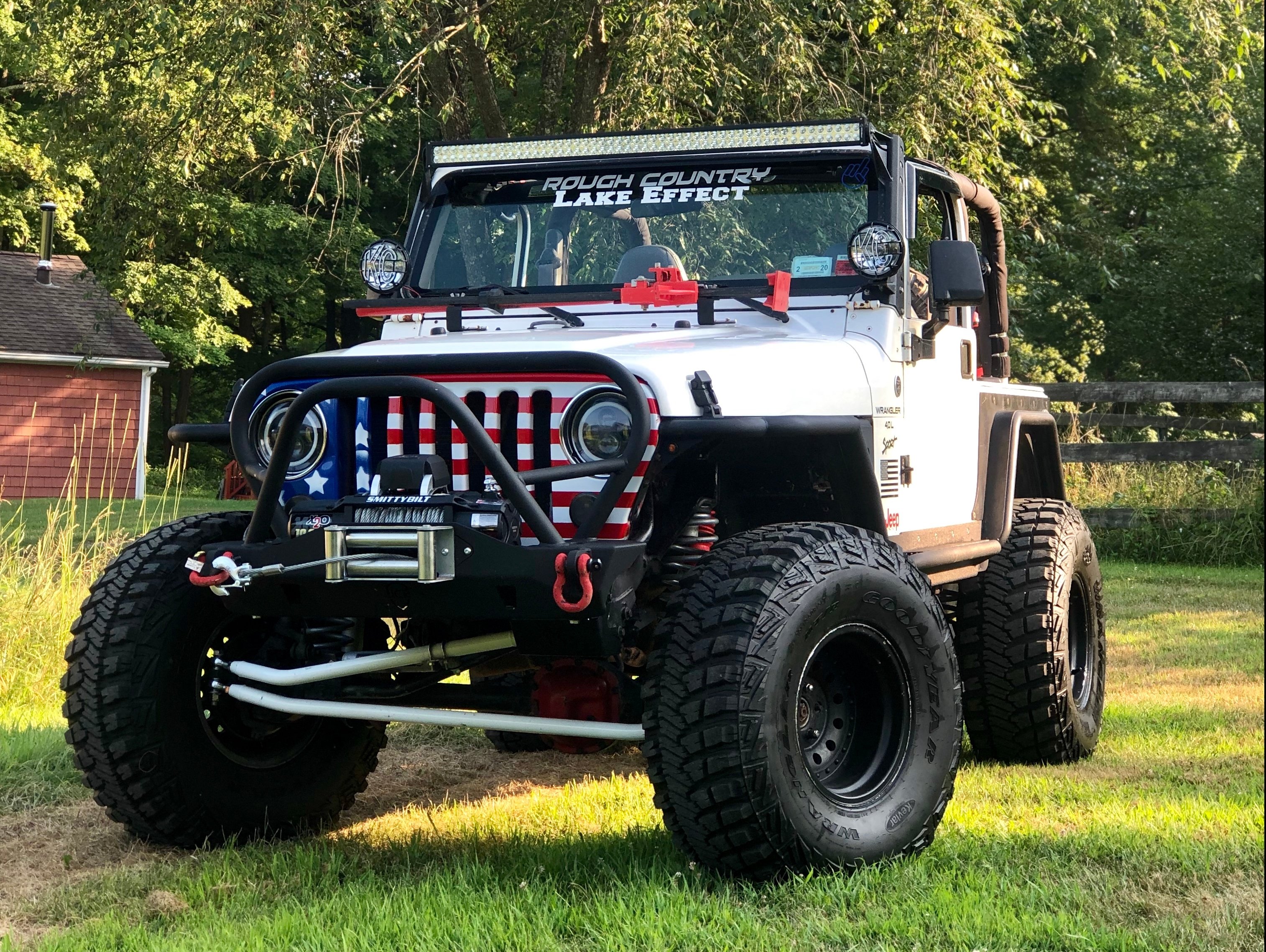
Offset, Suspension Lifts, And Fender Clearance
Adding a lift kit to your Wrangler changes the dynamics. While a lift gives more vertical clearance, it does not affect how far tires stick out. The offset still matters for fender coverage and avoiding contact when the suspension flexes.
A common misunderstanding is thinking a lift will “fix” rubbing from the wrong offset. In reality, if your wheels stick out too far, the tires will still hit the fenders when you turn or flex off-road. Always check for clearance at full steering lock and full suspension compression.
Legal And Safety Considerations
Some states in the US have laws that require tires to be covered by the fenders. If your tires stick out too far, you could get a ticket or fail inspection. Tires sticking out also throw rocks, mud, and water on your Jeep and other cars.
From a safety perspective, too much negative offset increases stress on suspension and bearings. It can also make your Jeep handle poorly, especially at high speed. Always choose an offset that keeps most of the tire under the stock fender for the best mix of looks and safety.
Practical Tips For Choosing The Right Offset
- Measure your current setup. Use a straight edge and ruler to see how much space you have between the tire and fender.
- Check wheel specs before buying. Don’t trust just “universal fit” labels. Look for the exact offset and backspacing numbers.
- Test fit if possible. Many tire shops will help you test fit a wheel and tire before you buy.
- Ask other Jeep owners. Forums and local clubs are great sources of real-world setups that work.
- Stay close to factory offset if you want to avoid problems.
- Remember wider tires + low offset = more poke. If you go with wide tires, stick to a higher positive offset.
Comparison: Stock Vs. Aftermarket Wheel Offset
Here’s a quick side-by-side for Wrangler JL (2018+):
| Setup | Wheel Size | Offset (mm) | Tire Coverage | Rubbing Risk |
|---|---|---|---|---|
| Stock | 17×7.5 | +44.45 | Fully covered | None |
| Mild Upgrade | 17×8.5 | +25 | Almost fully covered | Very low |
| Aggressive | 17×9 | +12 | Edge of fender or slight poke | Low-moderate (at full turn/flex) |
| Extreme | 17×9 | 0 | Tires stick out | High |
This shows how offset changes affect your tire position and fitment.
Two Insights Many Beginners Miss
- Changing offset changes your scrub radius. This affects how your Jeep steers and how much force is on your suspension. A big offset change can make the Jeep feel different on the road, especially at high speed.
- Offset affects wheel bearing life. Wheels that stick out far (low or negative offset) put extra load on your bearings and can wear them out faster.
Most guides focus only on “will it rub,” but these hidden factors also matter for long-term reliability.
Where To Find Official Wheel Specs
Always check your Jeep’s manual or trusted resources for factory specs. For deep technical details, you can visit the Jeep official website.

Frequently Asked Questions
What Is The Best Offset For 33-inch Tires On A Stock Jeep Wrangler?
For 33-inch tires on a stock Wrangler, a wheel with +18mm to +25mm offset works best. This keeps the tires close to the fender edge and avoids rubbing during normal driving.
Can I Use Negative Offset Wheels With Stock Fenders?
It is not recommended. Negative offset wheels make the tires stick out, increasing the risk of rubbing, legal issues, and suspension wear. If you want to keep stock fenders, stick with a positive offset.
Will A Suspension Lift Let Me Use Any Offset I Want?
No. A lift only raises your Jeep, giving more vertical clearance. The offset still controls how far the tires stick out. Too much poke will still rub or stick out past the fenders.
How Do I Check If My New Wheels Will Rub?
Measure your existing clearance at full turn and full suspension flex. Compare the new wheel’s offset and backspacing to your current setup. If the new wheels move the tires out more than 1 inch, be careful—rubbing is likely.
What Happens If My Tires Stick Out Past The Fenders?
You may face legal problems in some states, get more road debris on your Jeep, and risk damaging your paint. Handling can also change. It’s best to keep tires under the fenders for safety and looks.
The right wheel offset is key to a Wrangler that looks great, drives well, and keeps you out of trouble. With the right info, you can upgrade your wheels confidently and enjoy every mile—on-road or off.