Are Wheel Spacers Safe For Jeep Owners?
Many Jeep owners want to improve their vehicle’s look, stance, or off-road capability. One popular upgrade is wheel spacers.
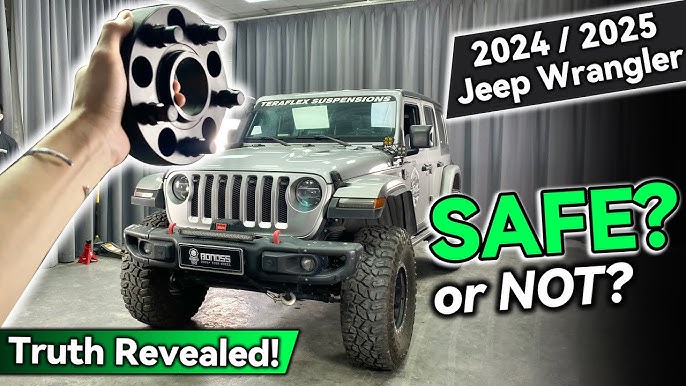
These devices fit between the hub and the wheel, pushing wheels outward. But are wheel spacers actually safe for Jeep use?
This article breaks down the facts, risks, and smart practices to help you make a confident decision.
What Are Wheel Spacers?
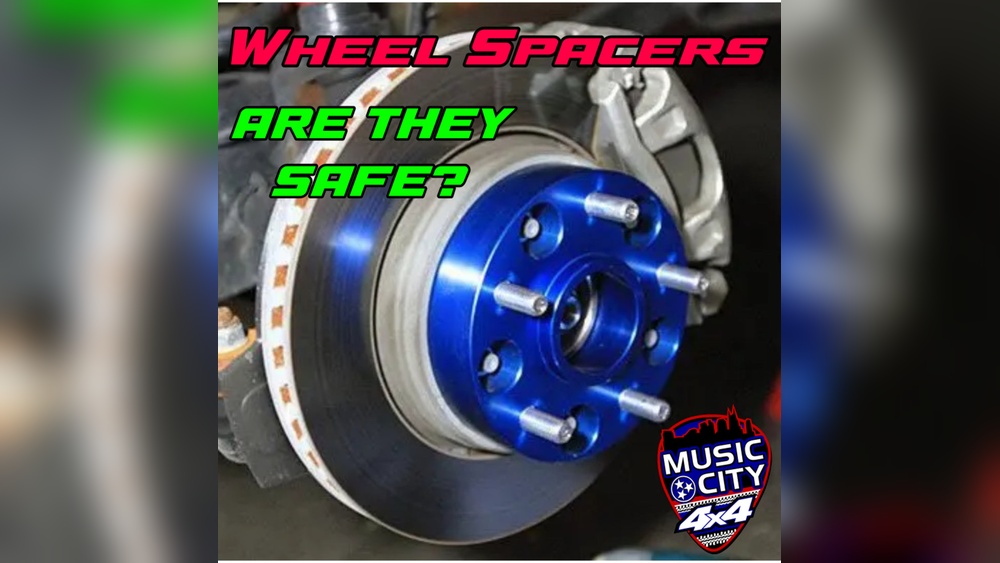
Wheel spacers are metal discs, usually made of aluminum or steel, that sit on your Jeep’s wheel hub. They come in various thicknesses, from 0.25 to 2 inches. By pushing your wheels outward, spacers change the track width—how far apart your wheels are.
A wider track can:
- Make the Jeep look more aggressive
- Improve stability on uneven terrain
- Allow bigger tires without rubbing
However, not all spacers are created equal. Cheap or poorly made spacers can bring problems that outweigh any benefits.
Safety Factors To Consider
The safety of wheel spacers depends on several key factors:
1. Quality And Material
High-quality spacers use billet aluminum or forged steel. Low-quality spacers may crack or deform under stress.
- Bolt-On vs. Slip-On
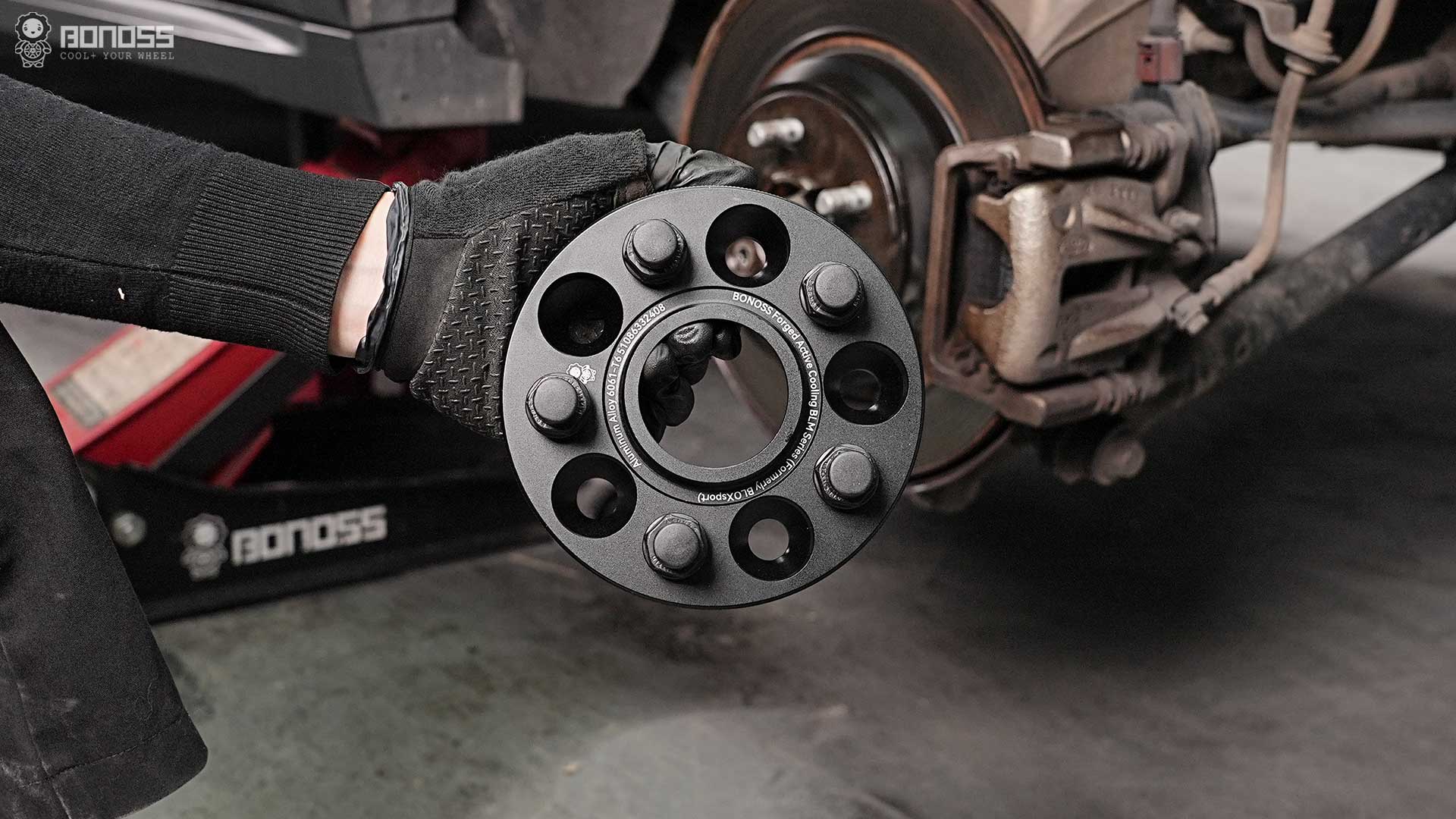
- Bolt-on spacers attach securely and include their own studs.
- Slip-on spacers slide over existing studs, which can be risky if your studs are too short.
- Correct Installation
Spacers must be installed with proper torque. Under-tightened or over-tightened bolts can lead to wheel failure.
4. Thickness
Too thick spacers increase stress on the wheel bearings and suspension. Most experts suggest no more than 1.5 inches for Jeeps.
5. Hub-centric Design
Hub-centric spacers fit perfectly onto the hub, centering the wheel. Lug-centric spacers rely on bolts alone, which can shift and cause vibration.
Here’s a quick comparison:
| Type | Safety | Common Issues |
|---|---|---|
| Bolt-On | High (if quality) | Improper torque, cheap material |
| Slip-On | Medium to Low | Short studs, poor fit, vibration |
Real-world Risks
Wheel spacers change the geometry of your Jeep. This affects several systems:
- Steering and Handling:
Wider stance can improve cornering, but may also increase steering effort.
- Suspension Wear:
Spacers place extra force on wheel bearings and suspension parts. Over time, this can cause premature failure.
- Brake Clearance:
Some spacers help clear bigger brakes, but wrong fitment can lead to brake issues.
- Legal Issues:
In some US states, wheel spacers are illegal or must meet strict standards.
A study by the National Highway Traffic Safety Administration found that most wheel spacer failures come from improper installation or poor-quality parts—not the spacer design itself.
Benefits Of Wheel Spacers For Jeeps
Despite risks, many Jeep owners use wheel spacers without issues. When chosen and installed correctly, spacers can:
- Improve Off-Road Stability:
Wider track helps prevent rollovers on trails.
- Fit Larger Tires:
Spacers can solve rubbing problems after a lift.
- Enhance Appearance:
Many like the aggressive, wide stance.
Example:
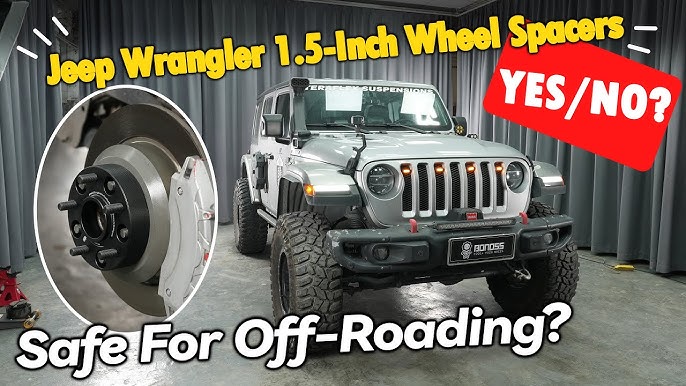
A Jeep Wrangler owner added 1-inch hub-centric, bolt-on spacers. After 40,000 miles, no issues appeared, but regular checks were vital.
Common Mistakes To Avoid
Many beginners overlook these points:
1. Ignoring Stud Length:
Using slip-on spacers without longer studs can cause wheels to fall off.
2. Skipping Torque Checks:
Bolts should be retorqued after 50 miles, then checked regularly.
3. Buying Cheap Parts:
Saving money on spacers is risky. Cheap alloys can crack under heavy loads.
4. Over-thick Spacers:
Spacers over 2 inches stress suspension and may void warranties.
5. Wrong Centering:
Lug-centric spacers often cause vibration. Always choose hub-centric for Jeeps.
| Spacer Thickness | Effect on Jeep | Recommended Use |
|---|---|---|
| 0.5 – 1 inch | Minor stance change, minimal stress | Daily driving, light off-road |
| 1 – 1.5 inch | Clearance for larger tires, moderate stress | Off-road, lifted Jeeps |
| 2+ inch | Major stress, potential safety issues | Not recommended |
Maintenance And Inspection Tips
Wheel spacers need regular checks. Here’s what Jeep owners should do:
- Inspect spacers and bolts every oil change
- Retorque bolts after 50 miles of driving
- Look for cracks, corrosion, or looseness
- Check wheel bearings for unusual noise or play
Most problems show up early, so frequent checks help prevent failures.
Expert Advice And Data
Many professional Jeep shops recommend hub-centric, bolt-on spacers no thicker than 1.5 inches for most Jeeps. According to a survey by JeepForum, 82% of owners with quality, properly installed spacers had no issues after 2 years. Problems mostly came from poor installation or cheap brands.
For detailed safety information, see NHTSA.
Frequently Asked Questions
Are Wheel Spacers Legal For Jeeps In The Us?
Laws vary by state. Some states allow spacers if they meet SAE standards. Others ban them outright. Always check local regulations before installing.
Will Wheel Spacers Void My Jeep’s Warranty?
In many cases, yes. If spacers cause damage, the manufacturer may deny warranty claims. Always ask your dealer before making changes.
Can Wheel Spacers Cause Vibrations?
Yes, especially if they are lug-centric or poorly made. Hub-centric spacers reduce vibration risk, but improper installation can still cause problems.
How Thick Should Wheel Spacers Be For Safe Jeep Use?
Most experts recommend staying under 1.5 inches. Thicker spacers increase stress on suspension and bearings.
Do Wheel Spacers Affect Off-road Performance?
They can improve stability and tire clearance, but may stress suspension parts. Proper installation and routine checks are important for safe off-road use.
Wheel spacers can be safe for Jeeps if you choose quality parts, install them correctly, and check them regularly. The right spacer can improve both looks and off-road ability, but poor choices or mistakes can be dangerous.
Take time to research brands, follow expert advice, and never skip maintenance.
With careful attention, you can enjoy the benefits while keeping your Jeep safe and reliable.