When you drive your Jeep and notice it swaying side to side, it can feel unsettling. This movement is more than just a comfort issue—it signals a problem that needs attention.
Whether you drive on highways or rough trails, understanding why your Jeep sways can keep you safe and protect your vehicle from further damage.
What Causes Jeep Swaying Side To Side?
Side-to-side swaying is not normal. It usually points to issues with your suspension, steering components, or even tire problems. Let’s break down the most common causes:
1. Worn Suspension Components
The suspension helps keep your Jeep stable. If parts like shocks, struts, or bushings wear out, they lose their ability to control movement. This can make your Jeep sway, especially during turns or over bumps.
- Shocks and Struts: When these are worn, your Jeep won’t absorb movement well. This leads to bouncing and swaying.
- Bushings: These small rubber parts cushion metal parts. If they crack or wear, you’ll feel more movement and noise.
2. Loose Steering Parts
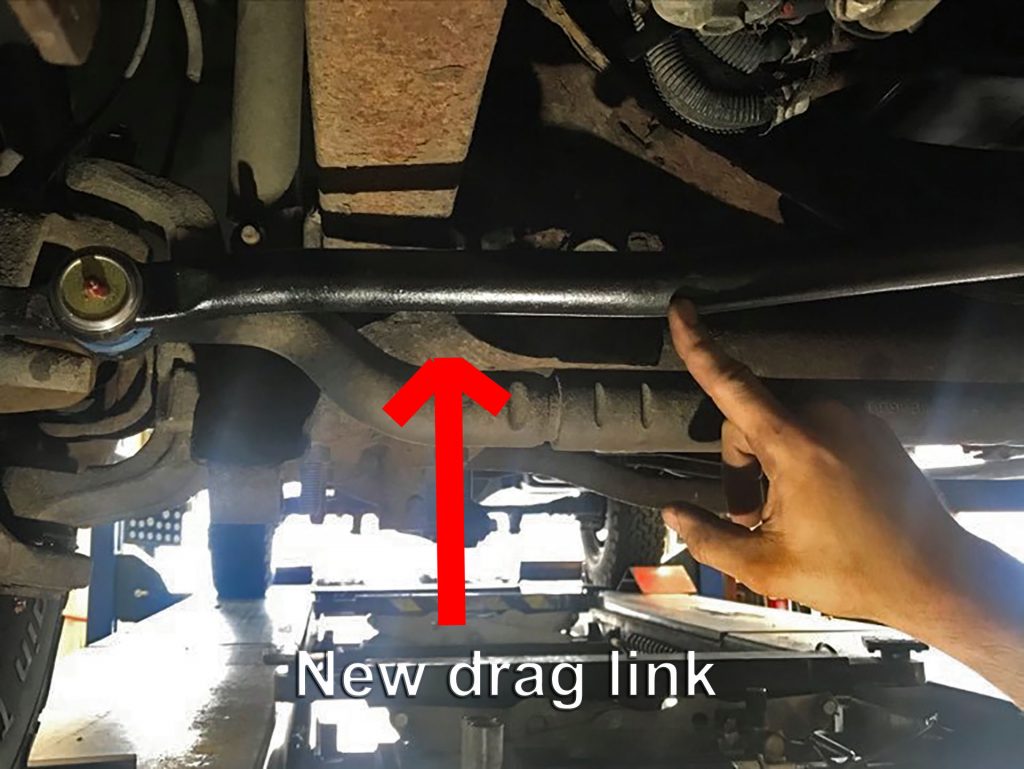
Your Jeep’s steering system connects the wheels to your controls. If parts like the tie rods or ball joints are loose, your Jeep can wander or sway.
- Tie Rod Ends: They keep your wheels aligned. If they’re loose, your Jeep can move side to side unexpectedly.
- Ball Joints: These allow your wheels to pivot. When worn, they cause instability and swaying.
3. Improper Tire Pressure Or Size
Tires play a big role in stability. Wrong tire pressure or mismatched tire sizes can make your Jeep sway.
- Too low pressure can make tires soft, increasing movement.
- Uneven tire sizes or worn tread can cause your Jeep to pull or sway.
4. Faulty Sway Bar Or Sway Bar Links
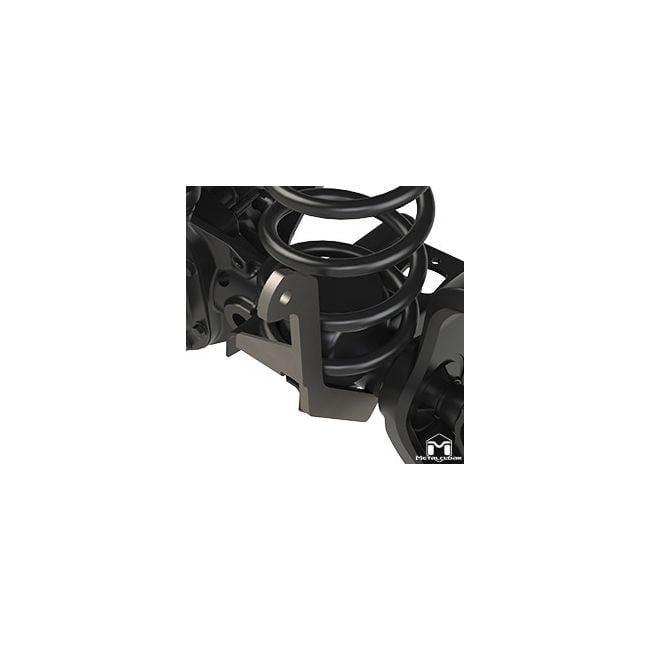
The sway bar connects both sides of your suspension. It reduces body roll and helps keep your Jeep steady.
- If the sway bar or its links break, your Jeep will sway more in turns.
- Off-road modifications sometimes remove sway bars for flexibility, but this increases sway on roads.
5. Alignment Issues
Bad wheel alignment means your Jeep’s wheels aren’t pointing in the right direction. This can cause swaying, uneven tire wear, and poor handling.
| Common Cause | Typical Symptoms | Repair Cost Estimate |
|---|---|---|
| Worn shocks/struts | Bouncing, swaying | $150–$400 per axle |
| Loose tie rods | Steering wander | $100–$250 |
| Faulty sway bar | Body roll, swaying | $75–$200 |
| Alignment issue | Pulling, uneven wear | $70–$120 |
How To Diagnose Swaying In Your Jeep
You don’t need to be a mechanic to spot problems. Here’s how you can check for sway causes:
- Check Tire Pressure: Use a gauge to check all tires. Adjust to Jeep’s recommended PSI (usually 35–40 PSI).
- Look at Tire Tread: Uneven or worn tread can cause swaying. Replace tires if they’re badly worn.
- Inspect Suspension: Look for leaking shocks or cracked bushings under the vehicle.
- Test Steering Play: With the engine off, turn the steering wheel back and forth. Excessive movement means something is loose.
- Drive Test: On a straight road, let go of the wheel briefly (only if safe). If your Jeep pulls or sways, it’s likely an alignment or steering issue.
| Test | What You Learn | How Often |
|---|---|---|
| Tire pressure check | Find soft tires | Monthly |
| Visual suspension check | Spot leaks or damage | Every 6 months |
| Steering play test | Identify loose parts | Quarterly |
| Drive test | Check real-world handling | When issues arise |
Fixing Jeep Sway: What Should You Do?
Some repairs are simple, while others need a professional. Here’s a quick guide:
- Adjust Tire Pressure: Use a pump and gauge. This is fast and often solves minor sway.
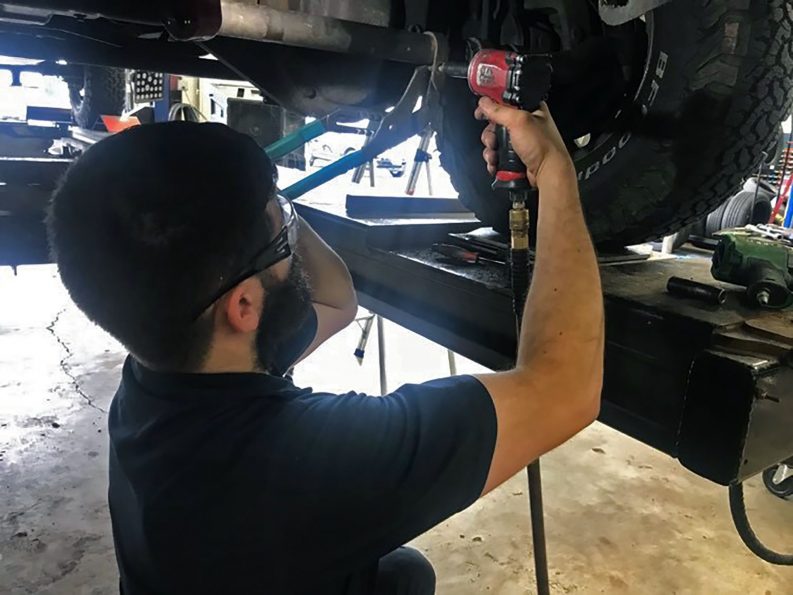
- Replace Worn Parts: Shocks, struts, and bushings are common DIY fixes if you have tools.
- Get an Alignment: This is best done at a shop. It improves handling and tire life.
- Check Sway Bar Links: If broken, replace them. You’ll notice a big difference in stability.
- Consult a Mechanic: If you’re unsure, always get a professional inspection.
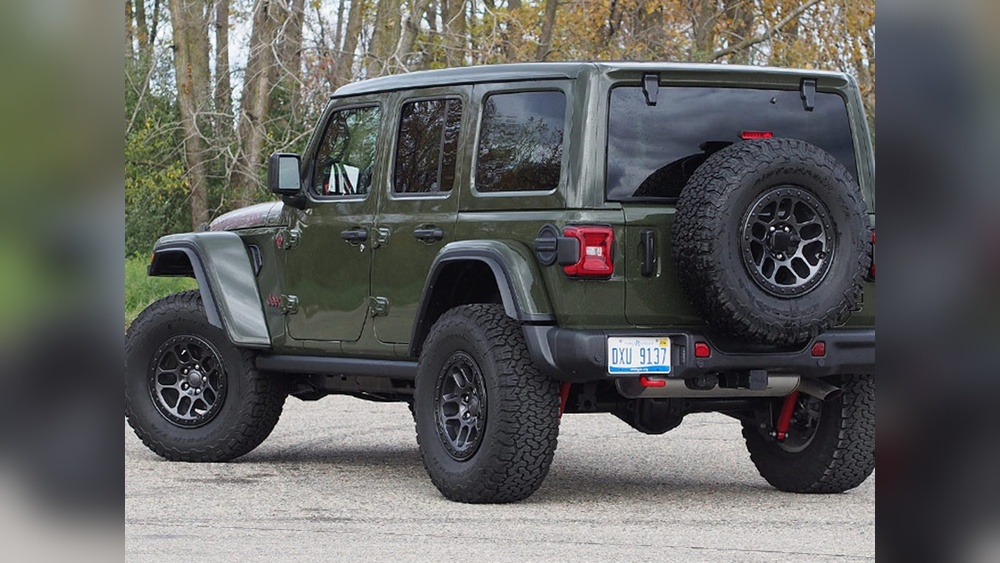
Many Jeep owners overlook the sway bar during repairs. This is a mistake because even a small problem here can cause major swaying. Another detail—aftermarket lift kits often change suspension geometry, making swaying worse unless they’re installed carefully.
Prevention Tips For Sway Problems
Keeping your Jeep stable starts with regular checks. Here are some practical tips:
- Inspect Suspension Yearly: Catch problems early before they cause swaying.
- Rotate Tires Every 5,000 Miles: This keeps wear even and handling predictable.
- Avoid Cheap Aftermarket Parts: Low-quality suspension or steering parts may not last.
- Balance Tires When Replacing: Unbalanced tires can make your Jeep sway at certain speeds.
- Follow Jeep’s Maintenance Schedule: Stick to the owner’s manual for best results.
It’s also smart to check your Jeep after off-roading. Rocks and bumps can loosen parts, causing sway later.
| Action | Benefit | Frequency |
|---|---|---|
| Suspension inspection | Catch early issues | Yearly |
| Tire rotation | Even tire wear | 5,000 miles |
| Balance tires | Reduce vibration | When replacing tires |
| Check sway bar | Improve stability | After off-roading |
When To Seek Professional Help
If you’ve checked your Jeep and still can’t find the cause, or if the sway gets worse, it’s time for a mechanic. Driving a swaying Jeep is dangerous—it can lead to loss of control, especially at highway speeds or during emergency maneuvers.
A mechanic can use tools to check alignment, suspension, and steering for hidden issues. For more technical details, visit the Wikipedia Suspension Article.
Frequently Asked Questions
What Are The Most Common Causes Of Jeep Swaying?
The top causes are worn shocks, loose tie rods, bad alignment, and faulty sway bars. Tire issues and suspension wear are also frequent.
Is It Safe To Drive With A Swaying Jeep?
No. Swaying means your Jeep is unstable. It can get worse quickly, leading to accidents. Get it checked as soon as possible.
Can Aftermarket Lift Kits Cause Swaying?
Yes, if not installed correctly. Lift kits change suspension geometry. This can cause more sway unless you upgrade other parts like sway bars and shocks.
How Much Does It Cost To Fix Jeep Swaying?
Costs range from $70 for a simple alignment to $400 or more for suspension repairs. It depends on which parts are damaged.
How Can I Prevent Jeep Sway In The Future?
Follow regular maintenance, check suspension and tires, and avoid cheap parts. If you go off-road, inspect your Jeep afterwards for loose or broken components.
Even a small sway problem can turn into something bigger. By checking your Jeep regularly and fixing issues early, you keep your ride safe and enjoyable. If the swaying doesn’t go away, don’t risk your safety—get professional help.