If you own a Jeep Wrangler or are considering buying one, you may wonder about its suspension system, especially the number of ball joints it uses. Ball joints play a vital role in your vehicle’s steering and suspension, connecting the steering knuckles to the control arms.
Knowing how many ball joints your Jeep has—and their function—can help you maintain your Wrangler for safe and smooth driving.
Understanding Ball Joints
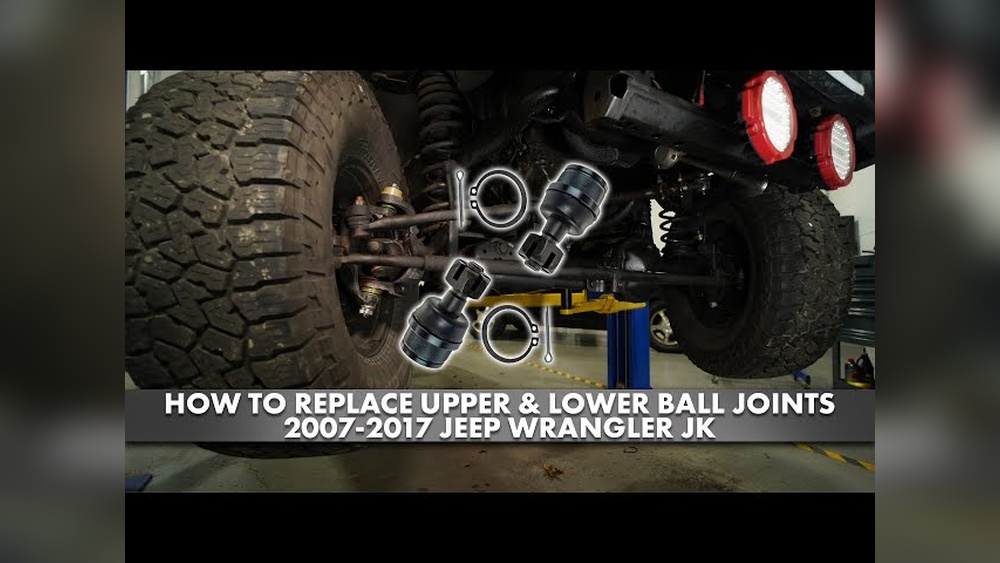
A ball joint is a pivot point that allows the wheels to move up and down while also enabling them to turn left or right. Think of it as a flexible socket, similar to your shoulder joint, but made for your vehicle’s suspension. Ball joints are essential because they:
- Support the vehicle’s weight
- Allow steering movement
- Help absorb shocks from the road
Most vehicles, including the Jeep Wrangler, use upper and lower ball joints on each front wheel.
How Many Ball Joints Does A Jeep Wrangler Have?
The standard Jeep Wrangler (YJ, TJ, JK, and JL models) has four ball joints—two on each front wheel. Here’s how they’re arranged:
| Location | Number of Ball Joints | Type |
|---|---|---|
| Front Left Wheel | 2 | Upper & Lower |
| Front Right Wheel | 2 | Upper & Lower |
| Rear Wheels | 0 | — |
Key insight: Rear wheels on the Wrangler do not have ball joints because they do not steer. Only the front suspension uses them.
Why Only Four Ball Joints?
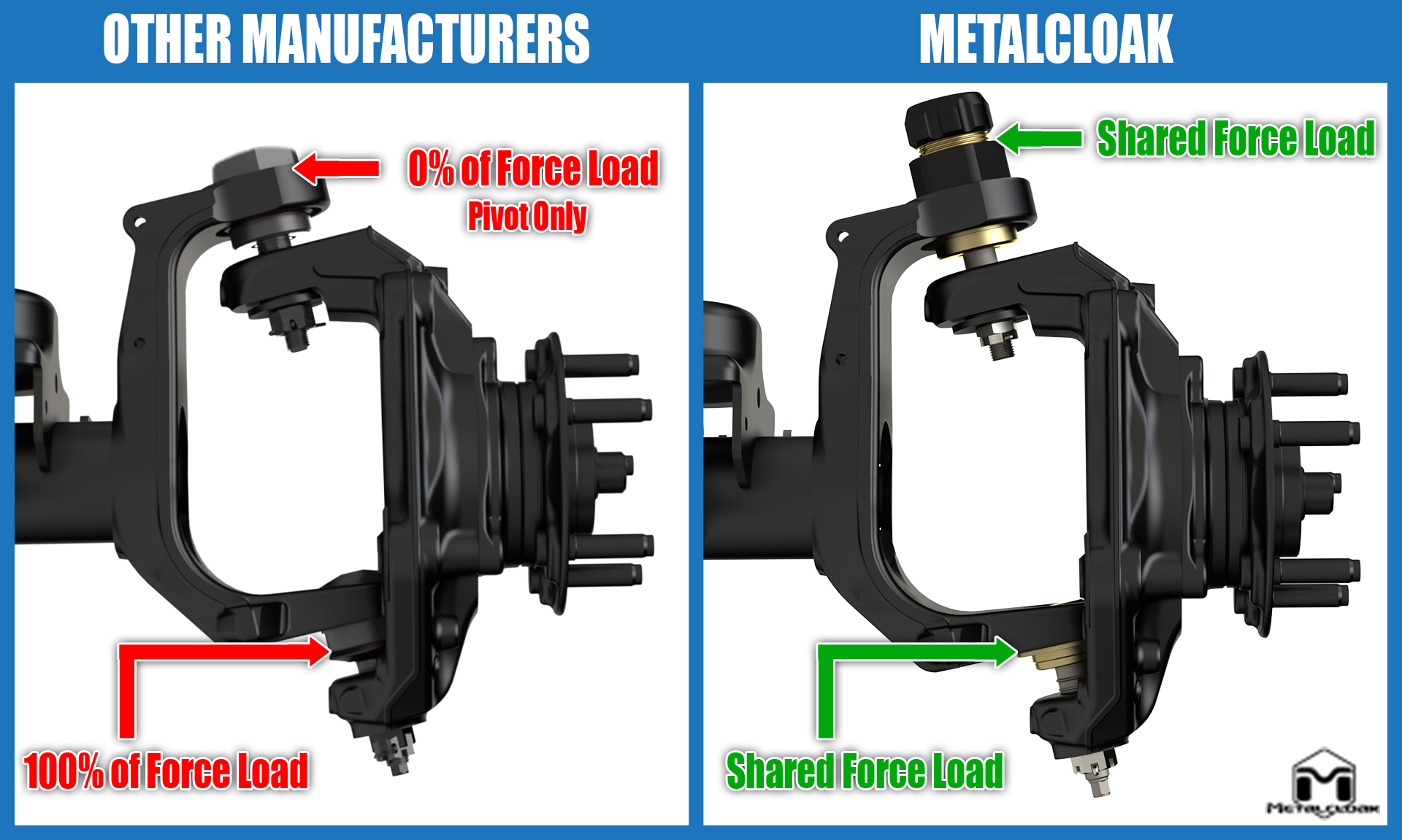
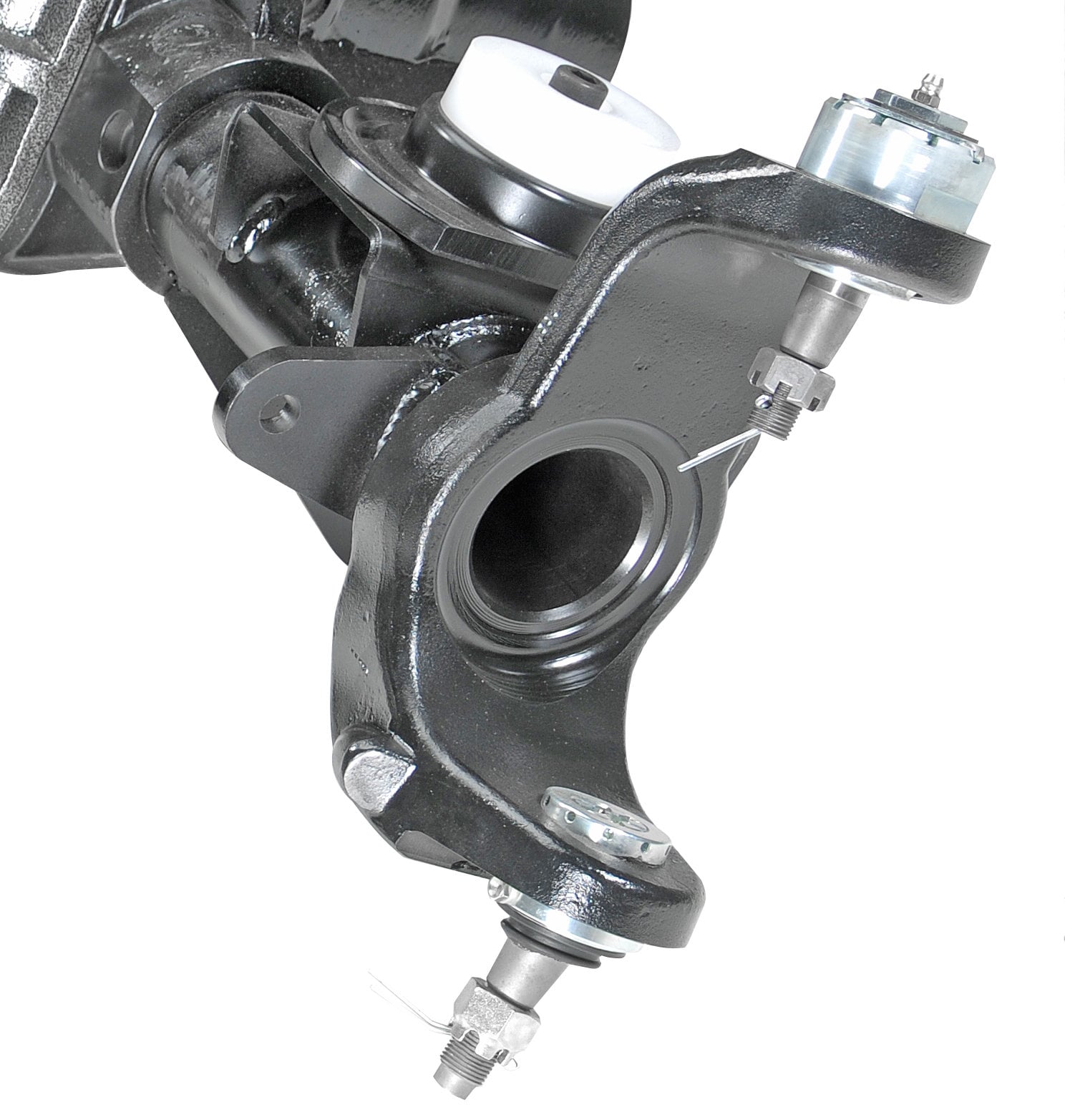
The Jeep Wrangler uses a solid front axle (Dana 30 or Dana 44, depending on the model). This axle design requires just two ball joints per side—an upper and a lower. These ball joints hold the knuckle to the axle, letting the wheels turn while supporting the vehicle’s weight.
Some cars with independent front suspension may use more ball joints, but the Wrangler’s solid axle keeps things simple and strong, which is perfect for off-roading.
Comparing Wrangler Ball Joints With Other Vehicles
Not all vehicles use the same number of ball joints. Let’s compare the Wrangler with a few common types:
| Vehicle Type | Front Ball Joints (per side) | Rear Ball Joints (per side) | Total Ball Joints |
|---|---|---|---|
| Jeep Wrangler (Solid Axle) | 2 | 0 | 4 |
| Typical Sedan (Independent Suspension) | 1-2 | 0-2 | 2-8 |
| Pickup Truck (Solid Axle) | 2 | 0 | 4 |
You can see that solid axle vehicles like the Wrangler often have fewer ball joints, making them simpler to maintain.
Ball Joint Function And Maintenance
Ball joints are wear-and-tear parts. Over time, they can become loose or develop play, which leads to steering problems, uneven tire wear, and even safety risks.
Signs Of Worn Ball Joints
Watch for these symptoms:
- Clunking noises when driving over bumps
- Steering wander or vibration
- Uneven tire wear
- Loose or shaky steering
If you experience these, it’s time to have your ball joints checked.
Wrangler-specific Ball Joint Tips
- Check ball joints every 30,000 miles, especially if you drive off-road.
- Use high-quality replacement parts—cheap ball joints may fail sooner.
- Upgraded or heavy-duty ball joints are recommended for Wranglers with lift kits or oversized tires.
Non-obvious insight: Many beginners think only the lower ball joint wears out, but on the Wrangler, upper and lower joints wear at similar rates due to the heavy front axle.
Replacing Ball Joints On A Jeep Wrangler
Replacing ball joints on a Wrangler is a labor-intensive job but can be done at home with the right tools. Here’s a basic outline:
- Lift the Jeep and remove the front wheels.
- Remove the brake caliper and rotor.
- Take off the hub assembly and axle shaft.
- Unbolt the steering knuckle from the axle (removing both upper and lower ball joints).
- Press out the old ball joints (a ball joint press is needed).
- Install new ball joints and reassemble.
This job can take 2-4 hours for someone with experience.
Practical tip: Always replace both upper and lower ball joints on a side at the same time. Mixing old and new can cause uneven wear and steering issues.
Cost Of Ball Joint Replacement
Ball joint replacement for a Jeep Wrangler generally costs:
- Parts: $100–$200 for a pair (upper and lower per side)
- Labor: $200–$400 per axle at a shop
Upgraded heavy-duty ball joints can cost more but may last much longer, especially if you off-road often.
Ball Joint Upgrades For Off-roading
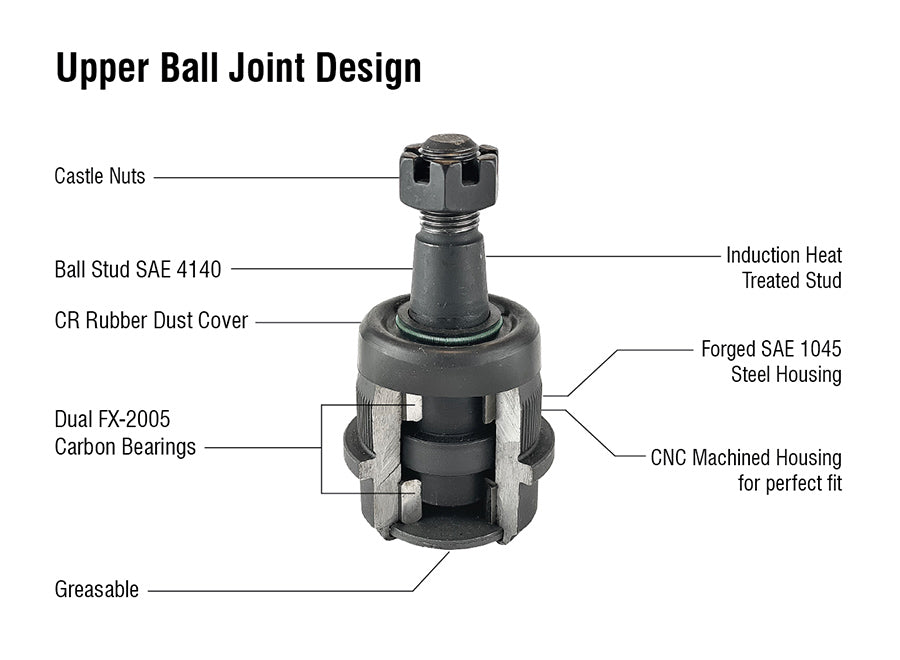
If you use your Wrangler for rock crawling or frequent off-roading, consider upgraded ball joints made from stronger materials, like chromoly steel. These resist wear and handle bigger tires and rough terrain better than stock parts.
Another overlooked detail: Some upgraded ball joints are greasable, letting you add fresh grease and extend their life. Stock ball joints are often sealed and cannot be maintained this way.
Frequently Asked Questions
How Many Ball Joints Does A Jeep Wrangler Jl Have?
The Jeep Wrangler JL (2018 and newer) uses four ball joints—two on each front wheel (upper and lower). The rear wheels do not use ball joints.
Are All Wrangler Models The Same?
Most Wrangler models (YJ, TJ, JK, JL) use the same solid front axle design and have four ball joints. However, always check your owner’s manual for your specific model year.
Do Rear Wheels Have Ball Joints?
No, the rear wheels of the Jeep Wrangler do not use ball joints. The rear axle is solid and does not need to steer.
How Long Do Wrangler Ball Joints Last?
On average, Wrangler ball joints last 70,000 to 100,000 miles with normal driving. Off-road use, large tires, or poor maintenance can shorten this lifespan.
Where Can I Learn More About Ball Joints?
To understand more about how ball joints work in vehicles, visit the Wikipedia Ball Joint page for detailed explanations and diagrams.
Jeep Wranglers are famous for their tough suspension, and knowing about the four ball joints in the front can help you keep your vehicle in top shape. Regular checks and timely replacement will keep your Jeep safe, steady, and ready for the next adventure.