Are There Any Recalls On 2017 Jeep Renegade
If you own a 2017 Jeep Renegade or plan to buy one, it's smart to check for recalls. Recalls are official notices from the manufacturer or government about safety or technical issues.
They can affect your driving, your wallet, and even your safety. Many drivers ignore recalls, but fixing them is usually free.
Let's look at the recall history, how it compares with other SUVs, and what you should do if your vehicle is affected.

Recall History For 2017 Jeep Renegade
The 2017 Jeep Renegade has several recalls registered with the National Highway Traffic Safety Administration (NHTSA). These recalls cover parts from electrical systems to brakes. Understanding each recall helps you stay safe and keep your vehicle reliable.
1. Instrument Panel Lighting Failure
Some Renegades had instrument panels that went dark. This made it hard to read speed, fuel, and warning lights. Dealers fixed this with a software update.
2. Brake System Hydraulic Failure
In rare cases, the brake system’s hydraulic control unit could malfunction, reducing braking power. Jeep replaced defective units free of charge.
3. Seat Belt Tensioner Fault
Certain models had seat belt tensioners that might fail in a crash. Owners received new seat belt assemblies.
4. Fuel Pump Relay Issue
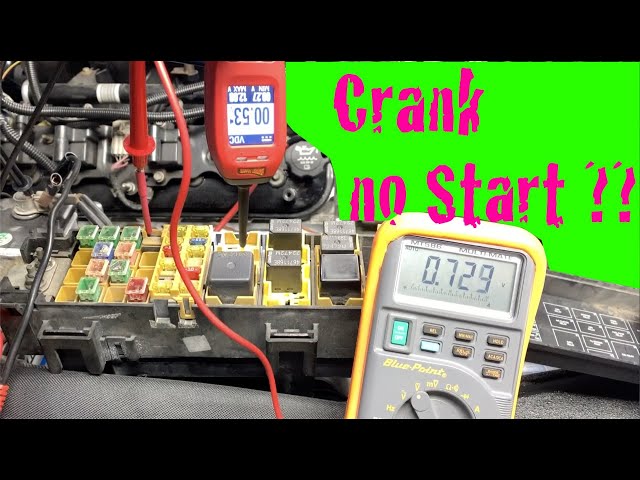
The fuel pump relay could fail, causing the engine to stall. Jeep replaced the relay or updated the wiring.
5. Headlight Wiring Defect
Faulty wiring sometimes caused headlights to flicker or turn off. Technicians repaired or replaced the affected wiring.
6. Steering Column Bolt Looseness
Some steering columns had loose bolts, risking loss of steering control. Dealers tightened or replaced the bolts.
7. Airbag Deployment Delay
A software glitch delayed airbag deployment in certain crash scenarios. Jeep updated the airbag control module.
8. Child Safety Lock Failure
Child safety locks on some doors failed to engage. Jeep repaired or replaced the lock mechanism.
9. Rear Suspension Arm Weakness
The rear suspension arm could crack, leading to loss of control. Jeep replaced weak arms with stronger parts.
10. Anti-lock Braking System (abs) Malfunction
ABS could fail unexpectedly, increasing stopping distance. Jeep updated the ABS software or replaced the module.
Comparing Recalls: Jeep Renegade Vs. Other Compact Suvs
How does the Jeep Renegade compare to other similar vehicles? Recalls are common in this segment, but some models have fewer issues.
| Model | Number of Recalls | Main Issues |
|---|---|---|
| 2017 Jeep Renegade | 10 | Electrical, brakes, seat belts |
| 2017 Honda HR-V | 4 | Fuel system, airbags |
| 2017 Ford Escape | 7 | Engine, doors, brakes |
| 2017 Toyota RAV4 | 3 | Seat belts, steering |
The Renegade has more recalls than most competitors. This doesn’t mean it’s unsafe, but you should check recall records before buying.
How To Check For Recalls On Your Jeep Renegade
Finding out if your Jeep Renegade is affected by a recall is easy. Here’s how:
1. Visit The Nhtsa Website
Go to the official NHTSA recall page. Enter your VIN (Vehicle Identification Number) to see all recalls for your car.
2. Contact Your Local Jeep Dealer
Dealers can check your VIN and schedule repairs for free.
3. Sign Up For Alerts
Register your vehicle with Jeep or NHTSA to get recall alerts.
You can also check recalls on NHTSA.gov, the official government site.
Recall Repair Process: What To Expect
If your 2017 Jeep Renegade is recalled, here’s what happens next:
- Notification
Jeep or NHTSA will send you a letter or email.
- Dealer Visit
Bring your car to a Jeep dealer. Repairs are free.
- Time Needed
Most repairs take a few hours. Some may require parts to be ordered, so expect possible delays.
- Record Keeping
Always keep repair receipts. This helps with warranty claims and resale.
| Recall Type | Repair Time | Cost |
|---|---|---|
| Software update | 30-60 minutes | Free |
| Parts replacement | 2-4 hours | Free |
| Complex repairs | 1-2 days | Free |
Common Mistakes Owners Make About Recalls
Many drivers miss recall notices or don’t take action. Here are two mistakes you should avoid:
1. Ignoring Recall Letters
Some owners think recalls are not urgent. This can lead to accidents or expensive repairs.
2. Not Checking Vin Regularly
Recalls can be announced years after a car is sold. Check your VIN every 6-12 months.
A less obvious tip: If you buy a used Renegade, ask the seller for recall repair receipts. This proves the car is safe and up-to-date.
Real-world Example: Recall Impact
In 2019, a driver reported their Renegade’s brakes failed while driving. The cause was a recall issue with the hydraulic control unit. After visiting the dealer, the car was fixed free of charge, and the driver noticed improved braking. This shows why checking recalls is important.
| Recall Issue | Reported Incidents | Resolution |
|---|---|---|
| Brake system failure | 32 | Unit replaced |
| Airbag delay | 8 | Software update |
| Fuel pump relay | 21 | Relay replaced |
Frequently Asked Questions
Is It Safe To Drive My 2017 Jeep Renegade If It Has A Recall?
Driving with an active recall can be risky. Get repairs done as soon as possible, especially for brakes or airbags.
How Much Does Recall Repair Cost For Jeep Renegade?
All recall repairs are free. Jeep and dealers cover parts and labor.
How Do I Know If My Jeep Renegade Is Affected?
Check your VIN on the NHTSA website or ask your Jeep dealer. You’ll see all recalls related to your vehicle.
Will Recalls Affect My Jeep’s Resale Value?
If recalls are fixed, resale value usually stays strong. Unfixed recalls can lower the price and scare buyers.
Can I Get A Rental Car While My Renegade Is Being Repaired?
For most recalls, rental cars are not provided. But for major repairs, dealers may offer a rental if parts are delayed.
Keeping your 2017 Jeep Renegade recall-free is key to safety and reliability. Check for recalls regularly, respond quickly, and keep records. Small steps can prevent big problems down the road.