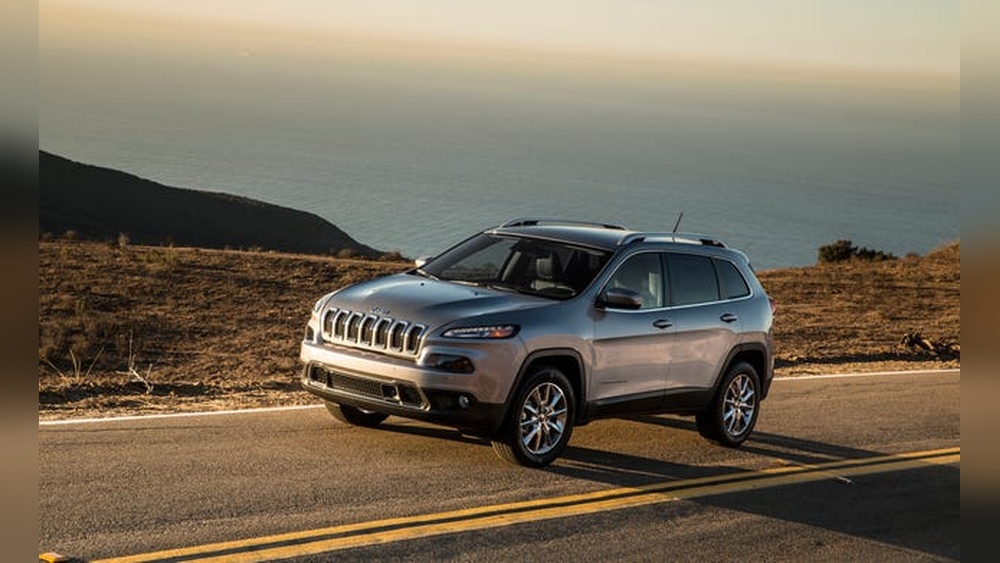
If you own a 2014 Jeep Cherokee or are thinking about buying one, understanding its recall history is essential. Vehicle recalls are safety alerts from manufacturers or the government when a problem could put drivers, passengers, or others at risk.
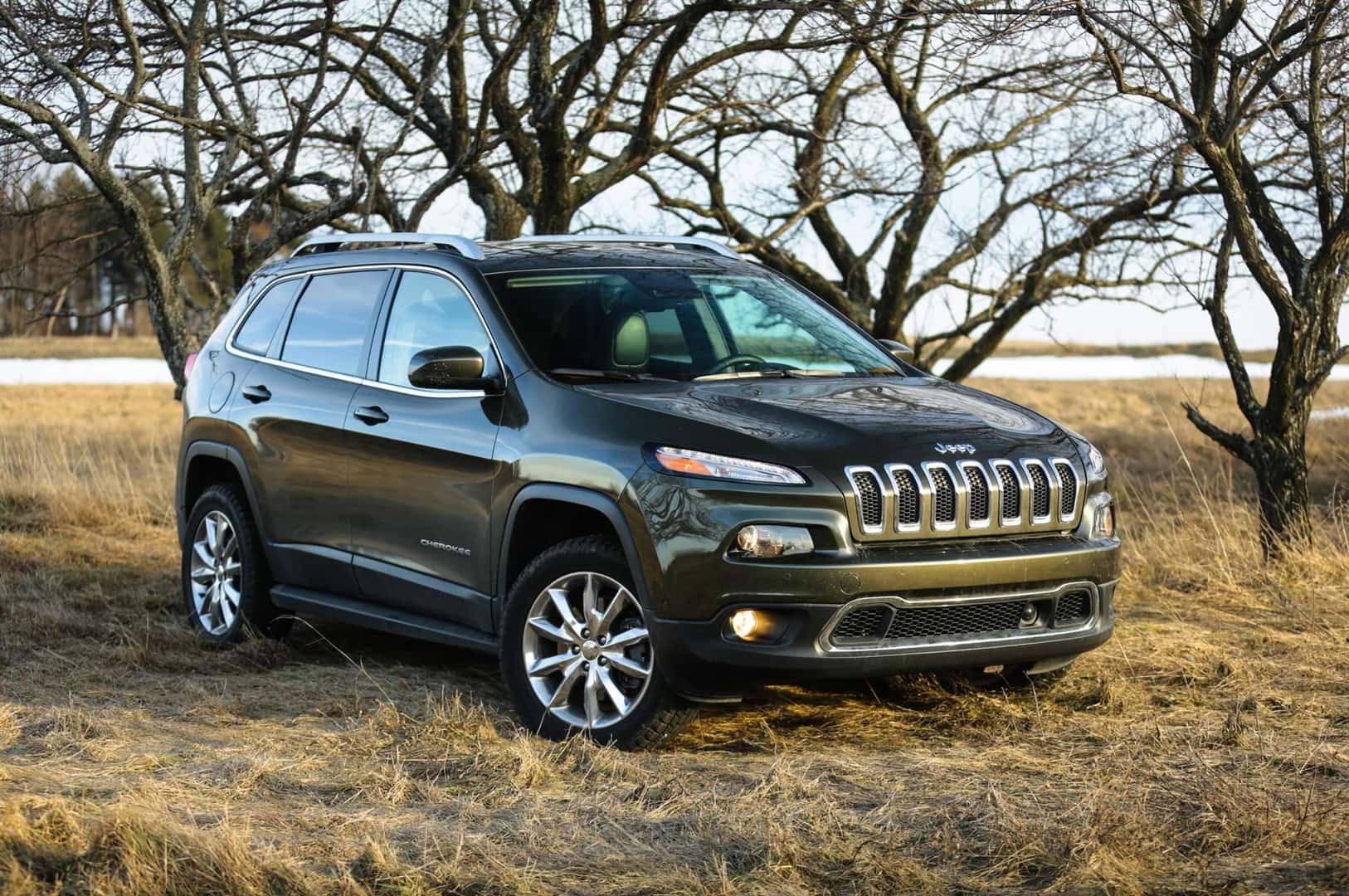
The 2014 Jeep Cherokee is a popular midsize SUV, but like many vehicles, it has faced its share of recalls. Knowing the details of these recalls helps you make safer choices and keep your car in good condition.
Overview Of Recalls On The 2014 Jeep Cherokee
The 2014 Jeep Cherokee has experienced several recalls since its release. Most relate to safety concerns, like airbags, transmission, and electronic systems. These recalls are important because they affect your safety on the road. The National Highway Traffic Safety Administration (NHTSA) and Jeep’s parent company, Stellantis (formerly Fiat Chrysler Automobiles), manage these recalls.
Major Recalls And Their Details
Below are the most significant recalls for the 2014 Jeep Cherokee. Each has a unique cause, possible risks, and recommended solutions.
1. Transmission Control Module Software
One of the largest recalls for this model is related to the transmission control module (TCM) software. Owners reported that the vehicle could unexpectedly shift into neutral or stall. This could increase the risk of a crash, especially at high speeds or in busy traffic.
- Number of vehicles affected: Over 800,000 (including other models)
- Solution: Dealers reprogrammed the TCM at no cost.
2. Airbag System Malfunction
Another widespread recall involved the airbag system. Some airbags could fail to deploy during a crash due to electrical issues. In certain cases, airbags might deploy when not needed, creating a new hazard.
- Number of vehicles affected: About 230,000
- Solution: Dealers updated the airbag control software.
3. Power Liftgate Fire Risk
The power liftgate control module in the 2014 Cherokee could allow water to enter and cause a short circuit, creating a fire risk even when the SUV is off.
- Number of vehicles affected: Over 160,000
- Solution: Dealers replaced the module and added protective shields.
4. Brake System Problems
Some models faced brake system failures due to a faulty anti-lock brake system (ABS). This could reduce braking power or cause the system to fail completely.
- Number of vehicles affected: About 32,000
- Solution: Dealers replaced the ABS module.
5. Occupant Restraint Controller
The occupant restraint controller (ORC) was recalled for a possible failure that could prevent airbags and seatbelt pretensioners from working in a crash.
- Number of vehicles affected: Nearly 1,000
- Solution: Dealers replaced the ORC module.
6. Fuel Pump Relay Issue
A less common, but serious, recall targeted the fuel pump relay. The relay could fail, causing the engine to stall without warning—dangerous if it happens while driving.
- Number of vehicles affected: About 12,000
- Solution: Dealers replaced the relay.
Comparison Of Major Recall Issues
Here’s a quick comparison of the most significant recalls, their risk level, and whether injuries or crashes were reported.
| Recall Issue | Risk Level | Crashes/Injuries | Fix |
|---|---|---|---|
| Transmission Control | High | Yes | Software Update |
| Airbag System | High | Yes | Software Update |
| Power Liftgate Fire | High | Yes | Module Replacement |
| Brake System | Medium | No | ABS Module Replacement |
| Fuel Pump Relay | Medium | No | Relay Replacement |
How To Check If Your 2014 Jeep Cherokee Has An Open Recall
Finding out if your SUV is part of a recall is simple and free:
- Locate your Vehicle Identification Number (VIN). This is a 17-character code on your dashboard or car documents.
- Visit the official NHTSA recall page or Jeep’s recall website.
- Enter your VIN to see any open recalls.
If there is an open recall, contact a Jeep dealership as soon as possible. Recall repairs are always free.
Why Recalls Happen: Common Patterns
Recalls usually happen when:
- A part fails more often than expected.
- Safety systems do not work as designed.
- Fires, crashes, or injuries are reported.
- The problem affects many vehicles.
For the 2014 Jeep Cherokee, many recalls involved complex electronic systems. Modern SUVs use advanced software and parts, so even a small error can create major safety risks. For example, the transmission and airbag issues were mostly software problems, not just hardware.
Lesser-known Insights About 2014 Jeep Cherokee Recalls
Most drivers focus on the big recalls, but a few important points are often missed:
- Software recalls require updates at a dealer. Many owners think they can fix these with at-home tools, but dealer service is necessary to ensure safety.
- Recalls can be updated. Even if a recall was already fixed, manufacturers may issue new solutions if the first fix does not work well.
- Some issues may not qualify as recalls but appear as Technical Service Bulletins (TSBs). These are official fixes for known issues, but they don’t require all owners to get repairs.
Comparing The 2014 Jeep Cherokee With Its Rivals
How does the recall record of the 2014 Jeep Cherokee compare with similar SUVs?
| Model | Number of Recalls | Main Recall Type |
|---|---|---|
| 2014 Jeep Cherokee | 6 | Transmission, Airbags |
| 2014 Honda CR-V | 3 | Airbags |
| 2014 Ford Escape | 5 | Engine, Airbags |
| 2014 Toyota RAV4 | 2 | Suspension |
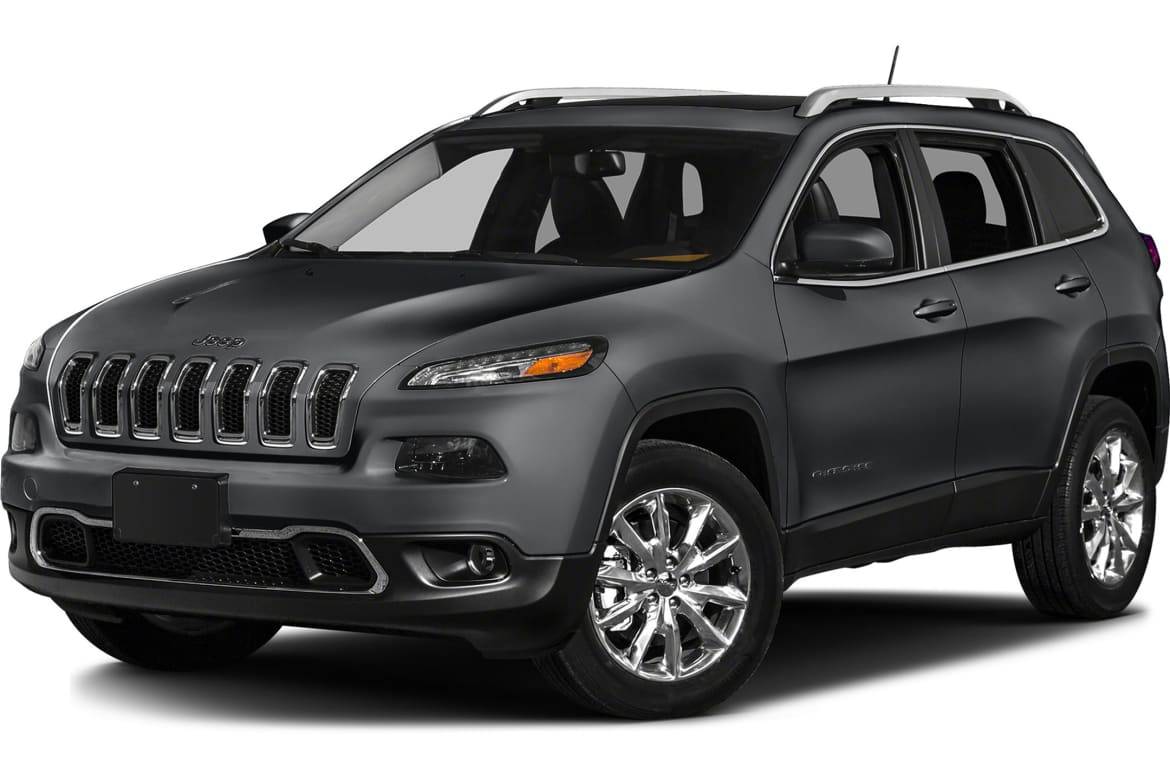
The 2014 Jeep Cherokee had more recalls than some rivals, especially for electronic and transmission systems. However, it is common for new models (like the first year of the Cherokee’s new design) to have more recalls as issues are discovered.
What Owners Should Do
If you own a 2014 Jeep Cherokee:
- Check your VIN for open recalls at least once a year.
- Schedule repairs quickly if you receive a recall notice.
- Keep records of all recall repairs for future buyers.
- Pay attention to TSBs for non-recall problems.
Never ignore recall notices even minor issues can become dangerous if not fixed. Delays can also make it harder to sell your SUV later.
Frequently Asked Questions
Are Recall Repairs Free For My 2014 Jeep Cherokee?
Yes, recall repairs are always free at authorized Jeep dealerships. The manufacturer covers all costs, including parts and labor.
How Do I Know If My Vehicle Was Already Fixed?
You can check your VIN on the NHTSA site or contact your local Jeep dealer. They can see all completed recall work for your specific vehicle.
Can I Still Drive My Jeep If There’s An Open Recall?
It depends on the recall. For serious safety issues like airbags or fire risks, it’s best not to drive until repairs are complete. Ask your dealer for advice.
What’s The Difference Between A Recall And A Tsb?
A recall is for safety issues and is required by law. A Technical Service Bulletin (TSB) is advice for dealers about known problems, but repairs may not be free or required for all owners.
Where Can I Find Official Recall Information?
Visit the NHTSA website (NHTSA) or Jeep’s recall page for up-to-date and official recall info.
Keeping up with recalls is one of the smartest things you can do as a car owner. It keeps you, your passengers, and others on the road safer while protecting your investment in your vehicle.