Are Mini Jeeps Street Legal?
Mini Jeeps are catching the eyes of car lovers, outdoor fans, and even parents looking for a fun ride for their kids. These small, rugged vehicles look like classic military Jeeps but come in a much smaller size. They are popular at campsites, farms, and local car shows. But a big question comes up: Are mini Jeeps street legal? The answer is not simple. It depends on where you live, how the vehicle is built, and how you plan to use it. Let’s explore the facts, regulations, and some common mistakes people make when buying or using a mini Jeep.
What Is A Mini Jeep?
A mini Jeep is a scaled-down version of the original military or Willys Jeep. They usually run on gas or electric power, and their engines are much smaller—often between 110cc and 200cc. These vehicles are mostly used for off-road fun, farm work, or as novelty items for kids and adults.
You can find mini Jeeps in two main types:
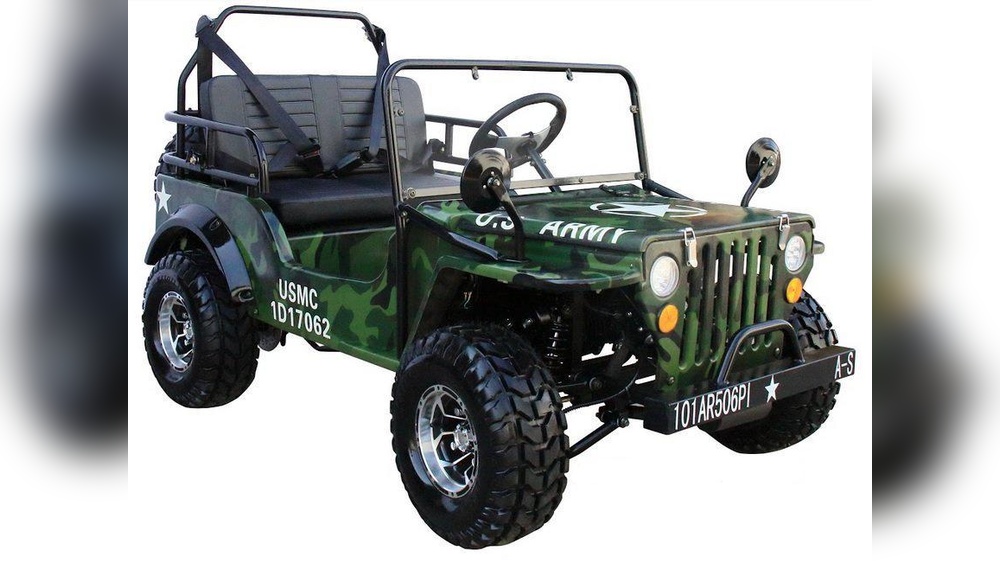
- Youth models: Designed for children, with low speed and extra safety features.
- Adult models: Built for off-road recreation, sometimes with bigger engines and more power.
Some mini Jeeps have headlights, seat belts, and turn signals, while others are very basic. This variety impacts their street legal status.
What Makes A Vehicle Street Legal?
To be street legal in the US, a vehicle must meet safety and equipment rules set by state and federal laws. These requirements vary, but common needs include:
- Headlights and taillights
- Turn signals
- Brake lights
- Side and rearview mirrors
- Windshield
- Horn
- Seat belts
- DOT-approved tires
- Vehicle Identification Number (VIN)
- Insurance and registration
If a mini Jeep does not have these features, it usually cannot be legally driven on public roads. Some states have extra rules, like emissions tests or specific engine sizes.
Here’s a quick comparison of typical mini Jeep features versus street-legal requirements:
| Feature | Mini Jeep (Standard) | Street-Legal Requirement |
|---|---|---|
| Headlights | Sometimes | Always |
| Turn Signals | Rarely | Always |
| Seat Belts | Sometimes | Always |
| VIN | Usually Missing | Required |
| DOT Tires | No | Yes |

State-by-state Laws: Big Differences
There is no single answer for the whole country. Each state’s Department of Motor Vehicles (DMV) has its own rules for low-speed vehicles (LSV) and mini Jeeps.
Example States
- California: Mini Jeeps are not street legal unless they meet all LSV rules and pass a strict inspection.
- Texas: Some rural areas allow mini Jeeps on certain roads if they have the right equipment.
- Florida: Mini Jeeps can sometimes be registered as LSVs, but must be electric and not exceed 25 mph.
Here’s a sample comparison of requirements in three states:
| State | Engine Type Allowed | Max Speed | Registration Needed |
|---|---|---|---|
| California | Electric | 25 mph | Yes |
| Texas | Gas or Electric | 35 mph (some roads) | Yes |
| Florida | Electric | 25 mph | Yes |
Always check your state and local DMV websites or offices before you buy or drive a mini Jeep on public roads.
Common Buyer Mistakes
People often get excited and buy mini Jeeps without knowing the rules. Here are a few mistakes to avoid:
- Assuming all mini Jeeps are street legal: Most are not, even if they have lights and mirrors.
- Not checking VIN: Vehicles without a VIN cannot be registered for road use in most states.
- Ignoring insurance: Driving without proper insurance can lead to big fines.
- Skipping safety checks: Missing safety gear can cause accidents and legal trouble.
If you want to make a mini Jeep street legal, you may need to upgrade parts and go through inspections. This can be expensive and time-consuming.

How To Make A Mini Jeep Street Legal
Upgrading a mini Jeep for road use is possible, but not easy. Here’s what you may need to do:
- Add required equipment: Install headlights, turn signals, mirrors, seat belts, and a horn.
- Upgrade tires: Use DOT-approved tires for safe road driving.
- Get a VIN: Some states allow you to apply for a new VIN through the DMV.
- Pass inspection: Most states require a safety inspection before registration.
- Register and insure: Complete paperwork and buy insurance.
Not all mini Jeeps can be upgraded. Some frames and engines do not meet car safety standards. Speak with your DMV before making changes.
Real-life Examples
Some mini Jeep owners in Florida and Texas have successfully registered their vehicles as low-speed vehicles. But they often had to:
- Install new lights and mirrors
- Add a windshield
- Limit top speed to 25 mph
But in states like California and New York, most mini Jeeps cannot be made street legal unless they are factory-built to LSV standards. In these places, using a mini Jeep on public roads can lead to fines and having your vehicle impounded.
Off-road Use: No Problem
Mini Jeeps are perfect for off-road fun. They are safe to use on private land, farms, ranches, or special off-road parks. No registration is needed for these uses, but always follow safety guidelines and wear protective gear.
Insurance And Safety
Even if you only use your mini Jeep off-road, insurance is a smart idea. Some companies offer special plans for off-road vehicles. Always check if your homeowner’s policy covers mini Jeeps.
Also, always wear seat belts and helmets (if required), especially for children.
Mini Jeeps Vs. Other Small Vehicles
How do mini Jeeps compare to other small vehicles like golf carts or ATVs? Here’s a quick look:
| Vehicle Type | Street Legal? | Typical Use |
|---|---|---|
| Mini Jeep | Rarely | Off-road, recreation |
| Golf Cart | Sometimes (with upgrades) | Golf courses, gated communities |
| ATV | No | Off-road only |
| LSV (Low-Speed Vehicle) | Yes (if compliant) | Neighborhoods, some roads |
Final Thoughts
Mini Jeeps are exciting and fun, but their street legal status is limited. Most are not legal on public roads unless they meet strict safety and registration rules. If you want to drive a mini Jeep on the street, do your homework first. Upgrading a mini Jeep can be costly and time-consuming, and some models will never qualify. For off-road adventures, mini Jeeps are a great choice. But for daily road use, consider an LSV or another vehicle built for the job.
For more details on state laws, visit the National Highway Traffic Safety Administration.

Frequently Asked Questions
Can I Drive A Mini Jeep On Public Roads?
Usually, no. Most mini Jeeps do not have the required safety features or registration to be street legal. Check your state’s DMV rules before driving on public roads.
Can I Register A Mini Jeep As A Low-speed Vehicle?
In some states, yes—but only if your mini Jeep meets all LSV standards, including being electric, having safety gear, and passing inspection.
Are There Mini Jeeps That Come Street Legal From The Factory?
A few brands offer street-legal mini Jeeps, but they are rare and more expensive. Always check for a VIN and proper paperwork.
What Happens If I Drive A Non-street-legal Mini Jeep On The Road?
You may get fined, have your vehicle impounded, or even face legal action. Insurance will also not cover illegal street use.
Where Is It Safe And Legal To Drive A Mini Jeep?
You can use mini Jeeps on private property, farms, ranches, and off-road parks without issue. Public roads require special approval and upgrades.