Are Jeeps Safe?
The word “Jeep” often brings to mind adventure, off-road trails, and rugged vehicles. But for many buyers and families, one question is more important: Are Jeeps safe? With their unique shape and powerful engines, Jeeps stand out on the road, but safety is about more than looks. Understanding how these vehicles perform in real-world accidents, crash tests, and daily use is key to making a smart decision.
What Makes A Car “safe”?
Car safety is not just about strong metal. It involves crash test ratings, airbags, electronic systems, and how a car protects passengers in different accidents. Things like anti-lock brakes, traction control, and advanced driver assistance features can also make a big difference.
Jeep Safety Ratings: A Closer Look
Many Jeep models, like the Wrangler, Cherokee, and Grand Cherokee, have been tested by organizations such as the National Highway Traffic Safety Administration (NHTSA) and the Insurance Institute for Highway Safety (IIHS). These groups measure how well vehicles protect people in crashes.
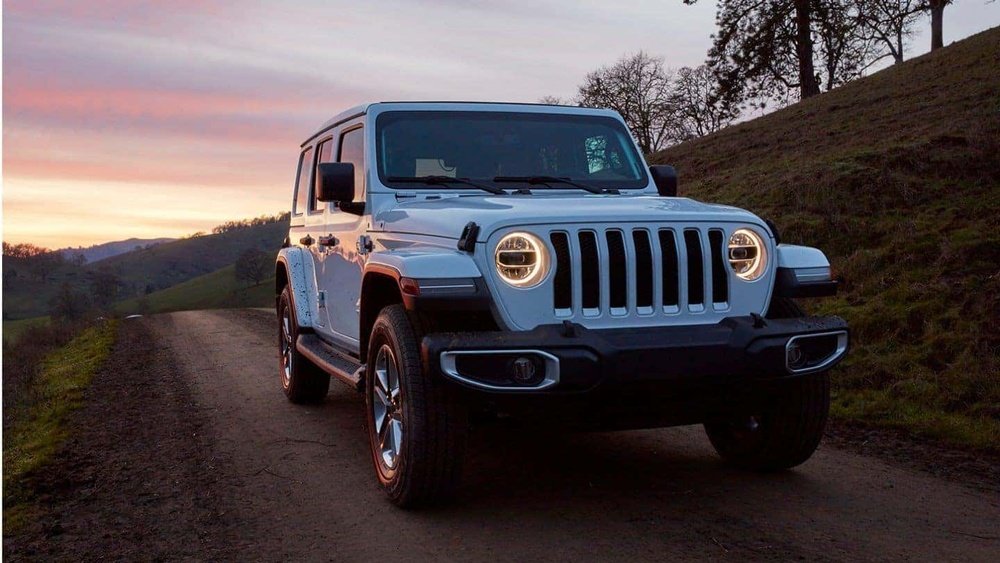
Here’s a quick look at how some popular Jeep models rate:
| Model | NHTSA Overall Rating | IIHS Rating |
|---|---|---|
| Jeep Wrangler (2023) | 4 stars | Marginal (side impact) |
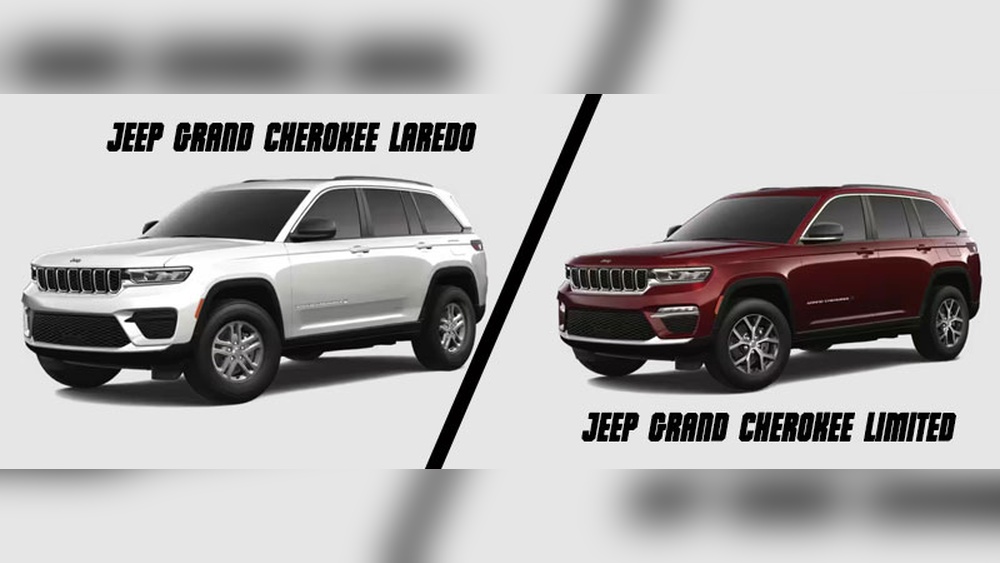
| Jeep Grand Cherokee (2023) | 5 stars | Good |
| Jeep Cherokee (2022) | 4 stars | Acceptable |
Not all Jeeps are equal in safety. The Grand Cherokee scores higher, while the Wrangler, known for off-roading, has some weaker results, especially in side crashes.
Why Do Some Jeeps Score Lower?
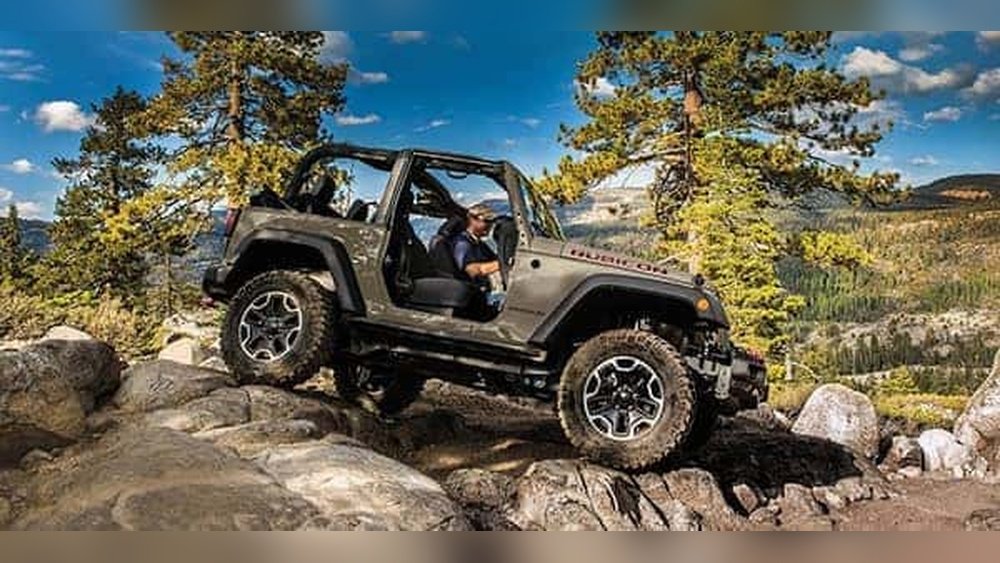
The Jeep Wrangler has a boxy frame and removable doors, which make it fun but less safe in certain crashes. It lacks some side-impact protection found in sedans and SUVs. The Wrangler also has a higher risk of rolling over compared to lower vehicles.
| Vehicle | Rollover Risk (%) |
|---|---|
| Jeep Wrangler | 27.9 |
| Jeep Grand Cherokee | 16.9 |
| Honda CR-V | 15.3 |
Higher rollover risk means the Jeep Wrangler is more likely to flip in certain accidents, especially during sharp turns or sudden moves.
Key Safety Features In Modern Jeeps
Most new Jeeps come with advanced safety features. Here are some you will find:
- Electronic stability control: Helps prevent skidding on slippery roads.
- Blind-spot monitoring: Warns if a car is in your blind spot.
- Rear cross-traffic alert: Alerts you to cars approaching when backing up.
- Multiple airbags: Front, side, and curtain airbags offer more protection.
- Automatic emergency braking: Some models can stop the car to avoid a crash.
However, not all features are standard on every Jeep. Higher trims usually have more safety technology. Always check the exact model and trim for what is included.
Real-world Jeep Accident Data
Crash tests give a good idea of safety, but real-world data matters too. According to the Highway Loss Data Institute (HLDI), some Jeeps have higher than average injury claim rates in accidents.
For example, the Wrangler has more injury claims in single-vehicle crashes, likely due to its off-road use and higher rollover risk. The Grand Cherokee performs better, with injury rates closer to the average for midsize SUVs.
Comparing Jeeps To Other Suvs
How do Jeeps stack up against other SUVs? While models like the Grand Cherokee and Cherokee offer solid protection, other brands often score higher for safety.
| Model | IIHS Top Safety Pick | Standard Safety Features |
|---|---|---|
| Jeep Grand Cherokee | No | Most Advanced Features |
| Toyota RAV4 | Yes | Full Suite Standard |
| Honda CR-V | Yes | Full Suite Standard |
Many rivals offer more advanced safety features as standard, and some earn “Top Safety Pick” awards from IIHS.

Non-obvious Insights For Jeep Safety
- Open-Top Driving Increases Risk: Driving a Jeep with the roof or doors off is a unique experience, but it reduces protection in a crash. Many people forget that airbags and seatbelts can only do so much if the vehicle’s structure is open.
- Off-Roading Habits Matter: Many Jeep accidents happen off-road. While Jeeps are built for rough terrain, off-roading increases the chance of rollovers and injuries. Wearing seatbelts and driving slowly can reduce these risks.
What Jeep Owners Should Know
If you own a Jeep or plan to buy one, keep these tips in mind:
- Always wear seatbelts, even on short, off-road drives.
- Avoid removing doors or the roof when driving on busy roads.
- Do not overload your Jeep, as weight affects handling and safety.
- Check your Jeep for recalls and keep up with maintenance.
- Consider choosing higher trims for better safety technology.

Final Thoughts
Jeeps are unique vehicles built for adventure, but safety depends on the model, how you drive, and which features you choose. Models like the Grand Cherokee offer strong protection, while the Wrangler has some weak spots, especially in side crashes and rollovers. If safety is your top concern, compare different models and consider how you plan to use your Jeep. For more details on crash tests and ratings, visit the official Insurance Institute for Highway Safety.
Frequently Asked Questions
Are Jeeps Safe For Families?
Most modern Jeeps, especially the Grand Cherokee and Cherokee, offer strong safety features and crash protection. However, the Wrangler may not be the best choice for families due to its higher rollover risk and lower side-impact scores.
Which Jeep Model Is The Safest?
The Jeep Grand Cherokee is often rated as the safest, earning high marks in crash tests and offering many advanced safety features. Always check the latest ratings for the model year you are considering.
Do Jeeps Have A High Rollover Risk?
Yes, especially the Jeep Wrangler. Its tall and narrow design makes it more likely to roll over in sharp turns or off-road situations compared to lower SUVs and cars.
Are Jeeps Good In Winter Or Bad Weather?
Jeeps are known for strong traction and four-wheel drive, which help in snow and rain. However, winter safety also depends on tires, driving habits, and the presence of features like stability control.
What Should I Check Before Buying A Used Jeep?
Inspect for accident history, check if recalls have been fixed, look for rust, and test all safety features. A professional inspection can help you avoid hidden problems and make a safer choice.