For many people, Jeeps are symbols of adventure, freedom, and rugged capability. You may picture a Jeep climbing rocky hills or cruising down a sandy beach. But if you’re thinking about buying or driving a Jeep, one key question often comes up: Are Jeeps manual or automatic? The answer isn’t simple, because Jeep vehicles have a long history with both transmission types. Today, you’ll find manual and automatic Jeeps on the road, but the choices and features have changed over the years. Understanding the differences, benefits, and availability can help you choose the right Jeep for your needs.
The History Of Jeep Transmissions
Jeeps have a deep, fascinating history. The first Jeeps, made during World War II, were designed to be tough, simple, and easy to fix. These early models, like the Willys MB, came only with manual transmissions. The reason was simple: manual gearboxes were reliable, lighter, and easier to repair in rough conditions.
As Jeep models grew in popularity and new versions appeared, automatic transmissions started to become available. By the 1980s and 1990s, Jeep was offering both manual and automatic options in its main models. This allowed more drivers—especially those who preferred easier driving in traffic or off-road—to enjoy Jeeps.
Today, the trend has shifted. Most new cars in the US are automatics, and Jeep is following this trend. Still, you can find both manual and automatic Jeeps depending on the year and the model.
Manual Vs Automatic: What’s The Difference?
Before diving into which Jeeps have which transmission, let’s clarify what makes manual and automatic transmissions different.
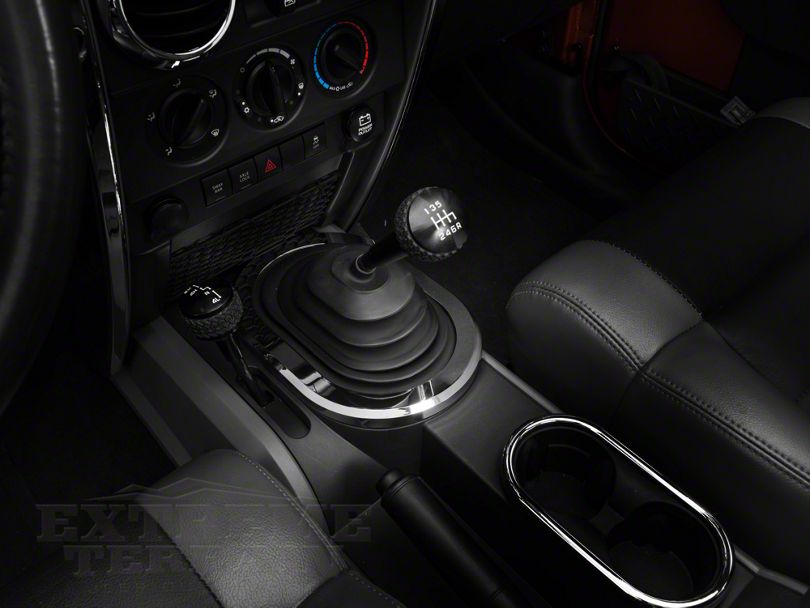
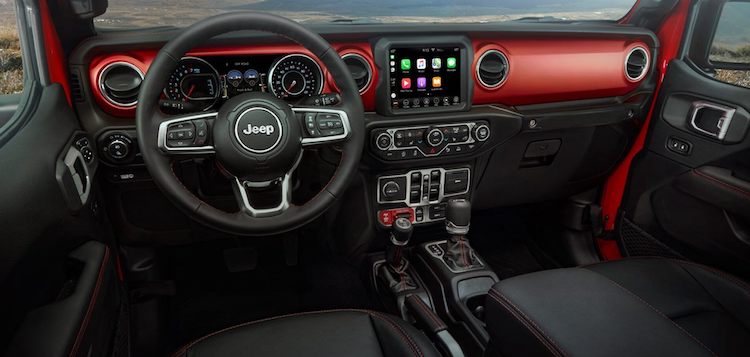
- Manual transmission: The driver uses a clutch pedal and gear shifter to change gears. This gives more control but requires more skill, especially on hills or in traffic.
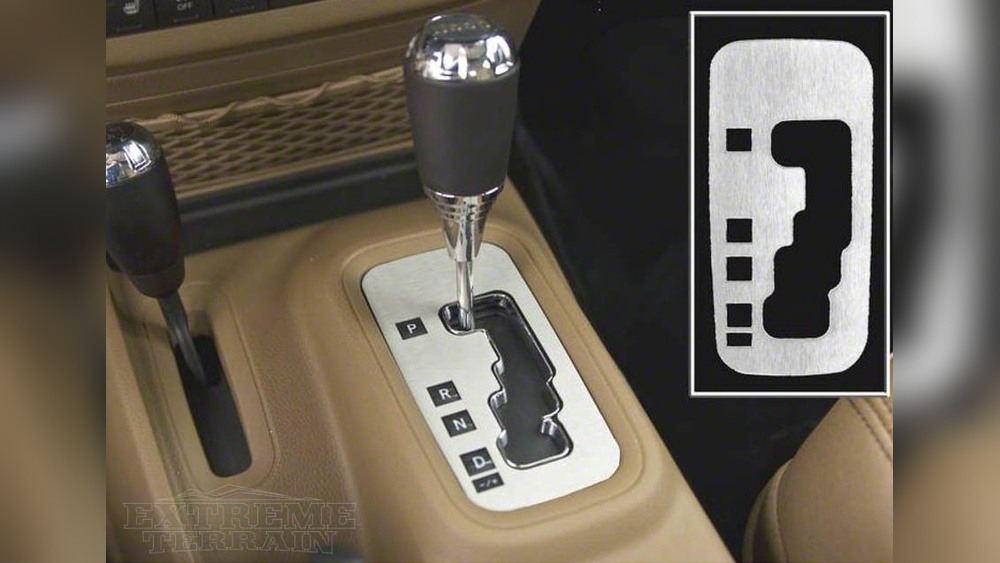
- Automatic transmission: The car shifts gears on its own. There’s no clutch pedal; the driver selects “Drive” and the car handles the rest. It’s easier for beginners and less work in city driving.
Key Differences In Driving
- Manual Jeeps offer more control on rough terrain. Drivers can choose the right gear for power or fuel efficiency. Enthusiasts often say manuals make the Jeep “feel” more connected to the road or trail.
- Automatic Jeeps are simpler to drive. For many, especially in heavy traffic or on long road trips, automatics are more comfortable and less tiring.
Which Jeep Models Offer Manual Or Automatic?
Not every Jeep comes in both manual and automatic. Below is a look at the most popular Jeep models and what transmission options they offer (or offered in the past).
| Jeep Model | Manual Option? | Automatic Option? | Notes |
|---|---|---|---|
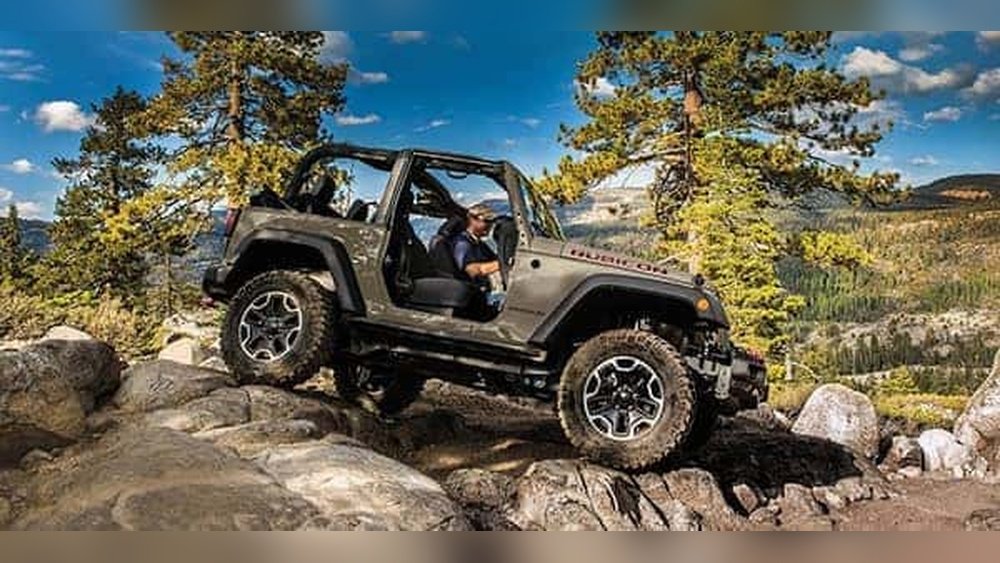
| Wrangler | Yes (2024: 6-speed) | Yes (8-speed) | Both available in most trims |
| Gladiator | Yes (2024: 6-speed) | Yes (8-speed) | Manual mostly in lower trims |
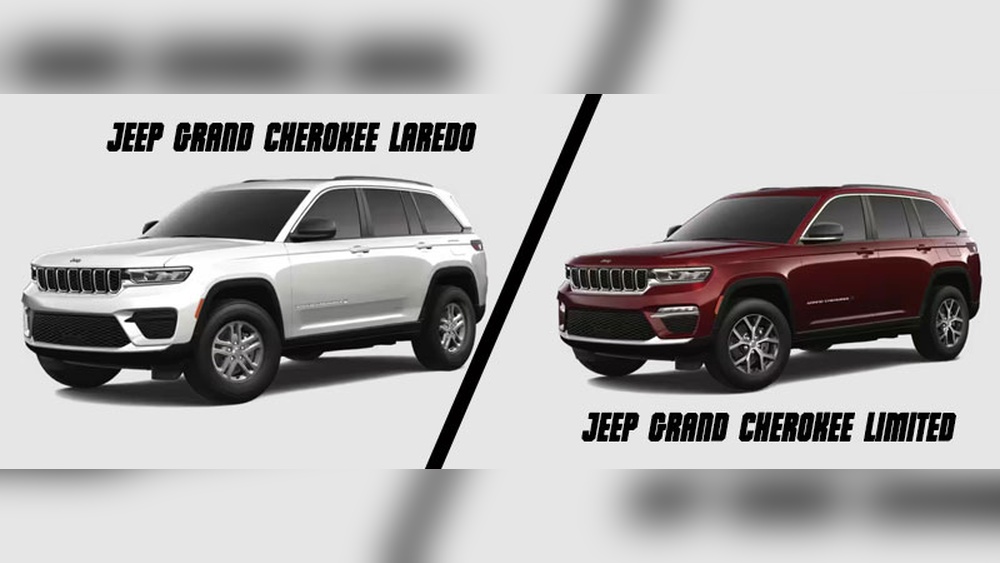
| Grand Cherokee | No | Yes | Last manual in early 2000s |
| Compass | No (US market) | Yes | Manual in some global markets |
| Renegade | No (US market) | Yes | Manual in some global markets |
| Cherokee | No | Yes | Manual until early 2000s |
As you can see, Jeep Wrangler is the best-known model that still offers a manual. The Gladiator (Jeep’s pickup truck) also has a manual, but most other Jeeps in the US are now automatic-only.
Why Are Manual Jeeps Becoming Rare?
There are a few reasons why manual transmissions are less common in today’s Jeeps:
- Demand: Most US drivers want automatics. In 2023, only about 1% of all new vehicles sold in the US had a manual transmission.
- Technology: Automatics have improved. Modern automatics shift faster and more smoothly than before, and can even save fuel.
- Safety: Some safety features, like adaptive cruise control or automated emergency braking, are easier to design for automatics.
- Production costs: It’s more efficient for Jeep to make mostly automatics, since demand for manuals is so low.
Still, the manual Wrangler remains popular among off-road fans who value control and tradition.
Pros And Cons Of Manual And Automatic Jeeps
Both transmission types have advantages and disadvantages. Here’s a comparison to help you decide what’s best for you.
| Aspect | Manual Jeep | Automatic Jeep |
|---|---|---|
| Ease of Use | Harder for beginners | Very easy, no clutch |
| Control | Maximum, especially off-road | Less direct, but improved in modern models |
| Fuel Economy | Sometimes better, but gap is closing | Modern automatics often match or beat manuals |
| Maintenance | Often cheaper to repair | More complex, higher repair costs |
| Availability | Few models offer | Almost all models offer |
| Resale Value | Lower for most, but higher for off-road enthusiasts | Higher in general market |
One key insight: manual Jeeps tend to hold their value better with hardcore off-road buyers. But for the average driver, automatics are easier to sell.
Which Should You Choose: Manual Or Automatic Jeep?
Your choice depends on your driving style, location, and what you want from your Jeep.
Choose A Manual If:
- You love driving engagement and want to feel every shift.
- You do a lot of off-roading and want maximum control.
- You enjoy classic vehicles or want a “pure” Jeep experience.
- You don’t mind learning to drive stick shift.
Choose An Automatic If:
- You spend a lot of time in city traffic.
- You want a smoother ride and easier operation.
- You want the latest tech and safety features.
- You plan to share the Jeep with drivers who can’t use a manual.
A Non-obvious Factor: Off-roading And Manuals
Many people believe manuals are always better for off-road driving. But modern automatic Jeeps have improved so much that they are now just as good—or sometimes better. For example, automatics can “crawl” over rocks at a steady speed without stalling.
Manuals require skillful clutch work to do the same.
Still, some off-roaders like the ability to “feather” the clutch and control torque with a manual, especially in very technical situations.
How Jeep Transmissions Have Changed Over Time
Let’s take a quick look at how Jeep’s transmission offerings have evolved. This can help you understand what to expect if you’re shopping for a used Jeep.
| Decade | Manuals Offered | Automatics Offered | Popular Models |
|---|---|---|---|
| 1940s–1960s | Yes (standard) | No | Willys MB, CJ-2A, CJ-5 |
| 1970s–1980s | Yes | Yes (optional) | CJ-7, Wagoneer |
| 1990s | Yes | Yes | Wrangler YJ/TJ, Cherokee XJ |
| 2000s | Yes (fewer models) | Yes (more common) | Wrangler TJ, Liberty |
| 2010s–Present | Very rare (mostly Wrangler/Gladiator) | Yes (almost all models) | Wrangler JL, Grand Cherokee, Compass |
This table shows a clear shift from manual to automatic over time. If you want a manual, your best bet is an older Jeep or a new Wrangler.
Buying Tips: How To Choose The Right Jeep Transmission
When picking a Jeep, think about these factors:
- Skill level: If you’ve never driven a manual, test one before you buy.
- Resale value: Manuals are a niche market; automatics sell faster.
- Maintenance: Manuals are simpler, but automatics are now very reliable.
- Off-road goals: Serious off-roaders may still prefer manuals for certain trails.
- Market availability: In the US, only a few new Jeeps come with manual transmissions.
One insight many beginners miss: insurance rates are usually the same for both types, so cost difference is mostly in buying and maintenance.
The Future: Will Manuals Disappear Completely?
It’s very likely that manuals will become even rarer in Jeeps. As electric and hybrid models arrive, they almost always use automatic-style gearboxes or don’t have traditional gears at all. The Jeep Wrangler 4xe hybrid and upcoming electric Jeeps are automatic-only.
However, Jeep knows that its loyal fans love the manual option in the Wrangler. As long as there’s demand, they will probably keep offering it in at least one model. But in most markets, especially outside North America, manual Jeeps are already disappearing.
Frequently Asked Questions
Are All Jeeps Automatic Now?
No. While most Jeep models in the US are now automatic, the Jeep Wrangler and Jeep Gladiator still offer a manual transmission option, especially in lower trims. Most other models, like the Grand Cherokee and Compass, are automatic-only in the US.
Are Manual Jeeps Better For Off-roading?
Manual Jeeps offer more control in some off-road situations, like steep descents or slow rock crawling. However, modern automatic Jeeps have improved a lot. Many off-roaders now prefer automatics for their ease and ability to maintain steady speed without stalling.
Which Jeep Models Still Have A Manual Transmission In 2024?
As of 2024, the Jeep Wrangler and Jeep Gladiator are the only models in the US that come with a manual transmission. The manual is usually found in lower or mid-level trims.
Is It Hard To Find A Manual Jeep For Sale?
Yes, especially for new vehicles. Only a small percentage of new Jeeps are manuals. Used manual Jeeps (especially Wranglers) can be found, but they may cost more because of high demand from enthusiasts.
Where Can I Learn More About The History Of Jeep Transmissions?
A great place to start is the official Jeep history page, which covers their vehicle evolution over time: Wikipedia.
Whether you want a manual for the classic feel or an automatic for easy daily use, Jeep offers both—at least for now. Knowing your options will help you pick the right Jeep and enjoy every mile, on or off the road.