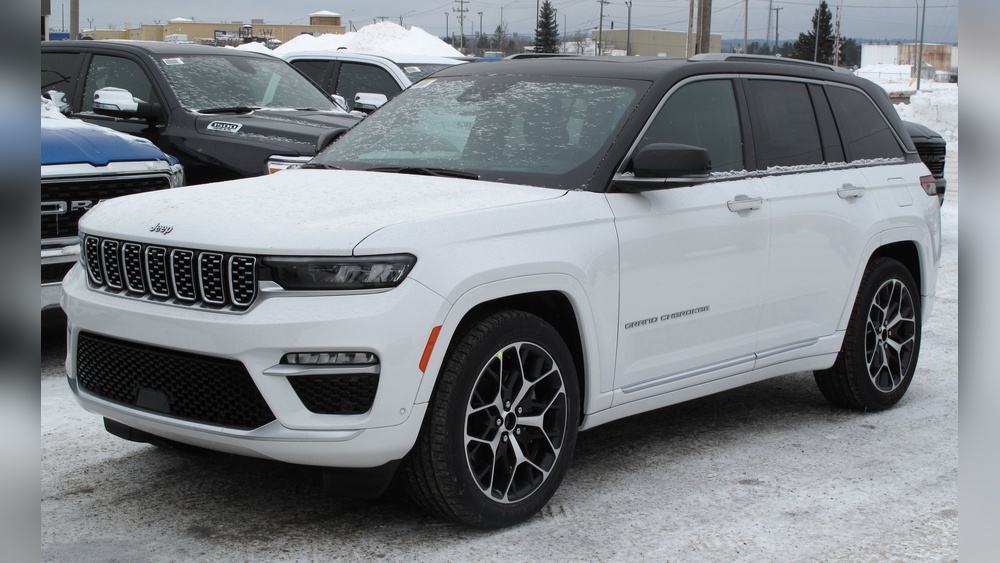
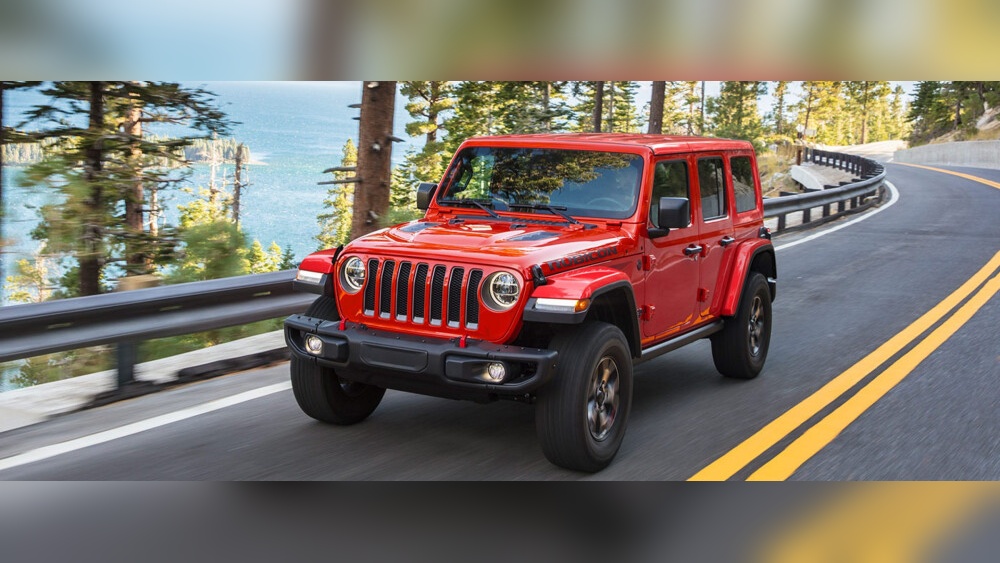
When winter comes and roads turn white, many drivers wonder if their vehicles can handle snow and ice. Among all brands, Jeeps have a legendary reputation for off-road ability. But does that mean they’re good in the snow? Let’s explore what makes a Jeep suitable for winter conditions, compare them to other vehicles, and share real tips for safe snowy drives.
What Makes Jeeps Stand Out In Snow?
Jeeps are famous for their 4×4 systems. This means power goes to all four wheels, not just two. In snowy or icy conditions, this helps prevent slipping and improves control. Most Jeep models, like the Wrangler and Grand Cherokee, come with advanced four-wheel-drive systems.
Another key feature is ground clearance. Jeeps usually sit higher than regular cars. This extra height helps them move through deeper snow without getting stuck. For example, a Jeep Wrangler has about 10.8 inches of ground clearance—much more than a typical sedan.
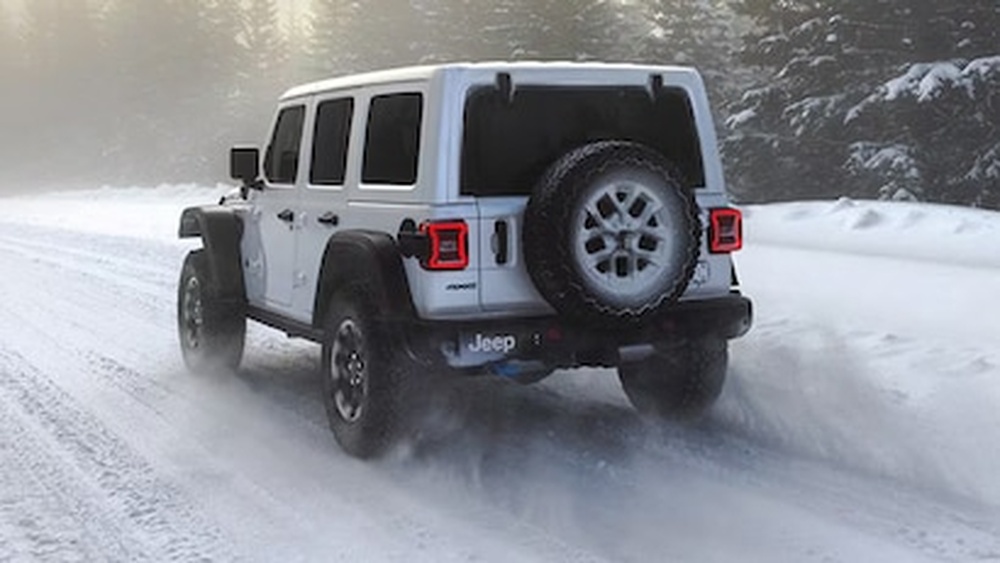
Many Jeeps also include traction control and stability control as standard. These systems help prevent the wheels from spinning out when roads are slick. Some models even offer settings specifically for snow.
Comparing Jeeps To Other Vehicles
It’s useful to see how Jeeps stack up against other popular winter vehicles. The table below compares a few key features:
| Vehicle | Drive System | Ground Clearance (inches) | Winter Features |
|---|---|---|---|
| Jeep Wrangler | 4×4 | 10.8 | Traction & Stability Control |
| Subaru Outback | AWD | 8.7 | X-Mode (for snow) |
| Honda CR-V | AWD | 8.2 | Snow Driving Mode |
| Toyota RAV4 | AWD | 8.4 | Multi-Terrain Select |
As you can see, Jeeps have some of the highest ground clearance and robust 4×4 systems. This makes a real difference in deep snow.
Real-world Performance: Are Jeeps Always Good In Snow?
Most owners find Jeeps excellent for snowy roads, but there are some important points to remember:
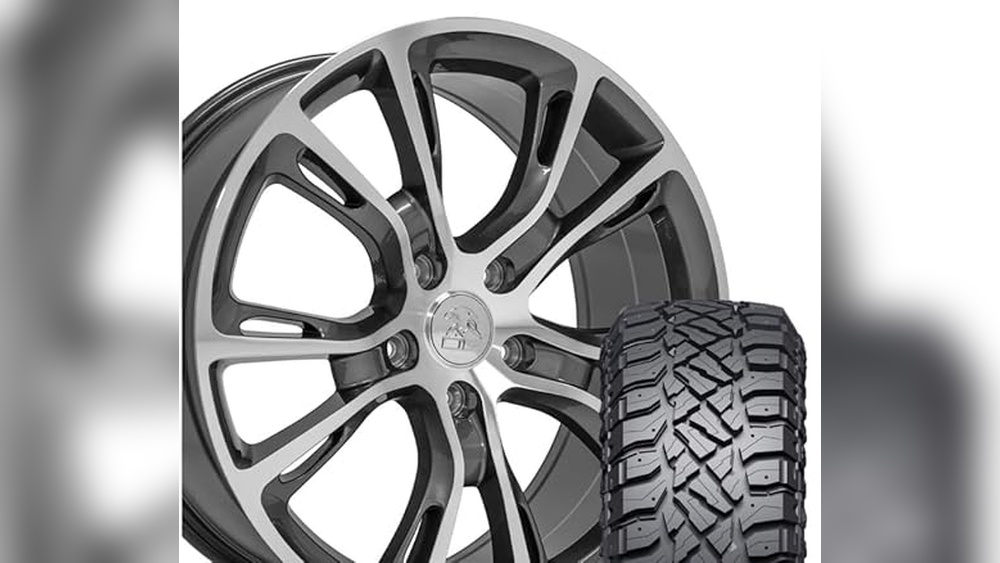
- Tire Choice Matters: Even the best 4×4 won’t help much if the tires are wrong. Many Jeeps come with all-terrain tires, which are good, but winter tires make a huge difference on ice and packed snow.
- Weight Distribution: Jeeps are heavier than many crossovers. This extra weight can help with traction, but stopping distances may be longer. Always drive slower on ice.
- Short Wheelbase: Models like the Jeep Wrangler have a short wheelbase, making them agile but sometimes twitchy on slippery roads. Careful steering is important.
Let’s compare stopping distances in snow between vehicles:
| Vehicle | Stopping Distance (60-0 mph, Snow, ft) | Notes |
|---|---|---|
| Jeep Wrangler (All-Terrain Tires) | 278 | Improved with winter tires |
| Subaru Outback (Winter Tires) | 245 | Lower due to tire type |
| Honda CR-V (All-Season Tires) | 265 | Average for class |
Notice how tire choice changes results. Even Jeeps benefit a lot from proper winter tires.
Key Jeep Features For Snowy Roads
Some features help Jeeps handle snow better than other vehicles:
- Selec-Terrain/Snow Mode: Many modern Jeeps, like the Grand Cherokee, have settings for snow. These adjust throttle, transmission, and brakes for better grip.
- Hill Descent Control: Useful for going down icy slopes slowly and safely.
- Heated Mirrors and Seats: These may not help with traction, but they make winter driving more comfortable.
It’s easy to forget, but little features like remote start can make a cold morning much easier.

Common Mistakes When Driving Jeeps In Snow
Many drivers think owning a Jeep means they are safe from all winter hazards. This isn’t true. Here are mistakes to avoid:
- Not slowing down: 4×4 helps you go, but doesn’t help you stop faster.
- Overconfidence in deep snow: Even Jeeps can get stuck if snow is too deep or packed.
- Forgetting to clear snow from lights and roof: This is a safety issue for you and other drivers.
- Skipping regular maintenance: Cold weather makes weak batteries and worn brakes more likely to fail.
When A Jeep May Not Be The Best Choice
While Jeeps are strong in snow, they’re not perfect for everyone. Some downsides:
- Fuel economy: Jeeps, especially Wranglers, use more fuel than many crossovers.
- Ride comfort: Off-road suspension can feel bumpy on icy city streets.
- Noise: Jeeps are often louder than other SUVs, especially with soft tops.
If you drive mostly on plowed city roads, a lighter all-wheel-drive vehicle with winter tires might be better.

Non-obvious Tips For Safer Jeep Driving In Snow
- Lower your tire pressure slightly (within safe limits) for more grip. Too low can be dangerous, so check your manual.
- Use 4-High, not 4-Low for most snowy roads. 4-Low is for crawling through deep drifts or getting unstuck, not regular driving.
Most drivers skip these steps, but they can make a big difference.
Frequently Asked Questions
Do All Jeeps Come With Four-wheel Drive?
Most Jeep models offer 4×4 systems, but some, like the base Jeep Compass or Renegade, may have front-wheel drive. Always check before buying.
Are Jeeps Better Than Trucks In Snow?
Jeeps often have better traction and maneuverability in deep snow compared to many pickup trucks, especially lighter 2WD trucks. However, trucks with proper winter tires and 4×4 can perform just as well.
What Jeep Model Is Best For Heavy Snow?
The Jeep Grand Cherokee is a top choice. It combines advanced 4×4 systems, good ground clearance, and comfort. The Wrangler is also excellent but less smooth on highways.
Can A Jeep Get Stuck In Snow?
Yes, even Jeeps can get stuck. Deep drifts, wet heavy snow, or icy ruts can trap any vehicle. Always carry a shovel and recovery gear in winter.
Do Jeeps Need Special Maintenance For Winter?
Yes. Check your battery, brakes, and fluids before winter. Consider switching to winter tires. For tips, see the National Highway Traffic Safety Administration guide.
Driving a Jeep in the snow can be both fun and safe if you understand its strengths and limits. With the right tires and careful driving, Jeeps handle winter roads better than most. But remember, no vehicle is invincible—respect the weather, maintain your Jeep, and you’ll go far when the snow falls.