Many drivers wonder if Jeeps are front-wheel drive, especially when looking for a vehicle that fits their needs. Jeeps have a long history of off-road performance, but their drivetrain options can be confusing. Whether you want a daily driver or an adventure-ready SUV, understanding how Jeeps send power to their wheels is key. This article clears up myths and gives you a practical guide to Jeep drivetrains.
—
Meta Description:
Are Jeeps front-wheel drive? Learn which Jeep models use FWD, RWD, AWD, or 4WD. Compare drivetrains, benefits, and what’s best for your needs.
—
Jeep Drivetrain Basics
Jeeps are famous for their rugged capability. But not all Jeeps are built the same. The drivetrain—the system that sends power from the engine to the wheels—affects how your Jeep handles daily roads, snow, mud, and towing.
Common Drivetrain Types
- Front-wheel drive (FWD): Engine power goes to the front wheels.
- Rear-wheel drive (RWD): Power goes to the rear wheels.
- All-wheel drive (AWD): Power goes to all wheels, often automatically.
- Four-wheel drive (4WD): Driver can switch power to all wheels, usually for off-road use.
Most classic Jeeps are 4WD or AWD, but some newer models offer FWD.
Which Jeeps Are Front Wheel Drive?
Front-wheel drive is not common in traditional Jeeps, but a few modern models use it—mainly for fuel efficiency and city driving.
Fwd Jeep Models
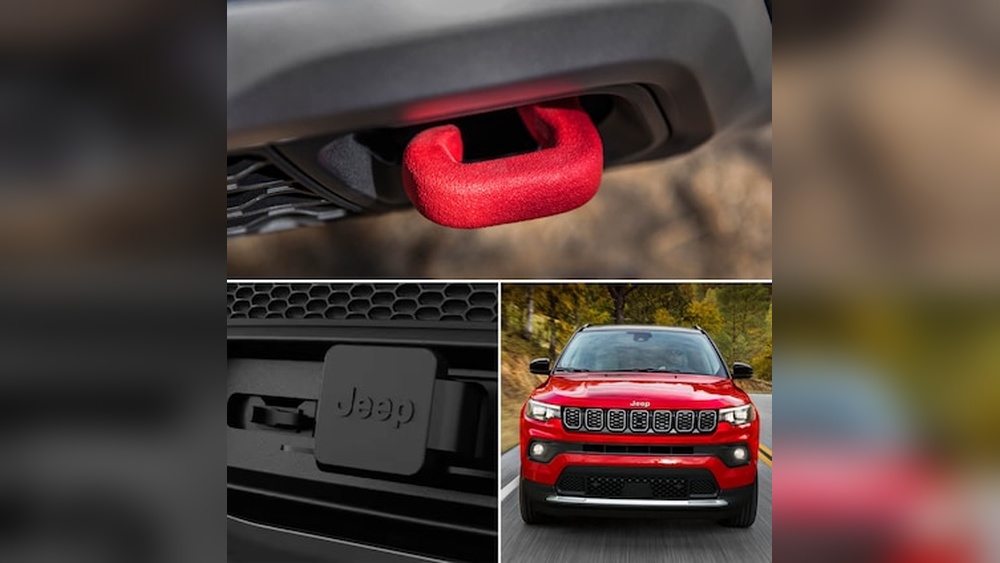
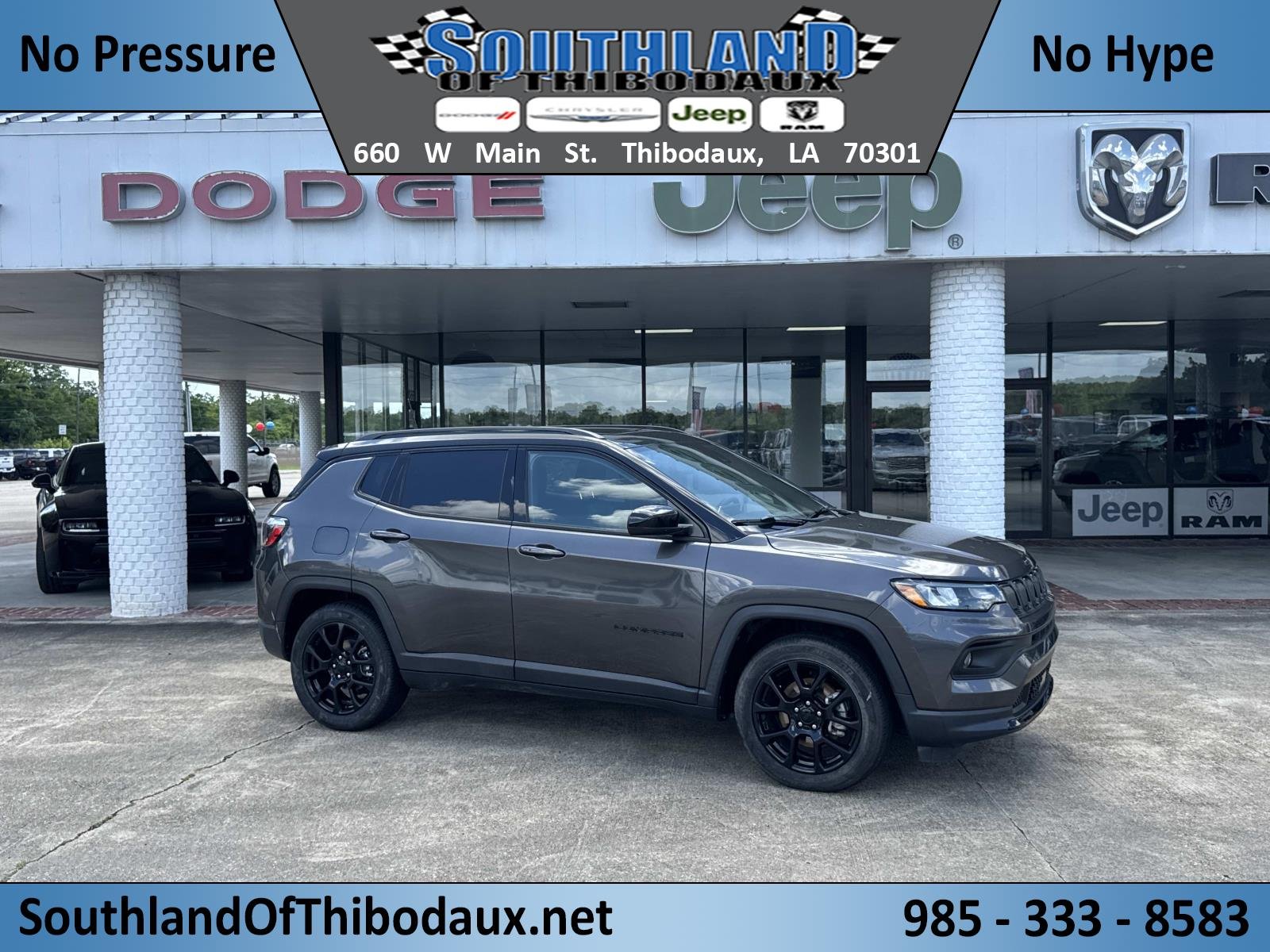
- Jeep Compass: Most trims (Sport, Latitude) are FWD by default. 4WD is optional.
- Jeep Renegade: Base trims (Sport, Latitude) are FWD. Higher trims offer AWD.
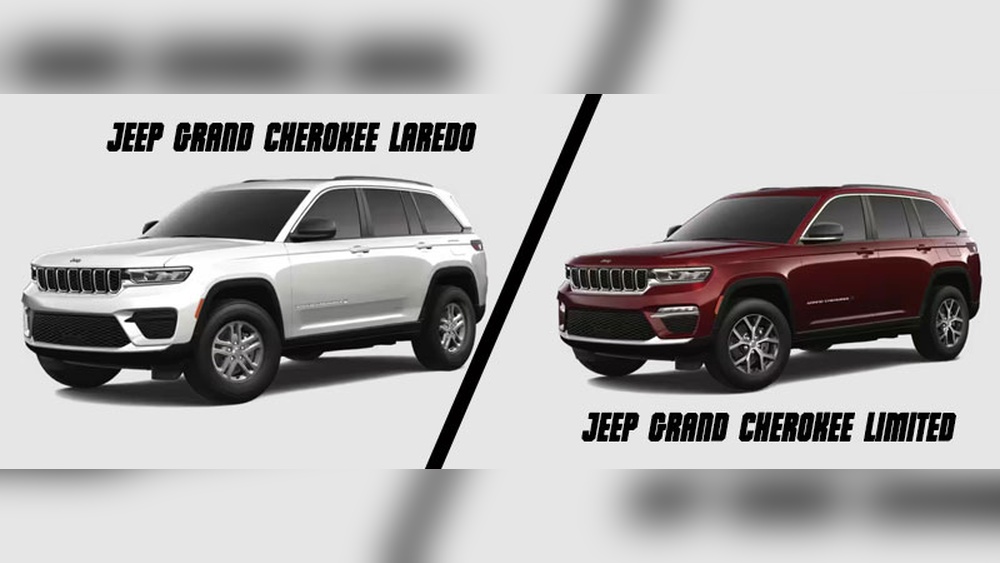
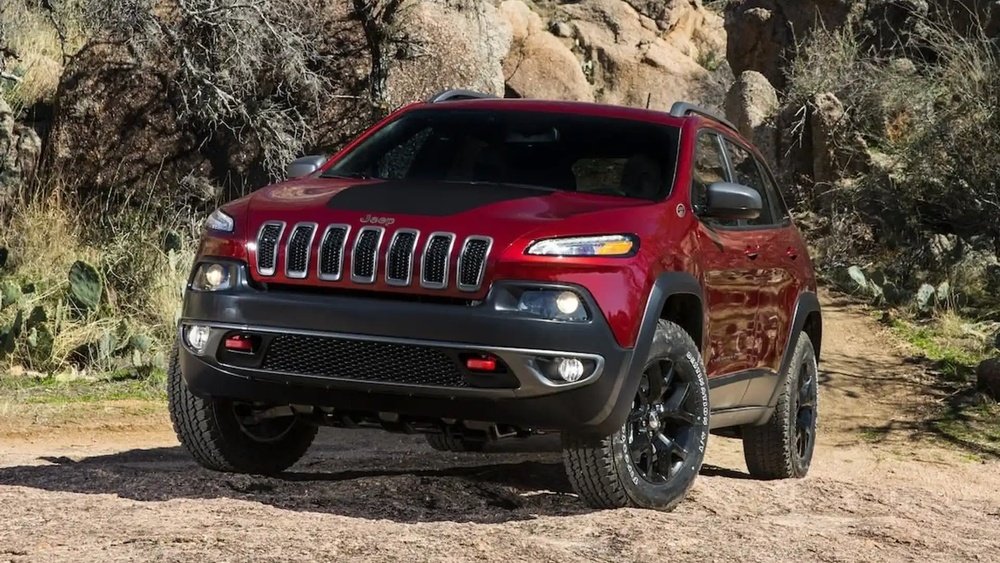
- Jeep Cherokee (KL, 2014+): Lower trims (Latitude, Limited) can be FWD.
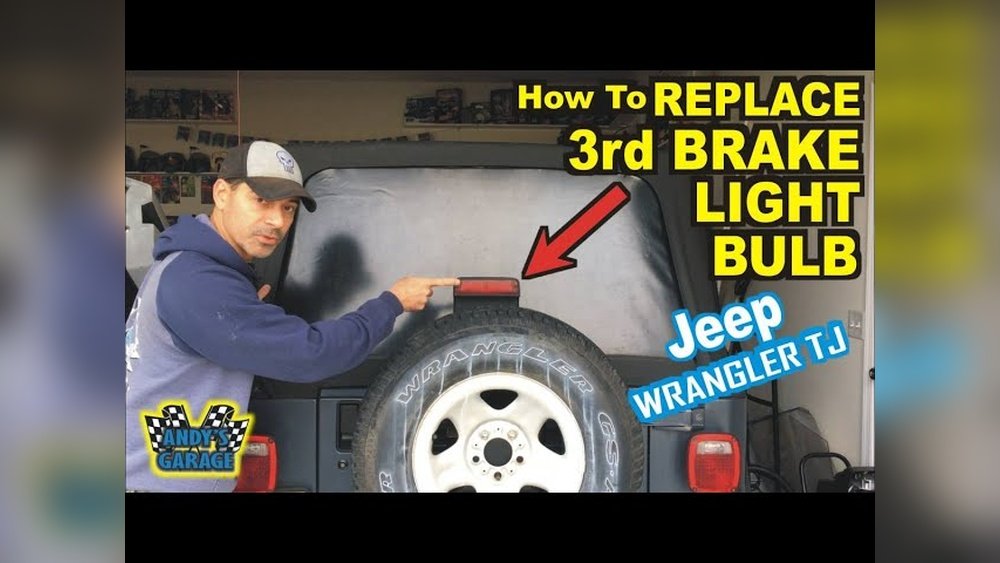
All classic Jeep platforms—like the Wrangler (JK, JL, TJ), Grand Cherokee (WK, WL), and Cherokee XJ—are RWD-based or 4WD/AWD.
Why Choose Fwd?
- Better gas mileage for city driving
- Lower cost for purchase and maintenance
- Easier handling in most weather conditions
Still, most Jeep buyers choose 4WD for off-road or towing.
Jeep Drivetrain Comparison
Here’s a quick look at how different Jeep models send power to the wheels:
| Model | Platform Code | FWD Standard? | 4WD/AWD Option? |
|---|---|---|---|
| Wrangler | TJ, JK, JL | No | 4WD Standard |
| Grand Cherokee | WK, WL | No | AWD/4WD |
| Cherokee (2014+) | KL | Yes (base trims) | AWD/4WD |
| Compass | MK, MP | Yes (base trims) | AWD/4WD |
| Renegade | BU | Yes (base trims) | AWD/4WD |
| Cherokee (XJ, 1984-2001) | XJ | No | AWD/4WD |
Key Differences: Fwd Vs 4wd Jeeps
Performance
- FWD Jeeps are best for paved roads and light weather.
- 4WD/AWD Jeeps can handle mud, snow, rocks, and steep hills.
Towing And Payload
Most FWD Jeeps have lower towing limits. For example, a FWD Compass can tow about 2,000 lbs, while a 4WD Wrangler can tow up to 3,500 lbs or more.
Off-roading
Serious off-roading requires 4WD or AWD. FWD models lack the traction for trails, sand, or deep snow.

What About Rear-wheel Drive Jeeps?
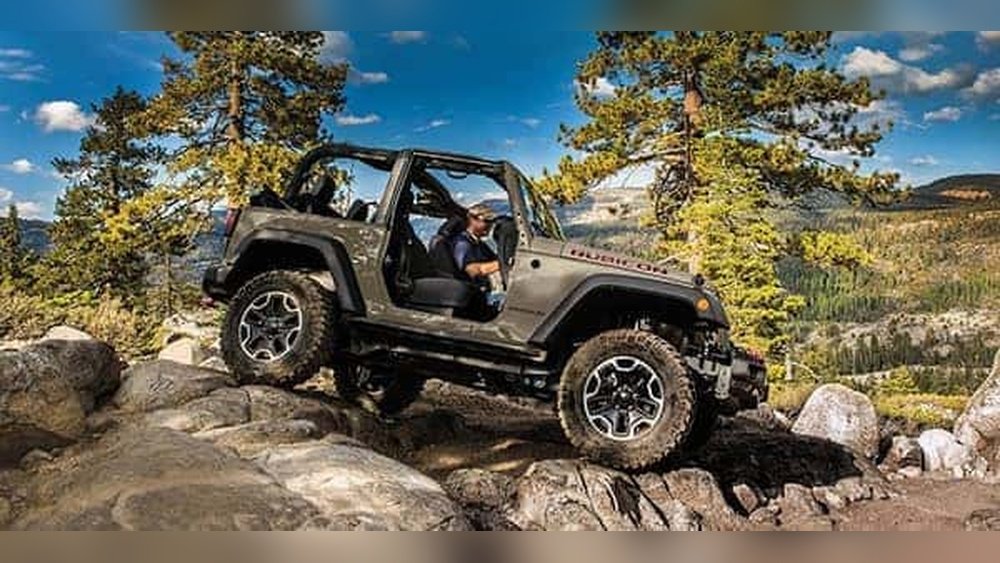
Classic Jeeps such as the Wrangler, Grand Cherokee (older WK), and Cherokee XJ use a rear-wheel drive (RWD) base. This means power goes to the rear wheels in 2WD mode, with 4WD available for tough conditions.
RWD gives better towing, more durable parts, and strong off-road performance. It’s one reason the Wrangler is famous among outdoor enthusiasts.
How To Check Your Jeep’s Drivetrain
Not sure if your Jeep is FWD, RWD, or 4WD? Try these steps:
- Check your owner’s manual: It lists drivetrain type.
- Look at the window sticker: New Jeeps show FWD/4WD/AWD.
- Inspect the shifter: A 4WD lever or dial means it’s not FWD.
- Search your VIN: Use online VIN decoders for details.
When Is Fwd A Good Fit?
FWD Jeeps make sense if:
- You live in a city or suburb
- You want better fuel economy
- You rarely drive off-road
- You want a lower price
But if you plan to tow, drive in deep snow, or go off-road, a 4WD/AWD Jeep is better.
Example: Jeep Compass Drivetrain Choices
Let’s compare two Compass trims to see the impact of FWD vs AWD:
| Trim | Drivetrain | MPG (City/Highway) | Towing (lbs) |
|---|---|---|---|
| Sport (FWD) | Front-wheel drive | 22 / 31 | 2,000 |
| Trailhawk (AWD) | All-wheel drive | 21 / 29 | 2,000 |
Non-obvious insight: FWD and AWD Compasses have the same towing rating, but AWD gives more grip for slippery boat ramps or trails.
Buying Tips: Choosing The Right Jeep Drivetrain
- Test drive both FWD and 4WD/AWD models.
- Think about weather where you live.
- Compare fuel costs and insurance.
- Check ground clearance and approach angles if you want to go off-road.
- Ask your dealer for service history on used Jeeps.
Practical Advice For Owners
If you own a FWD Jeep, keep these tips in mind:
- Rotate tires every 5,000-7,000 miles—front tires wear faster.
- Avoid deep mud or loose sand.
- Use all-season tires for best grip.
- For towing, don’t exceed the lower FWD limit.
Switching from FWD to 4WD is not practical—different models have different chassis and components. Always buy the drivetrain you need from the start.
Frequently Asked Questions
Is There Any Jeep Wrangler With Front-wheel Drive?
No, all Jeep Wrangler models (TJ, JK, JL) use a rear-wheel drive base and standard 4WD. There is no FWD Wrangler.
Are Front-wheel Drive Jeeps Good In Snow?
FWD Jeeps handle light snow well, but AWD or 4WD is better for deep snow or hills. Consider winter tires for added safety.
Can You Convert A Fwd Jeep To 4wd?
No, converting FWD to 4WD is expensive and not recommended. It requires new axles, transfer case, and suspension changes.
Which Jeep Is Best For Off-roading?
Wrangler and Grand Cherokee Trailhawk are top choices. They have 4WD, high clearance, and strong suspension for tough trails.
Where Can I Find More Specs For My Jeep?
Visit the official Jeep website or check trusted resources like Wikipedia for detailed specs by year and model.
—
Relevant internal-link anchor texts:
- Jeep Wrangler reliability guide
- Jeep Grand Cherokee towing capacity
- Difference between AWD and 4WD