Are Jeep Wranglers Unibody
The Jeep Wrangler is an icon of adventure. You see them crawling over rocks, splashing through mud, and cruising city streets.
But have you ever wondered what makes Wranglers so tough? Many people ask: “Are Jeep Wranglers unibody?”
This question matters because the way a vehicle is built affects its strength, performance, and safety. Let’s take a closer look at how the Wrangler’s structure works, and what it means for drivers.
What Is A Unibody Vs Body-on-frame?
Before you can answer whether Wranglers are unibody, you need to understand two main ways cars are made:
- Unibody construction means the body and frame are one piece. Most modern cars use this method. It’s lighter and improves handling.
- Body-on-frame means the body sits on a separate frame. This is common for trucks and some SUVs. It gives extra strength and makes repairs easier.
Here’s a quick comparison:
| Type | Main Features | Common Vehicles |
|---|---|---|
| Unibody | Lighter, better handling, fuel efficiency | Crossover SUVs, sedans |
| Body-on-frame | Strong, easy to repair, good for towing | Pickup trucks, full-size SUVs, Jeep Wrangler |
Many people think all SUVs are the same, but the structure can change how a vehicle feels and performs.
Are Jeep Wranglers Unibody?
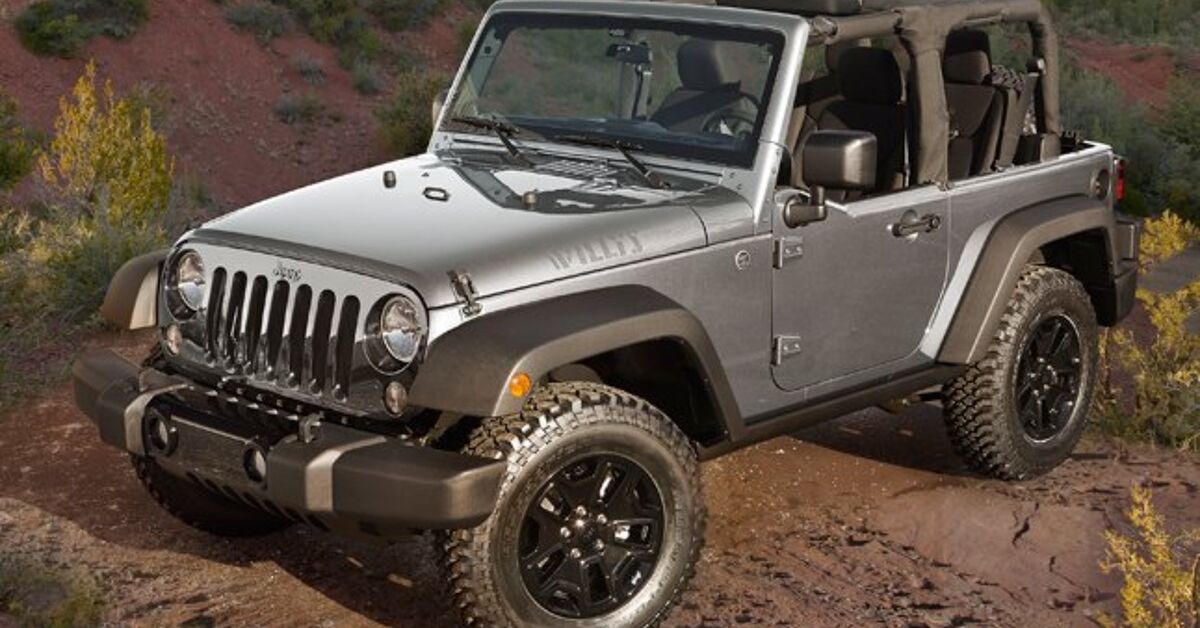
The answer is clear: Jeep Wranglers are not unibody. They use a body-on-frame design. This has been true since the first Wrangler model in 1986. Even the newest Wranglers stick to this classic structure.
Why does Jeep stick with body-on-frame? Because it gives the Wrangler:
- Strong support for off-roading
- Flexibility for modifications
- Durability in tough conditions
Most crossovers today use unibody construction, but Jeep keeps body-on-frame for the Wrangler to protect its reputation as a rugged off-road vehicle.
How Body-on-frame Helps Jeep Wranglers
The body-on-frame design is not just a tradition. It offers real benefits for drivers who want adventure.
1. Superior Off-road Performance
Wranglers can handle rough trails, rocks, and mud thanks to their strong frame. The separate frame absorbs shocks and impacts better than a unibody would.
2. Easy Customization
Many Wrangler owners love to add new parts: bigger tires, lift kits, winches. The frame makes it easier to bolt on accessories without damaging the main body.
3. Better Towing And Hauling
Wranglers can tow small trailers or carry heavy gear. The strong frame supports more weight than most unibody SUVs.
Here’s how the Wrangler compares to a unibody SUV:
| Feature | Jeep Wrangler | Unibody SUV |
|---|---|---|
| Off-road ability | Excellent | Moderate |
| Customization | Easy | Limited |
| Towing capacity | Up to 3,500 lbs | Usually less |
| Weight | Heavier | Lighter |
Real-world Examples
Let’s look at some real data:
- The 2024 Jeep Wrangler has a towing capacity of up to 3,500 pounds.
- The Honda CR-V (a popular unibody SUV) can tow only up to 1,500 pounds.
- Wranglers are often seen with lifted suspensions, aftermarket bumpers, or roof racks. Most unibody SUVs cannot handle these changes.
This shows how the Wrangler’s body-on-frame structure supports more demanding uses.
Why Do Some People Think Wranglers Are Unibody?
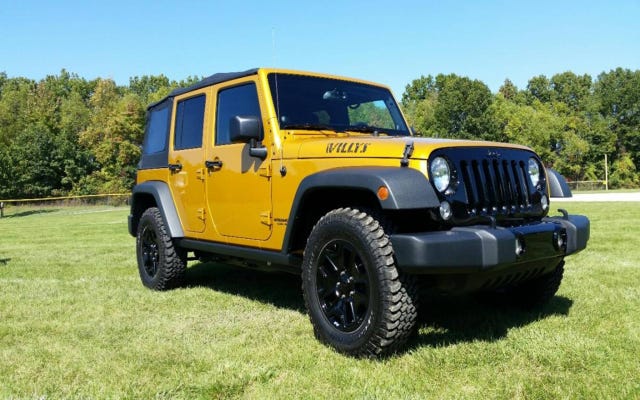
Some confusion comes from marketing. Many SUVs today use the word “rugged” or “adventure,” but they are unibody.
People see Wranglers in the same category and assume they must be unibody too.
Another reason is that Jeep has started making some models with unibody structures. For example, the Jeep Grand Cherokee and Jeep Cherokee use unibody. But the Wrangler sticks with body-on-frame.
Here’s a comparison of Jeep models:
| Model | Structure Type |
|---|---|
| Wrangler | Body-on-frame |
| Grand Cherokee | Unibody |
| Cherokee | Unibody |
It’s important to check the model before making assumptions.
Common Misconceptions And Insights
Many beginners miss these key points:
- Not all Jeeps are the same. Just because a Jeep is an SUV doesn’t mean it has a body-on-frame.
- Body-on-frame is not outdated. Some think it’s old technology, but for off-road vehicles like the Wrangler, it’s still the best choice.
A non-obvious insight: body-on-frame also makes it easier to fix the Wrangler after an accident. Mechanics can replace damaged parts of the frame or body separately, often at lower cost.
Another tip: If you plan to use your Jeep for daily city driving only, unibody SUVs may feel smoother and quieter. But for adventure, Wrangler’s design wins.
If you want more technical details, you can check the official Jeep specifications at Jeep.com.

Frequently Asked Questions
Is The Jeep Wrangler A Unibody Vehicle?
No, the Jeep Wrangler uses a body-on-frame structure. This is different from most modern SUVs, which are unibody.
Why Does The Wrangler Use Body-on-frame Instead Of Unibody?
Body-on-frame gives the Wrangler extra strength for off-roading, easy customization, and better towing. Unibody is lighter, but not as tough for rugged use.
Are Any Jeep Models Unibody?
Yes. The Jeep Grand Cherokee and Jeep Cherokee are unibody. Only the Wrangler and Gladiator stick with body-on-frame.
Can I Upgrade A Unibody Suv Like A Wrangler?
No. Unibody SUVs can’t handle the same upgrades as Wranglers.
The frame makes it possible to add heavy-duty parts safely.
Is Body-on-frame Safer Than Unibody?
Both designs are safe, but in different ways. Body-on-frame is tougher for off-roading and accidents involving the frame.
Unibody can be safer in city crashes because of better crumple zones.
The Jeep Wrangler is not unibody. Its body-on-frame structure is a key reason why it stands out among SUVs.
If you value adventure, strength, and easy upgrades, the Wrangler’s classic design is still hard to beat. Understanding this difference helps you choose the right Jeep for your needs.