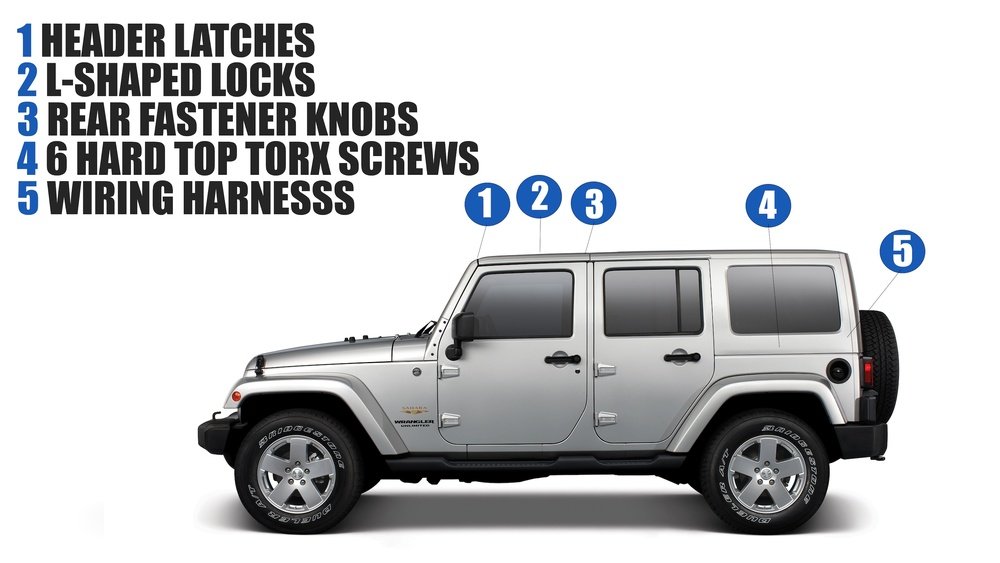
Jeep Wranglers are known for their rugged style and off-road ability. Many owners and buyers wonder if Jeep Wranglers are rear wheel drive or something else.
Understanding how Wranglers move on the road is important for safety, towing, and choosing the right model. This guide explains Jeep Wrangler drivetrains, differences across models, and what you need to know before buying or driving.
Drivetrain Basics: What Does Rear Wheel Drive Mean?
Rear wheel drive (RWD) means the engine sends power only to the rear wheels. This setup is common in sports cars and trucks. RWD gives good balance and handling, but can be harder to control in slippery conditions like snow.
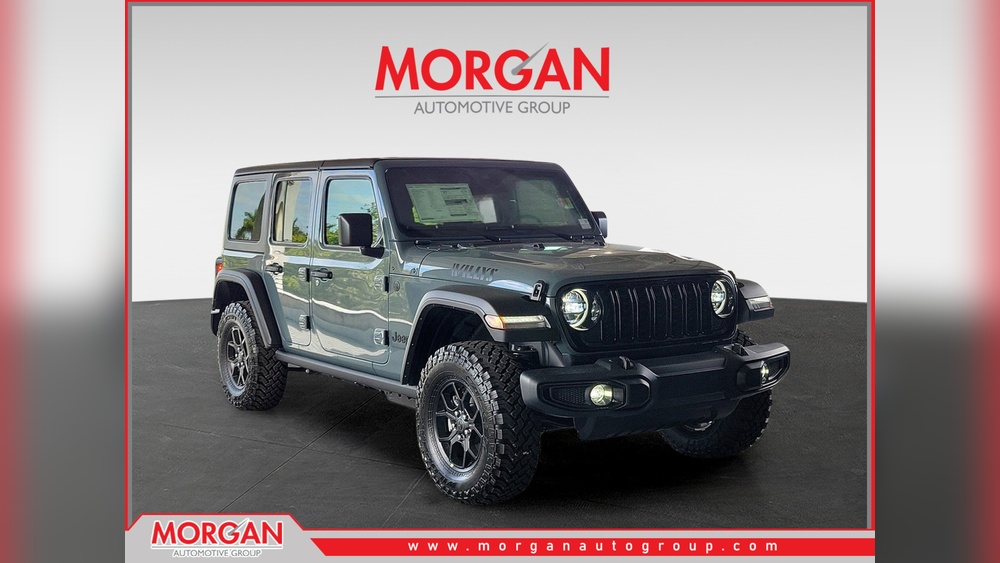
Jeep Wranglers are designed for both city streets and tough trails. Their drivetrain is a big part of their performance.
Most Wranglers are not pure RWD, but their system is more complex.
Are Jeep Wranglers Rear Wheel Drive Or Four Wheel Drive?
Almost all Jeep Wrangler models come standard with four wheel drive (4WD). This means power goes to both front and rear wheels. However, Wranglers use a special system called part-time 4WD. In normal driving, Wranglers operate as rear wheel drive, sending power only to the back wheels. When the driver shifts into 4WD mode, both front and rear axles get power.
Key Wrangler Platforms Compared
Different Jeep platforms have different setups. Here’s a quick comparison:
| Model Platform | Default Drivetrain | 4WD Type | Year Range |
|---|---|---|---|
| TJ | RWD (part-time 4WD) | Manual shift | 1997-2006 |
| JK | RWD (part-time 4WD) | Manual/auto shift | 2007-2018 |
| JL | RWD (part-time/full-time 4WD) | Advanced auto shift | 2018-present |
*Most Wrangler trims (Sport, Sahara, Rubicon) operate as RWD until 4WD is engaged. *
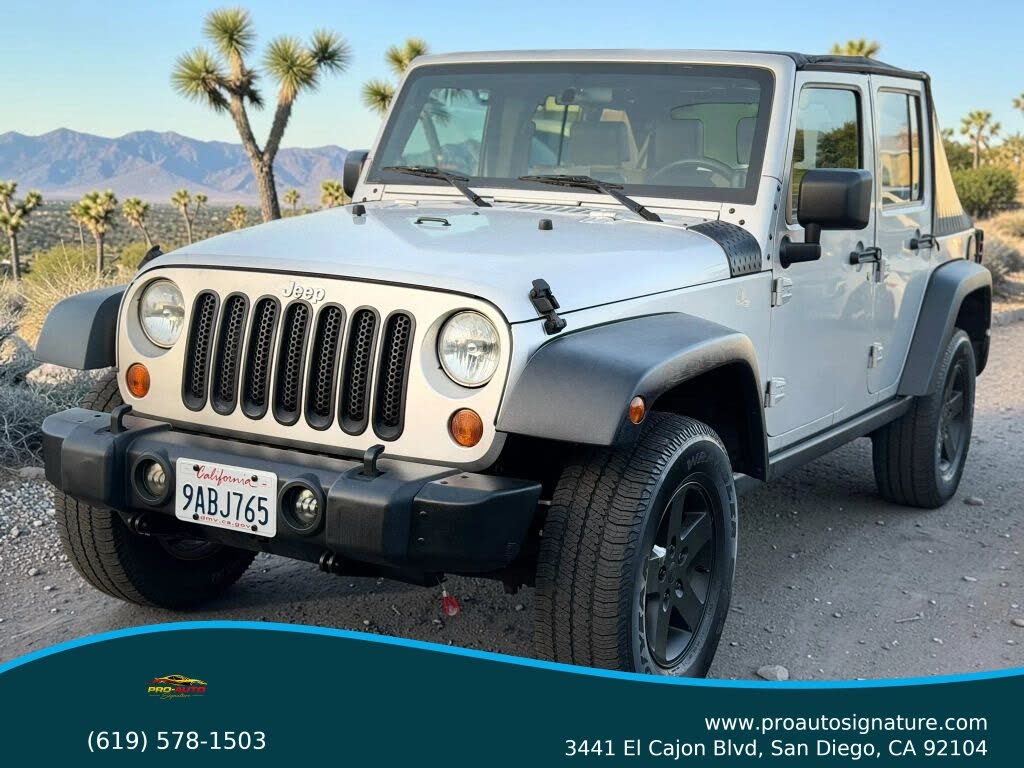
How Jeep Wrangler 4wd System Works
Wranglers use a transfer case to switch between 2WD (RWD) and 4WD. Here’s how it works:
- Normal driving: The transfer case stays in “2H” (two-wheel drive high), sending power to rear wheels.
- Off-road or slippery roads: Shift to “4H” or “4L” (four-wheel drive high/low), sending power to all wheels.
Full-time 4WD is available in some JL models (like Sahara), allowing automatic switching between RWD and 4WD.
Transmission And Engine Details
- Most Wranglers have a manual or automatic transmission paired with 4WD.
- Engines range from 2.0L turbo to 3.6L V6 and 6.4L V8 (Rubicon 392).
- Towing capacity varies by engine and trim, from 2,000 lbs to 3,500 lbs.
Rear Wheel Drive Advantages And Limitations
Wranglers running in RWD mode have some benefits:
- Better fuel economy than full-time 4WD.
- Quieter ride on highways.
- Less wear on 4WD parts.
But RWD-only driving has limits:
- Lower traction in snow, mud, or sand.
- Harder control when towing heavy loads.
If you live in a snowy area, using 4WD improves safety and handling.
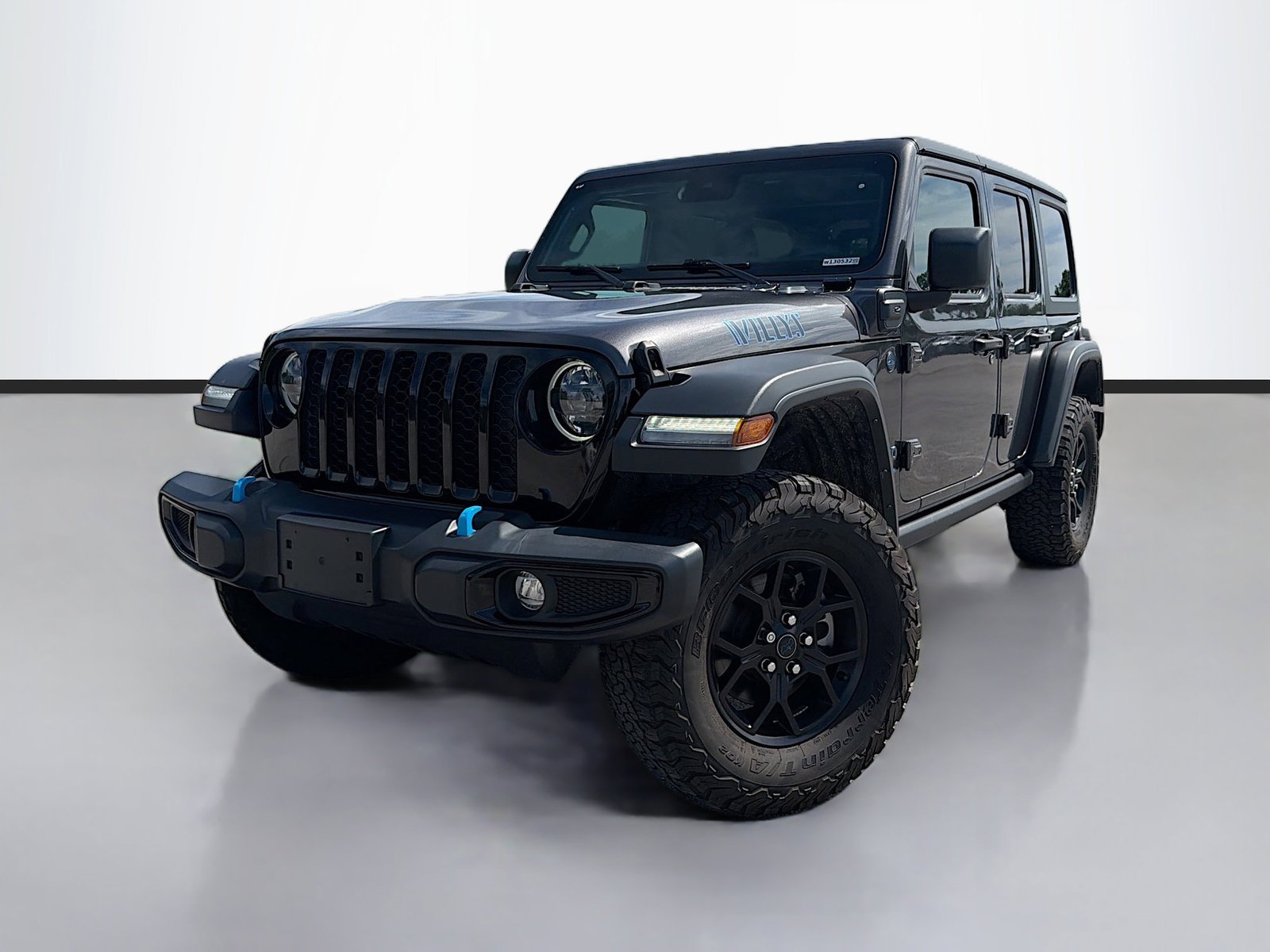
Safety, Towing, And Compatibility
Wranglers are built for off-road and heavy use. Safety depends on knowing when to use RWD or 4WD:
- For towing, always use 4WD if road conditions are slippery.
- For daily driving, RWD mode is fine on dry roads.
- Compatibility: Aftermarket parts (like axles, driveshafts) must match the drivetrain type. Always check your model year and trim.
Here’s a quick specification table for popular Wrangler trims:
| Trim | Engine | Transmission | Max Towing | Drivetrain |
|---|---|---|---|---|
| Sport | 3.6L V6 | 6-speed manual/8-speed auto | 2,000 lbs | RWD/4WD |
| Sahara | 2.0L Turbo | 8-speed auto | 3,500 lbs | RWD/full-time 4WD |
| Rubicon | 6.4L V8 | 8-speed auto | 3,500 lbs | RWD/4WD |
Common Mistakes And Buying Tips
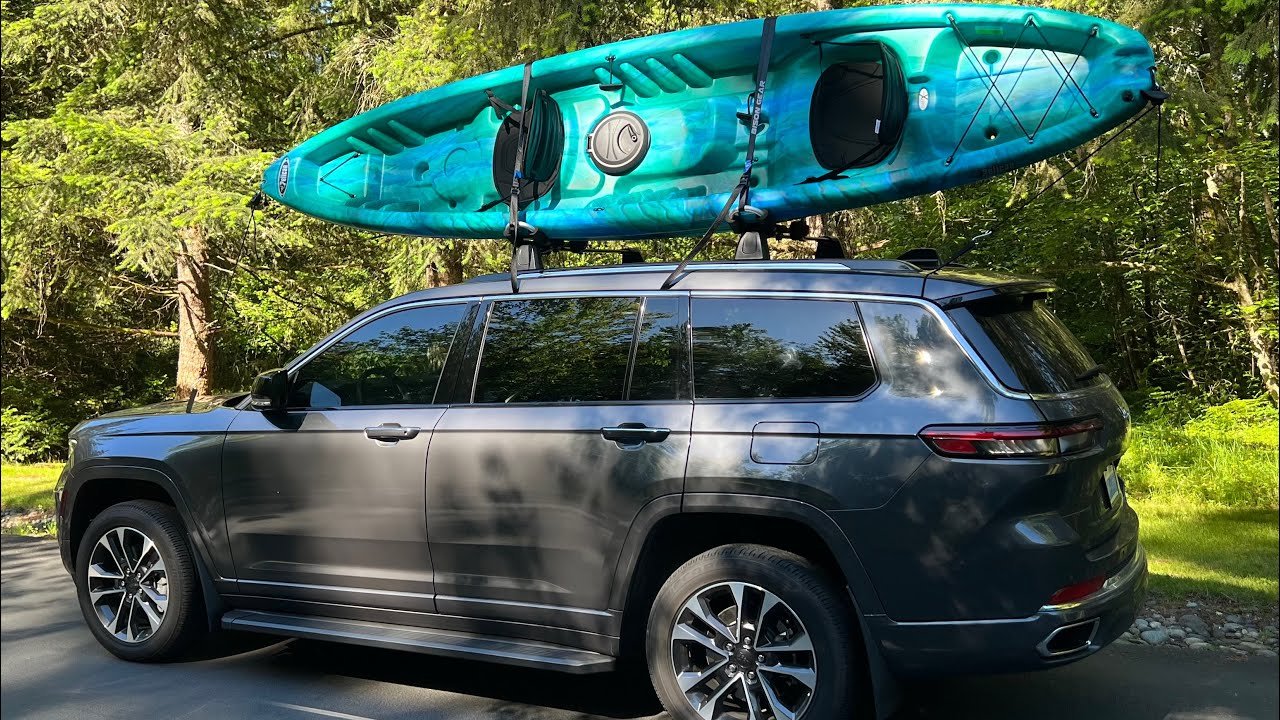
Many buyers confuse rear wheel drive with all wheel drive (AWD). Wranglers are not AWD. They have part-time or full-time 4WD, which is different from AWD in cars like the Jeep Grand Cherokee (WK, WL).
Buying tips:
- Check the transfer case lever. If it has “2H, 4H, 4L” options, it’s part-time 4WD (RWD by default).
- Ask the dealer about full-time 4WD if you want automatic switching.
- For aftermarket upgrades, confirm compatibility with your Wrangler’s platform (JK, JL, TJ).
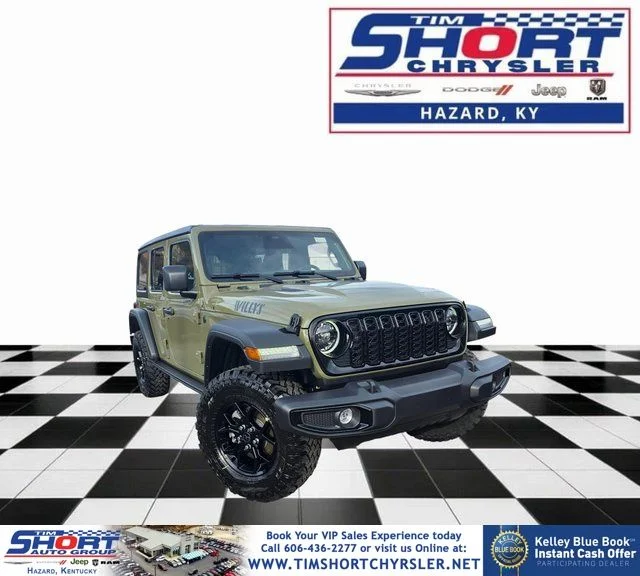
Uncommon Insights For Jeep Owners
- Full-time 4WD in JL Sahara can be safer for beginners, as it handles slippery roads automatically.
- Older Wranglers (TJ, JK) are easier to repair yourself, but newer JL models have electronic systems needing special tools.
If you change tire size or suspension, your Wrangler’s drivetrain may need adjustment. Always check with a specialist.
Frequently Asked Questions
Are All Jeep Wranglers Rear Wheel Drive By Default?
No, most Wranglers use rear wheel drive during normal driving, but are built with part-time or full-time 4WD systems. You can switch to 4WD when needed.
Can I Drive A Wrangler In Rwd Mode All Year?
You can drive in RWD on dry, paved roads. For snow, mud, or steep hills, use 4WD for better traction and safety.
How Do I Know If My Wrangler Has Full-time 4wd?
Check your owner’s manual or ask your dealer. JL Sahara and some newer trims offer full-time 4WD. The transfer case will have “AUTO” mode.
Is Rear Wheel Drive Good For Towing?
RWD works for light towing on dry roads. For heavy loads or slippery conditions, always engage 4WD to avoid loss of control.
Do Other Jeep Models Use Rwd?
Some Jeep SUVs like the Grand Cherokee (WK, WL) offer RWD or AWD. Wranglers focus on part-time or full-time 4WD, with RWD used for normal driving.
Jeep Wranglers are loved for their flexibility and strength. Knowing how their drivetrain works helps you get the most out of your ride—whether you’re cruising in RWD or conquering trails in 4WD. For more details, visit the official Jeep Wrangler page.
Meta description: Are Jeep Wranglers rear wheel drive? Learn how Wrangler drivetrains work, compare models, and discover tips for safe driving and towing.
Suggested internal-link anchor texts:
- Jeep Wrangler maintenance tips
- How to switch between 2WD and 4WD
- Best tires for Jeep Wrangler