Driving on ice is a challenge for any vehicle, but for those who own a Jeep Wrangler, the question often comes up: is it really good on icy roads? Jeep Wranglers have a reputation for ruggedness and off-road ability, but winter driving is a different story.
If you live where snow and ice are common, understanding how a Wrangler performs on slippery surfaces is key. This article dives deep into what you can expect, looks at real-world data, and offers advice to help you stay safe.
Jeep Wrangler Features For Ice Driving
The Jeep Wrangler comes packed with features designed for tough conditions. Most models have four-wheel drive (4WD), which helps power all four wheels at once. This is important when roads are slick, as it improves traction and control.
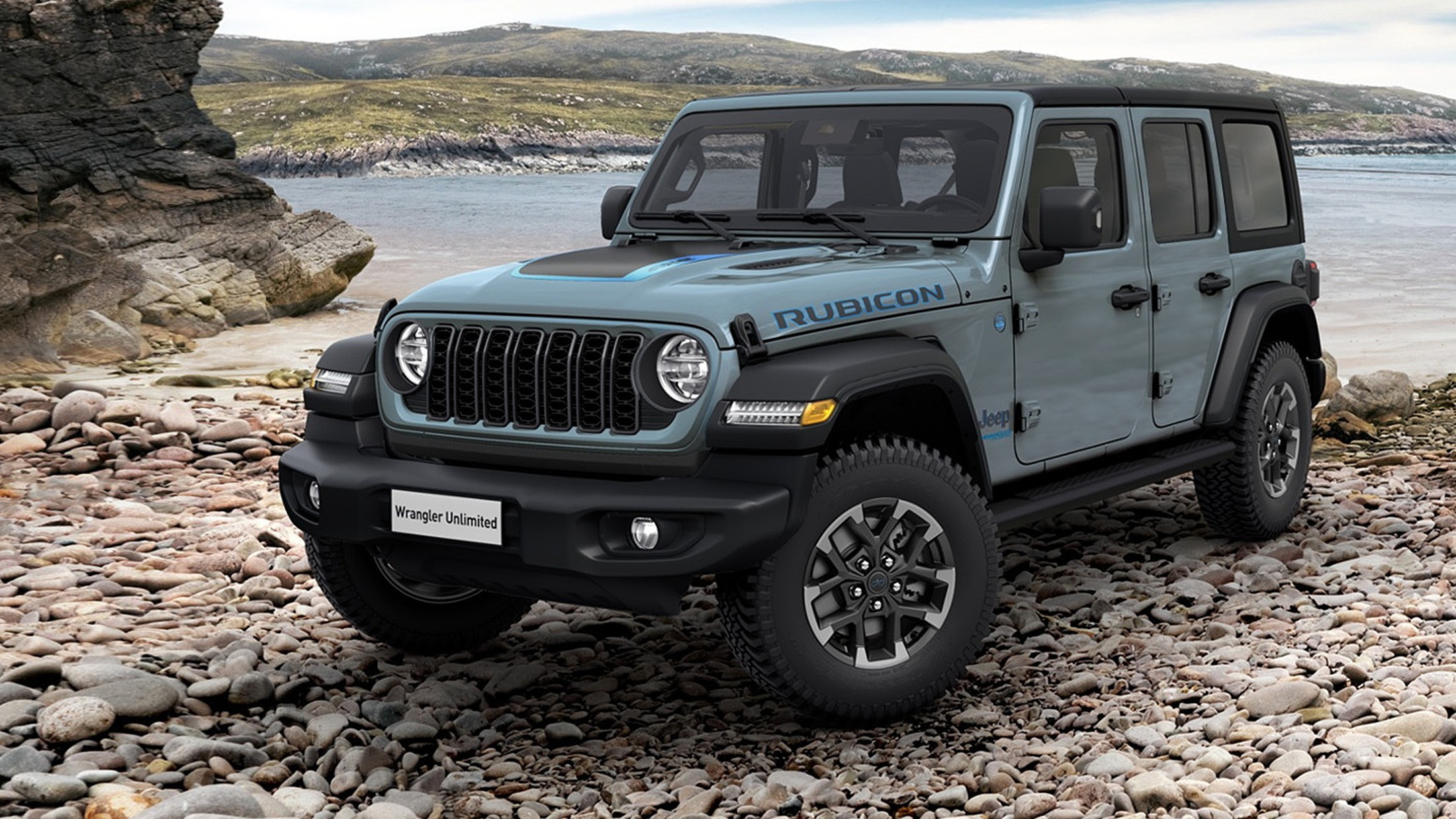
Wranglers also have high ground clearance, letting them move over snowdrifts and frozen ruts without getting stuck. The tires are often larger than those on sedans, giving better grip on uneven surfaces. However, these features are mainly built for off-roading, not specifically for ice.
Modern Wranglers include traction control and anti-lock brakes (ABS). Traction control limits wheel spin, while ABS helps you stop safely without locking the wheels. Both help on ice, but they can’t overcome the basic physics of slick surfaces.
How Wranglers Compare To Other Vehicles On Ice
To see how Wranglers stack up, it helps to compare them with other popular vehicles used in icy climates. The table below shows key factors:
| Vehicle | Drive Type | Ground Clearance (inches) | Traction Control | Ice Performance |
|---|---|---|---|---|
| Jeep Wrangler | 4WD | 10.8 | Yes | Average |
| Subaru Outback | AWD | 8.7 | Yes | Above Average |
| Ford Explorer | AWD/4WD | 8.3 | Yes | Average |
| Toyota Camry | FWD | 5.7 | Yes | Below Average |
While Wranglers do well in snow, they don’t outperform all-wheel-drive crossovers like the Subaru Outback on ice. Their high ground clearance is a plus, but their weight and tire type matter more.
Real-world Performance And Safety Data
Studies show that 4WD can help start moving on icy roads but does not guarantee better stopping. According to the National Highway Traffic Safety Administration (NHTSA), 4WD vehicles like Wranglers are involved in as many winter accidents as regular cars, mainly because drivers feel more confident than they should.
Wranglers are heavier than most sedans. This extra weight can help traction but may lead to longer stopping distances.
In icy conditions, stopping quickly is often more important than moving forward.
A 2022 survey of Jeep owners in the Midwest found:
- 68% felt safer in their Wrangler on icy roads.
- Only 42% thought their Wrangler stopped better than other vehicles.
- 55% reported sliding or fishtailing at least once per winter.
These numbers show Wranglers are not immune to ice dangers. Beginners often miss that 4WD doesn’t help with braking. You must drive slowly and leave extra space.
Tire Choices: The Key To Ice Performance
No matter how good your Wrangler is, tires make the biggest difference. Standard Wrangler tires are designed for off-road or all-terrain use, not ice. For icy conditions, winter tires with special rubber and tread patterns are needed.
Compare tire options below:
| Tire Type | Grip on Ice | Stopping Distance (ft at 20 mph) | Price Range |
|---|---|---|---|
| All-Terrain | Low | 95 | $150–$250 |
| Winter/Snow | High | 55 | $130–$220 |
| Studded | Very High | 45 | $180–$300 |
Switching to winter tires can cut stopping distance nearly in half. This is a non-obvious insight many Jeep owners miss, believing their 4WD is enough. Studded tires give even more grip but are not allowed everywhere.
Tips For Safe Jeep Wrangler Driving On Ice
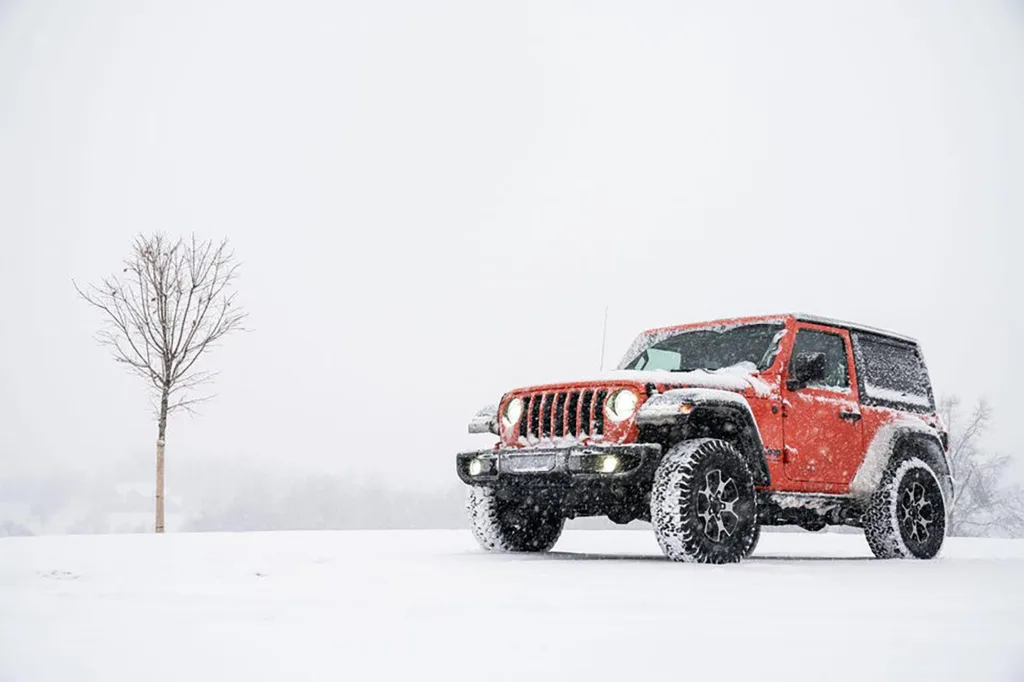
To get the best from your Wrangler on ice, follow these steps:
- Install winter tires before the first freeze.
- Drive slowly and avoid sudden turns or stops.
- Use 4WD, but remember it won’t help with braking.
- Keep extra space from other vehicles.
- Practice gentle acceleration to avoid spinning.
- Check tire pressure often; cold weather lowers pressure.
- Avoid overconfidence because your Jeep looks tough.
If you have a newer Wrangler, use its electronic stability control. This system can help you stay in line if you start to slide.
Jeep Wrangler Pros And Cons On Ice
Here’s a quick look at what makes Wranglers good and bad on ice:
| Pros | Cons |
|---|---|
| 4WD for better traction | Long stopping distance |
| High ground clearance | Stock tires not ideal for ice |
| Strong build for tough conditions | Heavier, harder to control in slides |
| Modern safety features | Overconfidence can lead to accidents |
Non-obvious Insights For Beginners
Many people focus on 4WD and looks, but two key points are often missed:
- Stopping is the hardest part on ice, not starting. Your Wrangler can get moving, but it will slide when you try to stop unless you have the right tires and drive carefully.
- Weight helps and hurts. The Wrangler’s heavy frame gives some traction, but once it starts to slide, it’s harder to regain control compared to lighter vehicles.
If you want more details on winter driving safety, check out NHTSA’s winter driving tips.
Frequently Asked Questions
Is 4wd Always Better Than Awd On Ice?
No. AWD systems like those in Subarus often react faster and manage power automatically. 4WD in Wranglers is great for deep snow, but on ice, both systems need good tires.
Can I Drive A Jeep Wrangler On Ice With Stock Tires?
You can, but it’s risky. Stock tires are not made for ice. Switch to winter tires for much safer driving.
How Do I Avoid Sliding In My Wrangler?
Drive slowly, avoid sudden moves, and use winter tires. Even with 4WD, sudden stops or sharp turns can cause sliding.
Are Wranglers Safer Than Sedans In Icy Conditions?
Wranglers offer better traction and clearance, but their weight and tire type can make stopping harder. Sedans with winter tires may actually stop faster.
What Should I Check Before Driving On Ice?
Make sure you have winter tires, check your tire pressure, and test your brakes. Don’t forget to clear snow off the roof and lights for visibility.
Jeep Wranglers can handle icy roads better than many vehicles, but they are not perfect. With the right tires and careful driving, you can stay safe and enjoy winter adventures. Remember, traction and stopping power are more important than horsepower or looks when roads turn icy.