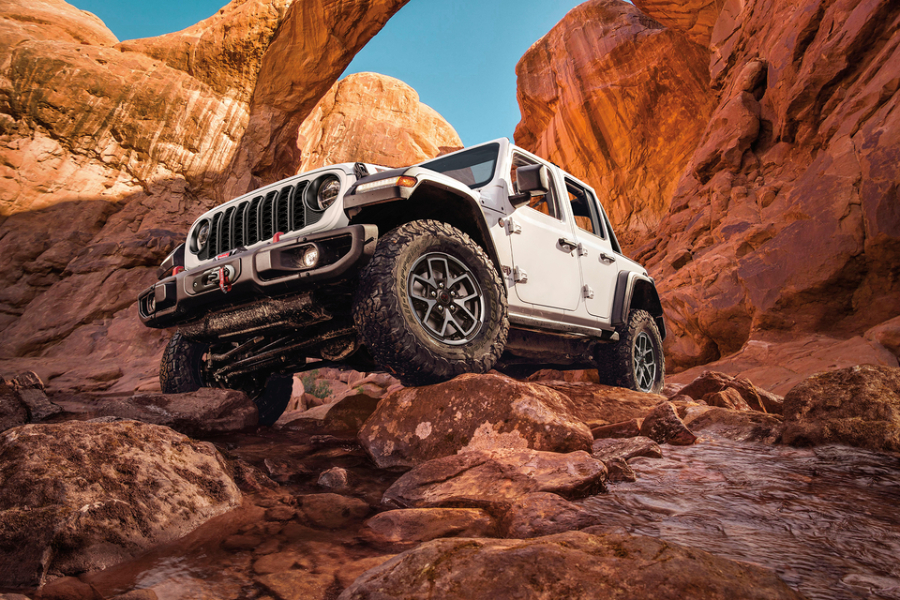
If you ask off-road fans to name the most iconic vehicle for adventure, the Jeep Wrangler will often be at the top. Since its roots in World War II, the Wrangler has built a reputation for taking on tough terrain.
But does it truly live up to the hype? Let’s take a closer look at whether Jeep Wranglers are genuinely good off road, what makes them special, and what you should know before hitting the trail.
What Makes Jeep Wranglers Stand Out Off Road?
The Wrangler is not just a regular SUV with rugged looks. Its design and engineering focus heavily on off-road performance.
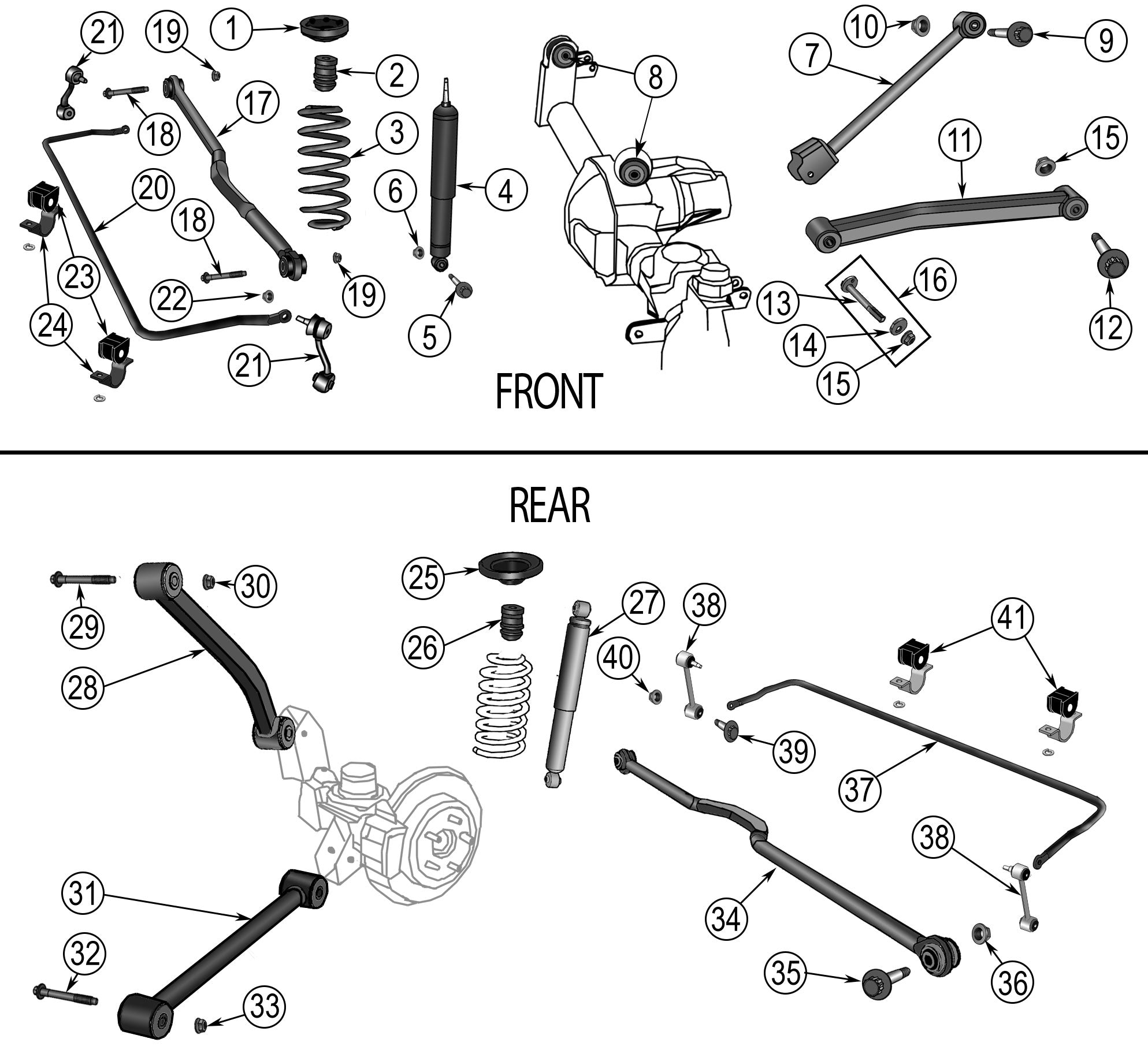
- Solid axles: Both front and rear axles are solid, giving better durability and articulation on uneven ground.
- Short wheelbase: The distance between the front and rear wheels is short, making it easier to turn and climb over obstacles.
- High ground clearance: Most models offer 9-10 inches, letting you clear rocks and deep ruts.
- Four-wheel drive: Standard on most trims, with advanced systems like Rock-Trac for tough trails.
- Removable doors and roof: This is not just for fun—removing them reduces weight and makes navigating tight spaces easier.
Many rival SUVs have shifted to softer, more road-focused designs. The Wrangler stays true to its roots, focusing on raw off-road ability.
Comparing Jeep Wrangler With Other Off-road Vehicles
How does the Wrangler compare to other popular off-road SUVs and trucks? Here’s a quick comparison of some key specs:
| Vehicle | Ground Clearance (inches) | Approach Angle (degrees) | Departure Angle (degrees) |
|---|---|---|---|
| Jeep Wrangler Rubicon | 10.8 | 44 | 37 |
| Toyota 4Runner TRD Pro | 9.6 | 33 | 26 |
| Ford Bronco Badlands | 11.6 | 43.2 | 37 |
| Land Rover Defender 110 | 11.5 | 38 | 40 |
As you can see, the Wrangler holds its own and often beats rivals in approach and departure angles, which are crucial for climbing and descending steep obstacles.
Off-road Features You Get With A Wrangler
Not all Wranglers are the same. The Rubicon trim, for example, is the most off-road focused. Here are some features you’ll find in the best off-road versions:
- Locking differentials: Locks both wheels on an axle, so they spin together for maximum traction.
- Disconnecting sway bars: Lets each wheel move more independently, improving grip on rocky trails.
- All-terrain tires: Standard on some trims, they bite into mud, sand, and snow better than normal tires.
- Skid plates: Protects the underbody from rocks and debris.
Even base models offer solid basics, but true off-roaders often choose the Rubicon or customize their Wranglers further.
Real-world Performance And Reliability
Numbers and features look good on paper, but how does the Wrangler perform off road in real life?
Trail Performance: The Wrangler is one of the few vehicles that can complete the famous Rubicon Trail in California right from the factory. Owners report tackling mud, snow, deep water, and rocky climbs with confidence.
Durability: The Wrangler’s simple mechanics, solid axles, and steel frame mean it stands up to hard use. Many older Wranglers from the 1990s are still active on trails today.
Modifications: Few vehicles have as much aftermarket support. You can add lift kits, winches, bigger tires, and more. This flexibility is a big reason why the Wrangler is a favorite for off-road clubs.
What Beginners Often Miss About Off-roading In A Wrangler
- Tire Pressure Matters: Lowering tire pressure (called “airing down”) increases grip and comfort off road, but you need a way to air them back up for highway driving.
- Not All Wranglers Are Equal: Some trims, like the Sahara, focus more on comfort and less on extreme off-roading. Always check the specs before buying.
- Weight Adds Up: Adding heavy accessories like steel bumpers and winches can lower your Jeep’s ground clearance and affect handling.
- Off-Road Driving Skills: Even the best vehicle can get stuck if you don’t know how to pick lines or use features like lockers.
Cost And Ownership Factors
Owning a Wrangler is not just about off-road fun. Here are some things to consider:
| Cost Factor | Jeep Wrangler | Typical SUV |
|---|---|---|
| Base Price (2024) | $32,000 | $28,000 |
| Fuel Economy (mpg) | 17 city / 25 hwy | 22 city / 30 hwy |
| Resale Value (5 years) | High | Average |
| Maintenance | Average to High | Average |
Insurance and repairs can cost more than a normal SUV, especially if you go off-road often. However, Wranglers hold their value well, so you often recover more when selling later.

Who Should (and Shouldn’t) Buy A Wrangler For Off Road?
Wranglers are best for people who:
- Love exploring rough trails and remote places
- Plan to join off-road clubs or events
- Want to customize their vehicle heavily
But you might look elsewhere if you:
- Want a quiet, smooth ride on highways
- Need lots of cargo space or advanced tech
- Rarely leave paved roads
Many drivers buy Wranglers for the look, but if you don’t plan to go off-road, you’ll pay extra for features you don’t use.
A Few Non-obvious Insights
- Soft top vs. hard top: Soft tops are lighter and easier for trail repairs, but hard tops give better security and weather protection.
- Water fording: Wranglers are rated to cross about 30 inches of water, but always check the air intake and electrical systems before trying deep water.
- Aftermarket parts: Not all are created equal—cheap lifts or tires can hurt handling and safety.

Final Thoughts
The Jeep Wrangler has earned its reputation as a top off-road vehicle. With its solid axles, advanced four-wheel drive, and huge community support, it’s hard to beat for serious trail adventures.
However, it’s not perfect for everyone. Before buying, be honest about your needs, driving style, and budget.
For those who crave adventure, the Wrangler remains one of the best choices on the market.
For more detailed specs and history, visit the official Jeep Wrangler Wikipedia page.
Frequently Asked Questions
Is The Jeep Wrangler Reliable For Off-road Use?
Yes. The Wrangler is designed for off-road use, with a strong frame and simple mechanics.
Many owners report years of reliable use on tough trails, especially with regular maintenance.
Do All Wrangler Models Have The Same Off-road Abilities?
No. Some trims, like the Rubicon, have advanced features (lockers, rock rails, off-road tires).
Other versions, like the Sahara, focus more on comfort and may lack key off-road equipment.
Can You Daily Drive A Wrangler?
Yes, but be aware. The ride is rougher and noisier than most SUVs.
Fuel economy is lower, and wind noise can be high, especially with a soft top.
How Does The Wrangler Compare To The Ford Bronco?
Both are excellent off-road. The Bronco offers similar features and modern tech but has a more refined ride.
The Wrangler has a longer history and more aftermarket parts.
Is The Wrangler Expensive To Maintain?
Maintenance costs are average to high, especially if you go off-road often. Parts are widely available and many repairs are simple, but heavy trail use can add to costs.