Are Jeep Wranglers Bad For The Environment?
The Jeep Wrangler is an iconic vehicle. It’s known for adventure, rugged looks, and off-road ability.
But as people grow more concerned about climate change and air quality, many wonder: Are Jeep Wranglers bad for the environment? This article explores how the Wrangler affects nature, compares it to other cars, and explains what buyers and owners should know.
If you want honest answers, simple explanations, and real data, keep reading.
How Jeep Wranglers Impact The Environment
Fuel Consumption And Emissions
Jeep Wranglers use traditional gasoline engines. These engines usually have lower fuel efficiency. The EPA rates most modern Wranglers at around 17–22 miles per gallon (mpg), depending on the model and driving style. For comparison, average sedans often reach 30–40 mpg. Some compact cars and hybrids push fuel economy even higher, making the gap more noticeable for anyone tracking fuel use or costs.
| Vehicle Type | Average MPG |
|---|---|
| Jeep Wrangler | 17–22 |
| Mid-size SUV | 22–28 |
| Sedan | 30–40 |
| Hybrid | 40–55 |
Lower mpg means Wranglers use more fuel and produce more carbon dioxide (CO2). For example, a Wrangler emits about 450 grams of CO2 per mile. This is higher than many SUVs and far above hybrids or electric vehicles. Over a year of typical driving (about 12,000 miles), this can mean several thousand pounds of CO2 are released into the air, which adds up quickly when you consider the number of Wranglers on the road.
Air Pollution
Besides CO2, Wranglers release nitrogen oxides (NOx) and particulate matter. These gases contribute to smog and can harm your lungs. According to the EPA, Wranglers often score lower on air pollution ratings compared to similar vehicles. Poor air quality from these pollutants can trigger asthma and other breathing problems, especially in cities or busy areas where cars are close together.
Some regions now test vehicles for emissions each year. Wranglers may sometimes require more maintenance or repairs to pass these tests, especially as they age or if used heavily off-road.
Manufacturing And Materials
Wranglers are built for strength, so they use heavy-duty steel and plastics. Producing these materials takes energy and releases greenhouse gases. The manufacturing process for a Wrangler is more resource-intensive than for a smaller, lighter car. Also, Wranglers require more raw materials than smaller cars, increasing their environmental footprint. For example, the steel needed for a Wrangler’s frame and body is much greater than that for a compact car.
Transporting these heavier vehicles also uses more fuel from the factory to the dealership. While some factories use greener energy, the overall process still creates a significant footprint compared to more efficient vehicles.
Off-road Effects
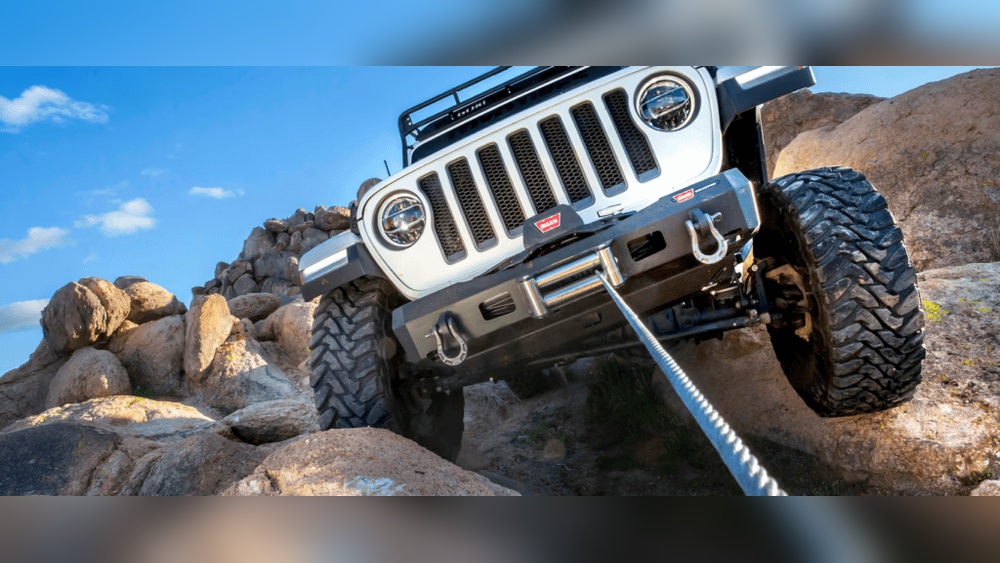
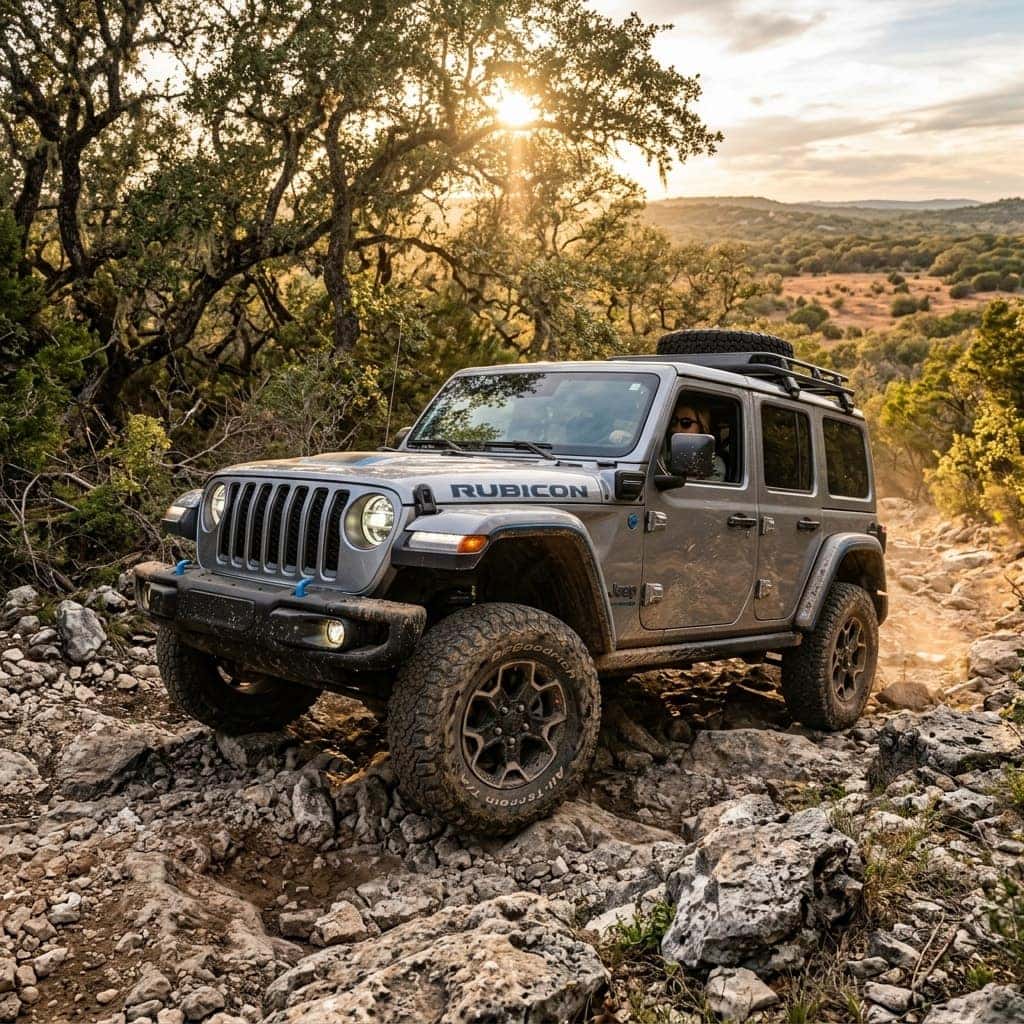
Wranglers shine off-road. But driving off-road can damage soil, plants, and wildlife habitats. Tires churn up dirt, destroy grass, and disturb animals. In protected areas, this harm can last for years. Erosion from repeated off-road driving can change the landscape, create ruts, and make it harder for plants to regrow.
Even if you avoid protected parks, off-roading in forests or deserts can spread invasive plant seeds, cause water runoff problems, and disrupt animal nesting areas. These effects are not always visible right away, but they build up over time.
Comparing Jeep Wranglers To Other Vehicles
Gas Vs Electric
Electric vehicles (EVs) are becoming popular for their lower emissions. Let’s compare the Wrangler to an electric SUV:
| Feature | Jeep Wrangler | Electric SUV |
|---|---|---|
| Fuel Type | Gasoline | Electric |
| CO2 Emissions (g/mile) | ~450 | ~0 (direct) |
| Air Pollution Score | Low | High |
| Average MPG Equivalent | 17–22 | 80–100 |
EVs have almost zero direct emissions. Even when charging from fossil fuels, their carbon footprint is much lower than gasoline vehicles. Plus, electric motors are more efficient, converting more energy from the battery into movement. This means less wasted energy as heat or noise.
Another point is maintenance EVs need fewer repairs related to the engine and don’t require oil changes. This reduces waste and pollution from used motor oil and engine fluids.
Wrangler Vs Other Suvs
Not all SUVs are equally harmful. Some modern SUVs use hybrid engines or are lighter. A hybrid SUV can emit less than 200 grams CO2 per mile. Wranglers, especially older models, often use more fuel and make more pollution. For example, a hybrid Toyota RAV4 or a Ford Escape Hybrid can double the fuel economy of a Wrangler, saving both money and emissions over time.
Also, many new SUVs now use lightweight materials, smaller turbocharged engines, or advanced transmissions to boost efficiency without losing comfort or safety.
Unique Wrangler Traits
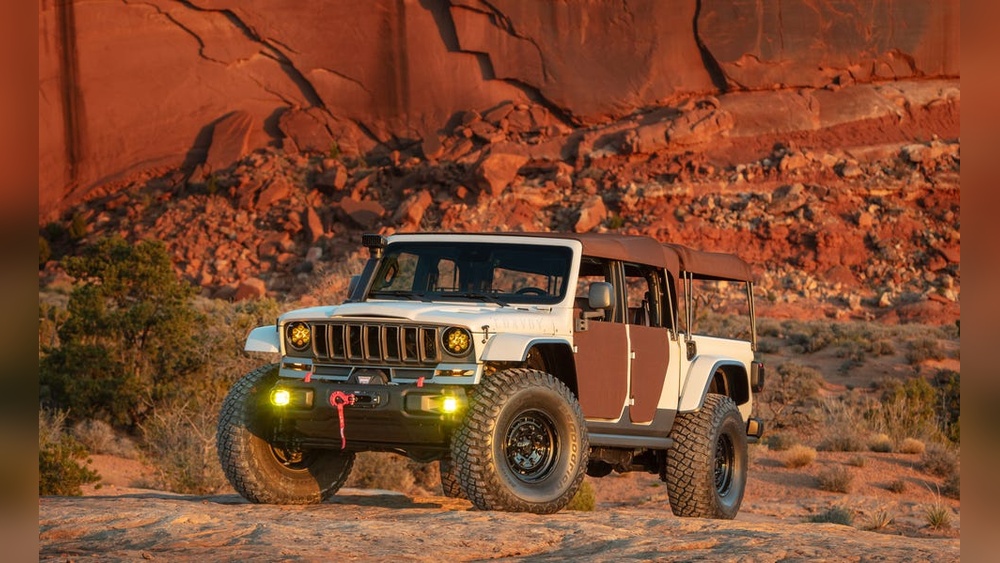
Wranglers have removable tops and doors, which increases drag and lowers fuel efficiency. These features may seem fun, but they also make the vehicle less eco-friendly. Driving with the top off or the doors removed is a signature Jeep experience, but it creates more wind resistance, which means the engine must work harder and burn more fuel.
The boxy shape of a Wrangler is great for off-road visibility but not for aerodynamics. This unique look comes at the cost of more emissions and higher fuel consumption, especially at highway speeds.
Practical Steps To Reduce Wrangler’s Environmental Impact
- Drive less: Try to combine trips and avoid unnecessary driving. Carpool with friends or use public transit when possible. Even short reductions in mileage can lower emissions over time.
- Maintain your vehicle: Regular oil changes and tire checks can improve mpg and lower emissions. Cleaning air filters, using the correct engine oil, and keeping tires inflated all help the engine run smoother and burn less fuel.
- Choose newer models: Newer Wranglers are often more efficient. For example, the 4xe plug-in hybrid version emits less CO2. Looking for models with stop-start systems or mild hybrid tech can also help.
- Use eco-friendly tires: Some tires are designed to reduce rolling resistance. These tires not only save fuel but can also last longer, reducing waste.
- Avoid sensitive areas: Don’t drive off-road in parks or protected habitats. Stick to marked trails and follow local rules. This protects plants and animals, and reduces soil erosion.
These actions may not make your Wrangler “green,” but they do help lower its impact. Small changes in habits, combined with responsible vehicle care, can make a noticeable difference over time.
Two Insights Beginners Often Miss
First, many people think the Wrangler’s rugged durability means it lasts longer, making it less wasteful. While long-lasting cars are better, most Wranglers are used for short trips, which lowers their efficiency. Short drives prevent the engine from reaching its best operating temperature, causing more pollution and faster wear.
Second, some believe off-road driving is harmless because nature “recovers. ” But soil and plants in off-road areas can take decades to heal.
This damage is often invisible until it’s too late. Erosion scars, damaged roots, and lost habitats don’t always look dramatic at first, but over time, they can change entire landscapes and make it harder for wildlife to survive.
Why Jeep Wranglers Still Appeal To Many
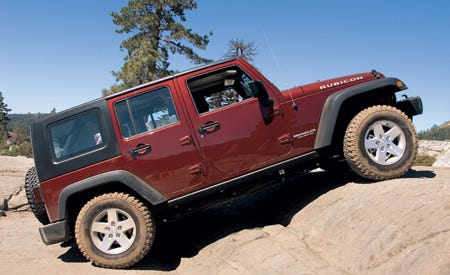
Despite environmental concerns, Wranglers stay popular because they’re unique. Owners love their customization options and outdoor fun. The sense of freedom, community, and adventure is hard to match with other vehicles. For some, the benefits outweigh the drawbacks. But as climate rules tighten, buyers should think carefully about their choices. Choosing a Wrangler is often about lifestyle and personal values, but it’s important to weigh these against the environmental cost.
Frequently Asked Questions
Are Jeep Wranglers More Polluting Than Regular Suvs?
Yes, Wranglers usually emit more CO2 and use more fuel than most SUVs. Their design and weight make them less efficient. Even compared to other off-road vehicles, their mileage and emissions can be noticeably worse.
Is The Jeep Wrangler 4xe Hybrid Better For The Environment?
The 4xe hybrid model is more eco-friendly. It uses electric power for short trips and emits less CO2. But it still produces emissions when running on gasoline. In cold weather or long highway drives, the gas engine will still run, so benefits depend on how you use the vehicle.
Do Jeep Wranglers Harm Wildlife When Driven Off-road?
Yes, off-road driving can damage plants, soil, and animal habitats. The harm often lasts a long time, especially in sensitive areas. Some impacts, like compacted soil or lost nesting sites, can last for decades or more.
What Are The Main Reasons Wranglers Are Less Eco-friendly?
Key reasons include low fuel efficiency, high emissions, heavy materials, and off-road damage. Their unique features also lower their environmental score. The boxy shape and fun add-ons, while appealing, also reduce aerodynamic efficiency.
Can Wranglers Be Made Greener?
Some improvements help, like hybrid engines, better maintenance, and responsible driving. But Wranglers will always have limits due to their design. Choosing greener tires, using low-resistance fluids, and following best driving practices can help, but won’t close the gap with efficient cars.
Jeep Wranglers offer adventure and fun. But their environmental impact is real and significant. If you care about nature, consider your driving habits and explore greener options. For more detailed emissions data, visit the EPA Green Vehicles guide. Making informed choices helps protect our planet for the next generation.