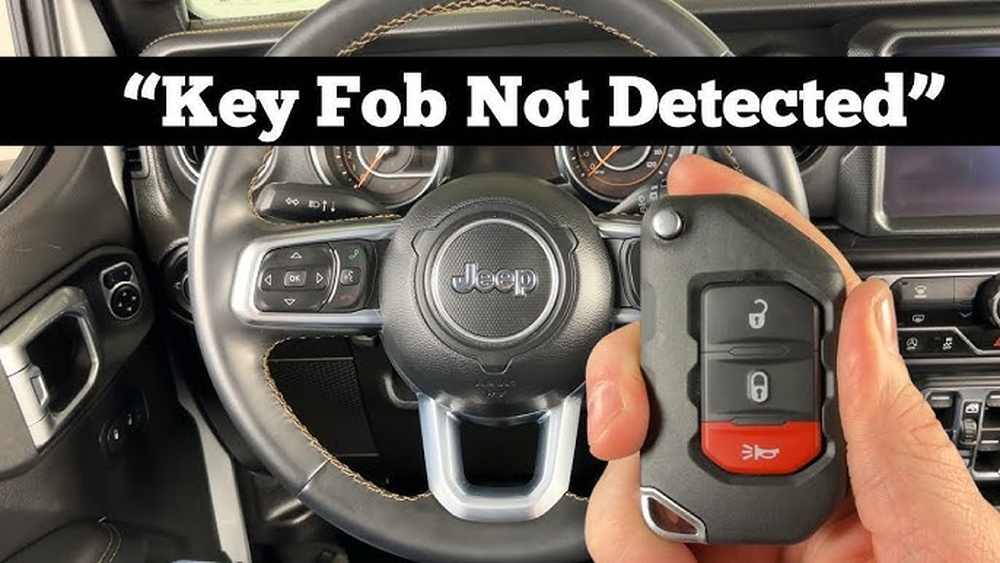
Owning an SUV is a dream for many, and Jeep SUVs often come to mind first. Their rugged look, adventurous history, and bold branding promise something unique. But are Jeep SUVs really good cars for everyday life, or is the reality different from the image? Let’s take a clear, honest look at what Jeep SUVs offer, where they shine, and where they fall short.
What Makes Jeep Suvs Stand Out?
For decades, Jeep has been a symbol of off-road capability and freedom. The brand started with military vehicles in the 1940s and has kept its adventurous spirit. Today, Jeep sells models like the Wrangler, Grand Cherokee, Cherokee, and Compass. Each has its own strengths, but all share a few key traits:
- Legendary off-road performance: Features like four-wheel drive, high ground clearance, and strong suspensions make Jeeps ideal for rough trails.
- Iconic design: The boxy look and seven-slot grille are easy to spot.
- Active lifestyle focus: Many Jeeps come with roof rails, tow hooks, and options for outdoor gear.
Some buyers love these qualities. If you need a vehicle for snow, mud, or mountain roads, it’s hard to beat a Jeep. But there’s more to the story.
Reliability: A Mixed Reputation
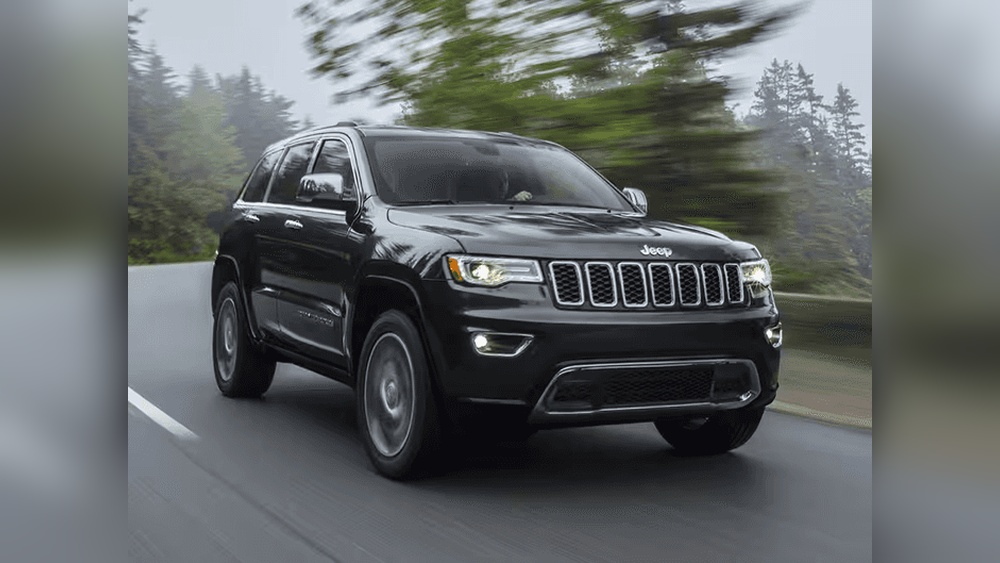
One of the most important questions is: Are Jeep SUVs reliable? The answer depends on the model and year. Reliability scores for Jeep vary. According to Consumer Reports and J.D. Power, recent Jeep models often score below average for dependability.
Here’s a quick look at reliability ratings (out of 5):
| Model | 2022 Reliability Score | Long-Term Repair Cost (5 years) |
|---|---|---|
| Wrangler | 2.0 | $4,800 |
| Grand Cherokee | 2.5 | $5,100 |
| Cherokee | 2.0 | $4,900 |
| Compass | 2.5 | $4,700 |
Many owners report transmission issues, electrical problems, and higher-than-average repair bills, especially after the warranty ends. Still, newer models are showing improvements, with more focus on quality and better tech.

Performance And Everyday Comfort
Jeep SUVs are famous for off-road ability, but what about daily driving? Let’s compare some key features:
| Model | MPG (City/Highway) | Cargo Space (cu ft) | 0-60 mph (sec) |
|---|---|---|---|
| Wrangler (4dr) | 17/23 | 31.7 | 6.1 |
| Grand Cherokee | 19/26 | 37.7 | 7.4 |
| Cherokee | 21/29 | 25.8 | 7.6 |
| Compass | 22/31 | 27.2 | 9.3 |
Wrangler: Best for adventure, but rides rough and is noisy on highways.
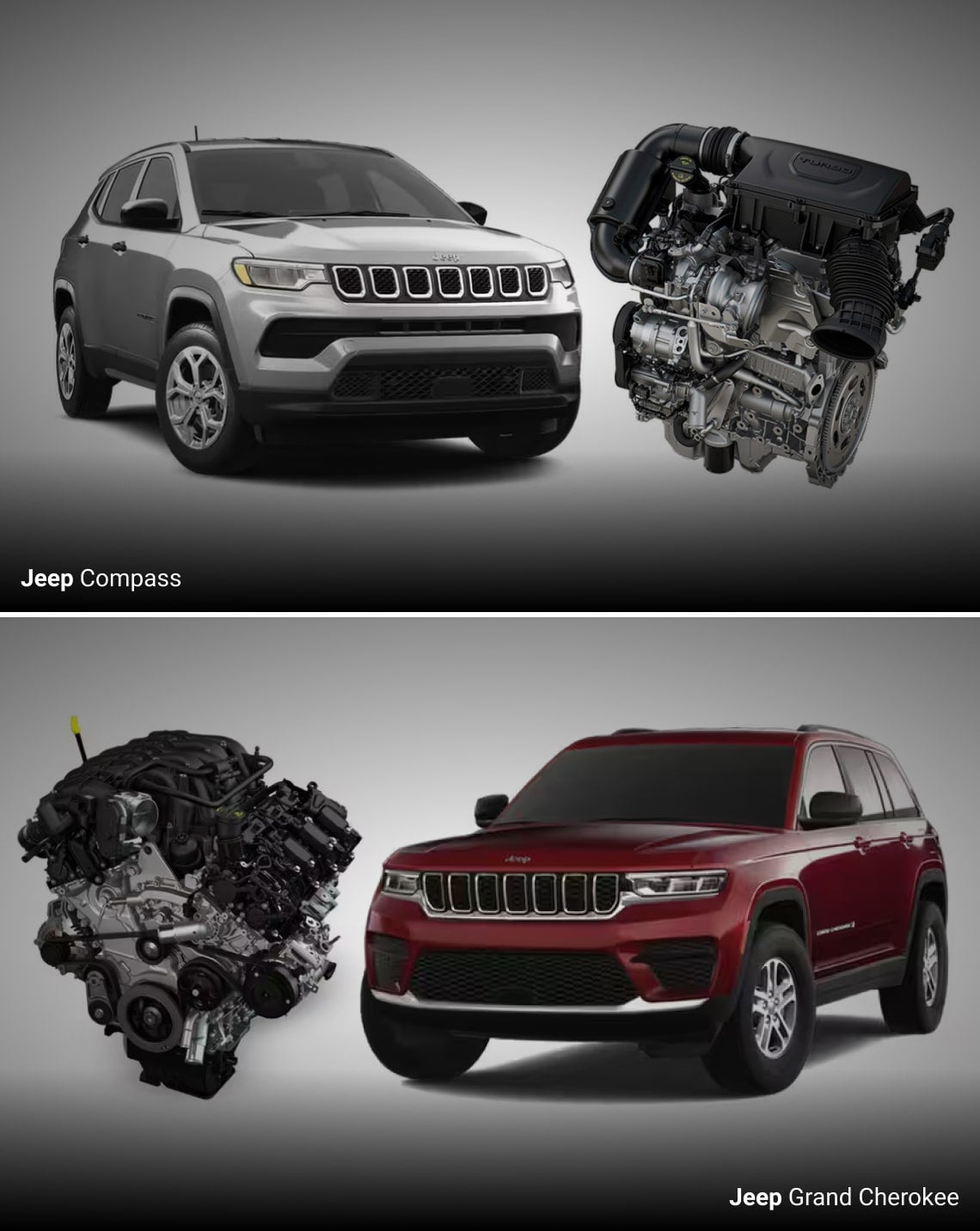
Grand Cherokee: More comfortable and refined, suitable for families, but uses more fuel than some rivals.
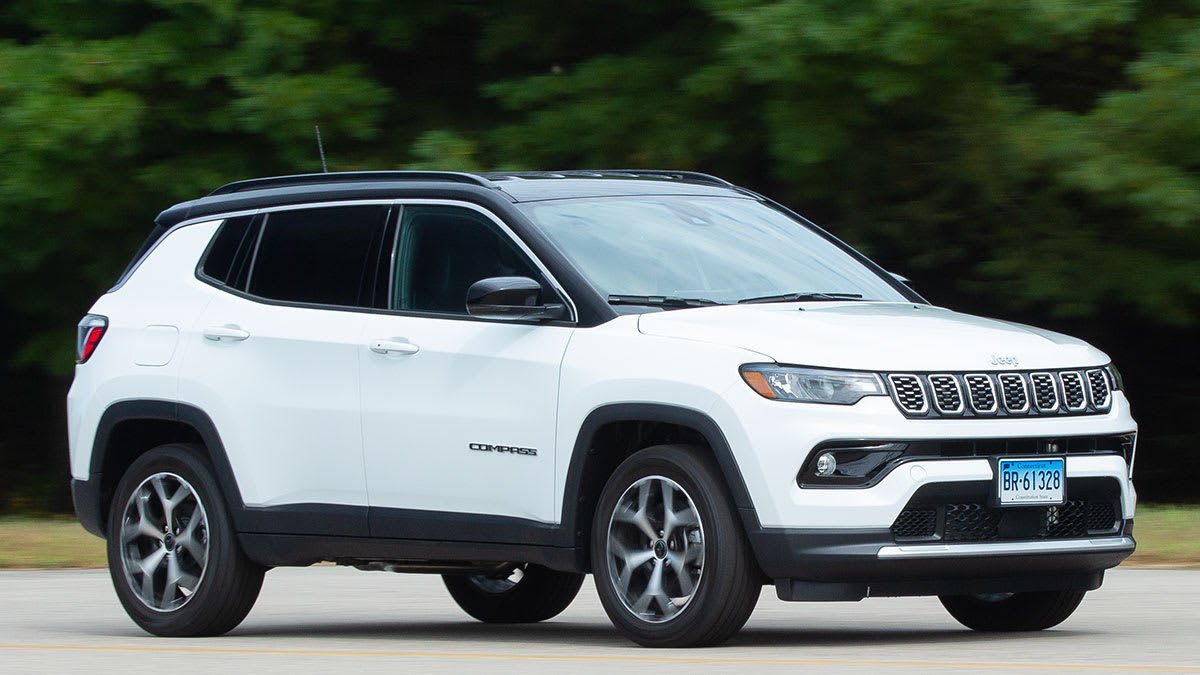
Cherokee/Compass: Smaller, easier to park, but not as powerful or roomy as other compact SUVs.
A non-obvious insight: Jeep models often have less cargo space and lower fuel economy than competitors. If you want a quiet, smooth ride for long commutes, a Toyota or Honda SUV might feel more comfortable.
Safety And Technology
Safety is critical for any car. Recent Jeep SUVs come with modern safety features like blind-spot monitoring, lane-keeping assist, and automatic emergency braking. The Grand Cherokee and Wrangler received good crash-test scores, but smaller models like the Compass sometimes lag behind rivals in safety ratings.
For tech, new Jeeps offer Uconnect infotainment systems, Apple CarPlay, Android Auto, and optional navigation. These systems are easy to use, but some owners report slow screen response or minor glitches.
Cost Of Ownership
Buying a Jeep often means paying more for off-road features. But the true cost includes maintenance, insurance, and fuel. Here’s a quick comparison of five-year cost of ownership:
| Model | 5-Year Maintenance | Average Annual Insurance | Fuel Cost (5 years) |
|---|---|---|---|
| Wrangler | $4,800 | $1,400 | $8,000 |
| Grand Cherokee | $5,100 | $1,500 | $7,500 |
| Cherokee | $4,900 | $1,350 | $7,200 |
| Compass | $4,700 | $1,300 | $7,000 |
One practical tip: Regular maintenance is key. Skipping oil changes or ignoring warning lights can lead to expensive repairs, especially with Jeep’s complex 4×4 systems.
Who Should (and Shouldn’t) Buy A Jeep Suv?
Jeeps are excellent for adventure lovers. If you camp, hike, or live where roads get rough, they’re hard to beat. They’re also fun for those who want a vehicle that feels different from the usual crossover.
However, if your main priorities are reliability, low cost of ownership, and quiet comfort, you might find better value in other brands. Many Jeep owners are loyal because they love the brand’s spirit, not just the features.
A common mistake is buying a Wrangler for looks alone. The Wrangler is unique but less comfortable for city driving.
Think carefully about your real needs—not just the image.
Frequently Asked Questions
Is Jeep A Luxury Brand?
No, Jeep is not a luxury brand. The Grand Cherokee offers some luxury trims, but most Jeep models focus on ruggedness and off-road ability, not high-end luxury.
How Long Do Jeep Suvs Typically Last?
With regular care, a Jeep SUV can last 150,000 to 200,000 miles. However, older models or those with poor maintenance may see more repairs as they age.
Are Jeep Suvs Good For Families?
The Grand Cherokee is suitable for families, offering space and comfort. The Wrangler is less ideal due to a stiff ride and less cargo room.
Do Jeep Suvs Hold Their Value?
Some models, like the Wrangler, keep their value well. Others, such as the Cherokee, may depreciate faster. Resale depends on the model and condition.
Where Can I Find More Detailed Reliability Data?
For in-depth reliability scores and owner reviews, visit the Consumer Reports Jeep page.
Jeep SUVs are not perfect, but for those who value adventure, style, and off-road power, they offer something few others can match. Carefully weigh your priorities, read owner reviews, and, if possible, test-drive before making your decision.