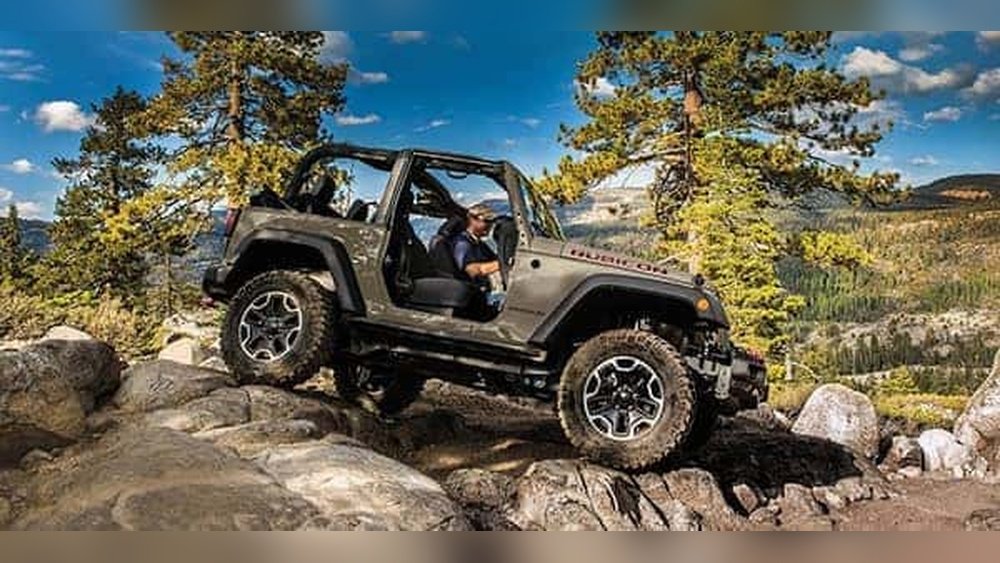
When you hear the name Jeep Rubicon, you probably picture a tough vehicle climbing over rocks and driving through mud. Many people love the Jeep Rubicon for its off-road skills and unique style. But if you are thinking about buying one, you might ask: “Are Jeep Rubicons reliable?” Let’s break down what you need to know before you make a decision.
What Makes The Jeep Rubicon Special?
The Jeep Wrangler Rubicon is a top trim level of the Wrangler series. It’s built for serious off-roading, with features like locking differentials, strong axles, and high ground clearance. The Rubicon is not just for show—it’s designed to tackle tough terrain that other SUVs can’t handle.
Most Rubicons come with:

- Rock-Trac 4×4 system for better control on rocks
- Dana 44 axles for extra strength
- Disconnecting sway bars to improve wheel movement
- Aggressive tires for grip on loose ground
These features set the Rubicon apart from regular SUVs, but they also add complexity. More parts mean more chances for something to break, especially if the vehicle is pushed hard.
Reliability Ratings And Real-world Experience
How reliable is the Jeep Rubicon in daily life? Let’s look at some numbers and feedback from owners.
Data From Trusted Sources
Many car experts measure reliability using repair records, owner surveys, and tests. Here’s how the Jeep Wrangler (including the Rubicon) compares to other SUVs:
| Model Year | J.D. Power Reliability Score | Consumer Reports Reliability |
|---|---|---|
| 2020 | 78/100 | 2/5 |
| 2021 | 81/100 | 2/5 |
| 2022 | 83/100 | 3/5 |
J.D. Power scores above 80 are good, but not class-leading. Consumer Reports tends to rate the Rubicon below average for reliability, mainly due to electrical and minor mechanical issues.
What Owners Say
Many Rubicon owners love their vehicles. They often praise:
- Off-road performance
- Strong resale value
- Fun driving experience
However, some mention problems like:
- Electrical glitches (touchscreen, sensors)
- Water leaks (especially in removable roof models)
- Suspension wear after heavy off-roading
It’s important to remember: Rubicons are designed for adventure, not just city driving. If you mostly use it on highways, you might find the ride firm and the fuel economy low.

Common Issues With Jeep Rubicons
While many people enjoy trouble-free ownership, some issues are more common in Rubicons than other SUVs. Here’s a closer look:
- Electronics: The Uconnect infotainment system is modern but sometimes buggy. Owners report screen freezes or Bluetooth problems.
- Steering and Suspension: Some Rubicons developed a “death wobble”—a strong shaking of the steering wheel—after hitting bumps. This often happens in lifted or heavily modified Jeeps.
- Roof Leaks: Models with the Freedom Top (removable hard roof) sometimes let water in during heavy rain.
- Transmission: A few drivers experienced shifting problems, especially in automatic models built before 2020.
Most of these problems are fixable under warranty, but repairs can be expensive if you’re out of coverage.
Maintenance Costs: What To Expect
Owning a Jeep Rubicon can be more expensive than owning a smaller SUV or sedan. Here’s a simple comparison for yearly maintenance:
| Vehicle | Average Annual Maintenance |
|---|---|
| Jeep Wrangler Rubicon | $650 |
| Toyota 4Runner | $520 |
| Honda CR-V | $400 |
Rubicons cost more to maintain because of their complex 4×4 systems and heavy-duty parts. Off-roading can also increase wear and tear.
Two Key Insights For New Owners
- Factory Parts vs. Aftermarket Mods: Many reliability complaints come after owners add aftermarket lift kits, tires, or bumpers. Keeping your Rubicon close to factory spec usually means fewer problems.
- Regular Checkups: Even if you don’t go off-road, check the suspension, seals, and electronics often. Small issues can become big if ignored.

How The Rubicon Compares To Other Off-road Suvs
Is the Jeep Rubicon more reliable than its main competitors? Here’s a quick look:
| Model | Reliability | Off-Road Ability | Resale Value |
|---|---|---|---|
| Jeep Rubicon | Average | Excellent | High |
| Toyota 4Runner TRD Pro | Above Average | Very Good | High |
| Ford Bronco Badlands | Average | Very Good | Moderate |
Toyota 4Runner is known for reliability but is less extreme off-road. Ford Bronco is newer, so long-term reliability is less proven.
Is The Jeep Rubicon Right For You?
The Rubicon is a great choice if you want:
- Serious off-road performance
- Classic Jeep style
- Strong resale value
But you may want to look elsewhere if you need:
- Smooth, quiet highway driving
- Low maintenance costs
- Top reliability scores
The Rubicon is best for drivers who understand that a vehicle built for adventure may require more attention.

Frequently Asked Questions
Is The Jeep Rubicon Good For Daily Driving?
The Rubicon can be used every day, but its ride is firm and fuel economy is lower than most SUVs. It’s best if you enjoy both city and off-road driving.
How Long Does A Jeep Rubicon Last?
With regular care, a Jeep Rubicon can last over 200,000 miles. Off-roading or skipping maintenance can shorten its life.
Does Jeep Offer A Good Warranty For Rubicon Models?
Yes, new Rubicons come with a 3-year/36,000-mile basic warranty and a 5-year/60,000-mile powertrain warranty. This covers most major repairs early on.
Are Rubicon Parts Expensive?
Parts can cost more than those for smaller SUVs, especially for the 4×4 system and axles. Choosing original parts and regular service helps reduce breakdowns.
Where Can I Find More Detailed Jeep Reliability Data?
You can read more on the Jeep Wrangler Wikipedia page for detailed history, specifications, and owner reviews.
The Jeep Rubicon remains a favorite for off-road fans who accept a few extra repairs in return for adventure. If you know what to expect and keep up with maintenance, a Rubicon can be a rewarding vehicle for many years.