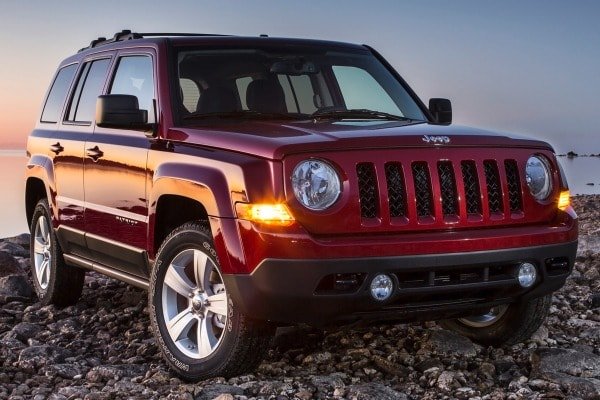
Many drivers want an SUV that gives them both freedom on the road and good gas mileage. The Jeep Patriot is one of Jeep’s most affordable compact SUVs, known for its simple design and budget-friendly price. But is the Jeep Patriot good on gas? Let’s explore how the Patriot performs in real-world fuel economy, how it compares to other SUVs, and the factors that affect its gas mileage.
Jeep Patriot Gas Mileage: The Numbers
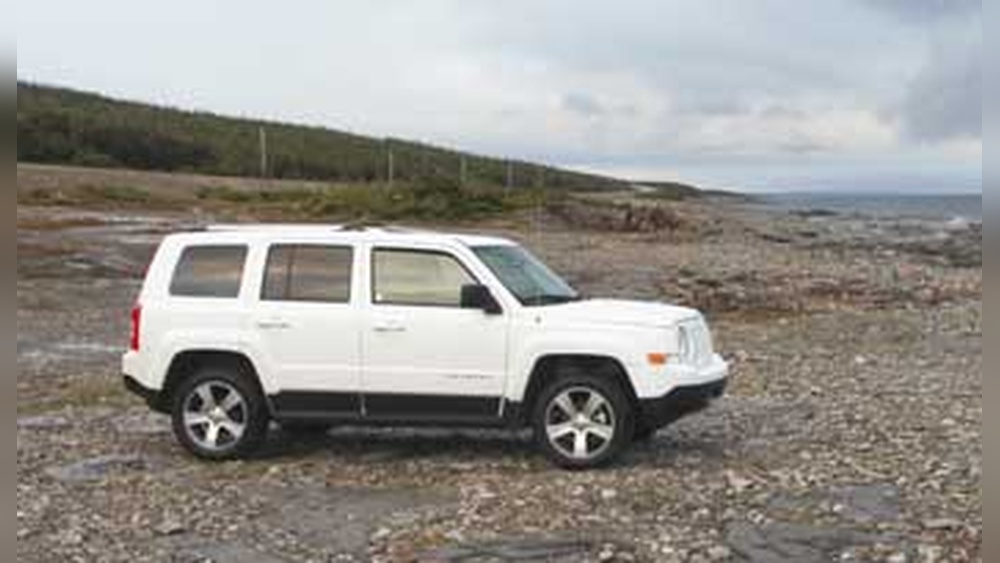
The Jeep Patriot was produced from 2007 to 2017. It comes with two main engine options: a 2.0-liter and a 2.4-liter four-cylinder. Both engines are paired with either a five-speed manual, a six-speed automatic, or a CVT (continuously variable transmission).
Here’s what the official EPA ratings say for the most common Patriot models:
| Model Year | Engine | Transmission | Drive | City MPG | Highway MPG | Combined MPG |
|---|---|---|---|---|---|---|
| 2017 | 2.0L | Manual | FWD | 23 | 30 | 26 |
| 2017 | 2.4L | Automatic | FWD | 21 | 27 | 23 |
| 2017 | 2.4L | Automatic | 4WD | 20 | 23 | 21 |
For a small SUV, these numbers are average. Most owners report getting close to the EPA estimates in daily driving. However, some notice the gas mileage drops with older models or rough driving conditions.
How The Patriot Compares To Other Compact Suvs
It’s helpful to see how the Jeep Patriot stands against its rivals. Here’s a quick comparison with popular competitors:
| Model | Year | Engine | Combined MPG |
|---|---|---|---|
| Jeep Patriot | 2017 | 2.0L (Manual) | 26 |
| Honda CR-V | 2017 | 2.4L (Auto) | 28 |
| Ford Escape | 2017 | 2.5L (Auto) | 24 |
| Toyota RAV4 | 2017 | 2.5L (Auto) | 26 |
The Patriot’s numbers are not class-leading, but they are competitive, especially for an SUV with off-road capability. If you pick the front-wheel-drive (FWD) version with a manual transmission, you get the best gas mileage. The 4WD models use more fuel, especially with the automatic or CVT.
Real-world Factors That Affect Patriot’s Gas Mileage
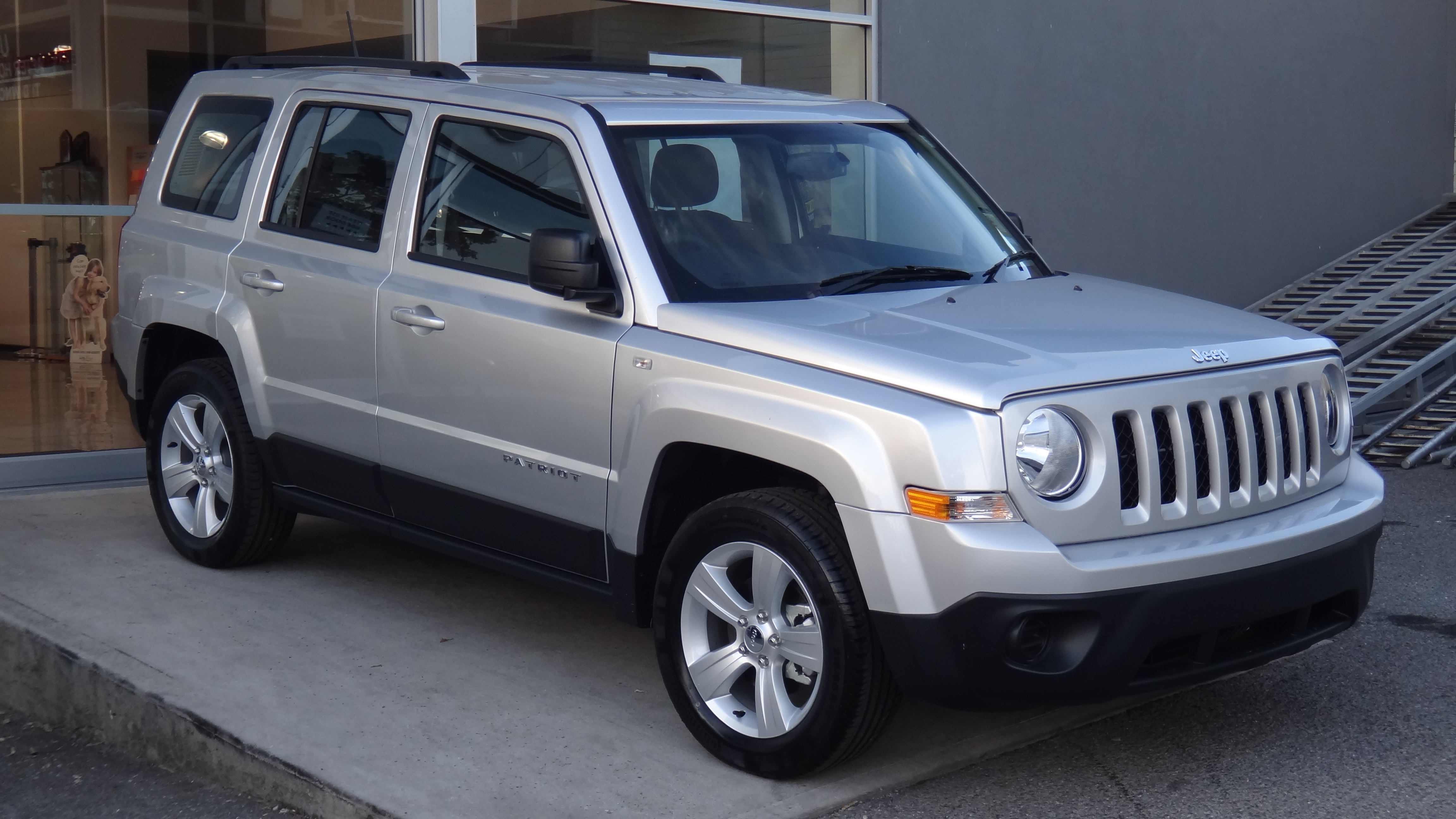
Official numbers are helpful, but real-world driving often tells a different story. Here are key factors that can change your Jeep Patriot’s gas consumption:
1. Driving Habits
Fast acceleration, heavy braking, and high speeds can lower your MPG. Smooth, careful driving saves gas.
2. Maintenance
Old spark plugs, dirty air filters, or under-inflated tires can make your Patriot use more fuel. Regular maintenance is important.
3. Weather And Terrain
Cold weather, hills, or off-road driving can all reduce gas mileage. The Patriot’s 4WD system, when used, also uses more fuel.
4. Load And Cargo
Carrying extra weight, like gear or passengers, will make the engine work harder and burn more gas.
5. Transmission Choice
Manual transmissions are usually more efficient in the Patriot. The CVT, especially in older models, is known for lower reliability and sometimes worse MPG.
Non-obvious Insights About Patriot’s Gas Mileage
Many first-time Patriot owners miss a few important points:
- Tire Size Makes a Difference
The Patriot has several wheel and tire options. Larger, heavier wheels look nice but can reduce MPG by 1-2 points.
- 4WD “Lock” Feature Uses More Gas
If your Patriot has the “4WD Lock” button, using it on dry pavement hurts fuel efficiency. Only use it when traction is low.
Another insight: Some Patriot models have a “Freedom Drive II” package for serious off-roading. These versions have lower gear ratios, which makes them less efficient on the highway.

Is The Jeep Patriot Good On Gas For City Or Highway Driving?
The Patriot’s city MPG is lower than its highway rating. This is typical for SUVs, but the difference can be more noticeable if you drive mostly in traffic. On the open road, the Patriot’s simple design helps it do better, especially with FWD.
If most of your driving is on highways, you’ll likely see better numbers sometimes even above the EPA rating if you drive gently and keep the car well maintained.
Cost To Fill Up And Annual Fuel Costs
How much does it cost to fill a Jeep Patriot? With a 13.
6-gallon fuel tank and an average price of $3. 50 per gallon, a full tank costs about $48.
If you drive 12,000 miles per year with a combined 24 MPG, you’ll spend around $1,750 per year on gas.
This is similar to other compact SUVs but higher than some hybrid models.
Should You Choose The Jeep Patriot For Fuel Economy?
The Patriot is not a gas guzzler, but it’s not the most fuel-efficient SUV either. It’s a good choice if you want:
- An affordable SUV with Jeep’s rugged style
- Decent gas mileage for a vehicle with some off-road ability
- Simple, low-cost maintenance
However, it may not be the best pick if you do mostly city driving, want top fuel economy, or need modern features.
If you want to compare more data or see other SUV options, the U.S. Department of Energy’s website gives official ratings and user-reported MPG for all years and trims.
Frequently Asked Questions
What Is The Average Mpg For A Jeep Patriot?
Most Jeep Patriots get between 21 and 26 MPG combined, depending on the engine, transmission, and drive type.
No, all Jeep Patriot models use regular unleaded gasoline. Using premium gas does not improve MPG or performance.
Is The Jeep Patriot More Fuel-efficient Than Other Jeeps?
Yes, the Patriot is usually more efficient than larger models like the Jeep Grand Cherokee or Wrangler, but not as good as newer Jeep crossovers.
How Can I Improve My Patriot’s Gas Mileage?
Keep your tires inflated, avoid heavy cargo, get regular tune-ups, and drive smoothly. Avoid using 4WD unless needed.
Is The Jeep Patriot Reliable For Long-distance Driving?
The Patriot is simple and cheap to fix, but older models can have transmission or electrical issues. A well-maintained Patriot can handle long trips, but check for recalls and service history before buying.
The Jeep Patriot offers fair gas mileage for a compact SUV, especially if you choose the right model and drive it with care. It’s not the top pick for fuel economy, but it balances cost, reliability, and a bit of off-road adventure. For drivers who want a budget Jeep with reasonable gas costs, the Patriot is worth considering.