Are Jeep Libertys Good?
The Jeep Liberty is a compact SUV that first appeared in 2002. Many buyers wonder if it’s a smart choice for their needs.
Some people praise its rugged design and off-road ability, while others mention issues with reliability. If you’re considering a Jeep Liberty, you’ll want to know how it compares to other SUVs, what its strengths and weaknesses are, and whether it’s the right fit for your lifestyle.
Let’s take a closer look at what makes the Jeep Liberty unique, and if it’s a good vehicle for you.
Jeep Liberty Overview
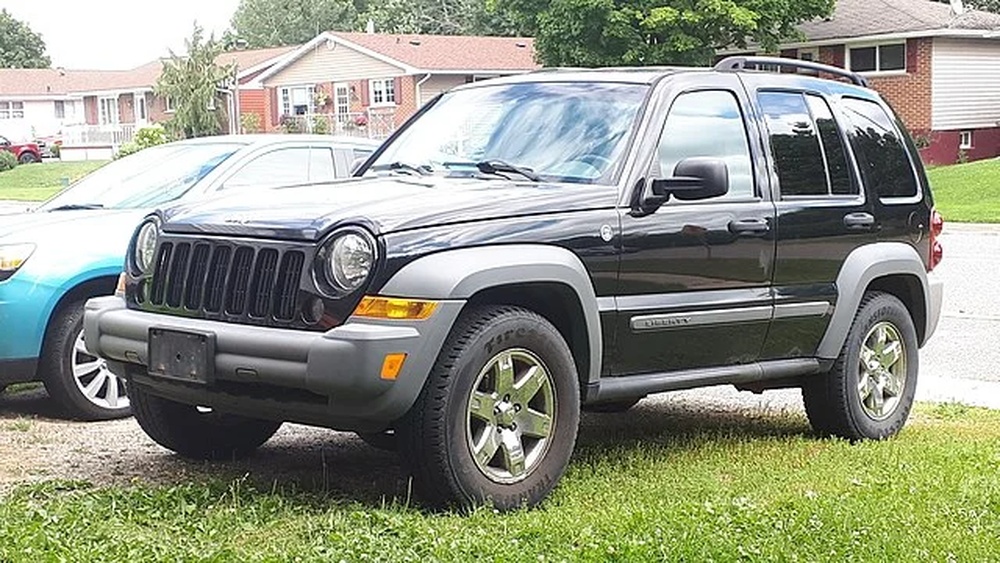
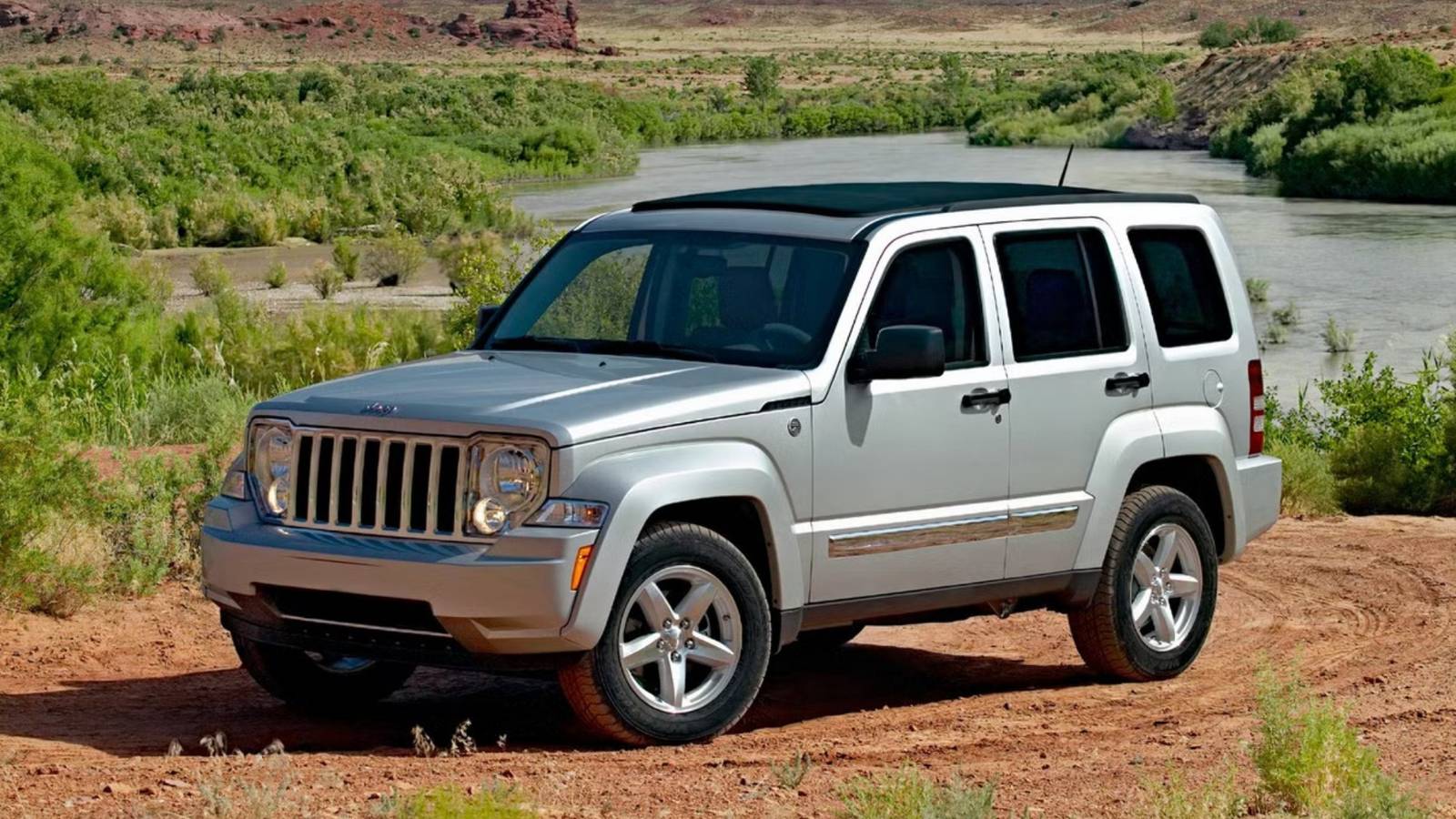
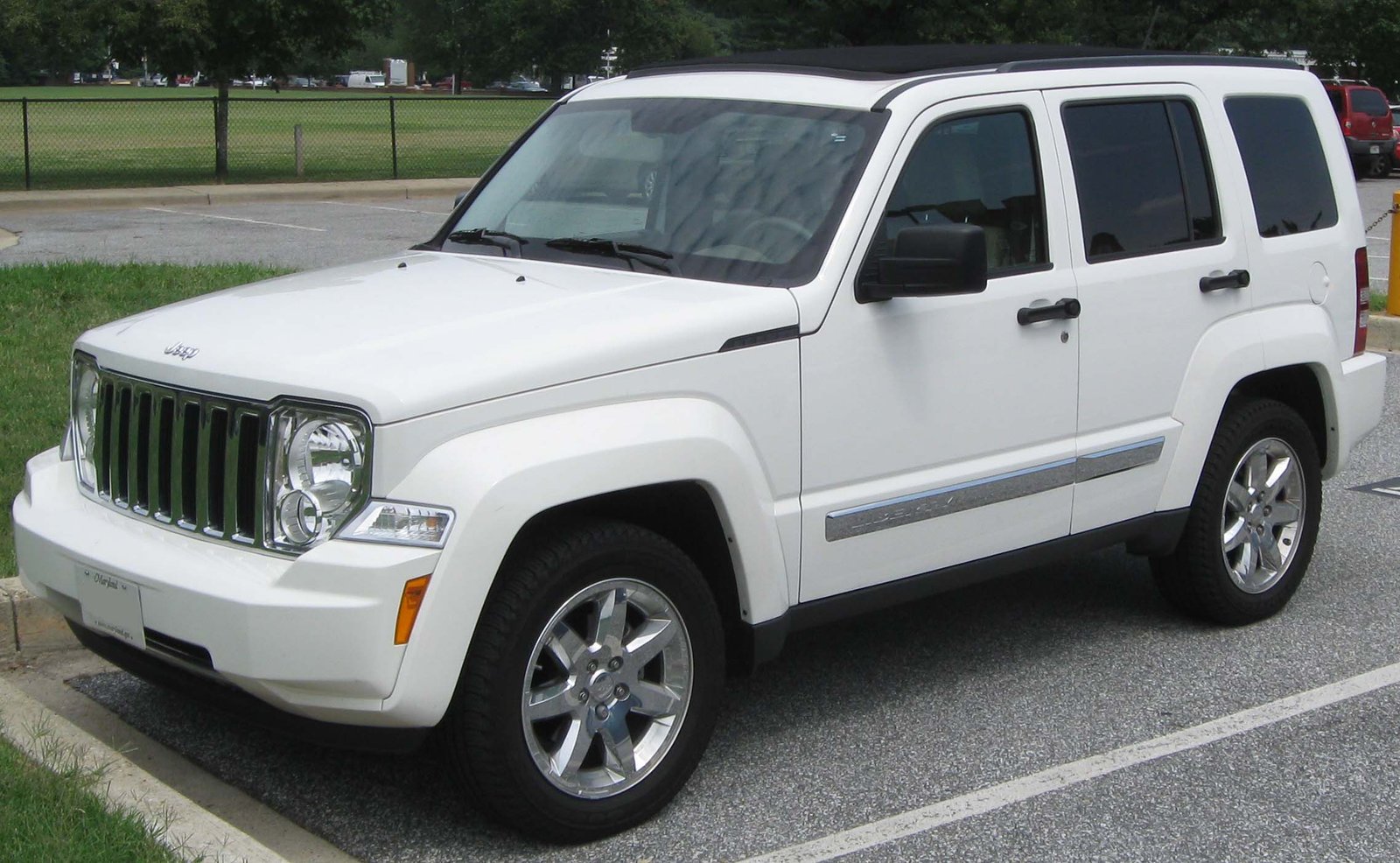
The Jeep Liberty was produced from 2002 to 2012. It replaced the Cherokee and was designed to offer both city comfort and off-road capability. The Liberty came with four-wheel drive options, strong towing ability, and a boxy, practical design. Most models feature a 3.7-liter V6 engine with 210 horsepower. Its interior is simple and focuses on durability rather than luxury.
Main Features
- Rugged exterior: Tall, boxy shape and high ground clearance
- 4WD options: Many models offer part-time or full-time four-wheel drive
- Towing capacity: Up to 5,000 pounds in some years
- Safety features: Includes airbags, stability control, and anti-lock brakes
Performance And Reliability
Performance is a key factor in any SUV. The Jeep Liberty is best known for its off-road strength.
It can handle rough roads, mud, and snow better than most similar vehicles.
Engine And Driving
The standard engine is a 3.7L V6. It’s not the most fuel-efficient, averaging about 16-22 mpg. The Liberty accelerates quickly and feels stable, but some owners notice it’s a bit noisy on the highway. The steering is firm, which helps off-road but can feel heavy for city driving.
Reliability
Reliability is mixed. Some years saw frequent mechanical problems, especially with the transmission and window regulators. According to Consumer Reports, the 2002-2007 models had more issues than later models. Still, many Libertys run well for over 150,000 miles if they are maintained properly.
Maintenance Costs
Liberty owners often face higher maintenance costs compared to other compact SUVs. Common repairs include:
- Window motor failures
- Transmission repairs
- Suspension issues
Average yearly repair costs are about $500–$700. If you buy a used Liberty, check its maintenance history.
How The Jeep Liberty Compares
To help you decide, here’s a comparison with two popular rivals: the Honda CR-V and Toyota RAV4.
| Model | Engine | Fuel Economy (MPG) | Towing Capacity | Reliability |
|---|---|---|---|---|
| Jeep Liberty | 3.7L V6 | 16–22 | 5,000 lbs | Average |
| Honda CR-V | 2.4L I4 | 22–28 | 1,500 lbs | High |
| Toyota RAV4 | 2.5L I4 | 24–31 | 1,500 lbs | High |
As you can see, the Liberty has stronger towing and off-road ability, but lower fuel economy and reliability compared to the CR-V and RAV4.
Jeep Liberty Ownership Experience
Many owners choose the Liberty for its versatility and off-road performance. If you need a vehicle for rural roads, camping, or towing, the Liberty has clear advantages. The interior is easy to clean, and the seats are comfortable for short trips. However, if you drive mostly in the city or want a quiet, fuel-saving ride, you may want to look at other options.
Pros
- Excellent off-road capability
- Strong towing power
- Simple, durable design
Cons
- Below-average fuel economy
- Higher repair costs
- Mixed reliability, especially older models
Safety And Interior Features
Safety is important for any family vehicle. The Liberty offers basic safety equipment, but it’s not as advanced as newer SUVs.
| Feature | Liberty | CR-V | RAV4 |
|---|---|---|---|
| Airbags | Front, Side | Front, Side, Curtain | Front, Side, Curtain |
| Stability Control | Yes | Yes | Yes |
| Rearview Camera | No (early models) | Yes | Yes |
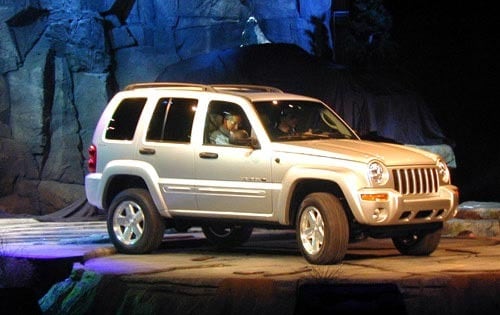
The Liberty’s interior is practical but not luxurious. Most models have cloth seats, basic stereo, and simple controls.
Higher trims may offer leather seats and upgraded sound systems.
Smart Buying Tips
If you’re thinking about buying a used Jeep Liberty, keep these tips in mind:
- Check for transmission issues and window problems
- Ask for service records and look for regular oil changes
- Test all electronics, including windows and locks
- Avoid models with heavy rust or signs of water leaks
One non-obvious insight: Many buyers overlook the Liberty’s unique off-road gear ratios, which make it easier to drive on steep hills or in deep mud compared to regular SUVs.
Another tip: The Liberty’s rear suspension is more rugged than many competitors, so it handles heavy loads well, but this can make the ride feel stiff on smooth roads.
Frequently Asked Questions
Is The Jeep Liberty Good For Off-road Driving?
Yes, the Liberty is one of the best compact SUVs for off-road. Its 4WD system and high ground clearance make it suitable for rough terrain. It performs better in mud and snow than most competitors.
How Long Do Jeep Libertys Usually Last?
With proper care, a Jeep Liberty can reach 150,000–200,000 miles. Regular maintenance is key, especially for the transmission and suspension.
Is The Jeep Liberty Fuel Efficient?
No, the Liberty’s fuel economy is lower than other compact SUVs. It averages 16–22 mpg, which is less than the Honda CR-V or Toyota RAV4.
Are Jeep Libertys Expensive To Maintain?
Maintenance costs are higher compared to similar SUVs. Common repairs include window motors, transmission, and suspension parts. Yearly costs can be $500–$700.
Where Can I Find More Details About Jeep Liberty Specifications?
For full specs and history, visit the Jeep Liberty Wikipedia page.
The Jeep Liberty is a solid choice for drivers who want rugged performance and strong towing. It’s not the most efficient or reliable SUV, but it stands out for those who need off-road ability and practical design.
If you plan to use your SUV for outdoor adventures or heavy work, the Liberty is worth considering.
For city driving and long-term reliability, other models may suit you better. Always check the vehicle’s history and have it inspected before buying.