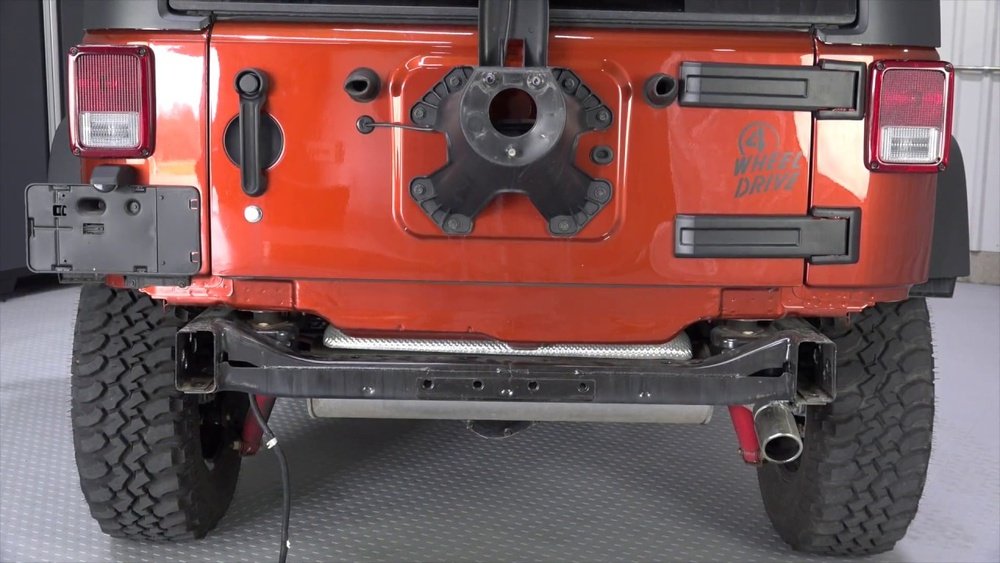
Owning a Jeep often means enjoying freedom—both on and off the road. One unique feature that attracts many drivers is the removable hard top.
Whether you want to feel the wind on your face, enjoy a sunny day, or just change up your Jeep’s look, knowing if and how you can remove the hard top is essential.
Let’s explore how removable Jeep hard tops work, what models offer this feature, and what you should know before making the switch.
Can You Remove Jeep Hard Tops?
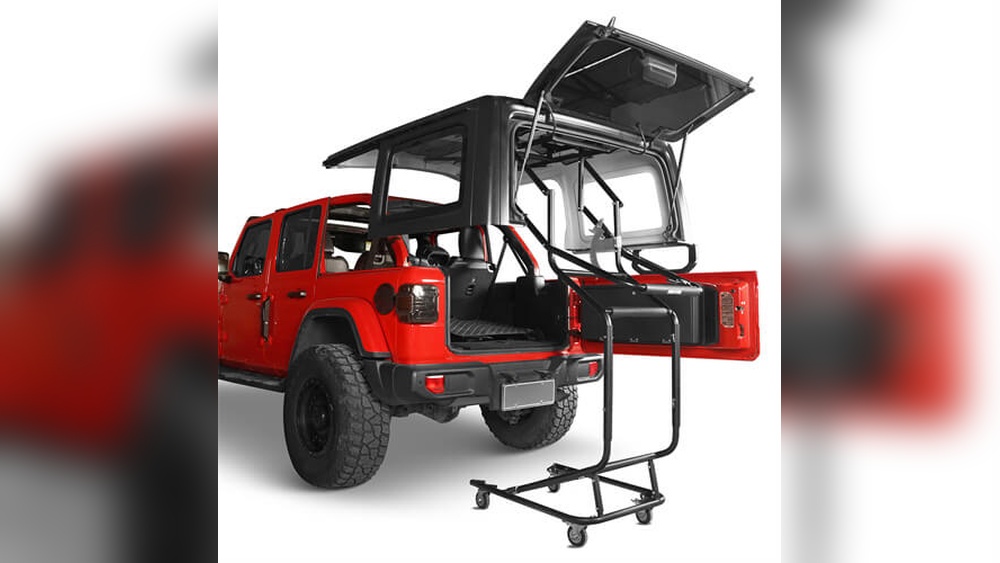
Most modern Jeeps with hard tops are designed to be removable. This includes popular models like the Wrangler and Gladiator. The process is not as simple as popping off a soft top, but it is possible with basic tools and a bit of patience. Factory hard tops usually come in two or three pieces, making removal and reinstallation more manageable.
However, not every Jeep model offers this feature. For example, the Grand Cherokee and Compass come with fixed roofs.
If you’re considering buying a Jeep and want a removable hard top, focus on the Wrangler series or Gladiator.
Jeep Models With Removable Hard Tops
Here’s a quick look at which Jeep models allow you to remove the hard top:
| Model | Hard Top Removable? | Top Type |
|---|---|---|
| Wrangler (2-door & 4-door) | Yes | 3-piece modular hard top |
| Gladiator | Yes | 3-piece hard top |
| Grand Cherokee | No | Fixed roof |
| Compass | No | Fixed roof |
Most buyers choose the Wrangler for its flexibility. The hard top can be taken off for full open-air driving or just the front panels for partial exposure.
How To Remove A Jeep Hard Top
The removal process takes some planning. Here’s a simple breakdown:
- Gather tools: You’ll need a Torx wrench, usually included with the Jeep.
- Remove front panels: If you have a modular top, start with the front panels (called Freedom Panels). These can be taken off easily.
- Disconnect wiring: If your hard top has a rear wiper or defroster, unplug the connectors in the trunk.
- Unscrew bolts: Locate and remove the bolts securing the hard top. For Wranglers, there are usually six to eight bolts.
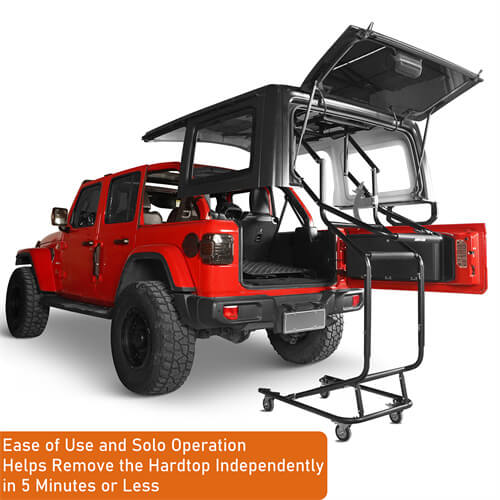
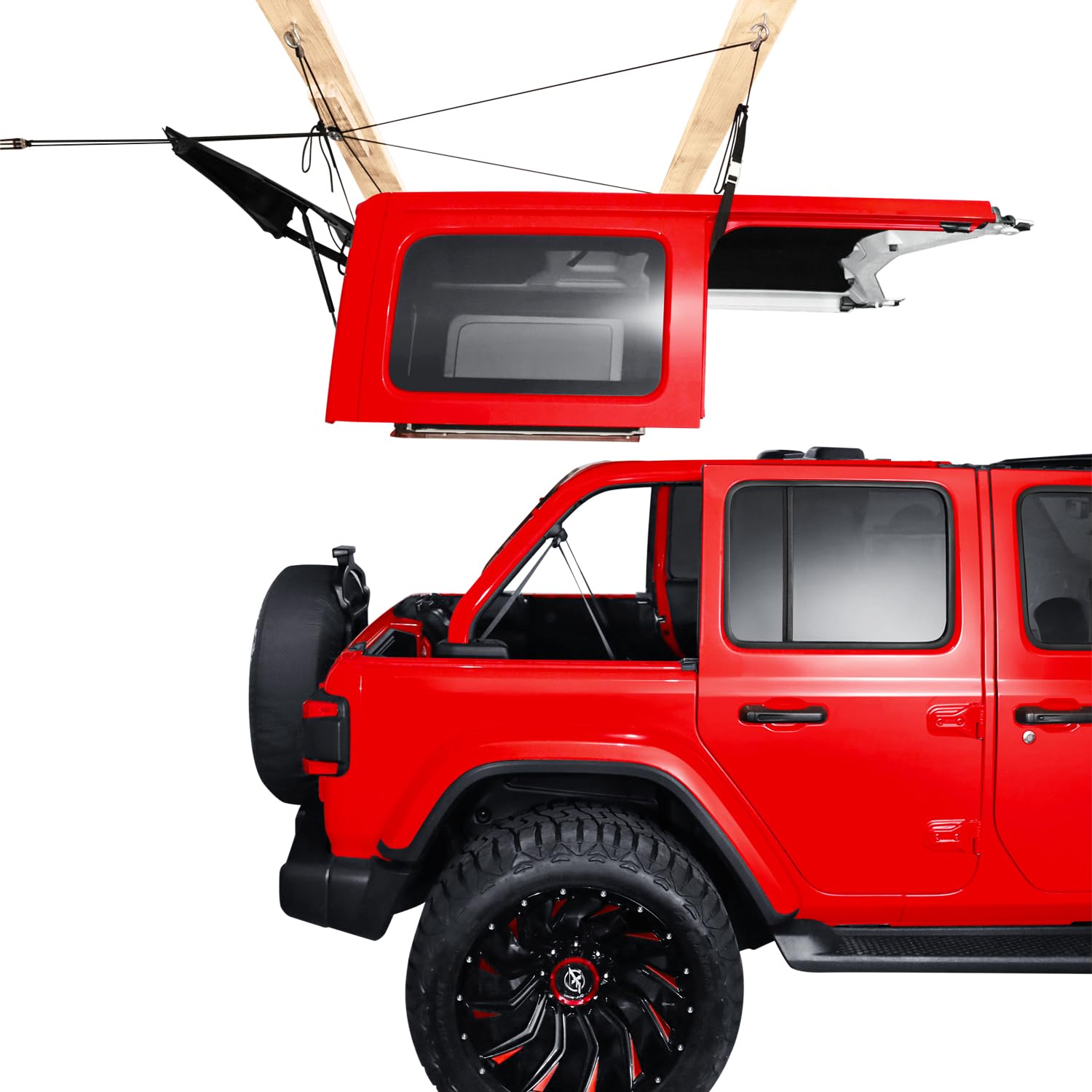
- Lift off the top: Hard tops are heavy—often 100-140 lbs. Get help from a friend or use a hoist system.
For most owners, removal takes about 30-60 minutes. Installing again is similar but needs careful alignment.
Pros And Cons Of Jeep Hard Tops
Choosing a hard top means thinking about your driving needs. Let’s compare the advantages and disadvantages:
| Pros | Cons |
|---|---|
| Better insulation (warmth & quiet) | Heavier and harder to remove |
| More security | Need storage space when off |
| Durable and long-lasting | Requires tools and help to remove |
| Looks sleek | Costlier than soft tops |
Many Jeep owners keep the hard top on during winter and switch to a soft top or no top during summer.
Hard Top Removal Tips
Removing a hard top seems simple, but some details catch beginners off guard:
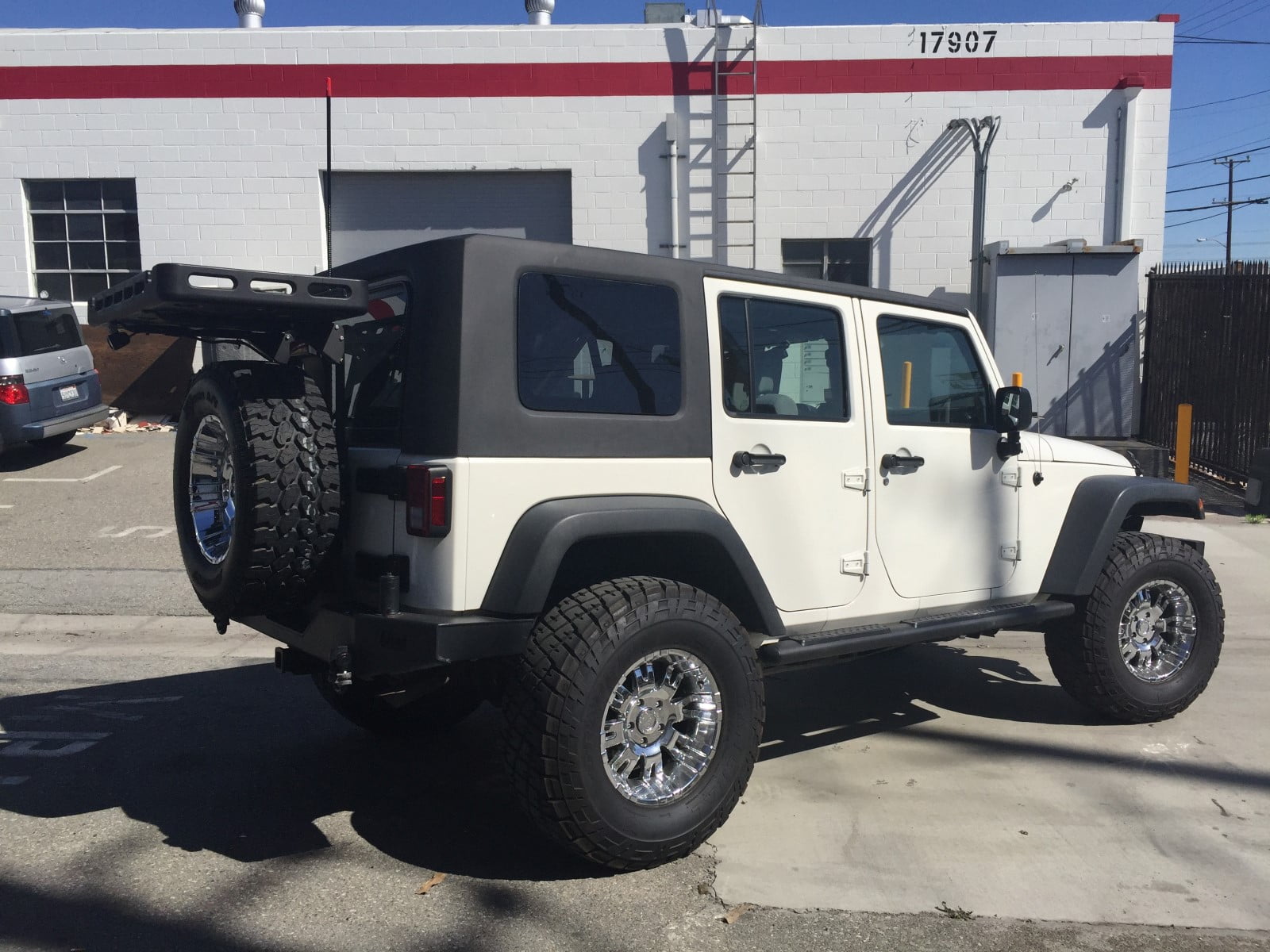
- Weight matters: Hard tops are heavy. Don’t try to lift alone.
- Storage: Always plan where to keep the top. Hard tops need a safe, dry place.
- Wiring: Forgetting to unplug the rear wiper or defroster can damage connectors.
- Weather seals: Check the seals before reinstalling. Damaged seals cause leaks.
- Hoist systems: Investing in a garage hoist makes removal much easier.
One overlooked tip: label your bolts. Many Jeep owners lose track of which bolt goes where. Use small bags or containers, and mark each bolt’s location.
Cost And Aftermarket Options
Factory hard tops are expensive, often $2,000–$3,500 for a new one. If you need a replacement, aftermarket options are available and sometimes cheaper. However, not all aftermarket tops fit perfectly, so check compatibility with your model.
Some brands offer lightweight hard tops, which are easier to remove but may not insulate as well. Always read reviews and ask other Jeep owners for advice.
Common Mistakes When Removing Jeep Hard Tops
Even experienced owners make errors:
- Rushing the process: Take your time. Forcing bolts or panels can crack the top.
- Ignoring wiring: Always disconnect wires before lifting.
- Storing in bad conditions: Hard tops left outside can warp or fade.
- Losing bolts: Missing bolts mean loose tops and noisy rides.
Avoid these mistakes to keep your Jeep and top in good shape.
Comparing Hard Tops Vs. Soft Tops
Some buyers wonder if a soft top is better. Here’s a quick comparison:
| Feature | Hard Top | Soft Top |
|---|---|---|
| Removal Difficulty | High | Low |
| Weather Protection | Excellent | Good |
| Security | Better | Less |
| Cost | Higher | Lower |
| Weight | Heavy | Light |
Hard tops offer better protection and security, but soft tops are easier to remove and store.