The Jeep Grand Cherokee holds a strong reputation as a mid-size SUV that blends ruggedness with comfort. Many people look at its bold design and assume it's built the old-fashioned way, using a body-on-frame structure like classic trucks.
But is that true? If you're thinking about buying one, repairing one, or just want to understand its engineering, it's important to know if the Grand Cherokee uses a unibody design or not.
This detail shapes how the SUV handles, its safety, and even its off-road ability.
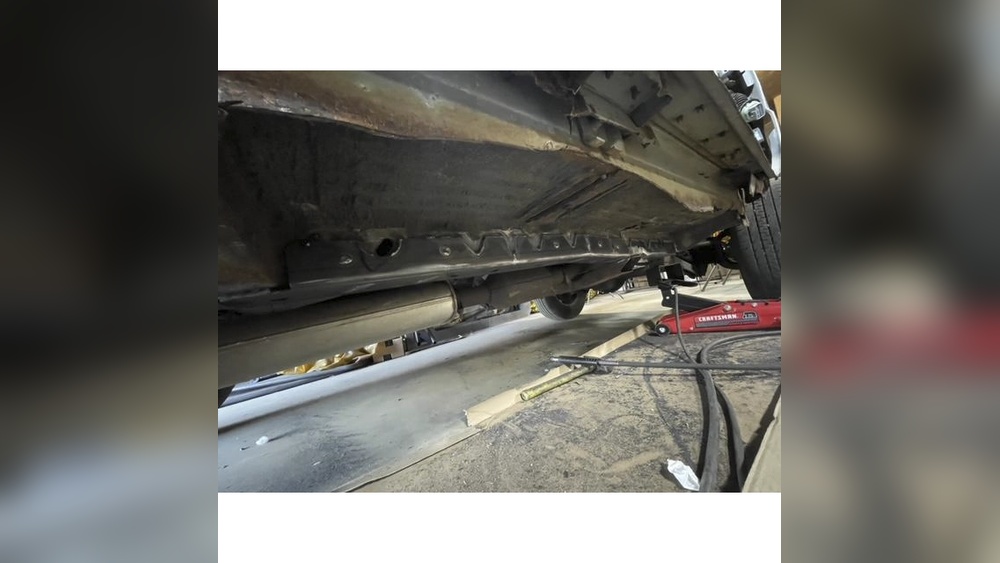
What Does Unibody Mean?
A unibody vehicle is one where the body and frame are a single piece. This is different from the body-on-frame method, where the body sits on top of a separate frame. Unibody is now standard for most cars and many SUVs, while body-on-frame is common for trucks and hardcore off-road vehicles.
Key Differences
- Unibody: Lighter, better ride comfort, improved safety in crashes
- Body-on-frame: Stronger for towing, easier to repair after severe damage, more traditional for off-roading
Are Jeep Grand Cherokees Unibody?
The answer is yes—all Jeep Grand Cherokee models use unibody construction. This has been true since the first generation debuted in 1993. Even as the SUV evolved, Jeep kept the unibody design to balance both on-road manners and off-road capability.
Generational Overview
To see how Jeep stayed with unibody construction, here’s a comparison of each Grand Cherokee generation:
| Generation | Years | Chassis Type |
|---|---|---|
| ZJ (1st Gen) | 1993–1998 | Unibody |
| WJ (2nd Gen) | 1999–2004 | Unibody |
| WK (3rd Gen) | 2005–2010 | Unibody |
| WK2 (4th Gen) | 2011–2021 | Unibody |
| WL (5th Gen) | 2021–Present | Unibody |
No Grand Cherokee has ever used a body-on-frame chassis. Even the most off-road-focused trims, like the Trailhawk, stick with unibody.
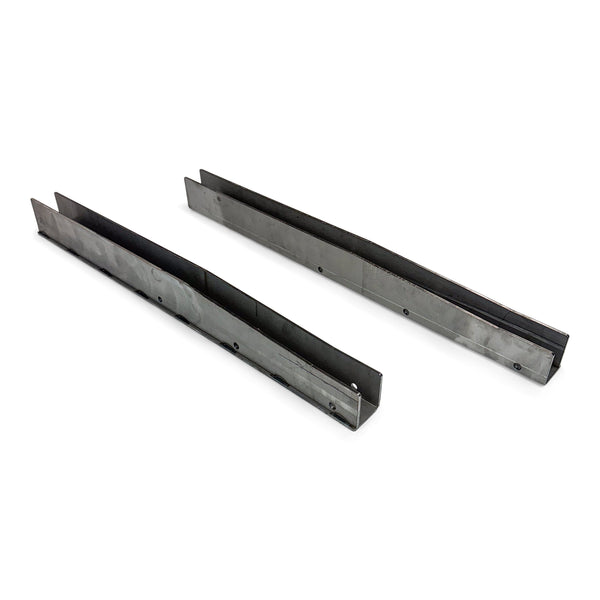
Why Jeep Chose Unibody For The Grand Cherokee
Jeep made this decision to give the Grand Cherokee a smoother, more refined drive. Most customers use their SUVs on highways, in cities, and for family trips not just for off-roading.
Unibody designs are lighter and use less fuel, which helps with everyday comfort and efficiency.
Advantages For Drivers
- Better handling: The unibody is more rigid, so the Grand Cherokee feels stable in corners.
- Safer in crashes: Unibody frames can absorb impacts better, protecting passengers.
- Improved fuel economy: Lighter weight means less gas used, especially compared to body-on-frame SUVs.
- Smoother ride: The unibody helps reduce road noise and vibrations.
Off-road Performance
Some people think unibody SUVs can’t handle rough terrain. But the Grand Cherokee proves that’s not always true. Jeep engineers make the unibody strong, using high-strength steel and smart suspension systems. The Quadra-Lift air suspension and advanced 4×4 systems give good ground clearance and traction.
Here’s how the Grand Cherokee compares to classic body-on-frame SUVs in off-roading and towing:
| Model | Chassis Type | Max Towing (lbs) | Off-Road Features |
|---|---|---|---|
| Grand Cherokee (2023) | Unibody | 7,200 | Quadra-Lift, Selec-Terrain |
| Toyota 4Runner | Body-on-frame | 5,000 | Multi-Terrain Select |
| Ford Explorer | Unibody | 5,600 | Terrain Management |
Notice that the Grand Cherokee, even with unibody, can tow more than some body-on-frame rivals. It also offers advanced off-road features.
Common Myths About Unibody Construction
Many people think unibody SUVs are weak or only for city driving. This is not true for the Grand Cherokee.
- Myth: Unibody can’t handle off-roading. The Grand Cherokee’s frame is reinforced, and many owners report years of reliable off-road use.
- Myth: Repairs are always more expensive. While some major accidents can be harder to fix, most common body repairs are similar in cost to body-on-frame SUVs.
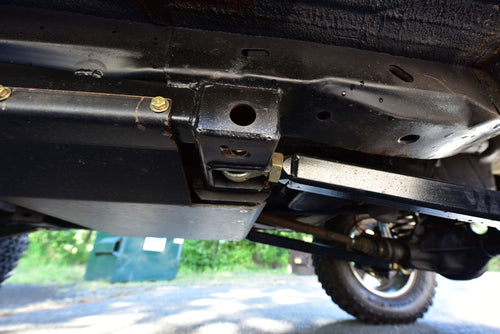
One thing to remember: unibody vehicles are less suited for extreme modifications, like heavy rock crawling or lifting the suspension very high. If your goal is extreme off-roading, a Jeep Wrangler (which is body-on-frame) might be better.
Unibody In Everyday Driving
Most Grand Cherokee owners use their SUV for daily life: commuting, shopping, road trips, and weekend adventures. The unibody frame makes these activities more comfortable. It’s easier to get in and out, and the cabin feels quieter than many truck-based SUVs.
A non-obvious benefit: unibody construction allows more creative interior design. Since the cabin and structure are merged, engineers can create more space, better storage, and safer seat arrangements.
What To Watch Out For
There are a few things to keep in mind with unibody SUVs:
- Rust: Since the frame and body are together, rust in the lower body can become serious if ignored.
- Severe collision repairs: After a major crash, repairing a unibody can be complex. Always check the repair history if buying used.
Still, for most people, these are minor issues compared to the benefits.
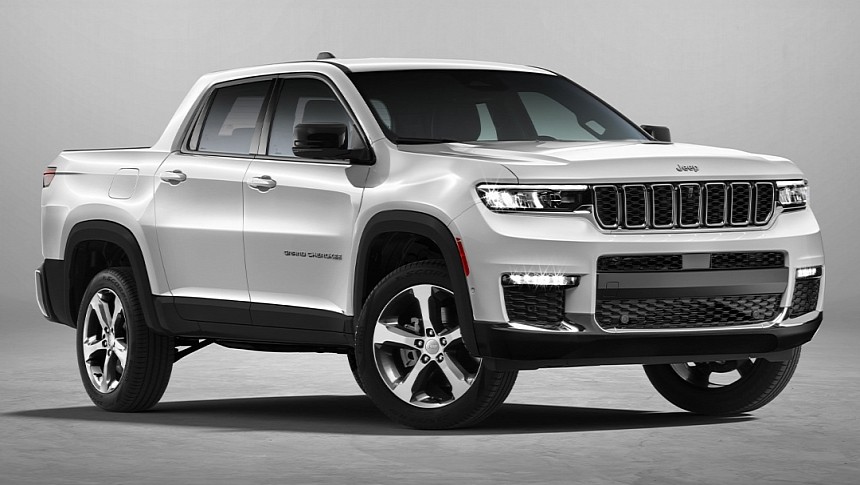
Future Of The Grand Cherokee’s Chassis
Jeep continues to improve the Grand Cherokee’s unibody. The newest models use more high-strength steel and advanced welding. This makes the SUV lighter but also stronger. As technology moves forward, expect even more safety and comfort features.
If you want to check out more detailed specs and Jeep’s official stance, visit the Jeep Grand Cherokee official site.
Frequently Asked Questions
Is The Jeep Grand Cherokee Body-on-frame?
No, the Grand Cherokee has always used unibody construction since it launched in 1993. Even the newest models keep this design.
How Does Unibody Affect Towing?
Unibody SUVs like the Grand Cherokee can still tow heavy loads. For example, the 2023 Grand Cherokee can tow up to 7,200 pounds with the right engine and package.
Is Unibody Construction Safe?
Yes, unibody vehicles perform well in crash tests because the structure can absorb impacts across a larger area. The Grand Cherokee often gets high safety ratings.
Can I Take A Unibody Grand Cherokee Off-road?
Absolutely. While extreme rock crawling is better suited to body-on-frame vehicles, the Grand Cherokee’s reinforced unibody and advanced 4×4 systems work well for most off-road adventures.
Do All Jeep Suvs Use Unibody Frames?
No. The Grand Cherokee, Cherokee, and Compass use unibody. The Wrangler and Gladiator use body-on-frame, which is best for the toughest off-road use.
The Jeep Grand Cherokee’s unibody design is a smart mix of comfort, safety, and off-road ability. For most drivers, it offers the best blend of city driving and weekend adventure, all in one rugged package.