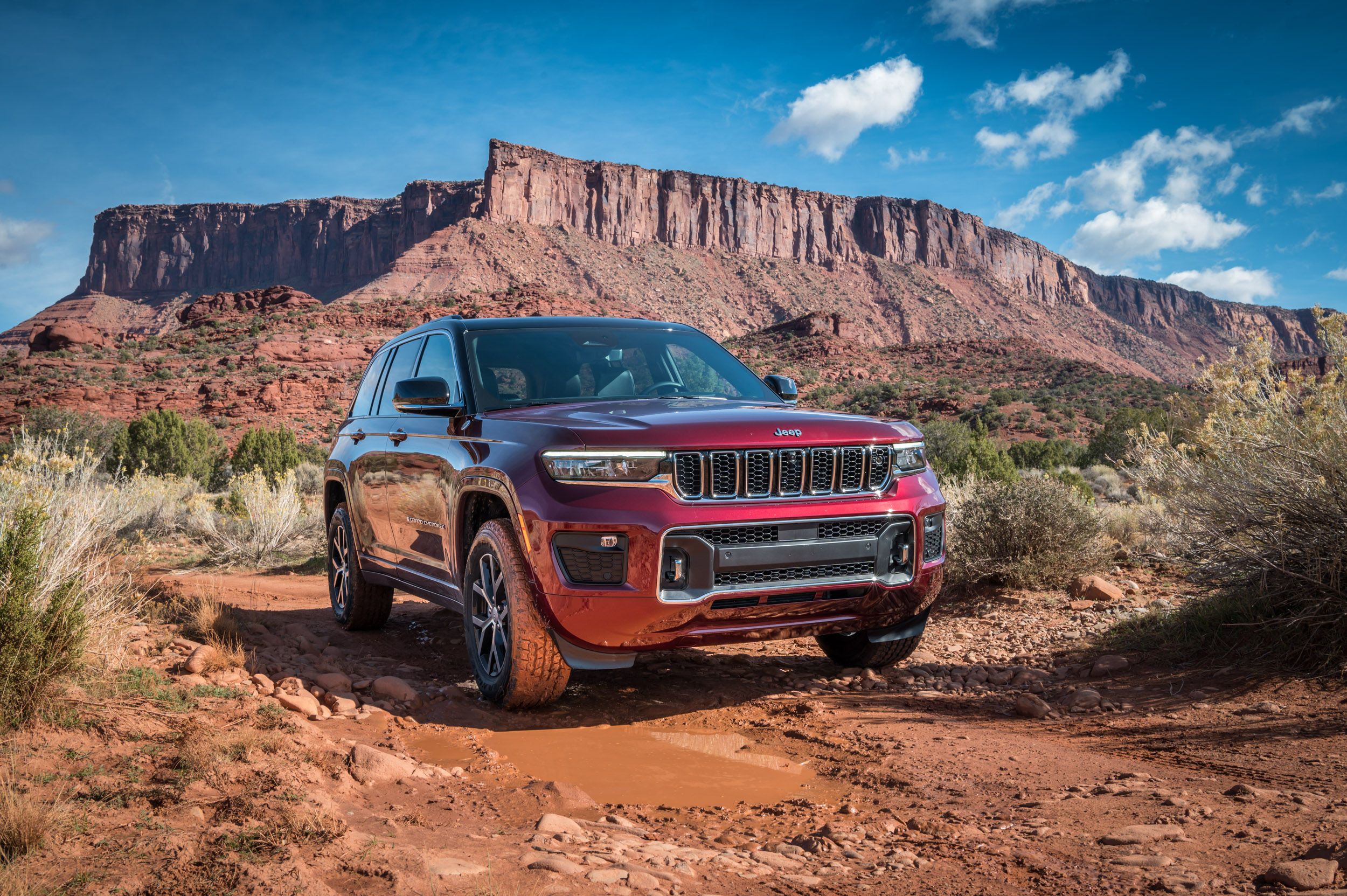
Every off-road enthusiast eventually asks, “Are Jeep Grand Cherokees good off road? ” This SUV has a long history and a rugged image, but not all SUVs are created equal.
Some look tough but struggle when the pavement ends. If you’re thinking about taking a Grand Cherokee into the wild, you want clear, honest answers.
Let’s break down what you can really expect from this popular Jeep.
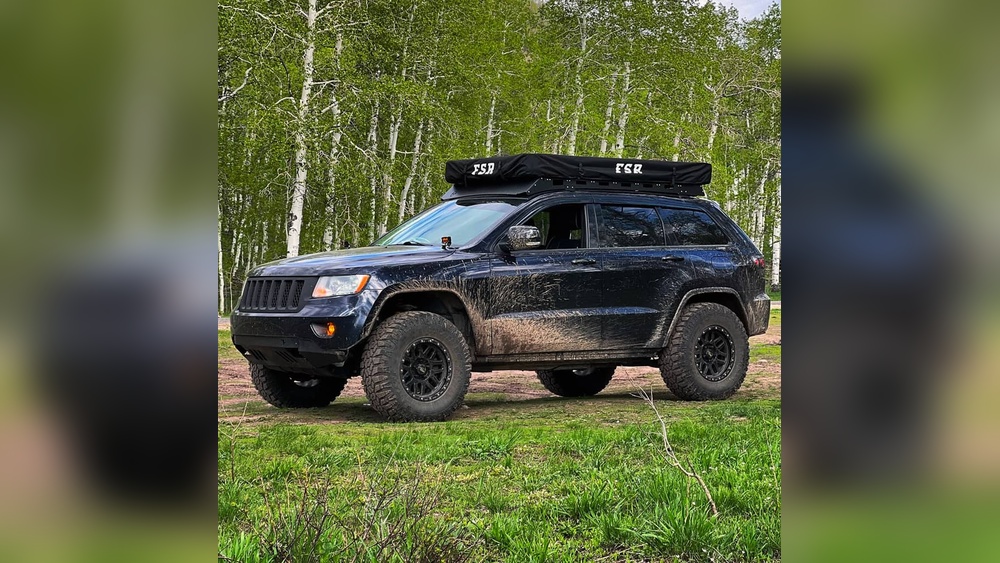
Off-road Hardware: What’s Underneath Matters
The Jeep Grand Cherokee is famous for its strong engineering. But not every model is built the same. There are several trim levels and engine options. Key things that help with off-road ability include:
- Four-wheel drive systems: Jeep offers three main types: Quadra-Trac I, Quadra-Trac II, and Quadra-Drive II. Quadra-Drive II is the most advanced, with an electronic limited-slip rear differential for better grip.
- Ground clearance: Most Grand Cherokees have between 8.6 and 10.8 inches, depending on suspension. The air suspension (available on higher trims) lets you raise the vehicle for better clearance.
- Skid plates and tow hooks: Only some trims (like Trailhawk) come with these from the factory. They help protect the underbody and make recovery easier.
Here’s a quick comparison of the main 4WD systems:
| 4WD System | Type | Best For |
|---|---|---|
| Quadra-Trac I | Full-Time | Light off-road, snow |
| Quadra-Trac II | Active 4WD | Moderate off-road |
| Quadra-Drive II | Active 4WD + ELSD | Difficult off-road |
Trailhawk Trim: The Off-road Focused Grand Cherokee
If you want serious off-road ability, the Trailhawk is the Grand Cherokee’s top choice. It comes with:
- All-terrain tires
- Red tow hooks
- Skid plates
- Selectable terrain modes (like Rock, Mud/Sand, Snow)
Trailhawk models also include hill descent control and a low-range transfer case, which are essential for tough trails. In third-party tests, the Trailhawk handles rocky paths, steep climbs, and water crossings better than most other SUVs in its class.
Everyday Grand Cherokees: How Do They Compare?
Not all Grand Cherokees have the Trailhawk’s extras. Most trims (like Laredo or Limited) are better suited for:
- Gravel or dirt roads
- Light snow and sand
- Occasional mud
They still have good ground clearance and can handle mild trails, but lack the extra traction and protection for more extreme adventures. If you want to go deep into the wilderness, you’ll need upgrades or to pick a higher trim.
Here’s how the Trailhawk stacks up against a common trim:
| Feature | Trailhawk | Laredo |
|---|---|---|
| 4WD System | Quadra-Drive II | Quadra-Trac I |
| Skid Plates | Yes | No |
| All-Terrain Tires | Yes | No |
| Air Suspension | Optional | No |
Real-world Performance And Reliability
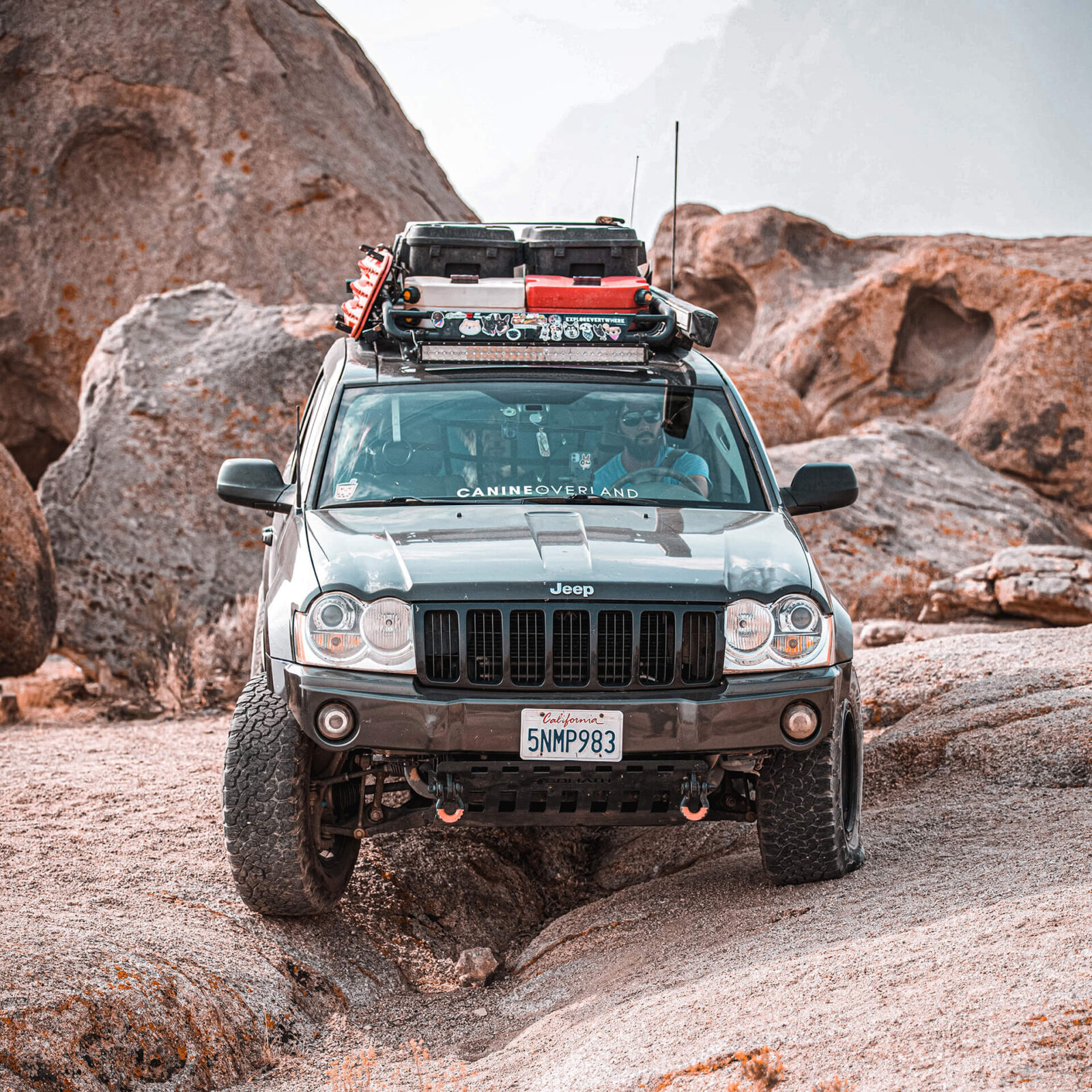
Many owners praise the Grand Cherokee’s ability to handle off-road trails and tough weather. It’s common to see them in places like Moab, Utah, or forest service roads. But, there are a few things new buyers often overlook:
- Weight: The Grand Cherokee is heavy. It feels solid, but can sink in deep mud or soft sand more easily than lighter vehicles.
- Tires: Most versions come with all-season tires, not off-road tires. Upgrading to better tires makes a big difference.
- Electronics: Advanced 4WD systems work well, but rely on sensors and computers. If you plan to go far from civilization, always bring basic recovery gear.
How The Grand Cherokee Compares To Rivals
The off-road SUV market is crowded. How does the Grand Cherokee measure up to other popular models?
| Model | Ground Clearance (inches) | Max Approach Angle | 4WD Options |
|---|---|---|---|
| Jeep Grand Cherokee (Trailhawk) | 10.8 | 36.1° | 3 |
| Toyota 4Runner TRD Pro | 9.6 | 33° | 1 |
| Ford Explorer Timberline | 8.7 | 23.5° | 1 |
| Land Rover Discovery | 11.1 | 34° | 2 |
As you can see, the Trailhawk is competitive. It offers more advanced 4WD systems than most in its price range.
Non-obvious Insights For New Off-roaders
- Suspension settings really matter. Many drivers forget to adjust air suspension before a trail. Start in the highest setting for rocks, but lower it for deep snow or sand to avoid a rough ride.
- Electronics can overheat. On slow, technical trails, traction control and transfer cases may get hot. Take breaks if warning lights appear.
Cost And Maintenance
Off-roading can be hard on any vehicle. The Grand Cherokee’s repairs are usually more expensive than smaller SUVs, especially for advanced systems. Regular checks of differential fluid, skid plates, and suspension will help keep things running smoothly. Some owners report electrical issues after heavy water crossings, so be careful in deep water.
Is It Good For Beginners?
The Grand Cherokee is a good choice for beginners who want comfort and capability. The controls are clear, and many features (like hill descent) make tough spots easier.
But, it’s wider than some rivals, which can be tricky on narrow trails.
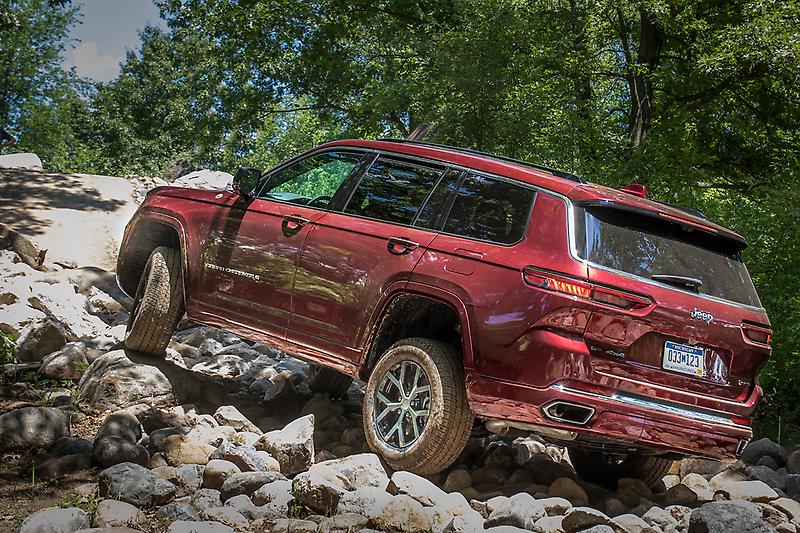
If you’re serious about off-roading, start with easier trails and learn how the 4WD systems work. Practice using recovery points and understand your approach and departure angles.
Final Thoughts
The Jeep Grand Cherokee is a strong off-road SUV, especially in Trailhawk form. It’s not a bare-bones trail rig, but blends real capability with comfort. If you pick the right trim and add the right gear, you’ll be surprised how far it can go. For most people, it’s more than enough for camping, exploring, or weekend adventures.
For more details about off-road features and specs, check the official Jeep Grand Cherokee page.
Frequently Asked Questions
<!– wp:rank-math/faq-block {"questions":[{"id":"faq-question-3137550cc73a","title":"Is Every Jeep Grand Cherokee Good Off Road?","content":"No, not every model is equal. Trailhawk and Overland trims are better for off-roading.
Base models can handle light trails but miss key features like skid plates and advanced 4WD.
“,”visible”:true},{“id”:”faq-question-512e5c3bc249″,”title”:”Can I Make A Regular Grand Cherokee More Off-road Capable?”,”content”:”Yes. Upgrading tires, adding skid plates, and using a lift kit will help.
But, it may cost more than buying a Trailhawk.
“,”visible”:true},{“id”:”faq-question-cd08bc6e0b78″,”title”:”How Does The Grand Cherokee Compare To A Jeep Wrangler?”,”content”:”The Wrangler is more rugged and designed for extreme trails. The Grand Cherokee is more comfortable and refined, but still capable for most adventures.
“,”visible”:true},{“id”:”faq-question-aaede3786ebd”,”title”:”What Is The Best Engine For Off-roading?”,”content”:”The V6 is reliable and light, which helps with balance. The V8 offers more power but adds weight. For most, the V6 is enough.
“,”visible”:true},{“id”:”faq-question-fc7a8473adb2″,”title”:”Will Off-roading Void My Jeep’s Warranty?”,”content”:”Mild off-roading won’t void the warranty, but damage from extreme use might. Always check your warranty terms before tackling tough trails.
“,”visible”:true}]} –>Is Every Jeep Grand Cherokee Good Off Road?
No, not every model is equal. Trailhawk and Overland trims are better for off-roading.
Base models can handle light trails but miss key features like skid plates and advanced 4WD.
Can I Make A Regular Grand Cherokee More Off-road Capable?
Yes. Upgrading tires, adding skid plates, and using a lift kit will help.
But, it may cost more than buying a Trailhawk.
How Does The Grand Cherokee Compare To A Jeep Wrangler?
The Wrangler is more rugged and designed for extreme trails. The Grand Cherokee is more comfortable and refined, but still capable for most adventures.
What Is The Best Engine For Off-roading?
The V6 is reliable and light, which helps with balance. The V8 offers more power but adds weight. For most, the V6 is enough.
Will Off-roading Void My Jeep's Warranty?
Mild off-roading won’t void the warranty, but damage from extreme use might. Always check your warranty terms before tackling tough trails.