Are Jeep Grand Cherokees Good Cars?
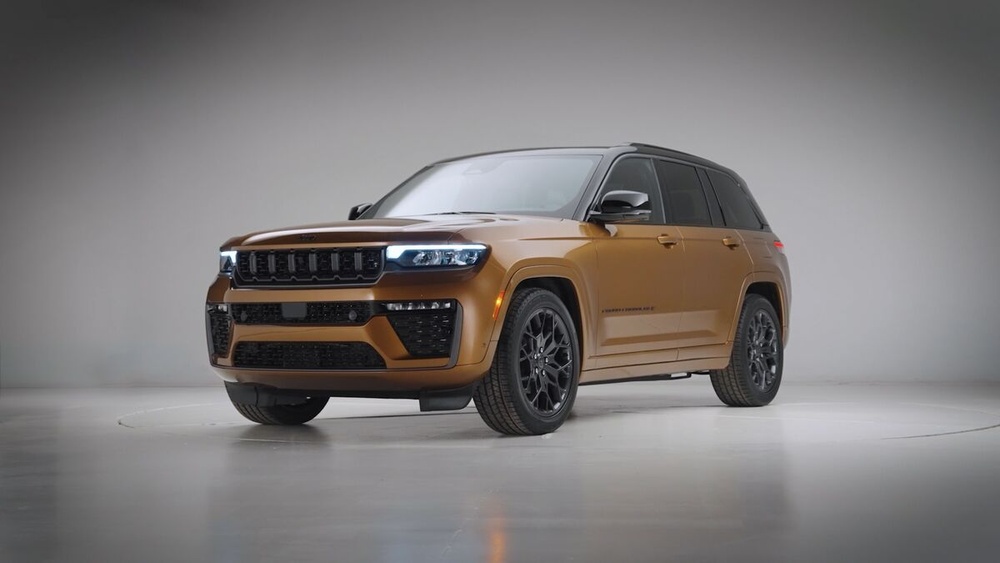
The Jeep Grand Cherokee is one of the most popular midsize SUVs in America. It’s known for blending rugged design, off-road ability, and family comfort.
But is it actually a good car? Many people ask this question before buying, and the answer isn’t always simple.
This article breaks down the Grand Cherokee’s reliability, performance, features, and cost, helping you decide if it’s right for you. You’ll find real data, comparisons, and answers to common questions, all explained in clear, simple English.
Reliability And Build Quality
The Grand Cherokee has a mixed reputation for reliability. Some model years are strong, while others have more problems. According to J.D. Power, the 2023 Grand Cherokee scores 81 out of 100 for reliability, which is above average for midsize SUVs. However, older models (2011-2014) had issues with transmission and electrical systems.
Most newer Grand Cherokees use solid materials. The body feels strong, and the interior uses quality plastics and leather. But some owners report small problems like electrical glitches or paint chips after a few years. If you buy used, check the service history carefully.
Common Reliability Issues
- Transmission problems (especially 2011-2014 models)
- Electrical system faults
- Air suspension failures (on luxury trims)
- Water leaks in older models
While these issues aren’t present in every Grand Cherokee, they are more common than in some rivals. Regular maintenance helps prevent most problems.
Performance And Driving Experience
The Grand Cherokee stands out for its off-road capability and comfortable highway ride. It offers several engine choices:
| Engine | Horsepower | Fuel Economy (mpg) | 0-60 mph (sec) |
|---|---|---|---|
| 3.6L V6 | 293 | 19/26 | 7.5 |
| 5.7L V8 | 357 | 14/22 | 6.5 |
| 2.0L Turbo (Hybrid) | 375 | 23/24 | 6.0 |
The V6 engine is most common. It’s smooth and strong enough for daily driving.
The V8 is powerful, but uses more gas. Hybrid models save fuel and still give good performance.
Handling And Comfort
On the road, the Grand Cherokee feels stable and quiet. The steering is light, making city driving easy.
Suspension is soft, so bumps are not a problem. If you choose a luxury trim, the ride gets even smoother thanks to air suspension.
Off-road, the Grand Cherokee is excellent. Its Quadra-Trac and Quadra-Drive systems handle mud, snow, and rocks better than most rivals. The ground clearance is high, so you won’t scrape the bottom.

Interior Features And Space
The Grand Cherokee is designed for families and long trips. The cabin is roomy, and seats are comfortable.
Standard models fit five people. Newer versions (L models) offer three rows for seven seats.
| Model | Seating | Cargo Space (cu ft) | Touchscreen Size |
|---|---|---|---|
| Grand Cherokee | 5 | 37.7 | 8.4″ |
| Grand Cherokee L | 7 | 17.2 (behind 3rd row) | 10.1″ |
Most models include:
- Apple CarPlay and Android Auto
- Dual-zone climate control
- Power seats
- Advanced safety features (blind spot monitor, lane keep assist)
Higher trims offer heated and ventilated seats, premium audio, and panoramic sunroof.
Non-obvious Insights
- Rear seat space is bigger than many rivals, making it good for adults and taller teens.
- The cargo area is flat, which makes loading large items easy.
Cost And Value
The price of a new Grand Cherokee starts around $41,000 for base models. Luxury trims can reach over $65,000.
Used models are cheaper, but prices depend on mileage and year.
| Model Year | Average Used Price | Expected Annual Maintenance |
|---|---|---|
| 2015 | $18,500 | $650 |
| 2018 | $25,300 | $700 |
| 2022 | $36,800 | $750 |
Insurance costs are also higher than average, especially for V8 and luxury trims. Fuel costs depend on your engine choice.
The V6 is reasonable; the V8 is expensive.
Common Buyer Mistakes
- Ignoring the service history on used models
- Choosing the V8 without checking fuel costs
- Not testing the electronics before buying
If you want to save, look for certified pre-owned models. These have extra warranties and inspections.

How Does It Compare To Rivals?
The Grand Cherokee competes with the Ford Explorer, Toyota Highlander, and Honda Pilot. Here’s how it stands out:
- Better off-road ability than Highlander or Pilot
- More luxury features in higher trims
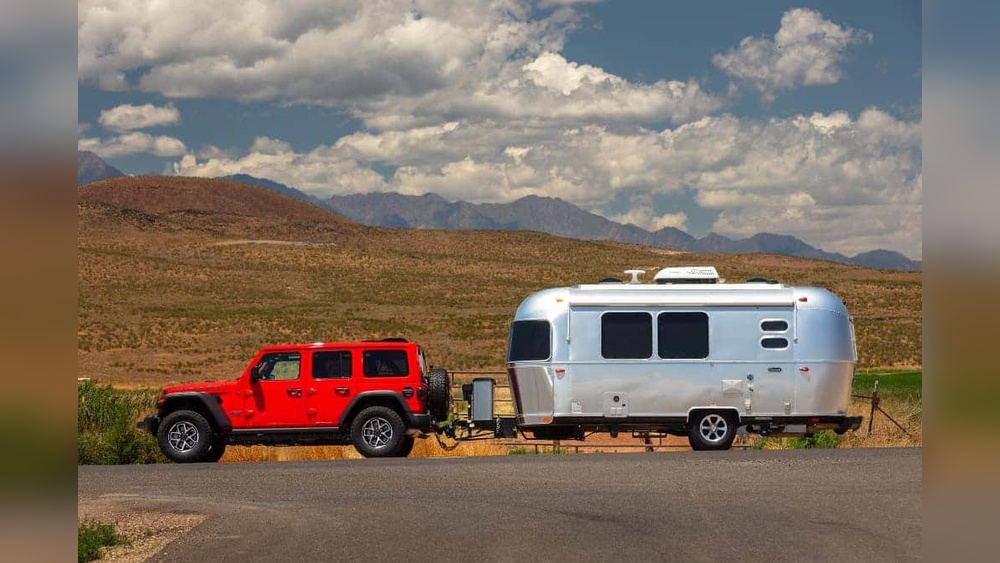
- Higher towing capacity (up to 7,200 lbs)
- Slightly lower reliability than Toyota Highlander
- Less cargo space than Honda Pilot
Many buyers choose the Grand Cherokee for its style, power, and off-road options. If you want a simple, reliable SUV, the Highlander may be better.
If you value adventure and comfort, the Grand Cherokee shines.
Frequently Asked Questions
Is The Jeep Grand Cherokee Reliable?
The Grand Cherokee is above average for reliability in newer models. Older models (especially 2011-2014) had more problems, so check before buying used.
What Is The Fuel Economy Of The Grand Cherokee?
Fuel economy depends on the engine. The V6 gets about 19 mpg city and 26 mpg highway. The V8 gets less, while hybrid models are more efficient.
Can The Grand Cherokee Go Off-road?
Yes. It’s one of the best midsize SUVs for off-road driving. Features like Quadra-Trac and high ground clearance help it tackle rough terrain.
How Much Does It Cost To Maintain A Grand Cherokee?
Annual maintenance costs are $650–$750 depending on the year and model. Luxury trims and V8 engines usually cost more.
Is The Grand Cherokee A Good Family Car?
Yes, especially the Grand Cherokee L with three rows. It’s comfortable, safe, and has space for kids and cargo.
The Jeep Grand Cherokee offers a mix of adventure, comfort, and style. It’s not perfect—some years have reliability issues—but most owners enjoy the ride and features. If you want an SUV that handles both city and wilderness, the Grand Cherokee is worth considering. For more detailed data and reviews, check out Wikipedia.