Many people love the rugged style and off-road power of Jeep vehicles. But when it comes to diesel engines, there is debate. Are Jeep diesel engines reliable? If you’re thinking about buying a Jeep diesel, it’s smart to look at their strengths, weaknesses, and what owners actually experience. This article breaks down the facts so you can make a confident decision.
Which Jeep Models Use Diesel Engines?
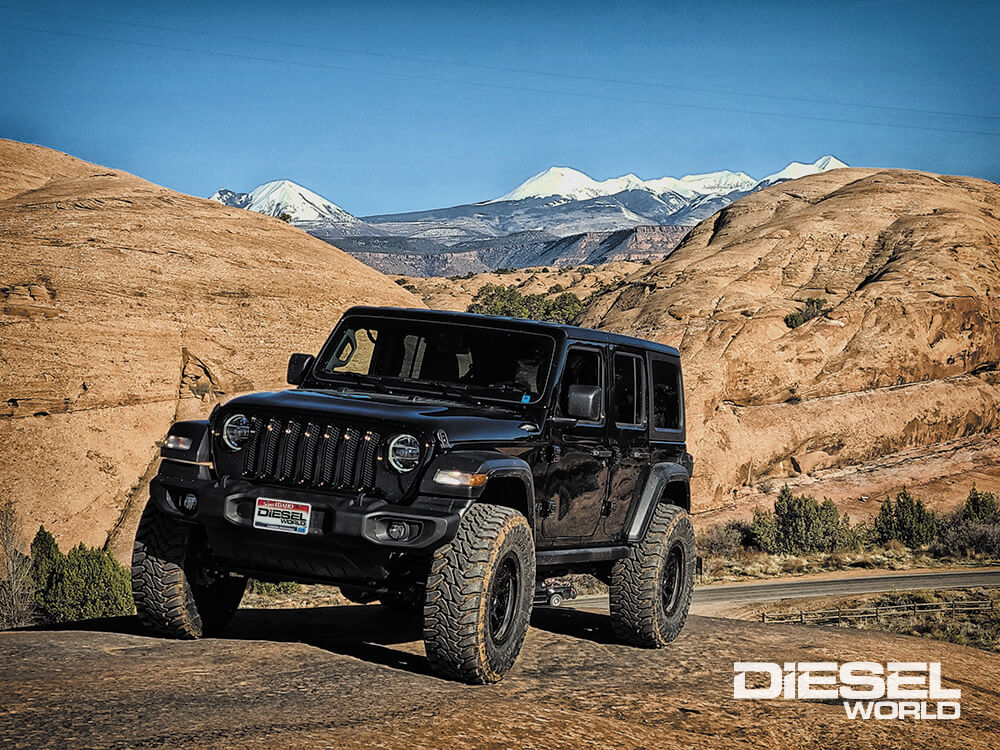
Jeep has offered diesel engines in a few models over the years, especially in the Jeep Grand Cherokee and the Jeep Wrangler. These engines are more popular in Europe, but in the US, some models stand out:
- Jeep Grand Cherokee EcoDiesel (2014–2022)
- Jeep Wrangler EcoDiesel (2020–2023)
- Jeep Gladiator EcoDiesel (2021–2023)
These EcoDiesel engines are all 3. 0-liter V6 turbo diesels made by VM Motori, a company from Italy.
Key Benefits Of Jeep Diesel Engines
Why do people pick a diesel Jeep? Here are the main reasons:
- Torque: Diesel engines produce more low-end power, making them great for off-roading and towing.
- Fuel Efficiency: Diesel Jeeps often get better mpg than their gasoline versions.
- Long Range: You can drive farther on a single tank—helpful for road trips or remote adventures.
Real-world Mpg Comparison
Here’s how the EcoDiesel matches up with the gas V6 in the Wrangler:
| Engine | City MPG | Highway MPG | Total Range (mi) |
|---|---|---|---|
| 3.0L EcoDiesel V6 | 22 | 29 | 530 |
| 3.6L Gas V6 | 17 | 23 | 410 |
Insight: The EcoDiesel offers up to 120 more miles per tank—a big advantage for long trips.
Common Reliability Issues
Jeep diesel engines have some strong points, but they are not perfect. Here are the main problems drivers report:
- EGR Cooler Failures: The exhaust gas recirculation (EGR) cooler can crack and leak coolant, sometimes causing major engine damage.
- Diesel Particulate Filter (DPF) Clogging: If you only drive short distances, the DPF can clog. This leads to warning lights and expensive repairs.
- Glow Plug Issues: Diesel engines use glow plugs to start in cold weather. These can fail and cause hard starts.
- Oil Leaks: Some owners report oil leaks around the turbo, which can be hard to fix.
- Emission System Repairs: The EcoDiesel relies on a complex emission system with extra sensors and injectors. These sometimes fail, especially after 60,000 miles.
Frequency Of Problems
Let’s see how often these issues come up compared to gasoline Jeeps:
| Issue Type | Diesel Jeeps (%) | Gasoline Jeeps (%) |
|---|---|---|
| EGR/DPF Issues | 18 | 3 |
| Glow Plug Failure | 7 | 0 |
| Oil Leak | 10 | 6 |
| Major Engine Repair by 100k miles | 8 | 4 |
Insight: Diesel engines are more likely to have EGR/DPF problems. This is something many buyers overlook.
Maintenance Requirements
Diesel engines need more regular maintenance than gasoline engines. Missing a service can cause expensive problems. Important tasks include:
- Oil Changes: Use only diesel-rated oil and change every 8,000–10,000 miles.
- Fuel Filter Replacement: Replace every 20,000 miles to keep the injectors clean.
- DEF Fluid Top-Up: Diesel exhaust fluid (DEF) is needed for the emissions system. Check and refill as needed.
- DPF Cleaning: If you mostly drive short trips, take your Jeep on a long highway drive every few weeks. This helps burn off soot in the DPF.
Maintenance Cost Comparison
How Do Costs Stack Up?
| Service | Diesel Jeep | Gasoline Jeep |
|---|---|---|
| Oil Change | $120–$150 | $60–$80 |
| Fuel Filter | $100–$200 | N/A |
| DEF Fluid | $30–$50/year | N/A |
| DPF Cleaning/Repair | $400–$2,000 | N/A |
Tip: If you skip a diesel service, repair bills can be much higher than for gas engines.

How Long Do Jeep Diesel Engines Last?
A well-maintained Jeep diesel engine can last 200,000 miles or more. But “well-maintained” is key. Owners who follow the factory schedule, use the right fluids, and drive on highways often see better results.
Some drivers reach 250,000 miles with minor repairs. Others have major trouble before 100,000 miles—usually if they ignore maintenance or mostly drive short trips.
Non-obvious insight: Highway driving is much better for diesel longevity than city driving. If your routine is mostly short drives, diesel is probably not the best choice.
Owner Experiences And Recalls
Owner reviews are mixed. Some people love the towing power and economy. Others are frustrated by repairs and dealer costs. The 2014–2019 Grand Cherokee EcoDiesel had a major recall for EGR coolers. Jeep fixed many under warranty, but owners had to wait months for parts.
Experience-based tip: If you buy used, check that all recalls are complete. Look for a full maintenance history.
The latest EcoDiesel engines (2020+) are improved, but still need careful maintenance. Jeep ended new diesel sales in the US after 2023, mainly due to tougher emission standards.

Should You Buy A Jeep Diesel?
Choose a Jeep diesel if:
- You want maximum torque for towing or off-roading
- You drive long distances or on highways often
- You can keep up with regular maintenance and repairs
You may want to avoid if:
- You do mostly city or short trips
- You want the lowest repair costs
- You plan to keep the Jeep for more than 10 years (since diesel parts may get harder to find)
Frequently Asked Questions
Are Jeep Diesel Engines More Reliable Than Gasoline Engines?
No, Jeep diesel engines are not more reliable overall. They offer better torque and fuel economy, but have more complex parts that can fail, especially emissions components.
What Is The Most Common Problem With Jeep Diesel Engines?
The most common problem is EGR cooler failure and DPF clogging. Both can cause warning lights, poor performance, and expensive repairs if not fixed quickly.
How Expensive Are Repairs For Jeep Diesel Engines?
Repairs can be costly. A DPF replacement can cost $2,000 or more. Even basic maintenance like oil changes is about twice as expensive as with gasoline engines.
Do Jeep Diesel Engines Have Recalls?
Yes. The 2014–2019 Grand Cherokee EcoDiesel had a major recall for the EGR cooler. Always check for completed recalls before buying a used model. You can check official recall status at NHTSA.
Is A Jeep Diesel A Good Choice For Daily City Driving?
No, Jeep diesels are not ideal for short city drives. The DPF and emission systems need regular highway runs to stay clean. Otherwise, you may face more repairs and higher costs.
Jeep diesel engines have unique strengths, but they require more attention and care than gas engines. If you value towing power and efficiency, and are ready for higher maintenance, they can be a solid choice. But for easy, low-cost driving, a gasoline Jeep is often simpler and less risky.