Are Jeep Compasses Good Cars?
Choosing a new car can be confusing, especially with so many options in the compact SUV market. The Jeep Compass stands out because of its bold design, off-road capability, and affordable price. But is the Compass really a good car? In this article, you’ll get clear answers, real data, and practical advice to help you decide if the Jeep Compass fits your needs.
Performance And Driving Experience
The Jeep Compass comes with a 2.4-liter four-cylinder engine that produces 180 horsepower. This is enough power for city driving and highway cruising, but not as strong as some competitors. The Compass also offers all-wheel drive (AWD), which helps on slippery roads and light off-roading.
Many drivers appreciate the smooth ride and responsive steering. However, some reviews mention that the engine feels weak when passing other cars or climbing hills. The Compass is not the fastest in its class, but it offers a comfortable and stable drive for daily use.
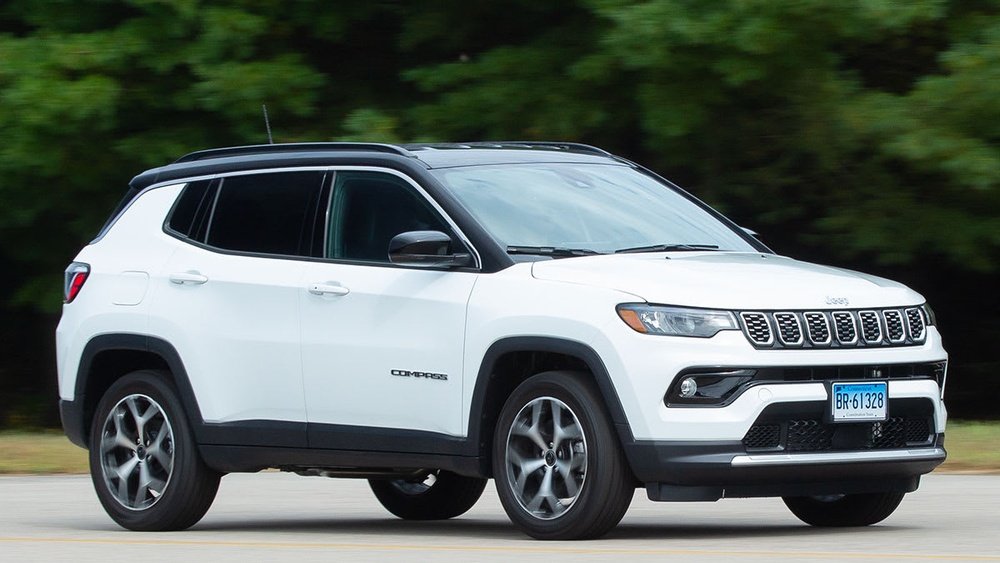
Here’s a quick performance comparison:
| Model | Horsepower | 0-60 mph (sec) | AWD Option |
|---|---|---|---|
| Jeep Compass | 180 | 9.0 | Yes |
| Honda CR-V | 190 | 8.2 | Yes |
| Toyota RAV4 | 203 | 7.8 | Yes |
Interior Quality And Features
Inside, the Compass has a modern look with touchscreen controls and soft-touch materials. The cabin is quiet and comfortable, but space is not as generous as in some rivals. The rear seats fit two adults, but taller passengers may feel cramped.
The Compass comes with a 10.1-inch touchscreen (on higher trims), Apple CarPlay, and Android Auto. Standard features include automatic climate control, keyless entry, and rearview camera. Optional upgrades include leather seats and a panoramic sunroof.
Some helpful features that owners often overlook:
- The Compass has fold-flat rear seats, making it easier to load large items.
- There are USB ports in both front and rear, handy for charging devices.
Let’s compare interior space:
| Model | Cargo Volume (cu ft) | Rear Legroom (in) | Touchscreen Size (in) |
|---|---|---|---|
| Jeep Compass | 27.2 | 38.3 | 10.1 |
| Mazda CX-5 | 30.9 | 39.6 | 10.25 |
| Hyundai Tucson | 38.7 | 41.3 | 8.0 |
Safety And Reliability
Safety is a big concern for many buyers. The Jeep Compass has received good ratings from the National Highway Traffic Safety Administration (NHTSA), scoring four out of five stars for overall safety. Standard safety features include:
- Blind-spot monitoring
- Forward collision warning
- Lane departure warning
- Automatic emergency braking
Reliability is mixed. The Compass scores average in reliability studies. Some owners report minor issues like electrical problems or paint chips, but most find the Compass dependable for everyday driving. Remember, regular maintenance helps avoid bigger problems.
For more on safety ratings, see the official NHTSA site.
Fuel Economy And Cost
The Compass is not the most fuel-efficient SUV, but it’s reasonable for its size. The EPA estimates are:
- 22 mpg city
- 31 mpg highway
These numbers are average. If you drive mostly in the city, you may want to consider more efficient models.
The starting price for a new Jeep Compass is about $28,000 for basic models, and can go up to $37,000 for fully loaded trims. Used Compasses are cheaper, but check their service history before buying.
Here’s a simple cost comparison:
| Model | Starting Price (USD) | Fuel Economy (mpg) |
|---|---|---|
| Jeep Compass | $28,000 | 25 |
| Ford Escape | $29,000 | 28 |
| Subaru Crosstrek | $26,000 | 29 |

Off-road Capability
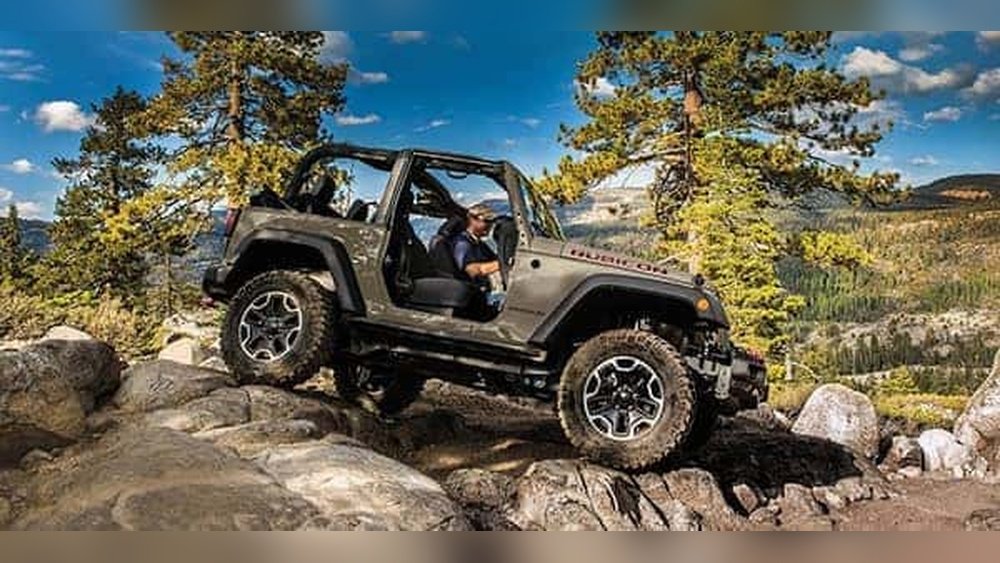
One thing that makes the Compass unique is its Trailhawk trim, built for off-road adventures. It has raised suspension, skid plates, and special tires. While it’s not as rugged as the bigger Jeep models, the Compass Trailhawk can handle muddy roads, snow, and light trails.
Beginners often miss that the Compass’s AWD system is automatic, meaning you don’t need to switch modes for most situations. This is good for people who want off-road ability without extra hassle.
Common Problems And Owner Insights
Every car has issues. With the Jeep Compass, common complaints include:
- Slow acceleration compared to rivals
- Small cargo space for family needs
- Average reliability (not best in class)
- Higher maintenance costs after a few years
However, owners praise the Compass for its style, easy controls, and off-road ability. Many enjoy the balance between city driving and weekend exploring.

Who Should Buy The Jeep Compass?
The Compass is a good choice for:
- People who want a stylish SUV for city and light off-road driving
- Buyers needing affordable AWD
- Drivers who value safety features and modern tech
It’s not the best for those who need strong acceleration, large cargo space, or top reliability. For families or frequent travelers, other compact SUVs may fit better.
Frequently Asked Questions
Is The Jeep Compass Good For Long Trips?
The Compass is comfortable for long drives, but the engine can feel underpowered with heavy loads. If you often travel with many passengers or luggage, you may want a larger SUV.
How Does The Jeep Compass Handle Snow And Rain?
With all-wheel drive and good traction control, the Compass performs well in bad weather. The Trailhawk trim is even better for snow, thanks to its higher ground clearance.
What Is The Jeep Compass’s Resale Value?
The Compass has average resale value. It keeps its price well for the first 3 years but drops faster than some rivals afterward. Keeping up with maintenance helps protect your investment.
Are Repairs Expensive For The Jeep Compass?
Routine maintenance is affordable, but some repairs—like electrical fixes—can cost more than rivals. Using official Jeep service centers may increase costs.
How Many Passengers Can The Jeep Compass Seat?
The Compass seats five people. The front seats are roomy, but the rear seats are better for two adults or three children.
The Jeep Compass combines style, safety, and light off-road ability at a fair price. It’s not perfect, but for the right buyer, it offers good value and a fun driving experience. Always test drive and compare before deciding.