Are Jeep Compass Good In Snow?
Winter driving can be stressful, especially if you live where snow is common. Drivers often wonder if their SUV can handle slippery, icy roads.
The Jeep Compass is a popular compact SUV known for its rugged style, but how does it actually perform in snowy conditions? This article breaks down the Compass’s key features, real-world experiences, and what you need to know before choosing it as your winter vehicle.
Snow Performance Features Of Jeep Compass
The Jeep Compass comes with several features designed for winter driving. Some models offer 4×4 all-wheel drive, which gives better traction on snow and ice compared to standard two-wheel-drive cars. The Selec-Terrain Traction Management System lets you switch to a special “Snow” mode. This mode adjusts how the car uses power and brakes to help you stay in control.
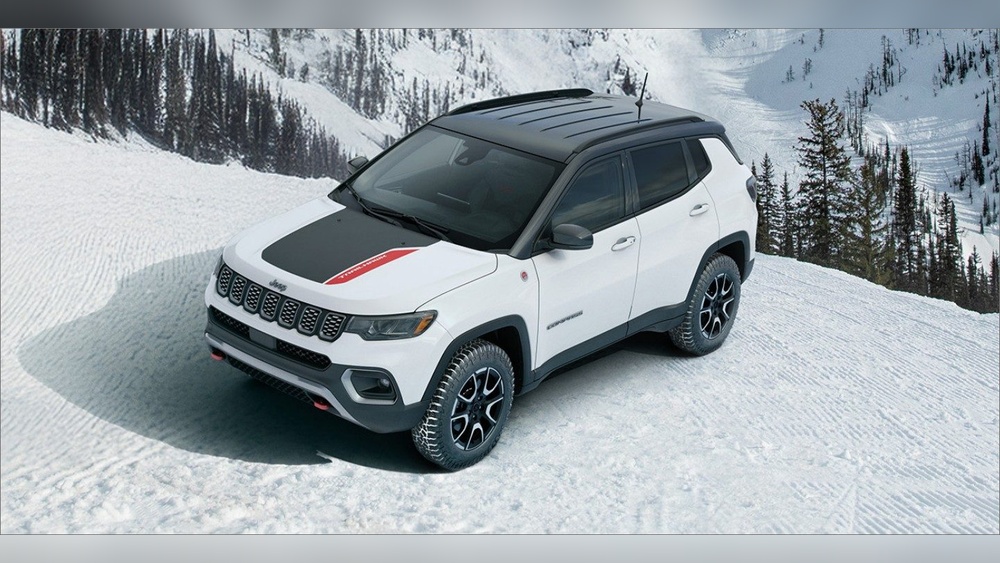
The ground clearance is also important. The Compass offers up to 8.2 inches of ground clearance in Trailhawk models. This helps prevent getting stuck in deeper snow, compared to many sedans or lower SUVs.
Key Features Table
| Feature | Benefit in Snow |
|---|---|
| 4×4 AWD | Improves grip on slippery roads |
| Selec-Terrain System | Optimizes settings for snow driving |
| 8.2″ Ground Clearance | Reduces risk of getting stuck |
| Heated Mirrors/Wipers | Improves visibility in storms |
Real-world Winter Handling
Many drivers report that the Compass feels stable and secure on snowy roads, especially when equipped with all-season or winter tires. The car’s weight and balance help it stay steady during turns. The anti-lock brakes and electronic stability control also work in the background to keep you safe if you start to slide.
However, not every Compass model is equal. The basic front-wheel-drive versions are less capable in deep snow. If you live in a region with frequent, heavy snowfalls, it’s best to choose a 4×4 model and invest in quality winter tires.
Comparison: Compass Vs Competitors In Snow
How does the Compass stack up against other compact SUVs? Here’s a quick look:
| Model | Ground Clearance | AWD Availability | Winter Mode |
|---|---|---|---|
| Jeep Compass | 8.2″ | Yes (Optional) | Yes |
| Toyota RAV4 | 8.4″ | Yes (Optional) | No |
| Honda CR-V | 8.2″ | Yes (Optional) | No |
| Subaru Forester | 8.7″ | Yes (Standard) | No |
While the Subaru Forester offers all-wheel drive on all trims, the Compass still holds its own with competitive ground clearance and a dedicated snow mode.
Tires And Traction: What Matters Most
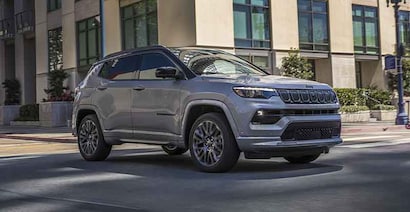
Even with advanced features, tires are the number one factor in winter safety. The Compass comes from the factory with all-season tires, but these are only good up to a point. If you drive in areas where snow and ice are common, switching to winter tires will make a big difference. Winter tires stay soft in cold weather, giving you more grip and shorter stopping distances.
Two-wheel-drive Compass models can get stuck or slide more easily, even with good tires. For the best results, pair a 4×4 Compass with proper snow tires.
Tire Type Impact Table
| Tire Type | Performance in Snow | Recommended For |
|---|---|---|
| All-Season | Decent for light snow, less grip on ice | City drivers, mild winters |
| Winter/Snow Tires | Best grip and control in snow/ice | Frequent snow, icy roads |
| All-Terrain | Good for snow, also handles mud | Rural/Off-road use |
Two Common Mistakes To Avoid
- Relying only on AWD: Many drivers think all-wheel drive is enough. But without winter tires, even a 4×4 Compass can slip and slide on icy roads.
- Ignoring ground clearance: Some buyers focus on power but forget about clearance. Deep snow can trap SUVs with lower clearance, so check your model’s specs.
Practical Tips For Winter Driving In A Jeep Compass
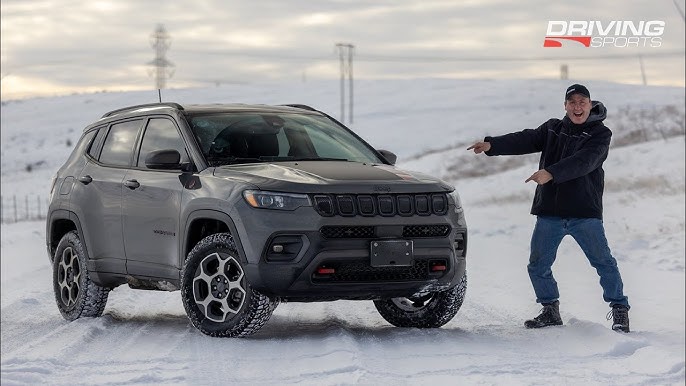
- Use “Snow” mode: In deep or slippery snow, turn the Selec-Terrain dial to Snow for best results.
- Clear snow from under the vehicle: Packed snow can freeze under your Compass and make it harder to move.
- Keep momentum: When starting on a snowy hill, gentle acceleration helps avoid spinning your wheels.
- Check tire pressure: Cold air can lower tire pressure, making it harder to grip the road.
If you’re new to winter driving, practice in an empty parking lot to understand how your Compass responds to sliding or braking.
Is The Jeep Compass Right For Your Winter Needs?
The Jeep Compass is a solid choice for moderate to heavy winter driving if you select the 4×4 version and use proper tires. It offers enough ground clearance and special features that make snowy roads less stressful. However, if you live in an area with extreme snow, or need all-wheel drive as standard, you might also consider models like the Subaru Forester.
As a non-obvious insight, remember that a lighter vehicle like the Compass can sometimes float on top of snow better than heavier SUVs, which may sink and get stuck more easily. Also, the Compass’s compact size makes it easier to handle and park in tight, snow-covered spaces.
You can read more about winter driving and safety from the National Highway Traffic Safety Administration.
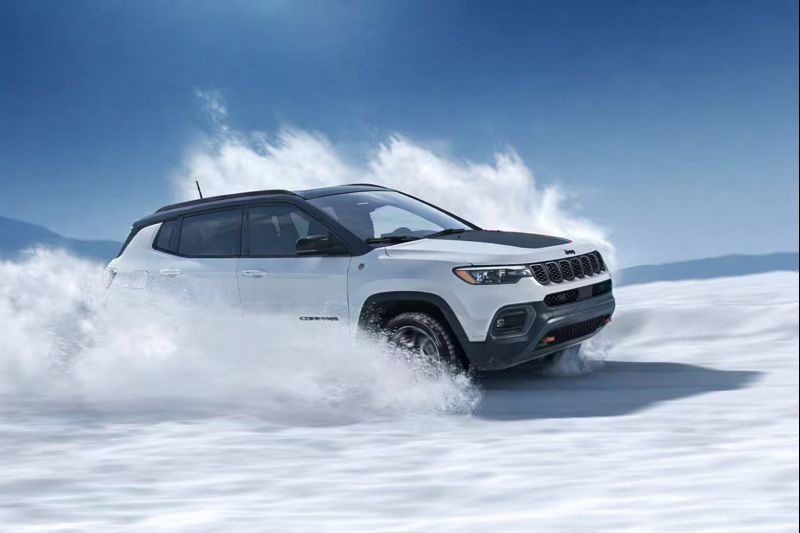
The bottom line: With the right setup and a little preparation, the Jeep Compass is a good companion for snowy roads.
Frequently Asked Questions
<!– wp:rank-math/faq-block {"questions":[{"id":"faq-question-07dad99a78f0","title":"Is Jeep Compass Awd Or 4wd Better For Snow?","content":"The 4WD (four-wheel drive) system offers better control and grip in deep snow compared to regular AWD. Both are improvements over two-wheel drive, but 4WD with Snow mode is the best choice for winter.
“,”visible”:true},{“id”:”faq-question-7f53697b0cfd”,”title”:”Do I Need Snow Tires On My Jeep Compass?”,”content”:”Yes, for best performance in snow and ice, snow tires are highly recommended. They provide more grip than all-season tires, even on 4×4 models.
“,”visible”:true},{“id”:”faq-question-58cf142adfcd”,”title”:”How Much Ground Clearance Does The Jeep Compass Have?”,”content”:”The Compass offers up to 8.2 inches of ground clearance (Trailhawk model). This is enough for most snowy conditions but check the specs for your specific trim.
“,”visible”:true},{“id”:”faq-question-a5a64672ce09″,”title”:”Can A Jeep Compass Handle Icy Hills?”,”content”:”With 4×4 and winter tires, the Compass can climb icy hills better than many two-wheel-drive cars. Use gentle throttle and the Snow mode for best results.
“,”visible”:true},{“id”:”faq-question-32bfdcf8406f”,”title”:”What Should I Do If My Compass Gets Stuck In Snow?”,”content”:”Stay calm. Try to rock the vehicle gently back and forth, clear snow from under the wheels, and avoid spinning the tires too fast. Carrying a small shovel and traction mats in your trunk can help you get free.
“,”visible”:true}]} –>Is Jeep Compass Awd Or 4wd Better For Snow?
The 4WD (four-wheel drive) system offers better control and grip in deep snow compared to regular AWD. Both are improvements over two-wheel drive, but 4WD with Snow mode is the best choice for winter.
Do I Need Snow Tires On My Jeep Compass?
Yes, for best performance in snow and ice, snow tires are highly recommended. They provide more grip than all-season tires, even on 4×4 models.
How Much Ground Clearance Does The Jeep Compass Have?
The Compass offers up to 8.2 inches of ground clearance (Trailhawk model). This is enough for most snowy conditions but check the specs for your specific trim.
Can A Jeep Compass Handle Icy Hills?
With 4×4 and winter tires, the Compass can climb icy hills better than many two-wheel-drive cars. Use gentle throttle and the Snow mode for best results.
What Should I Do If My Compass Gets Stuck In Snow?
Stay calm. Try to rock the vehicle gently back and forth, clear snow from under the wheels, and avoid spinning the tires too fast. Carrying a small shovel and traction mats in your trunk can help you get free.



















