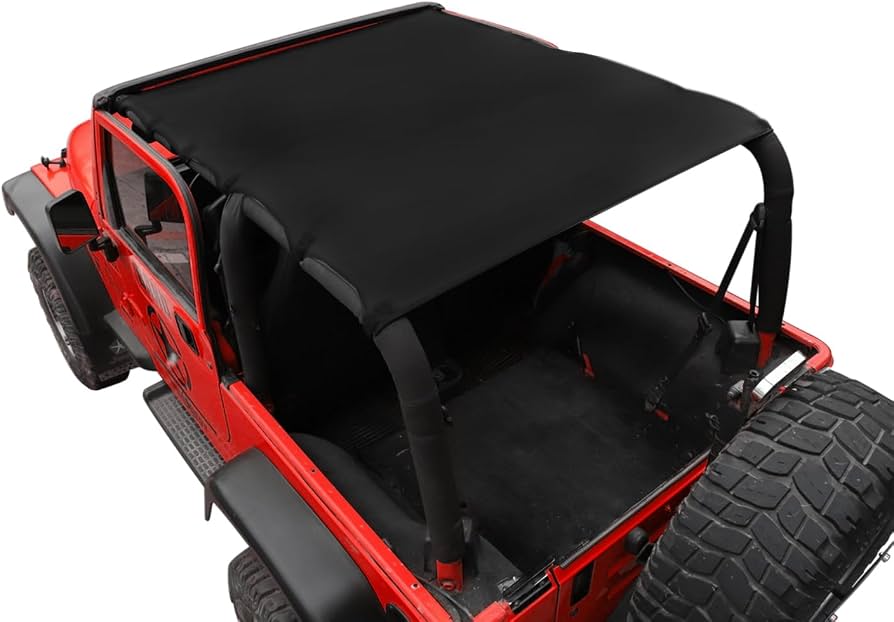
Jeep drivers love the feeling of open air, but sometimes you need a little cover. Bikini tops are a popular solution—they offer shade and a sporty look.
But one big question comes up: Are Jeep bikini tops waterproof? This article explains what bikini tops can (and cannot) do in the rain, compares materials, and helps you decide if they fit your needs.
What Are Jeep Bikini Tops?
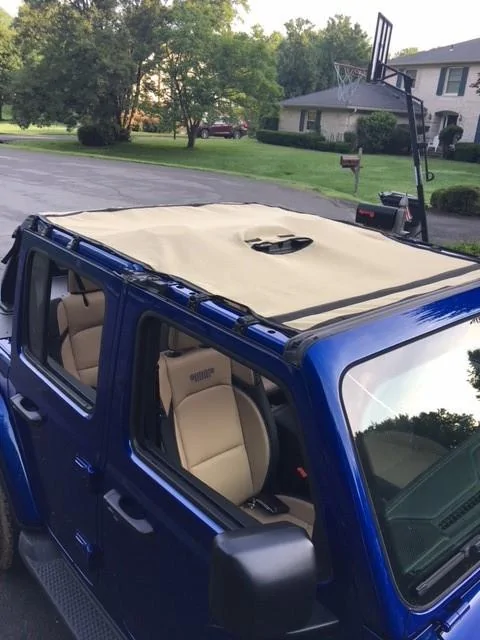
A Jeep bikini top is a fabric cover that stretches across the roof area. Unlike full soft tops or hard tops, bikini tops leave the sides and rear open. They’re made for quick installation and for driving with a breeze, but with some protection from sun and light rain.
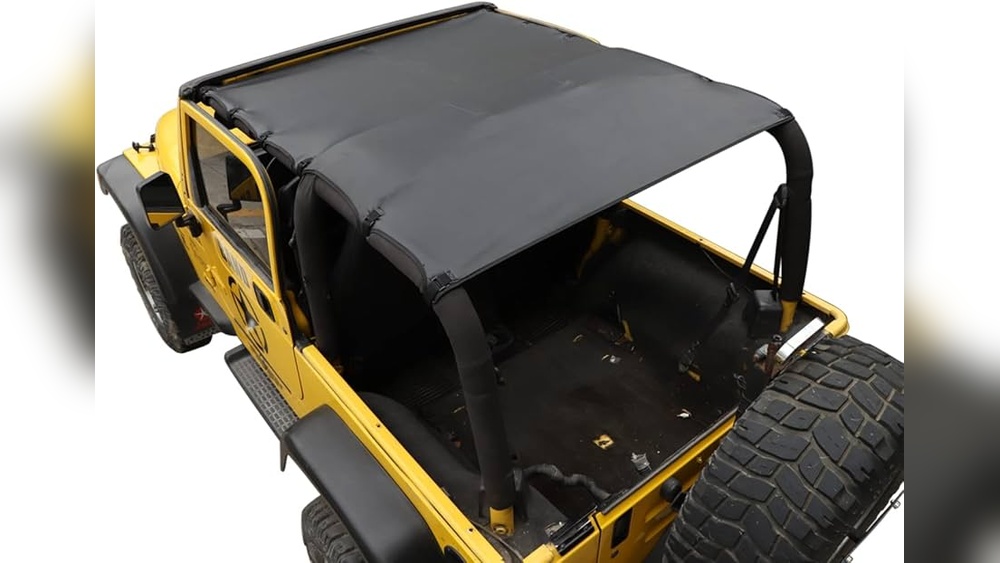
There are different types:
- Traditional bikini tops cover just the front seats.
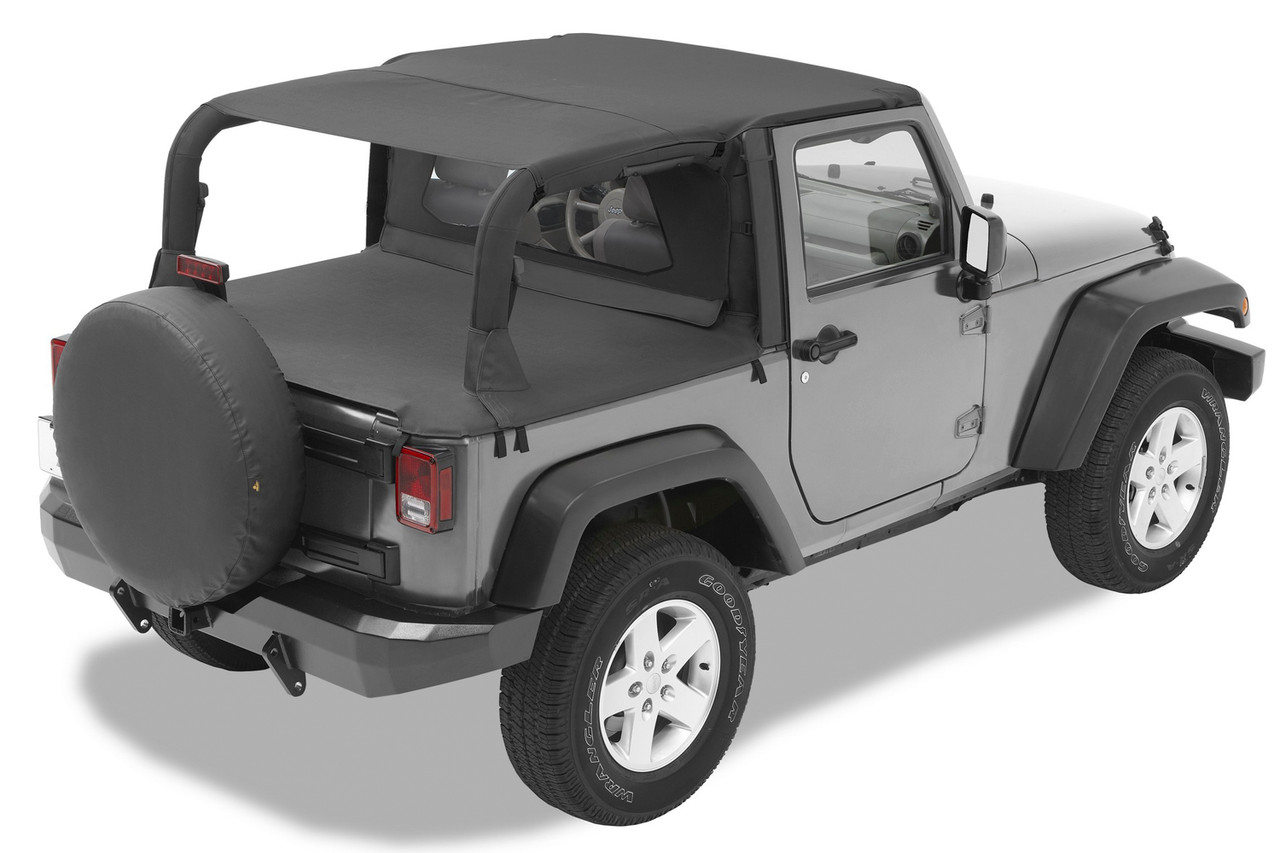
- Safari tops stretch further, covering both front and rear seats.
Most bikini tops are made from vinyl, canvas, or polyester blends. Each material has its own benefits and limits, which affect how waterproof the top will be.
Are Bikini Tops Waterproof Or Water-resistant?
Many people think “waterproof” means no water gets in at all. In reality, most Jeep bikini tops are water-resistant—not fully waterproof. Here’s the difference:
- Waterproof: No water can get through, even in heavy rain.
- Water-resistant: Can handle light rain, but may leak during heavy storms or through gaps.
Material Comparison
Let’s look at how common materials perform:
| Material | Water Protection | Durability |
|---|---|---|
| Vinyl | High water resistance | Strong, lasts long |
| Canvas | Moderate water resistance | Flexible, wears faster |
| Polyester blend | Good water resistance | Lightweight, durable |
Most high-quality bikini tops use vinyl. It repels water well, but seams and zippers can let water through.
Real-world Performance In Rain
Jeep bikini tops work best for light showers or drizzle. During heavy rain, water can drip in from the sides, rear, and sometimes through seams. Many drivers report that their seats get wet if rain is strong.
Here’s a typical experience:
- In a light rain, the top sheds most water, keeping the driver dry.
- In a heavy storm, water enters from the sides and rear. Splashing is common.
Some brands claim their tops are “waterproof,” but this usually means the fabric itself resists water. The design with open sides means rain can still get inside.
Comparison: Bikini Tops Vs Full Soft Tops
To understand the difference, see this comparison:
| Feature | Bikini Top | Full Soft Top |
|---|---|---|
| Waterproof fabric | Yes (usually) | Yes |
| Coverage | Partial (open sides/rear) | Full (sides/rear enclosed) |
| Protection in heavy rain | Low | High |
| Ease of installation | Fast | Slower |
A soft top is better for rain protection, but takes longer to install and remove.
Key Factors Affecting Water Resistance
Several factors decide how well a bikini top keeps water out:
- Fabric quality: Thicker, coated materials resist water better.
- Fit: A tight, secure fit reduces gaps where water enters.
- Seam sealing: Well-sealed seams prevent leaks.
- Design: The more coverage, the less water enters.
- Installation: Incorrect installation leaves open gaps.
A common mistake is thinking the top will protect as well as a full roof. Even with strong fabric, open sides mean rain can splash onto seats and gear.
Practical Tips For Using Bikini Tops In Wet Weather
If you plan to drive with a bikini top during rain, keep these tips in mind:
- Park facing downhill. Water runs off the roof more easily.
- Use seat covers. Protects seats from unexpected leaks.
- Carry towels or a rain poncho for extra cover.
- Remove valuables or electronics from open areas.
- Check the fit often; loose tops leak more.
Some drivers add extra coverage with windjammer panels or rear covers, but these still don’t seal as tightly as a full soft top.
Are There Fully Waterproof Bikini Tops?
Some brands market their tops as “waterproof,” but this means the fabric is waterproof—not the whole setup. No bikini top provides full waterproof protection due to the open design. If you want a true waterproof roof, consider a hard top or full soft top.
One non-obvious insight: Even if the fabric is waterproof, water can pool on top and leak through seams if not taut. Always check for sagging and tighten straps.
Another tip: UV rays and heat can wear down waterproof coatings over time. Re-apply waterproof spray yearly for best performance.
Frequently Asked Questions
Are Jeep Bikini Tops Good For All Seasons?
Bikini tops work best in spring and summer. In winter or during storms, they offer limited protection.
Full tops are better for cold or wet weather.
Will A Bikini Top Protect My Jeep During A Car Wash?
No. Water jets from a car wash will spray inside, since bikini tops leave sides and rear open. Remove the bikini top before washing.
Can I Drive With A Bikini Top In Heavy Rain?
You can, but expect to get wet. The open design lets water in.
For dry driving in storms, use a full soft or hard top.
How Long Do Jeep Bikini Tops Last?
High-quality bikini tops last 3 5 years with regular use. Sun, rain, and dirt shorten lifespan.
Clean and store them properly for best results.
Is Installation Easy For Jeep Bikini Tops?
Yes. Most bikini tops install in 5 15 minutes.
They use straps or clips and don’t need tools. Always follow the instructions for a snug fit.
Final Thoughts
Jeep bikini tops offer style, sun protection, and light rain coverage—but they are not fully waterproof. Their fabric usually resists water, but the open sides and rear mean water will enter in heavy storms. For serious weather protection, choose a full soft top or hard top. If you use a bikini top, understand its limits, maintain it well, and enjoy the freedom it brings. For more details on Jeep roof options, check the official Jeep accessory page.