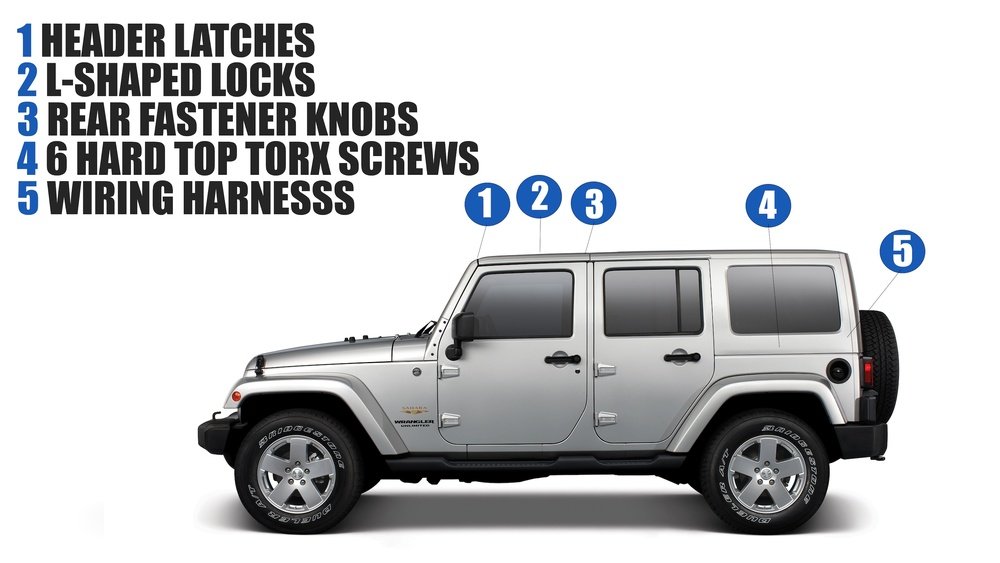
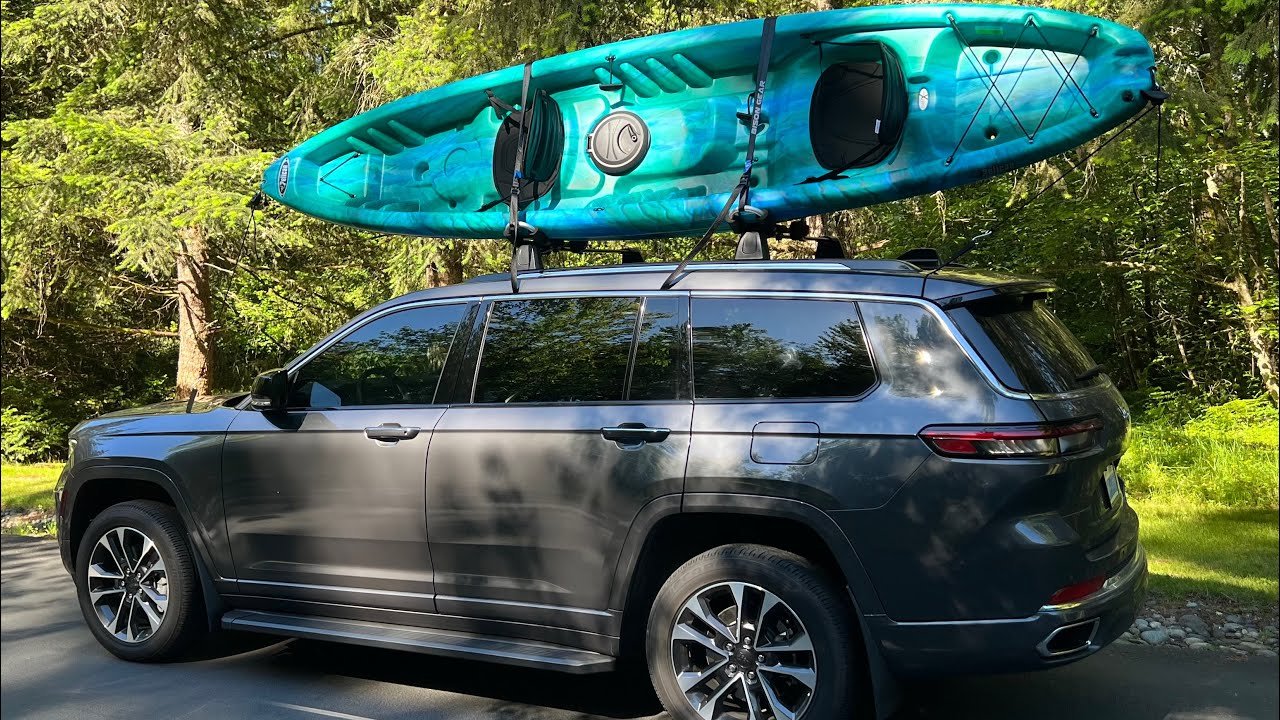
When you hear the word “Jeep,” you might picture a rugged vehicle bouncing over rocks, roof off, with the driver shifting gears by hand. It’s a common image, and there’s a good reason for it. Jeeps have a long history with manual transmissions, also called stick shifts. But are all Jeeps stick shift today? The answer is more complex than you might think. Let’s look at how Jeep transmissions have changed, what options you’ll find now, and what this means for buyers.
The Classic Jeep: A Stick Shift Legacy
From the very beginning, Jeeps were built for tough conditions. The original Willys MB, used in World War II, had a manual gearbox. For decades, most Jeeps were made with stick shifts. Drivers loved the control, especially for off-roading. Manuals allowed for better low-speed power and engine braking on steep hills.
If you look back to the Jeep CJ series and early Wranglers, nearly every model offered a manual transmission. This tradition helped build Jeep’s reputation as an adventurous, driver-focused brand.
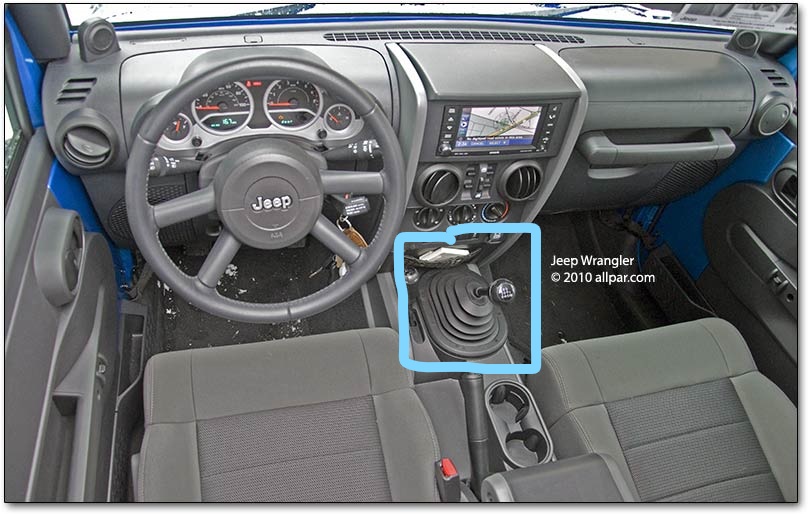
Modern Jeeps: Stick Shift Or Automatic?
Today’s Jeeps are not all stick shift. In fact, most new Jeeps come with automatic transmissions. The market has changed. More people want convenience, especially in city traffic. However, some Jeep models still offer a stick shift for those who want a more engaging drive.
Here’s a breakdown of current popular Jeep models and their transmission options:
| Model | Manual Available | Automatic Available |
|---|---|---|
| Wrangler | Yes | Yes |
| Gladiator | Yes | Yes |
| Cherokee | No | Yes |
| Grand Cherokee | No | Yes |
| Compass | No (US) | Yes |
| Renegade | No (US) | Yes |
As you can see, only the Wrangler and Gladiator currently offer a stick shift in the US. Other models are automatic only. Outside the US, some smaller Jeeps like the Compass or Renegade might offer manuals, but these are rare.
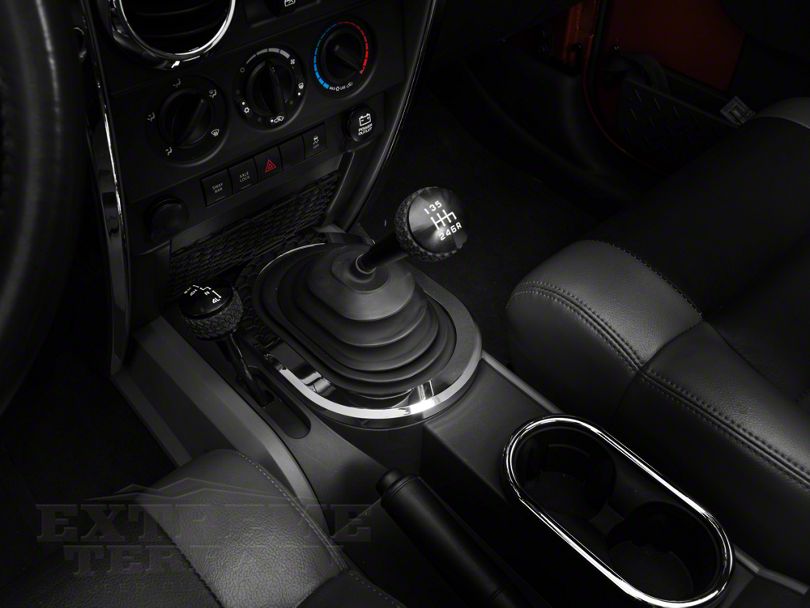
Why Do Some Jeeps Still Offer Stick Shift?
Jeep knows its audience. Many Jeep fans are enthusiasts who enjoy off-roading. A manual transmission gives more control over the engine and wheels on tricky terrain. Stick shifts are also lighter and can be more reliable in harsh conditions.
But there are trade-offs. Automatics have become much better in recent years.
Modern automatics often shift faster than a human can. They also improve fuel efficiency and make driving easier in stop-and-go traffic.
Here are a few reasons people still choose a stick shift Jeep:
- Control: More precise power delivery, especially off-road.
- Fun: Many drivers enjoy the feeling of shifting gears.
- Simplicity: Fewer electronics, often easier to repair.
- Tradition: Keeps the classic Jeep spirit alive.
How Many Jeeps Are Stick Shift Today?
Stick shift Jeeps are now a minority. According to recent sales data, less than 10% of new Jeep Wranglers are sold with manual transmissions. Most buyers pick the automatic, even in models where both are available.
Let’s compare sales trends:
| Year | % Manual Wrangler Sales | % Automatic Wrangler Sales |
|---|---|---|
| 2010 | 22% | 78% |
| 2015 | 14% | 86% |
| 2022 | 8% | 92% |
This shows a clear shift toward automatics. The stick shift is still an option, but fewer people choose it each year.
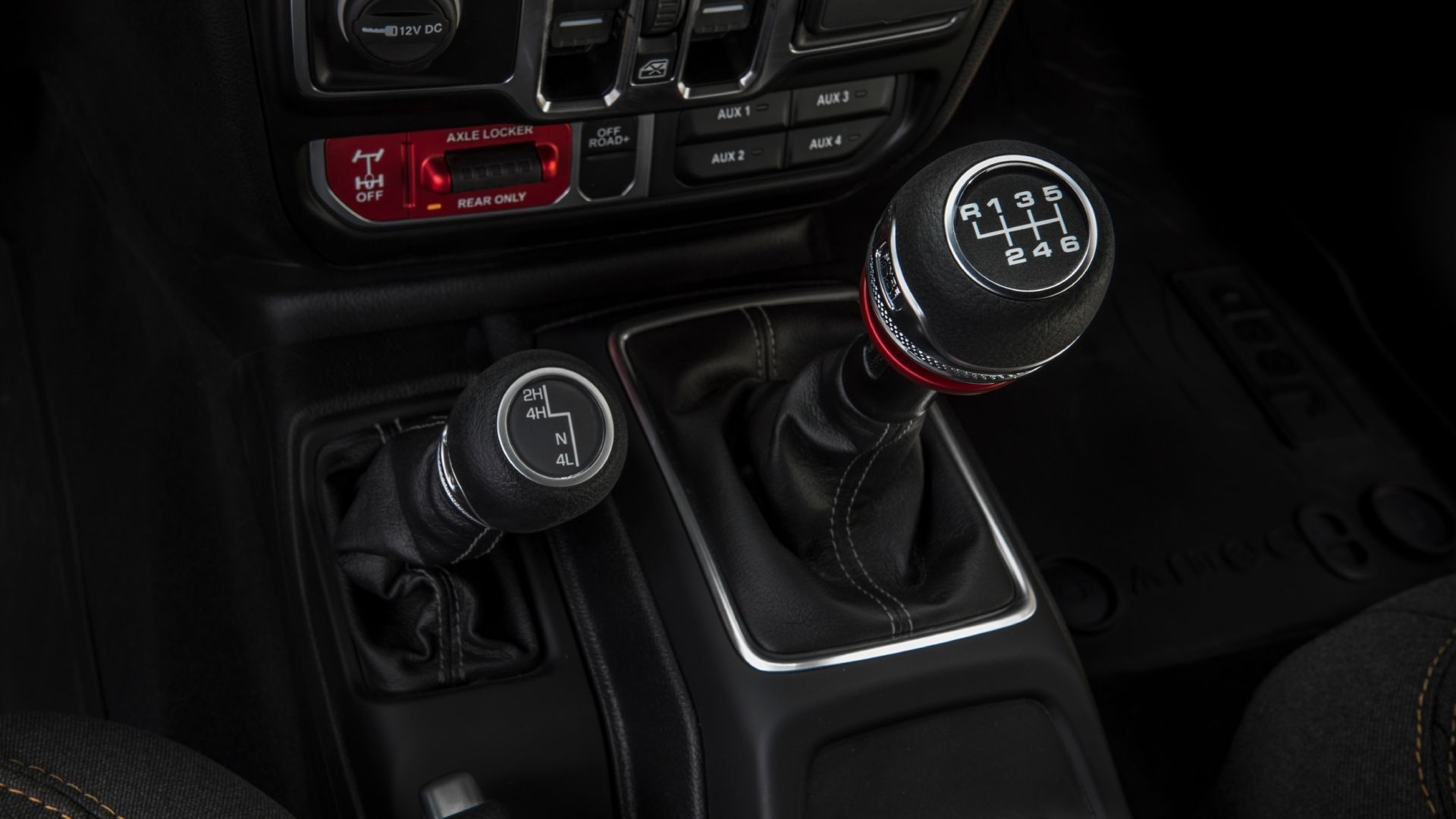
What To Consider When Choosing A Jeep Transmission
If you’re shopping for a Jeep, think about your needs:
- Daily driving: Automatics are easier in traffic and often better for fuel economy.
- Off-roading: Manuals offer fine control, but modern automatics also have features like hill descent and manual mode.
- Resale value: Automatics are more popular, but stick shift Jeeps may keep value with collectors.
- Learning curve: Not everyone knows how to drive a manual. It takes practice.
Here are some practical tips:
- Try both transmissions before you decide.
- If you want a stick shift, act quickly. Fewer models offer them each year.
- For new drivers, automatics are simpler and safer to learn on.
Many beginners miss that manual Jeeps often have lower towing capacity compared to automatics. Also, some advanced off-road features, like certain crawl ratios, are sometimes only available on automatics.
The Future Of Stick Shift Jeeps
The trend is clear: automatic transmissions are taking over. As Jeep adds more hybrid and electric models, the stick shift may disappear entirely. Electrified powertrains usually don’t work with manual gearboxes.
However, the stick shift isn’t gone yet. Jeep keeps offering it in the Wrangler and Gladiator because there’s still demand from purists.
If you want the classic Jeep experience, you can still find it but the window is closing.
For deeper reading on Jeep’s history and technology, check the official Jeep Wrangler Wikipedia page.
Jeep’s image will always be tied to the stick shift, but today’s lineup offers more choices than ever. Whether you want old-school control or modern convenience, there’s a Jeep for you.
Frequently Asked Questions
Are All Jeep Wranglers Stick Shift?
No, not all Jeep Wranglers are stick shift. While the Wrangler still offers a manual option, most buyers choose the automatic transmission.
Which Jeep Models Have A Manual Transmission?
Currently, only the Wrangler and Gladiator offer a manual transmission in the US. Other Jeep models like the Cherokee, Compass, and Grand Cherokee come with automatics only.
Is Driving A Stick Shift Jeep Better For Off-roading?
Many off-roaders prefer manuals for control and simplicity. However, modern automatics are very capable and often easier for beginners.
Are Stick Shift Jeeps Harder To Find?
Yes, stick shift Jeeps are becoming rare. Less than 10% of new Wranglers are sold with manual transmissions, and most other models do not offer them at all.
Will Jeep Stop Making Stick Shift Vehicles Soon?
It’s possible. As more Jeeps become hybrid or electric, manuals may disappear.
For now, Jeep still offers them in select models for fans who want the classic experience.