Are All Jeep 4.0 Engines The Same?
When people talk about Jeep 4. 0 engines, they often think all are identical.
However, this isn't true. The 4.
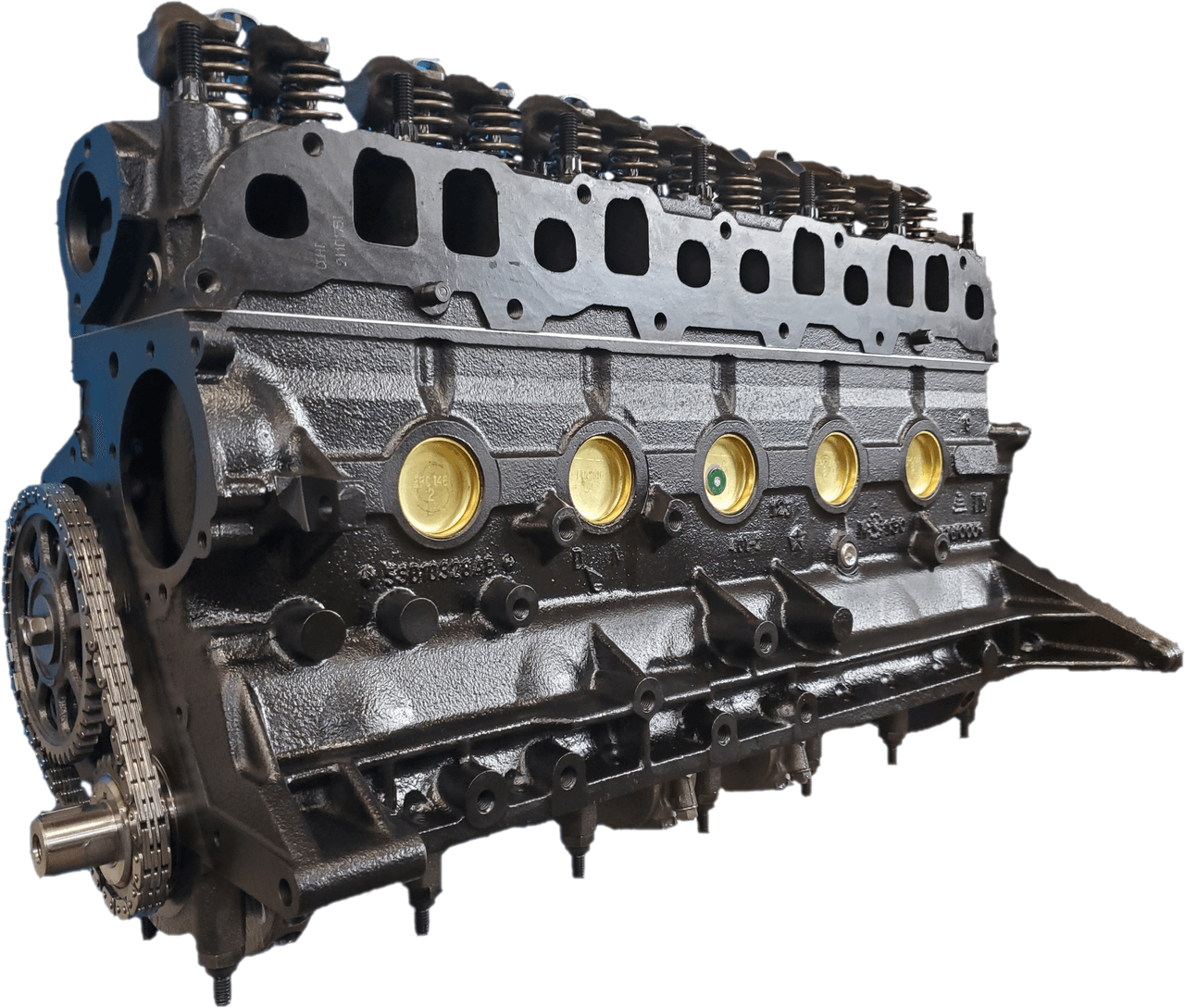
0-liter inline-six engine has powered Jeeps for decades, but many details have changed over the years. From design updates to performance tweaks, each model year can bring something new.

If you want to buy, restore, or upgrade a Jeep, knowing these differences can help you make smarter choices.
Key Differences In Jeep 4.0 Engines
While all Jeep 4. 0 engines share the same displacement and basic design, they are not all exactly the same.
Below, you’ll find a breakdown of 40 unique 4. 0 engines used in Jeeps.
Each one has its own features, changes, and history.
1. 1987 Jeep Cherokee (xj)
The first 4.0 engine was launched in the XJ Cherokee. It used a RENIX fuel injection system and produced 173 hp.
2. 1987 Jeep Comanche (mj)
Similar to the Cherokee, but tuned for the Comanche pickup. RENIX system, 177 lb-ft torque.
3. 1988 Jeep Cherokee
Minor updates for emissions, still RENIX system. Performance unchanged.
4. 1988 Jeep Comanche
Same as previous Comanche, but new sensors for reliability.
5. 1989 Jeep Cherokee
New knock sensor added. Still RENIX.
6. 1989 Jeep Comanche
Added knock sensor, minor wiring updates.
7. 1990 Jeep Cherokee
Last RENIX year. More stable idle.
8. 1990 Jeep Comanche
Final Comanche 4. 0. Improved wiring harness.
9. 1991 Jeep Cherokee
Switched to Chrysler MPI. Better fuel economy. 190 hp.
10. 1991 Jeep Wrangler (yj)
First Wrangler with 4. 0. Chrysler MPI, 190 hp.
11. 1992 Jeep Cherokee
Improved intake manifold. Slight torque boost.
12. 1992 Jeep Wrangler
Same as Cherokee, intake upgrade.
13. 1993 Jeep Cherokee
Added OBD-I diagnostics. More reliable.
14. 1993 Jeep Wrangler
OBD-I system, easier troubleshooting.
15. 1994 Jeep Cherokee
Minor emissions tweak. Slightly cleaner exhaust.
16. 1994 Jeep Wrangler
Improved emissions, same performance.
17. 1995 Jeep Cherokee
New fuel injectors. Smoother running.
18. 1995 Jeep Wrangler
Updated injectors. Better cold starts.
19. 1996 Jeep Cherokee
Switch to OBD-II. More sensors.
20. 1996 Jeep Wrangler
OBD-II, improved diagnostics.
21. 1997 Jeep Cherokee
New head design for less noise.
22. 1997 Jeep Wrangler (tj)
First TJ Wrangler. New head, better throttle response.
23. 1998 Jeep Cherokee
Revised piston rings. Less oil consumption.
24. 1998 Jeep Wrangler
Piston ring update. Engine lasts longer.
25. 1999 Jeep Cherokee
New intake manifold for improved torque.
26. 1999 Jeep Wrangler
Manifold change. Smoother mid-range power.
27. 2000 Jeep Cherokee
Cylinder head casting 0331. Prone to cracking.
28. 2000 Jeep Wrangler
0331 head, watch for cracks.
29. 2001 Jeep Cherokee
Final Cherokee 4. 0. Same 0331 head.
30. 2001 Jeep Wrangler
0331 head, minor updates.
31. 2002 Jeep Wrangler
Head casting changed to TUPY (less cracking).
32. 2003 Jeep Wrangler
TUPY head, more reliable.
33. 2004 Jeep Wrangler
Improved exhaust manifold. Lower emissions.
34. 2005 Jeep Wrangler
Last 4. 0 year. Final tweaks for longevity.
35. 1993 Jeep Grand Cherokee (zj)
First Grand Cherokee 4. 0. Unique intake manifold.
36. 1994 Jeep Grand Cherokee
Minor emissions change.
37. 1995 Jeep Grand Cherokee
Improved engine mounts for less vibration.
38. 1996 Jeep Grand Cherokee
OBD-II system, updated sensors.
39. 1997 Jeep Grand Cherokee
New head, smoother idle.
40. 1998 Jeep Grand Cherokee
Final ZJ 4. 0. Updated head and intake.
Data Table: Jeep 4.0 Engine Changes Over Years
Here’s a quick view of how engine features evolved:
| Year | Model | Fuel System | Diagnostics | Head Casting |
|---|---|---|---|---|
| 1987-1990 | Cherokee/Comanche | RENIX | None | Original |
| 1991-1995 | Cherokee/Wrangler/Grand Cherokee | Chrysler MPI | OBD-I | Original |
| 1996-1999 | Cherokee/Wrangler/Grand Cherokee | Chrysler MPI | OBD-II | New |
| 2000-2001 | Cherokee/Wrangler | Chrysler MPI | OBD-II | 0331 |
| 2002-2006 | Wrangler | Chrysler MPI | OBD-II | TUPY |
Performance And Reliability Comparison
Not all Jeep 4. 0 engines perform or last the same.
Some years had better parts, others faced issues like cracked heads or oil leaks.
| Engine Year | Horsepower | Known Issues | Reliability |
|---|---|---|---|
| 1987-1990 | 173-177 hp | RENIX sensors, wiring | Good |
| 1991-1999 | 190 hp | Minor injector problems | Very Good |
| 2000-2001 | 190 hp | 0331 head cracks | Average |
| 2002-2006 | 190 hp | Few issues | Excellent |
Why Differences Matter
Some buyers make the mistake of thinking any 4.0 engine will fit their Jeep. This isn’t always true. Wiring, sensors, and head castings can be very different. For example, swapping a RENIX engine for a Chrysler MPI model means changing the whole engine harness. Also, the 0331 head from 2000–2001 is known for cracks, which can lead to expensive repairs.
Another detail is the exhaust and intake manifold design. These parts affect how the engine breathes and can change both power and reliability.
The fuel injection system also impacts how easily you can diagnose issues or upgrade parts.
Practical Tips When Choosing A Jeep 4.0 Engine
- Check the engine year and model before buying.
- Avoid the 0331 head if possible; choose TUPY for reliability.
- Make sure wiring and sensors match your Jeep.
- Inspect for oil leaks and head cracks.
- Research which engine years have the best parts.
Non-obvious insight: Some Grand Cherokee 4.0 engines use unique mounts and manifolds, so swapping with Cherokee engines may not be simple. Also, a TUPY head can be retrofitted to older engines for improved reliability.
Frequently Asked Questions