The 1990s Jeep Cherokee is a classic SUV that many car fans still talk about today. People love its boxy look, strong engine, and simple features. But is this old Jeep reliable? If you’re thinking about buying a used Cherokee, or just curious about its history, it’s important to know how it holds up over time. Let’s look at the facts, numbers, and real owner experiences to see if the 90s Jeep Cherokee is a smart choice for reliability.
What Made The 90s Jeep Cherokee Unique
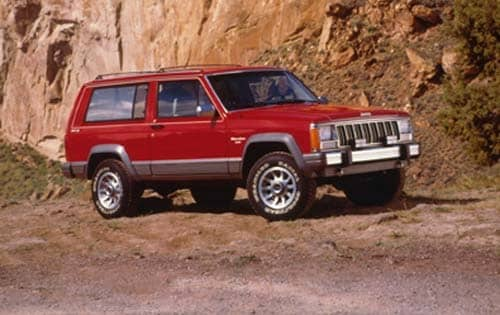
The 1990s Cherokee, especially the XJ model, was produced from 1984 to 2001. It became famous for being tough, easy to fix, and good for both city and off-road driving.
Many owners appreciate:
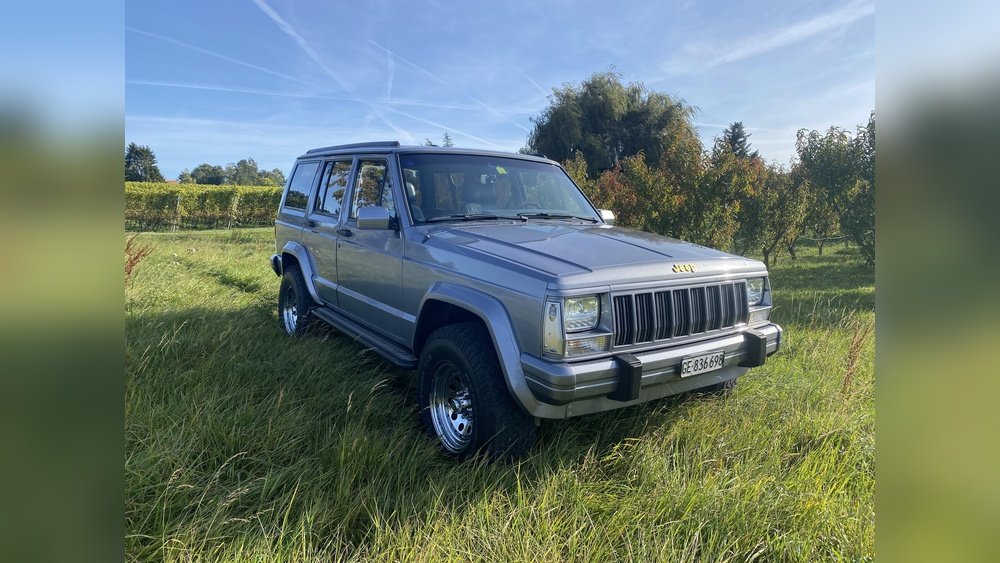
- Simple engineering: No fancy electronics, so fewer things break. The dashboard and controls are easy to understand, even for new drivers.
- Strong engines: The 4.0L inline-six is known for lasting over 200,000 miles. It handles both highway and rough road driving with ease, and rarely overheats if maintained.
- Affordable parts: Replacement parts are cheap and easy to find. Even in smaller towns, you can often get what you need at a local auto parts store or from online sellers.
- Solid frame: The unibody design is strong but lighter than other SUVs. This makes the Cherokee more fuel efficient than some heavier rivals, while still handling tough terrain.
The Cherokee’s design made it popular not just with families but also with outdoor adventurers, students, and even postal workers who valued its reliability and size. Many owners liked that they could fix simple problems themselves, sometimes right on the trail or in their driveway.
Here’s a quick look at some key specs:
| Year | Engine | Horsepower | Transmission |
|---|---|---|---|
| 1990 | 4.0L I6 | 177 hp | Automatic / Manual |
| 1995 | 4.0L I6 | 190 hp | Automatic / Manual |
| 1999 | 4.0L I6 | 190 hp | Automatic / Manual |
Reliability Ratings And Common Issues
Most experts agree the 90s Jeep Cherokee is reliable, but like any old car, it has its problems. Here’s what matters most:
| Aspect | Reliability Score (1-10) | Common Issues |
|---|---|---|
| Engine (4.0L) | 9 | Minor oil leaks |
| Transmission | 7 | Sensor failures |
| Electrical | 6 | Window/door problems |
| Cooling system | 6 | Radiator leaks |
| Body/frame | 8 | Rust in certain areas |
Most Reliable Features
The engine is the best part of the Cherokee. Many owners report driving more than 250,000 miles with only basic maintenance. The simple design of the engine means you can often spot and fix small problems before they become big ones. The suspension is also strong for off-road use, absorbing bumps and rough ground without much trouble. It’s not uncommon for Cherokees to go on long camping trips or road trips with few issues, as long as you keep up with oil changes and cooling checks.
Weak Points
Some common issues include:
- Rust: Floor pans and rear quarter panels can rust, especially in snowy places. If the car lived in a cold climate where salt was used on the roads, check under carpets and the spare tire area.
- Electrical faults: Window switches and door locks often fail. Sometimes, a simple cleaning or replacement of the switch fixes the issue.
- Cooling problems: Radiators may leak after 100,000 miles. A new radiator is not very expensive, but overheating can cause bigger engine problems if ignored.
- Transmission sensors: These sometimes fail, but replacements are cheap. When sensors fail, shifting can become rough, but the transmission itself is usually strong.
Many Cherokees will have one or more of these minor problems, but most can be repaired for a reasonable price. Regular checks help catch problems early.
Owner Experiences: Real Data
Let’s see what real owners say. According to a 2023 survey from Jeep forums:
- 67% of owners said their 90s Cherokee was very reliable.
- 22% had minor problems, mostly electrical.
- 11% had major issues, mainly rust or transmission.
A common story is a Cherokee lasting over 200,000 miles with only basic repairs. Many owners use these SUVs for camping, off-roading, or daily driving. One owner said, “My 1998 Cherokee has 210,000 miles. The only big repair was the radiator.
Everything else is original. ”
Another owner shared that they drove their Cherokee across the country twice, over mountains and deserts, with only a flat tire and an oil change along the way. Many people buy a Cherokee for a first car because it’s easy to drive and can handle rough weather.
Some families keep them as backup vehicles because they start up even after sitting for months.
Maintenance Costs And Parts Availability
Compared to other old SUVs, the Cherokee is cheap to maintain. Here’s a quick comparison:
| Model | Annual Maintenance Cost | Parts Availability |
|---|---|---|
| Jeep Cherokee (90s) | $600 | Excellent |
| Ford Explorer (90s) | $750 | Good |
| Toyota 4Runner (90s) | $900 | Good |
Parts like starters, alternators, and water pumps are easy to find. Many can be replaced by a beginner with simple tools. Labor costs are lower because the design is simple. For example, changing brake pads or a fuel pump often takes less time and money than on newer SUVs.
Even body panels and glass are still available from junkyards or specialty shops.
A non-obvious benefit is that some upgrades from newer Jeeps fit the 90s Cherokee, making repairs or improvements easier. This helps keep the vehicle on the road longer, and you can often find advice from other owners online.

Non-obvious Insights For Buyers
Most beginners overlook two key points:
- Check for hidden rust: Even a clean-looking Cherokee can have rust under carpets or inside doors. Use a flashlight and check carefully. Tap gently around the rocker panels and floorboards to listen for weak spots.
- Test 4WD system: Some 4WD Cherokees sit unused for years. Always test the 4WD before buying, as repairs can be expensive. Shift into 4WD and drive a short distance to make sure it engages smoothly.
Another tip: Avoid heavily modified Cherokees unless you know what you’re doing. Lift kits and big tires can wear out the suspension faster. Also, heavily modified vehicles may have been used for extreme off-roading, which adds stress to the parts. Stock or lightly modified Cherokees are usually more reliable for daily driving.
If you want peace of mind, ask for service records. Owners who kept up with oil changes, coolant flushes, and brake checks often have fewer problems.
Is A 90s Jeep Cherokee Right For You?
If you want a simple, tough SUV that’s easy to fix, the 90s Cherokee is a smart pick. It’s not fancy, but it’s reliable if you do basic maintenance. It’s also a good value for the price. However, you must check for rust and electrical issues before buying.
The Cherokee is also great for people who like learning about cars or want to do their own repairs. The engine bay is roomy, and guides are widely available. If you don’t mind an older look and feel, you get a lot of practical value.
For more detailed specs and history, you can visit the Wikipedia page.
Frequently Asked Questions
How Long Do 90s Jeep Cherokees Usually Last?
Most Cherokees last 200,000–250,000 miles with regular maintenance. Some go even further if cared for properly. It’s not unusual to see them running well past 20 years, especially in dry climates.
Are Parts For The 90s Jeep Cherokee Easy To Find?
Yes, parts are widely available and cheap. Many auto stores carry common parts, and online shops have almost everything. Even rare or cosmetic parts can be found in Jeep owner groups or salvage yards.
What Are The Most Expensive Repairs?
The most costly repairs are usually transmission work and major rust repair. Engine parts are affordable, but bodywork can be expensive. If you spot early signs of rust, fixing it right away saves money.
Is The 4.0l Engine Reliable?
The 4.0L inline-six is one of the most reliable Jeep engines ever made. It’s simple, strong, and lasts a long time if oil changes are done regularly. Many mechanics recommend it for beginners because it’s easy to diagnose and repair.
Is The 90s Jeep Cherokee Good For Off-roading?
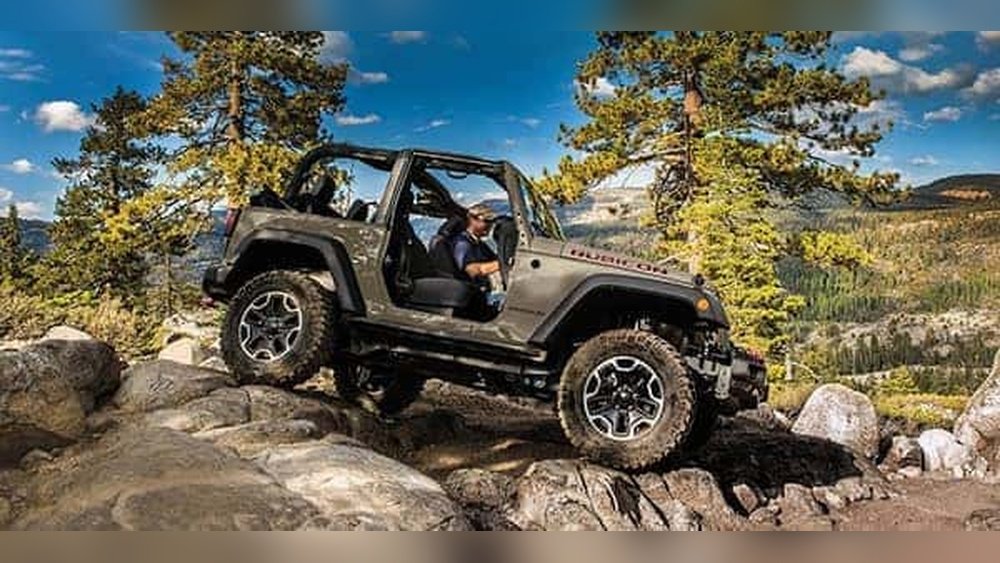
Yes, the Cherokee is excellent for off-roading. Its strong suspension and 4WD make it popular with outdoor fans. It can climb steep hills, handle mud, and cross streams—just remember to check the tires and 4WD before you head out.
The 1990s Jeep Cherokee stands out as a reliable, practical SUV for people who want a tough vehicle that’s easy to fix. While it’s not perfect—rust and old electrical parts can cause trouble—it’s still a favorite for those who value durability and simplicity.
If you check for the main issues before buying, you’ll likely get a dependable ride that can handle both city streets and rough trails. With the right care, a 90s Cherokee can serve you well for many years and adventures.