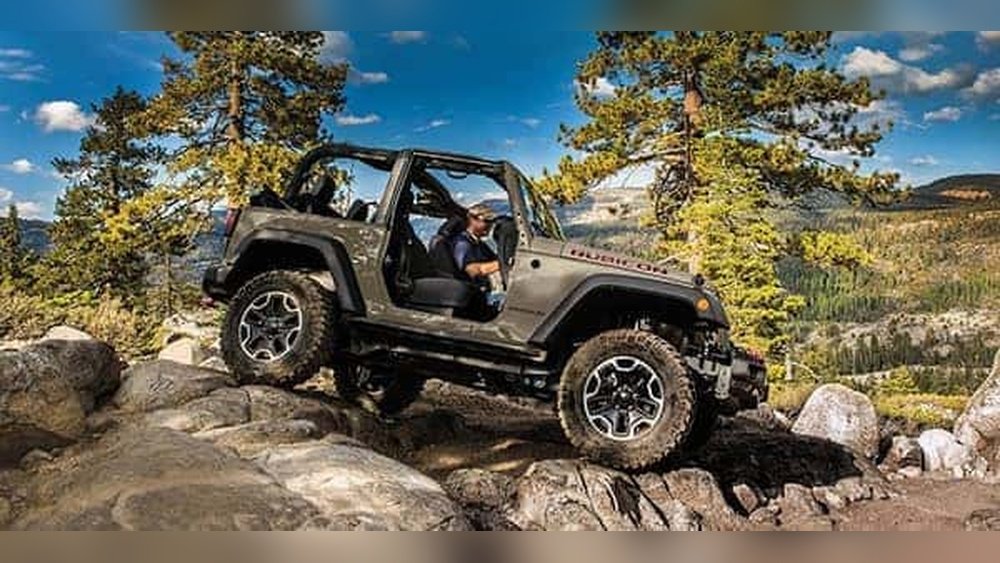
If you’re thinking about buying a 2017 Jeep Wrangler, you probably want to know: is it reliable? The Jeep Wrangler is well-known for its off-road skills and classic design, but people often wonder if it’s a vehicle they can count on every day. This article breaks down the 2017 model’s reliability, using real owner experiences, repair data, and expert analysis. We’ll look at common issues, costs, and how the Wrangler compares to similar SUVs. You’ll also get practical advice to help you make the right decision for your needs.
How Reliable Is The 2017 Jeep Wrangler?
The 2017 Jeep Wrangler scores around 3 out of 5 for reliability from sources like J.D. Power and RepairPal. This puts it in the middle of the SUV class. Some owners drive their Wranglers for years with only routine maintenance. Others report more frequent repairs, especially if they use the Jeep for tough off-roading.
Key Reliability Data
- J.D. Power Reliability Score: 3/5
- RepairPal Reliability Rating: 3.5/5
- Average Annual Repair Cost: About $650
These numbers mean the 2017 Wrangler is not the most reliable SUV, but it’s not the worst either. Most problems are not deal-breakers, but you should be ready for some repairs.
Common Problems And Issues
No vehicle is perfect, and the 2017 Wrangler has its share of common problems. Here are the main issues owners report:
1. Electrical Problems
Some Wranglers have issues with the TIPM (Totally Integrated Power Module). This can cause things like headlights, wipers, or radios to stop working.
2. Oil Leaks
The 3.6L V6 engine can develop oil leaks, often at the oil filter housing. This is usually not a major fix but should be checked during service.
3. Suspension And Steering
Some drivers notice the “death wobble,” a strong vibration at highway speeds. This is often caused by worn suspension parts or tires that are out of balance.
4. Water Leaks
The Wrangler’s removable roof and doors are fun, but they can let in water if seals wear out or are not fitted correctly.
5. Transmission Issues
Some owners report rough shifting or hesitation, but these cases are less common.
How Often Do These Happen?
Most owners will not have all these problems. However, high-mileage or heavily used Wranglers are more likely to develop issues.
Maintenance Costs And What To Expect
The 2017 Jeep Wrangler’s average yearly maintenance cost is about $650, which is slightly higher than the average for compact SUVs. Here’s how it compares to similar vehicles:
| Model | Annual Maintenance Cost | Reliability Score |
|---|---|---|
| Jeep Wrangler (2017) | $650 | 3/5 |
| Toyota 4Runner (2017) | $540 | 4/5 |
| Ford Bronco (2017) | $720 | 3/5 |
Oil changes, tire rotations, and brake service are common and not expensive. Major repairs, like fixing the transmission or suspension, can cost over $1,000. If you use your Wrangler for tough off-roading, expect higher costs for parts like tires and shocks.
What Owners Like And Dislike
Wrangler owners are a passionate group. Here’s what most people say:
What People Like
- Off-road ability: Few SUVs can match the Wrangler’s performance on dirt, rocks, and mud.
- Simple design: Easy to work on, with many DIY repair options.
- Strong resale value: Wranglers hold value well compared to other SUVs.
What They Dislike
- Ride comfort: The solid axle design gives a bumpy ride on city roads.
- Noise: The soft top and boxy shape create wind and road noise.
- Fuel economy: Owners average about 17-21 mpg, which is lower than many competitors.

How The 2017 Wrangler Compares To Other Years
Some buyers wonder if the 2017 model year is better or worse than earlier or later Wranglers. Here’s a quick look:
| Year | Reliability Score | Major Issues Reported |
|---|---|---|
| 2015 | 2.5/5 | Transmission, electrical |
| 2017 | 3/5 | Oil leaks, suspension |
| 2019 | 3/5 | Electrical, steering |
The 2017 Wrangler is seen as more reliable than some older models but not a big leap forward. It’s the last year of the JK generation before the major redesign in 2018.
Important Tips For Buyers
If you want a 2017 Wrangler, keep these tips in mind:
- Check for leaks: Inspect under the engine for oil or water leaks.
- Test drive at highway speed: Listen for shakes or vibrations (“death wobble”).
- Review service records: Well-maintained Wranglers tend to have fewer problems.
- Look at the roof and seals: Make sure there’s no sign of water entry.
A non-obvious tip: factory stock Wranglers are usually more reliable than ones with big modifications (like lifts and heavy off-road tires). Extra parts can put stress on the suspension and drivetrain.
Another insight: If you want the most reliable Wrangler, pick a hardtop version. Soft tops and removable panels are fun but can lead to leaks and noise over time.
Who Should Buy A 2017 Jeep Wrangler?
The 2017 Wrangler is a great choice if you:
- Love outdoor activities and want to go off-road
- Don’t mind basic comfort for more adventure
- Are OK with doing some repairs or paying for extra maintenance
It’s not the best pick if you want a quiet, smooth city drive or the lowest repair bills.
Frequently Asked Questions
Is The 2017 Jeep Wrangler Good For Daily Driving?
The Wrangler can be used every day, but it feels less smooth and quiet than most other SUVs. City drivers may notice the rough ride and higher noise, but fans say the fun and style are worth it.
How Long Will A 2017 Wrangler Last?
With regular maintenance, many Wranglers reach 200,000 miles or more. Off-road use or poor care can shorten the lifespan.
Are There Any Recalls On The 2017 Wrangler?
Yes, there have been a few recalls, mostly for electrical and airbag issues. Check the VIN on the official NHTSA site to see if a specific Wrangler is affected.
What’s The Best Engine For The 2017 Wrangler?
The standard 3.6L Pentastar V6 is the only option for 2017 and is considered reliable if serviced regularly.
Where Can I Find More Detailed Owner Reviews?
You can find in-depth reviews and repair histories on sites like Edmunds.
If you want a vehicle that’s fun, holds value, and can handle tough trails, the 2017 Jeep Wrangler is a solid pick. Just be ready for some quirks and higher running costs compared to more basic SUVs.