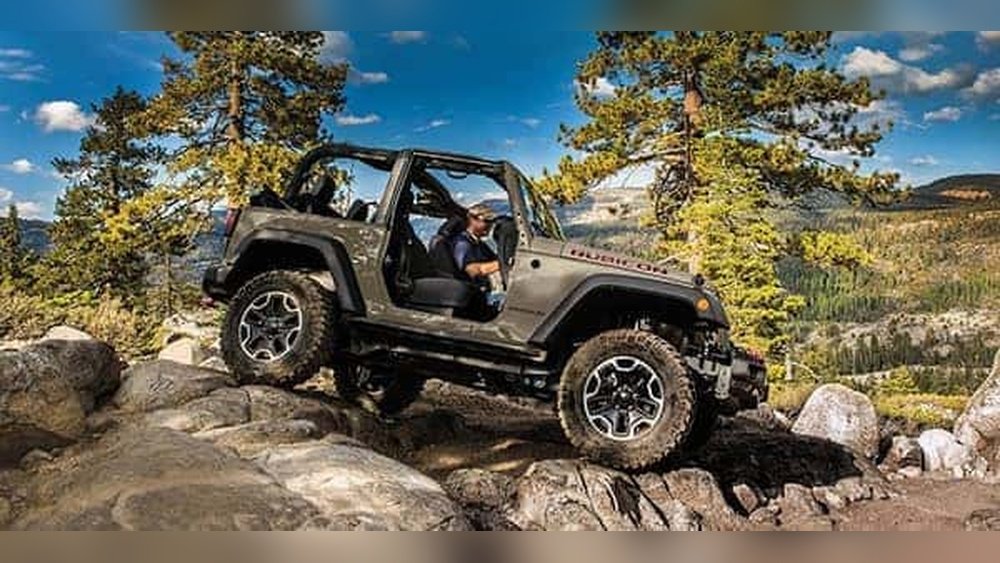
The 2003 Jeep Grand Cherokee stands out as a popular choice for drivers who want a midsize SUV with off-road ability and daily comfort. Many people consider buying one for its affordable price and rugged reputation. But is it a smart buy today? Let’s take a close look at its reliability, what owners say, and what you should know before making a decision.
How Reliable Is The 2003 Jeep Grand Cherokee?
Reliability means more than just how long a car lasts—it’s also about how often it needs repairs, how expensive those repairs are, and how easily you can keep the vehicle running. The 2003 Grand Cherokee is known for strong engines, but it has some weak points too.
Engine And Transmission: The Heart Of Reliability
The 2003 model came with two main engines: a 4.0L inline-six and a 4.7L V8. Both engines are known for lasting over 200,000 miles if cared for. The 4.0L is especially famous for its toughness. However, the automatic transmission (especially the 42RE) can develop problems near 100,000 miles.
Common signs of trouble:
- Rough shifting
- Slipping gears
- Transmission fluid leaks
Changing transmission fluid every 30,000 miles helps prevent expensive failures. For those who tow heavy loads, the V8 engine is a better choice, but it can use more fuel.
Suspension And Ride Quality
The suspension on the 2003 Grand Cherokee gives a comfortable ride, but some parts wear out quickly. Front ball joints and control arms often need replacement around 100,000 miles. When these parts wear out, you might hear clunking noises or feel vibrations. Replacing worn suspension parts restores comfort and safety, but it’s a cost to keep in mind.
Common Electrical Issues
Many owners report electrical problems. The most frequent include:
- Power window failures
- Faulty door locks
- Dash warning lights
These issues come from aging wiring and failing switches. They rarely stop the SUV from running but can be annoying and sometimes expensive to fix.
Fuel Economy: What To Expect
The 2003 Grand Cherokee is not a fuel saver. The 4. 0L engine gets about 15 mpg city and 20 mpg highway. The V8 drops to 13 mpg city and 18 mpg highway. For an SUV of this size and age, these numbers are typical, but buyers should budget for higher gas costs.
Here’s a quick comparison of engine options and fuel economy:
| Engine | Horsepower | City MPG | Highway MPG |
|---|---|---|---|
| 4.0L Inline-6 | 195 hp | 15 | 20 |
| 4.7L V8 | 235 hp | 13 | 18 |
Owner Satisfaction And Real-world Experience
Drivers appreciate the Jeep Grand Cherokee’s off-road abilities and smooth ride on pavement. Many say it handles snow, mud, and rough roads better than most SUVs of its time. However, some owners mention that repair costs can add up, especially if previous maintenance was ignored.
One non-obvious fact: Some 2003 models have the Quadra-Drive 4WD system, which gives extra grip on slippery surfaces. This feature is rare for SUVs from this era.

Rust And Body Longevity
Many 2003 Grand Cherokees show rust on the underbody, especially in northern states with road salt. Check for rust around the rear wheel wells, tailgate, and frame. Rust repairs can be costly and affect safety.
Another detail: The paint on some models fades or peels, especially in sunny climates. This is cosmetic but can lower resale value.
Cost Of Ownership: Repairs And Parts
The good news: Parts for the 2003 Grand Cherokee are easy to find and usually affordable. Many mechanics know how to work on them. On average, owners spend about $500–$700 per year on repairs, according to several automotive surveys.
Here’s how the 2003 Grand Cherokee compares to rivals on repair costs:
| Model | Annual Repair Cost | Common Issues |
|---|---|---|
| 2003 Jeep Grand Cherokee | $600 | Transmission, suspension |
| 2003 Ford Explorer | $700 | Transmission, electrical |
| 2003 Toyota 4Runner | $450 | Rust, suspension |

What Beginners Miss When Buying
- Service history matters – A well-maintained Grand Cherokee will be much more reliable than one with missing oil changes or delayed repairs.
- Check 4WD operation – Not all models have the same four-wheel-drive system. Make sure it engages properly if you need it for winter or off-roading.
- Cooling system – The radiator and water pump are weak points. Overheating can cause engine damage, so inspect these parts carefully.
Tips For Getting A Reliable 2003 Grand Cherokee
- Look for one-owner vehicles with records of regular oil changes.
- Test drive to check for smooth shifting and quiet suspension.
- Inspect under the car for leaks, rust, and damaged bushings.
- Have a mechanic check the vehicle before you buy.
A non-obvious insight: Some owners upgrade the cooling system with heavy-duty radiators to prevent overheating, especially in hot climates.
When The 2003 Grand Cherokee Is (and Isn’t) A Good Buy
This SUV is a smart choice if you:
- Want a low-cost 4×4 for winter or off-road use.
- Plan to keep up with regular maintenance.
- Can handle occasional repair bills.
It’s less ideal if you want the lowest running costs or need the best gas mileage.
Final Thoughts
The 2003 Jeep Grand Cherokee is reliable for its age—if you choose a well-cared-for example and budget for regular maintenance. Its engines are tough, parts are easy to find, and it’s great in tough weather. However, expect some repairs, and check for rust and electrical problems before buying. With smart shopping and care, this SUV can be a practical and fun vehicle for years to come.
Frequently Asked Questions
Is The 2003 Jeep Grand Cherokee Expensive To Repair?
Repairs are usually affordable compared to other SUVs, with common fixes like window regulators and suspension parts. However, major repairs (like transmission replacement) can be costly.
How Many Miles Will A 2003 Jeep Grand Cherokee Last?
Many reach 200,000 miles or more with good maintenance. Key is regular oil changes, cooling system care, and prompt repair of any issues.
Are There Any Serious Recalls For The 2003 Grand Cherokee?
Yes, some models had recalls for fuel tank issues and electrical problems. Always check with the National Highway Traffic Safety Administration to see if recalls were fixed.
Is The 4.0l Or 4.7l Engine Better For Reliability?
The 4.0L inline-six is considered more reliable and easier to maintain, though the 4.7L V8 offers more power for towing.
Where Can I Find More Information On The 2003 Jeep Grand Cherokee?
You can read detailed specs and owner reviews at the Wikipedia page on the Jeep Grand Cherokee.