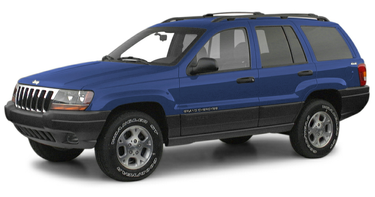
Few SUVs have a reputation as strong as the 2000 Jeep Grand Cherokee. For drivers looking for a dependable used vehicle, reliability is a top concern. The Grand Cherokee has been popular for its rugged build, comfortable ride, and off-road ability. But is the 2000 model year truly reliable? Let’s explore its strengths, weaknesses, and what real owners and experts say.
Key Features And Performance
The 2000 Jeep Grand Cherokee came with two main engine options:
- 4.0L Inline-6: Known for durability, this engine produces 195 horsepower.
- 4.7L V8: More powerful, with 235 horsepower, but less fuel-efficient.
Both engines offer good performance for daily driving and moderate off-roading. The 4. 0L is famous for lasting well over 200,000 miles if maintained. The V8 gives extra power, but some owners report higher maintenance costs, especially as the vehicle ages.
The difference in fuel economy can become noticeable over time, with the V8 often getting around 13–15 mpg in the city, while the 4. 0L manages slightly better.
The Grand Cherokee’s Quadra-Trac 4WD system helps it handle snow, rain, and rough terrain. Many drivers appreciate this feature, especially in areas with difficult weather. The system can automatically send power to the wheels with the most grip, making it easier to drive on slippery surfaces. The suspension is tuned for comfort, so long trips and bumpy roads are not a problem. Additionally, the Grand Cherokee offers a towing capacity of up to 6,500 lbs with the V8 engine, which is useful for small trailers or boats.
One extra detail: The interior design of the 2000 model is more spacious and refined compared to earlier versions. Standard features often include power windows, air conditioning, and sometimes leather seats in higher trims, adding to its overall comfort.
Reliability Ratings And Common Issues
According to J.D. Power and owner surveys, the 2000 Grand Cherokee scores average for reliability. Some parts are strong, others are weak. Let’s look at the most common trouble spots:
- Electrical Problems: Window switches, door locks, and dashboard lights often fail. These issues can be annoying because they affect daily use, and sometimes require replacing the whole switch unit.
- Cooling System Leaks: Radiator, water pump, and hoses may need replacement after 100,000 miles. Overheating can happen if leaks are not fixed quickly.
- Suspension Wear: Ball joints and bushings can wear out, leading to clunking noises. This not only affects comfort but also safety if ignored.
- Transmission Issues: The automatic gearbox sometimes slips or shifts roughly, especially in higher-mileage vehicles. This problem can be prevented with regular fluid changes, but repairs are costly if needed.
- Brake Rotor Warping: Many owners report frequent brake repairs. Warped rotors cause vibration when braking and can become expensive if not addressed early.
Non-obvious insight: The Blend Door in the heating system is a hidden weak spot. When it fails, you may lose heat or AC on one side of the cabin. Repairing it can be expensive, sometimes requiring removal of the dashboard.
Despite these issues, the Grand Cherokee is praised for its frame strength and rust resistance, especially compared to other SUVs from 2000. The body panels and undercarriage are well-sealed, helping the vehicle last in areas where winter salt causes rust on other cars.

Maintenance Costs And Longevity
Keeping a 2000 Jeep Grand Cherokee reliable depends on regular upkeep. Here’s a comparison of common annual maintenance costs versus similar SUVs:
| Model | Average Annual Maintenance ($) | Major Repairs Needed? |
|---|---|---|
| Grand Cherokee 2000 | 700 | Occasional |
| Ford Explorer 2000 | 650 | Occasional |
| Toyota 4Runner 2000 | 600 | Rare |
The Grand Cherokee is not the cheapest to maintain, but parts are widely available. Many mechanics are familiar with its systems, making repairs less stressful. Basic items like brake pads, filters, and fluids are affordable, but larger jobs—such as suspension or transmission work—can add up.
For example, replacing the water pump or fixing a leaking radiator is more common after 120,000 miles.
A second insight: Watch for aftermarket modifications. Lift kits and oversized tires can stress suspension and steering, leading to faster wear. Modified vehicles may look attractive but often hide extra wear and tear, so check carefully before buying.
Another practical note: The cost of insurance for a 2000 Grand Cherokee is generally moderate, thanks to its age and safety rating, but it’s a good idea to compare quotes before purchase.
Owner Satisfaction And Real-world Experience
Real drivers share mixed experiences. Some enjoy the classic Jeep look and strong performance. Others complain about repeated repairs, especially as the vehicle ages.
Here’s a summary of owner reviews:
- Positive: Many reach over 150,000 miles with only minor problems. Owners praise the comfortable seats, strong air conditioning, and good highway driving stability.
- Negative: Electrical and transmission issues are common after 120,000 miles. Some owners also mention that interior plastics and trim pieces can rattle or break over time.
Let’s compare owner ratings:
| Category | Average Rating (out of 5) |
|---|---|
| Reliability | 3.2 |
| Comfort | 4.0 |
| Performance | 3.8 |
| Value | 3.5 |
Most owners agree that with careful maintenance, the 2000 Grand Cherokee can be reliable. But neglecting regular service leads to trouble. Those who invest in preventive care—like changing fluids and replacing worn parts early—often get the most years from their SUV.
An extra tip for buyers: Some owners join online Jeep forums for advice and support, which can make dealing with repairs much easier.
Buying Tips And What To Check
If you’re considering a 2000 Jeep Grand Cherokee, follow these steps:
- Check Service Records: Look for proof of oil changes, coolant flushes, and brake work. A well-documented history shows the owner cared for the vehicle.
- Inspect Electrical Features: Test windows, locks, and dashboard lights. Problems in these areas can signal deeper electrical issues.
- Listen for Suspension Noise: Clunks or squeaks mean worn parts. Have a mechanic check if you hear anything unusual.
- Test Transmission: Make sure shifts are smooth, with no slipping. Hesitation or harsh shifts can be a sign of future repair needs.
- Look for Rust: Focus on wheel wells and frame, but most Grand Cherokees resist rust well. Check under the doors and near the tailgate for any bubbling paint.
A practical tip: Always drive the car for 15–20 minutes before buying. Some problems only appear after the vehicle is warmed up. Also, check for fluid leaks after the test drive—look under the car for spots or drips.
For added peace of mind, consider having a trusted mechanic do a pre-purchase inspection. It can help you spot hidden issues before making a decision.
Comparison With Other Used Suvs
How does the Grand Cherokee stack up against competitors? Here’s a quick overview:
| Model | Reliability Score (out of 5) | Off-Road Ability |
|---|---|---|
| Grand Cherokee 2000 | 3.2 | High |
| Toyota 4Runner 2000 | 4.0 | High |
| Ford Explorer 2000 | 3.5 | Medium |
| Chevrolet Blazer 2000 | 3.0 | Medium |
The Grand Cherokee’s off-road strength is a big plus, but reliability is only average compared to the Toyota 4Runner. However, the Jeep often costs less to buy used, and offers more comfort features for the money. If you want a balance of off-road ability and daily comfort, the Grand Cherokee is a solid middle ground. On the other hand, if you prefer the lowest risk of repairs, the 4Runner is hard to beat.

Frequently Asked Questions
Is The 2000 Jeep Grand Cherokee Good For Off-roading?
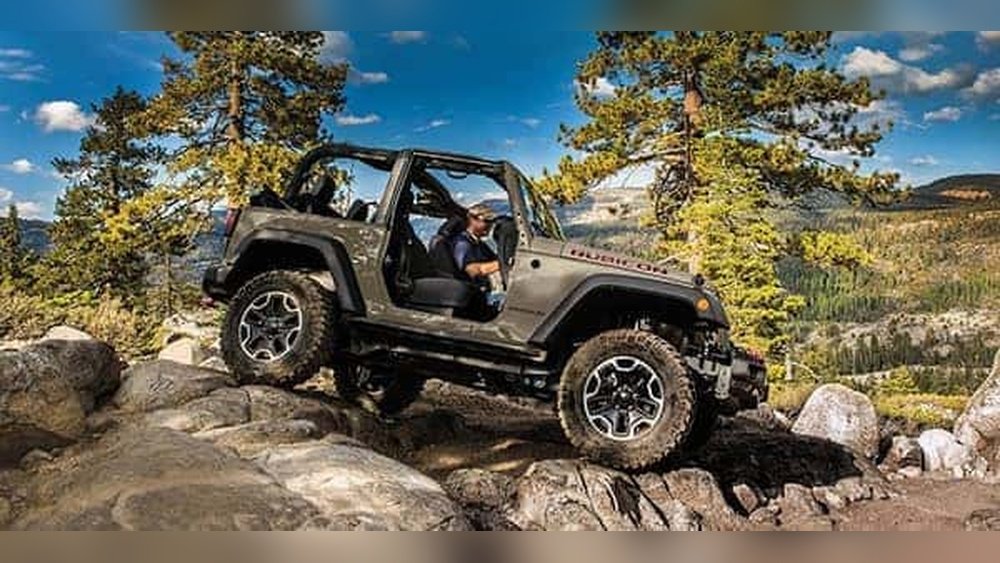
Yes, its Quadra-Trac 4WD and strong frame make it suitable for trails, snow, and mud. But check for suspension and tire upgrades, as these can affect durability. The Jeep’s high ground clearance helps with rocks and deep ruts, while skid plates protect key parts underneath.
How Many Miles Can A 2000 Grand Cherokee Last?
With regular maintenance, many reach 200,000 miles or more. The 4.0L engine is especially long-lasting. Some owners report reaching 250,000 miles, though this often requires replacing parts like the alternator, water pump, or suspension.
What Are The Most Expensive Repairs?
Transmission rebuilds and heater blend door repairs can cost over $1,000. Electrical fixes are usually less expensive. It’s wise to budget for these big repairs if you plan to keep the SUV for many years.
Does The 2000 Grand Cherokee Have Rust Problems?
It’s better than some competitors. The body and frame resist rust if cared for, but always check wheel wells and undercarriage. Regular washing, especially in winter, helps keep rust away.
Where Can I Find More Information About The 2000 Jeep Grand Cherokee?
You can read detailed specs and owner reviews at Wikipedia.
The 2000 Jeep Grand Cherokee is a solid choice for buyers who want off-road capability and classic SUV style. While it is not trouble-free, careful maintenance and a good inspection can lead to years of reliable service. If you value performance and comfort, and can handle occasional repairs, this model stands as a competitive option among used SUVs.