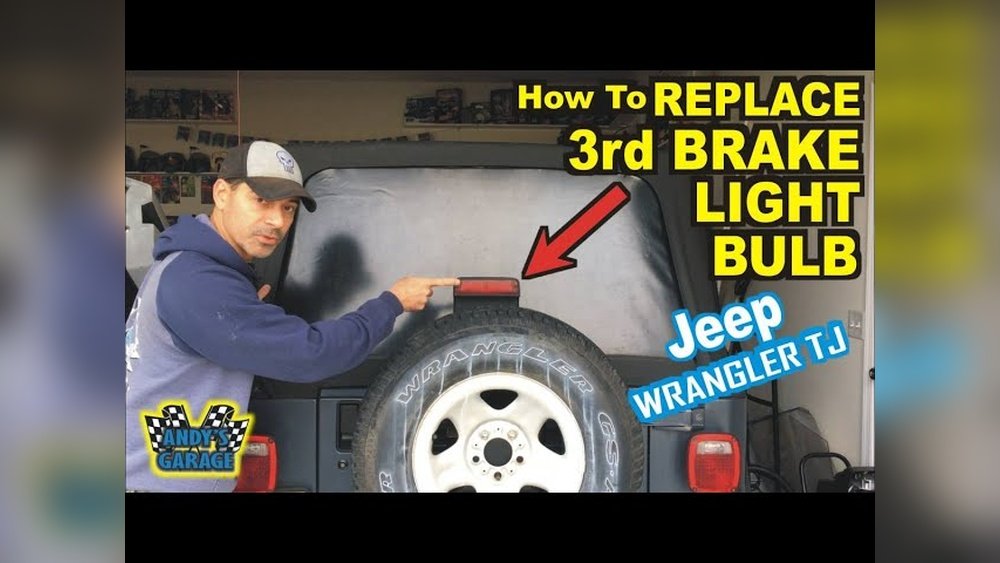
If you’re thinking about buying a 1997 Jeep Wrangler, you probably want to know if it’s reliable. The Jeep Wrangler is famous for its rugged look, simple design, and ability to go almost anywhere off-road. But when it comes to daily driving and long-term ownership, reliability matters just as much as style. Let’s take a close look at the 1997 Jeep Wrangler’s strengths, weaknesses, and what real owners say about their experiences.
What Makes The 1997 Jeep Wrangler Special?
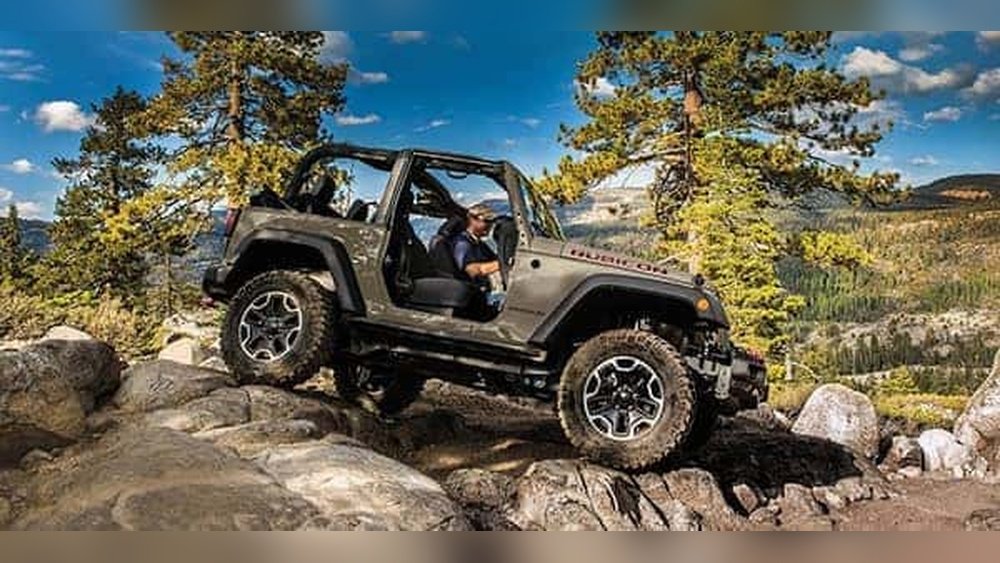
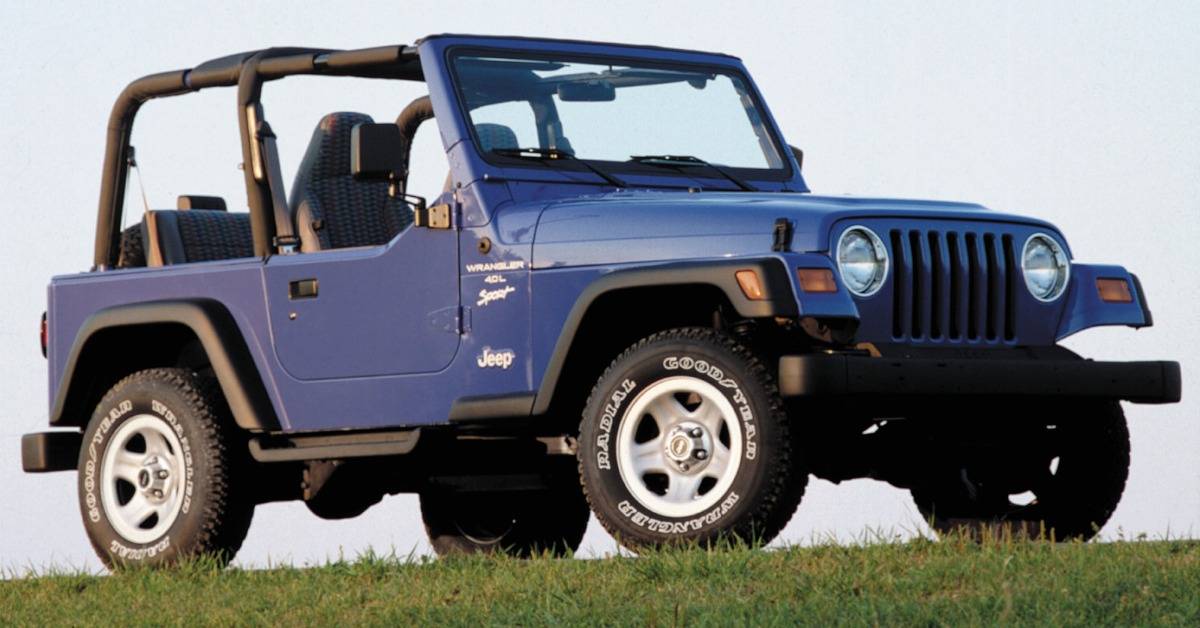
The 1997 model year was a turning point for the Wrangler. This was the first year for the TJ generation, introducing round headlights and a coil-spring suspension. These changes made the ride smoother than earlier YJ models. The Wrangler kept its classic boxy shape and removable doors, which fans loved.
Under the hood, buyers could choose between a 2.5-liter 4-cylinder and a 4.0-liter 6-cylinder engine. The 4.0-liter, in particular, is legendary for its durability and simple maintenance.
Reliability: The Good And The Bad
Engine And Drivetrain
The 4.0-liter inline-six engine is one of the most praised Jeep engines ever. Many owners report reaching over 200,000 miles with basic care. The 2.5-liter four-cylinder is less powerful but still dependable if maintained.
- Manual transmissions last longer than automatics. The AX-15 (manual) is known for reliability.
- The Dana 30 front axle and Dana 35 rear axle are standard. The Dana 35 can be a weak point if you plan heavy off-roading.
Common Problems
No older vehicle is perfect. Here are some issues you might face with a 1997 Wrangler:
- Rust: Frame and underbody rust is common, especially in areas with winter salt. Always check the frame rails and body mounts.
- Electrical gremlins: Problems with the gauge cluster, dash lights, or fuses can appear with age.
- Cooling system leaks: The radiator and water pump may develop leaks after many years.
- Soft top wear: The original soft tops often leak or tear after 10+ years.
Maintenance Costs
The Wrangler is simple to fix, and parts are widely available. Owners often do basic repairs themselves, thanks to the vehicle’s basic design.
- Oil changes: $40-$60
- Brake pads: $100-$200 per axle
- Radiator replacement: $300-$500
Insurance is also affordable compared to new SUVs.
How The 1997 Wrangler Compares
To see how the 1997 Wrangler stacks up, here’s a comparison with some other popular 1990s SUVs:
| Model | Engine Life (Miles) | Common Issues | Repair Cost (Yearly Avg.) |
|---|---|---|---|
| 1997 Jeep Wrangler | 200,000+ | Rust, electrical, cooling | $400–$700 |
| 1997 Toyota 4Runner | 250,000+ | Frame rust, suspension | $350–$600 |
| 1997 Ford Explorer | 180,000+ | Transmission, timing chain | $500–$900 |
As you can see, the Wrangler is competitive in repair costs and engine life, though it’s not as refined as the Toyota.
Owner Experiences And Real-world Data
Many Wrangler owners are passionate about their vehicles. A survey from Consumer Reports shows that over 60% of 1997 Wrangler owners would buy the same vehicle again. Most praise the 4.0-liter engine, easy repairs, and off-road fun.
However, some complain about noise on highways, a bumpy ride, and poor gas mileage (about 15–18 mpg city). For daily use, especially in winter, the heating system can be weak.
Here’s a quick breakdown of owner ratings on popular car sites:
| Source | Reliability Score (out of 5) | Common Praise | Common Complaint |
|---|---|---|---|
| Edmunds | 4.2 | Ruggedness | Comfort |
| KBB | 4.5 | Fun to drive | Noise |
| Consumer Reports | 3.8 | Longevity | Rust |

Key Tips For Buying A 1997 Wrangler
If you’re thinking about buying one, here’s how to avoid common mistakes:
- Inspect for rust. Always check the frame, underbody, and floor pans.
- Test the 4WD system. Make sure it engages smoothly.
- Look for leaks. Check under the engine, transmission, and axles.
- Review maintenance records. A well-documented Jeep is usually more reliable.
- Drive it at highway speed. Listen for odd noises or vibrations.
Many new buyers forget to check the soft top condition or ignore signs of frame rust, which can be expensive to fix.
Who Should (and Shouldn’t) Buy?
The 1997 Jeep Wrangler is a great choice if you want a simple, fun, and capable vehicle for trails or summer drives. It’s not the best for long highway commutes or if you need a quiet, smooth ride.
If you live in a snowy area, rust protection is a must. If you need lots of cargo space or modern features, look elsewhere.

Frequently Asked Questions
How Long Does A 1997 Jeep Wrangler Usually Last?
With regular care, many reach 200,000 miles or more. The 4.0-liter engine is especially long-lasting.
Is The 1997 Wrangler Good For Daily Driving?
It can be, but expect a noisy ride and less comfort than modern SUVs. It’s best for short trips and outdoor fun.
What Are The Most Common Repairs?
Rust repair, radiator leaks, and soft top replacement are common. Basic maintenance is simple and affordable.
Is It Expensive To Insure A 1997 Wrangler?
No, insurance is usually affordable due to the vehicle’s age and value. Check with your local provider for exact rates.
Where Can I Find More Information About Jeep Wrangler Reliability?
You can read detailed reviews and owner reports at Edmunds.
In summary, the 1997 Jeep Wrangler is reliable for its age if you find one that’s been cared for. It’s a fun, classic SUV that’s easy to repair and loved by its fans. Just watch for rust, check for leaks, and enjoy the ride—on or off the road.