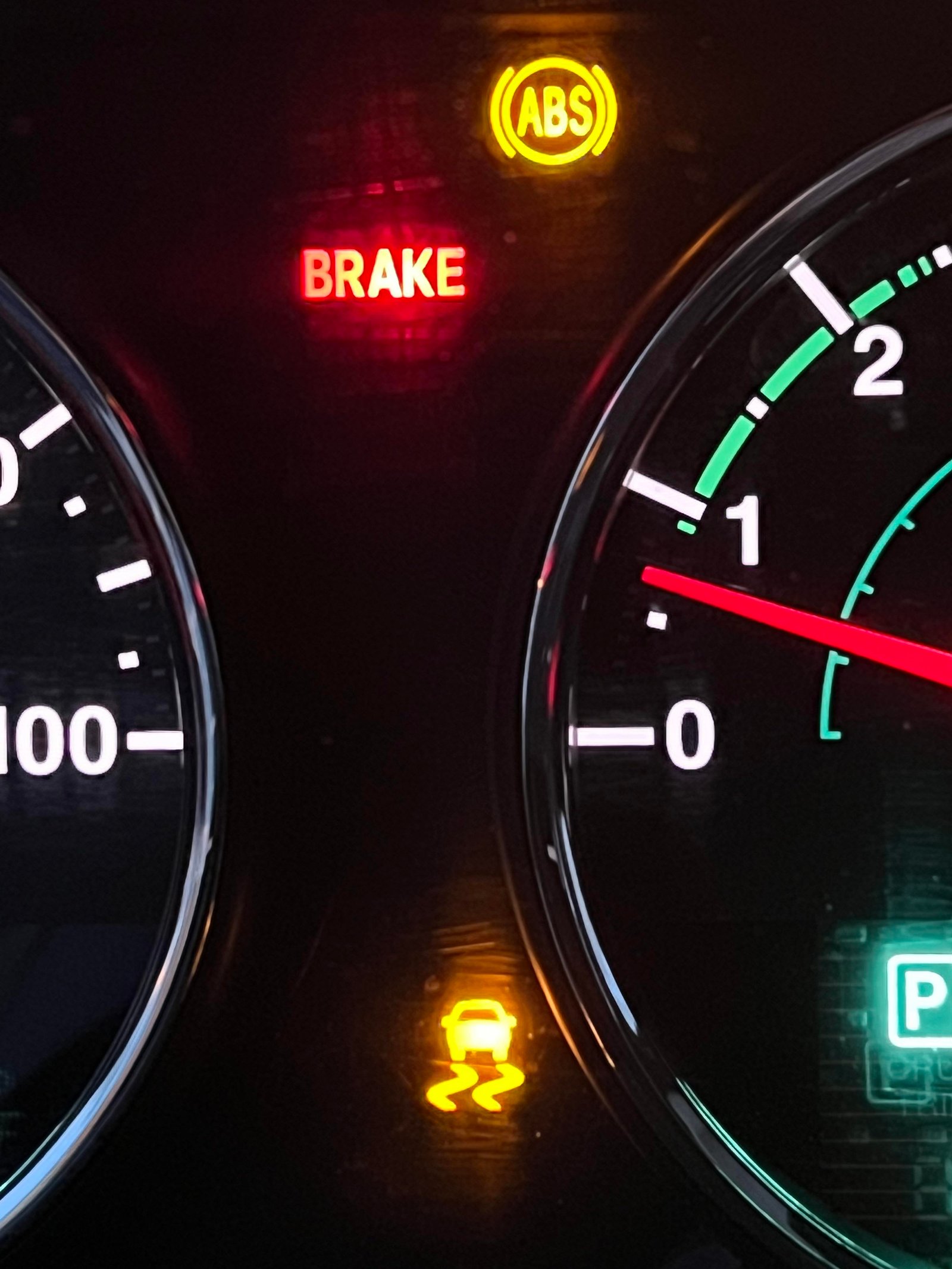
If you’re driving your Jeep and suddenly see the ABS and traction control lights turn on, it can be confusing and a little alarming. You might wonder, “What’s wrong with my Jeep?”
or “Is it safe to keep driving?” These warning lights aren’t just random flashes, they’re your vehicle’s way of telling you that something needs your attention.
Whether you’re cruising through Austin, Texas, or anywhere else, understanding what triggers these lights and how to handle them can save you time, money, and stress.

You’ll learn the common reasons behind those lights, what they mean for your Jeep’s safety, and simple steps you can take to fix or manage the issue.
Keep reading to protect your Jeep and stay safe on the road.
Abs And Traction Control Lights Explained
The ABS and traction control lights on your Jeep play a important role in your vehicle’s safety. These lights alert you about issues with your braking system and traction control features.
Understanding what these lights mean helps you respond quickly and avoid potential accidents.
Both systems work together to keep your Jeep stable and safe on the road. The ABS prevents your wheels from locking during hard braking.
Traction control helps maintain grip on slippery surfaces. When their warning lights come on, it means the system detected a problem.
What The Lights Mean
The ABS light indicates a problem with the anti-lock braking system. It may not work properly in emergencies if the light stays on.
The traction control light signals an issue with the system that helps your Jeep keep traction on slick or uneven roads.
Sometimes both lights come on at once. This usually points to a shared issue, like a faulty wheel speed sensor.
These sensors send data to the vehicle’s computer for both systems to work correctly.
Common Warning Scenarios
- Faulty wheel speed sensor due to dirt, damage, or wear
- Loose or corroded wiring connections
- Worn wheel bearing affecting sensor accuracy
- Battery or alternator problems causing low voltage
- Steering wheel misalignment impacting sensor readings
These issues can cause the ABS and traction control lights to illuminate. Some problems may also trigger the Jeep’s stability control to switch off.
Early diagnosis helps prevent further damage and keeps your vehicle safe.

Main Causes For Light Activation
The ABS and traction control lights on a Jeep signal issues in the vehicle’s safety systems. These lights turn on to warn drivers about problems affecting braking and stability controls.
Understanding the main causes helps in diagnosing and fixing the problem quickly.
Several common issues trigger these warning lights. Each affects the sensors or components that monitor wheel speed and vehicle movement.
Identifying the root cause can prevent further damage and maintain safe driving conditions.
Wheel Speed Sensor Issues
Wheel speed sensors monitor the speed of each wheel. They send data to the ABS and traction control systems.
Dirt, damage, or wiring problems can cause sensors to fail. A faulty sensor sends incorrect signals, triggering the warning lights.
Bad Wheel Bearing Or Hub
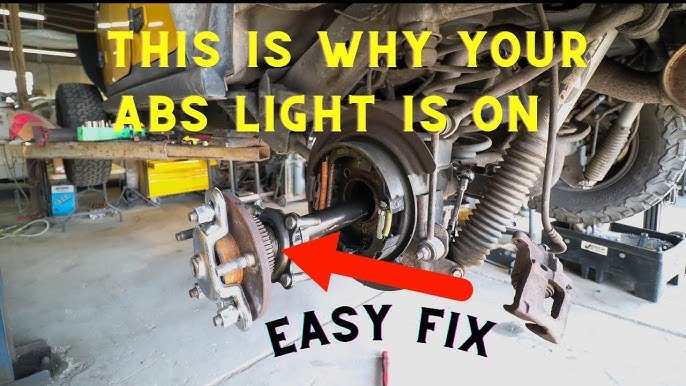
Many Jeep models have wheel speed sensors built into the wheel bearing assembly. A worn or damaged bearing causes sensor errors.
This leads to incorrect wheel speed readings. The ABS and traction control lights will turn on to indicate this issue.
Steering Wheel Misalignment
A crooked steering wheel can confuse the traction control system. The system expects the wheel to be centered when driving straight.
Misalignment causes false signals, activating the warning lights. Adjusting the steering wheel to the correct position often fixes the problem.
Battery And Electrical Problems
Weak batteries or electrical issues affect sensor performance. Low voltage can disrupt communication between sensors and the control module.
This disruption causes the ABS and traction control lights to illuminate. Ensuring a healthy battery and wiring system is essential.
Leaking Rear Axle Seal
A leaking rear axle seal allows grease to drip onto the wheel speed sensor. This contamination impairs sensor function and accuracy.
Grease on the sensor causes erratic signals, triggering the warning lights. Fixing the seal and cleaning the sensor stops the light from coming on.
Diagnosing The Problem
When the ABS and traction control lights turn on in your Jeep, it signals a problem in the system. Diagnosing the issue requires a few careful steps.
Understanding these steps helps identify the exact cause. This saves time and avoids unnecessary repairs.
Start by gathering basic tools. A scan tool is often the best way to find error codes.
Then check parts like wheel bearings, sensors, wiring, and steering alignment. Each part can affect the ABS and traction control system.
Using A Scan Tool
A scan tool reads the Jeep’s onboard computer codes. These codes point to the source of the problem.
Connect the tool to the OBD-II port under the dashboard. It will display fault codes related to ABS or traction control.
Write down the codes for reference. This step narrows down what to inspect next.
Checking Wheel Bearings And Sensors
Wheel bearings and sensors work closely in the ABS system. A bad wheel bearing can cause sensor errors.
Check the wheel for looseness or noise by shaking it. Inspect the sensor near the wheel hub for damage or dirt.
Clean or replace sensors if needed. Faulty sensors often trigger the ABS and traction control lights.
Inspecting Wiring And Connectors
Wiring and connectors carry signals between sensors and the control module. Look for broken, frayed, or corroded wires.
Check connectors for tightness and dirt build-up. Loose or damaged wiring causes communication errors.
Repair or replace wires and connectors to restore proper signal flow.
Testing Steering Alignment
Steering alignment affects traction control performance. A crooked steering wheel can confuse the system.
Test drive the Jeep to see if the steering wheel is off-center. Adjust the drag link to center the wheel when driving straight.
Proper alignment helps the traction control system work correctly.
Quick Fixes For Abs And Traction Light
The ABS and traction control lights on a Jeep indicate a problem in the vehicle’s safety systems. These warning lights can stay on due to minor faults.
Quick fixes often solve the issue without needing a mechanic. Simple steps can reset the system and restore normal function.
Addressing these problems early keeps your Jeep safe on the road.
Resetting The System
Turn off the engine and disconnect the battery for 15 minutes. This resets the ABS and traction control system.
Reconnect the battery and start the Jeep. The warning lights should turn off if the issue was temporary.
This step clears error codes and can fix small glitches.
Cleaning Or Replacing Wheel Speed Sensors
Wheel speed sensors detect the speed of each wheel. Dirt or debris can block sensor signals.
Clean the sensors carefully with a soft cloth and mild cleaner. If cleaning does not help, replace the faulty sensor.
A broken sensor causes the ABS and traction control lights to stay on.
Adjusting The Steering Wheel
A misaligned steering wheel can trigger warning lights. Check if the steering wheel sits straight when driving.
Adjust the drag link to center the steering wheel properly. This simple fix stops false alerts from the traction control system. Proper alignment improves driving safety and comfort.
Repairing Or Replacing Wiring
Damaged wiring can interrupt signals to the ABS and traction control systems. Inspect wires near the wheel speed sensors and ABS module.
Repair any frayed or broken wires with electrical tape or new wiring. Secure loose connections to ensure proper communication.
Good wiring prevents warning lights from turning on mistakenly.
Addressing Leaks And Seal Issues
Leaking axle seals can spray grease on wheel speed sensors. This grease blocks sensor signals and causes light activation.
Check seals for leaks and clean any grease on sensors. Replace faulty seals to stop leaks.
Fixing seal problems protects sensors and keeps the warning lights off.
Driving With The Lights On
Driving with the ABS and traction control lights on your Jeep can feel unsettling. These lights indicate that your vehicle’s safety systems are not working correctly.
It’s important to understand what risks are involved and how to handle the situation. This section explains the key points about driving with these warning lights on.
Safety Considerations
The ABS helps prevent wheel lock during hard braking. Traction control stops wheels from spinning on slippery surfaces.
When these lights are on, these systems may not work properly. This can increase the risk of losing control, especially on wet or icy roads.
Drive cautiously and avoid sudden braking or sharp turns. Your Jeep might handle differently than usual.
When To Seek Immediate Repair
If the ABS and traction control lights stay on after starting the Jeep, get the vehicle checked soon. Do not ignore the warning if you notice strange noises, vibrations, or poor braking.
Also, if the brake pedal feels soft or spongy, stop driving and call for help. Immediate repair helps prevent accidents and costly damage.
Temporary Driving Tips
Reduce your speed and keep a safe distance from other vehicles. Avoid steep hills and rough terrain until the issue is fixed.
Use gentle brakes and steer smoothly to keep control. Turn off and restart your Jeep to see if the lights reset.
If the lights remain on, drive slowly to a service center. Do not rely on ABS or traction control until repaired.
Preventive Maintenance Tips
Preventive maintenance plays a key role in keeping your Jeep’s ABS and traction control systems working properly. Regular checks help avoid warning lights and costly repairs.
Simple steps can protect sensor function and vehicle safety.
Routine care ensures your Jeep responds well on all road conditions. Focus on parts that affect the electronic stability program. This keeps your driving smooth and safe.
Regular Wheel Bearing Checks
Wheel bearings house the wheel speed sensors on many Jeeps. Worn bearings cause sensor errors and trigger warning lights.
Check bearings for noise or looseness often. Replace bearings that show wear or damage quickly.
Battery Health Monitoring
A weak battery can cause ABS and traction control lights to come on. Test battery voltage regularly to ensure strong power supply.
Clean battery terminals to prevent poor connections. Replace old batteries before they fail.
Steering System Inspections
A crooked steering wheel may affect sensor readings and trigger alerts. Inspect the steering system for alignment issues often.
Adjust the drag link to keep the wheel centered. Confirm proper steering response after adjustments.
Keeping Sensors Clean
Wheel speed sensors must stay clean to work correctly. Dirt, grease, or debris can block sensor signals.
Clean sensors gently with a soft cloth during routine maintenance. Avoid harsh chemicals that may damage sensor parts.
When To Visit A Mechanic
The ABS and traction control lights on your Jeep signal important issues. These systems keep your vehicle safe during braking and slippery conditions.
Knowing when to visit a mechanic can prevent further damage or unsafe driving. Some problems require expert tools and skills beyond simple fixes.
Prompt professional help ensures your Jeep stays reliable and secure on the road.
Complex Sensor Replacements
Wheel speed sensors and other ABS components often need careful handling. These sensors can fail or give false readings.
A mechanic can test sensor signals with special equipment. Sensor replacement involves precise work to avoid errors.
Incorrect installation may cause lights to stay on or return quickly. Trust professionals to handle these delicate parts accurately.
Electrical System Repairs
ABS and traction control systems rely on your Jeep’s electrical network. Wiring issues, blown fuses, or bad connections can trigger warning lights.
Diagnosing electrical problems requires knowledge and diagnostic tools. Mechanics inspect wires and connectors for damage or corrosion.
They can repair or replace faulty parts to restore proper function. DIY attempts may miss hidden electrical faults causing the lights.
Wheel Bearing Or Hub Replacements
Many Jeep models integrate the wheel speed sensor into the wheel bearing or hub. A worn bearing or hub can cause inaccurate sensor data.
This leads to ABS and traction control warnings on the dashboard. Replacing these parts is complex and needs lifting and removing wheels.
Mechanics check for noise, looseness, and sensor condition before replacement. Timely service avoids bigger damage and keeps driving safe.
Is It Okay To Drive A Jeep With Abs And Traction Control Light On?
Driving a Jeep with ABS and traction control lights on is unsafe. These lights signal system malfunctions affecting braking and stability.
Get your vehicle inspected and repaired promptly to ensure safety and proper function. Avoid driving long distances until the issue is fixed.
What Does It Mean If Your Abs And Traction Control Light Come On?
The ABS and traction control lights mean the system detects a fault, often from a bad wheel speed sensor or weak battery. This can affect braking and stability control, so get your vehicle checked promptly.
What Does It Mean When Your Abs And Traction Control Light Comes On A Jeep Wrangler?
The ABS and traction control lights on a Jeep Wrangler indicate a fault in the stability system. Common causes include a failing wheel speed sensor, bad wheel bearing, misaligned steering, or weak battery.
These lights warn of reduced braking and traction control effectiveness.
Can I Drive With My Abs And Traction Control Light On?
Driving with ABS and traction control lights on is possible but unsafe. These warnings mean system faults. Get your vehicle checked promptly.
Conclusion
Seeing the ABS and traction control lights on your Jeep signals a problem. These lights often point to wheel speed sensors or wheel bearings.
Driving with these warnings can reduce safety and control. Simple fixes like checking sensors or steering alignment help.
Use a scan tool to find exact issues quickly. Don't ignore these lights; timely repairs protect you and your Jeep.
Stay alert and address problems early to keep your vehicle running smoothly.