Most people recognize the Jeep Wrangler by its boxy shape, rugged appeal, and go-anywhere attitude. But while it dominates rocky trails, there's one area where it falls behind: aerodynamics.
Compared to most modern vehicles, a Jeep Wrangler is far less aerodynamic. But what does that actually mean, and why does it matter?
Let’s break it down.
Understanding Aerodynamics In Vehicles
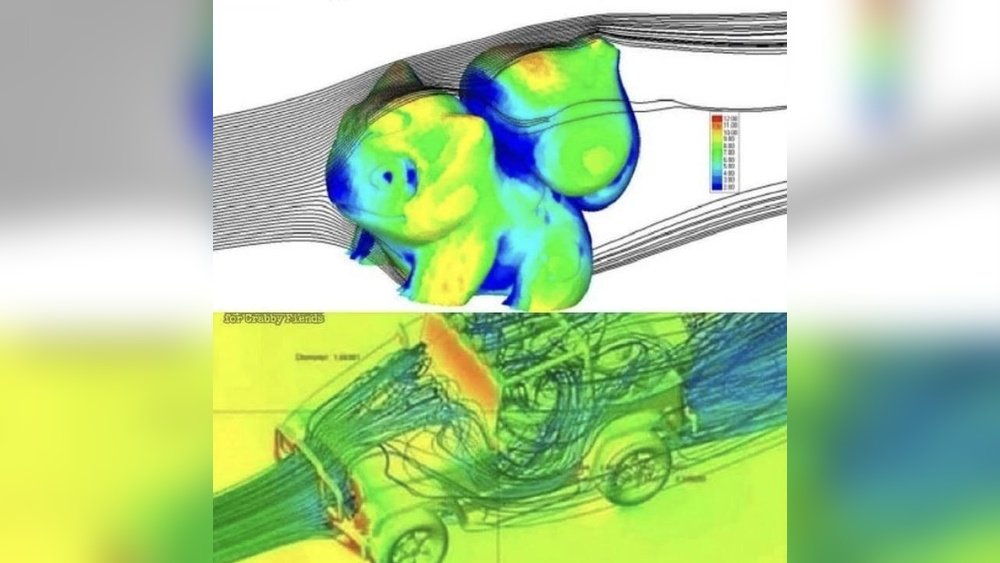
Aerodynamics is how air moves around a vehicle. When a car is more aerodynamic, it slices through the air easily, facing less air resistance. This helps with fuel efficiency, stability, and even how quiet the ride feels. Most cars today are designed with smooth lines, sloped windshields, and hidden door handles to reduce drag.
The drag coefficient (often called Cd) is a number that shows how aerodynamic a vehicle is. The lower the number, the better the car is at cutting through air. For example, a typical sedan has a drag coefficient around 0.25–0.30. The Jeep Wrangler? It’s much higher.
How The Jeep Wrangler Compares
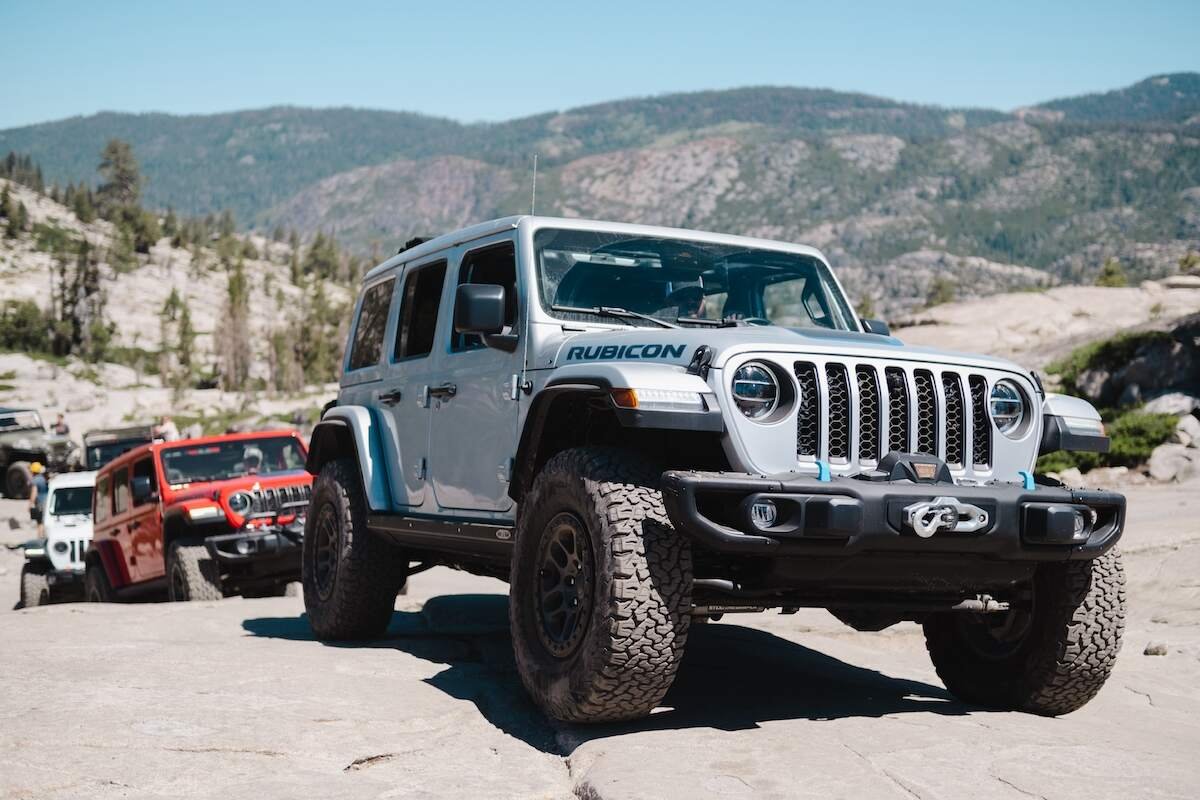
The Jeep Wrangler’s design is not about speed or efficiency. Its tall, square body, upright windshield, and exposed hinges all work against aerodynamics. The drag coefficient for a Wrangler ranges from 0.45 to 0.60, depending on the model and accessories.
Here’s a direct comparison to help you see the difference:
| Vehicle | Drag Coefficient (Cd) |
|---|---|
| Jeep Wrangler | 0.45–0.60 |
| Toyota Camry | 0.28 |
| Tesla Model 3 | 0.23 |
| Honda CR-V | 0.33 |
As you can see, the Wrangler is less aerodynamic than most sedans and even other SUVs.
Why Is The Jeep Wrangler Less Aerodynamic?
Several features make the Wrangler less aerodynamic:
- Boxy Shape: The nearly vertical windshield and flat front create a wall that pushes against the air.
- High Ground Clearance: This is great for off-roading but allows more air under the car, causing turbulence.
- Open Elements: Features like door hinges, spare tires, and roof racks stick out and increase drag.
- Removable Tops and Doors: These make the vehicle less sealed, which adds wind resistance.
Not Just The Wrangler
Compared to other off-road vehicles, the Wrangler is still less aerodynamic. For example, the Toyota 4Runner (Cd around 0. 36) is more streamlined. Even trucks like the Ford F-150 (Cd around 0. 36 0. 44) perform better in this area.
Real-world Effects Of Poor Aerodynamics
So What Does A Higher Drag Coefficient Mean For Drivers?
- Lower Fuel Efficiency: The Wrangler averages about 20 miles per gallon on the highway, while a sedan can reach 30–40 mpg. More drag means the engine has to work harder.
- Louder Ride: The flat windshield and open design lead to more wind noise at high speeds.
- Less Stability at Speed: The boxy shape can catch crosswinds, making highway driving feel less secure.
Here’s how the Wrangler compares with others in terms of real-world fuel economy:
| Vehicle | Highway MPG |
|---|---|
| Jeep Wrangler (Gas) | 20 |
| Toyota Camry | 39 |
| Honda CR-V | 34 |
| Tesla Model 3 | 130 MPGe |

Why The Wrangler Stays Boxy
If aerodynamics is so important, why doesn’t Jeep redesign the Wrangler? The answer is simple: the Wrangler’s look and function are more important to its fans than speed or efficiency. The boxy shape means:
- Better Visibility: The upright windshield gives a wide field of vision on trails.
- Off-Road Capability: High ground clearance, short overhangs, and flat panels help the Wrangler climb rocks and handle tough terrain.
- Iconic Style: Many buyers want the classic Jeep look, not a rounded, car-like SUV.
Ways To Make A Wrangler More Aerodynamic
While you can’t turn a Wrangler into a sports car, there are ways to reduce drag a little:
- Remove Roof Racks: Only use them when needed.
- Install an Air Dam: Some owners add small lips under the bumper to guide airflow.
- Choose Factory Hardtop: This version seals better than the soft top.
- Limit Add-Ons: Avoid big bumpers, wide mirrors, or large tires unless you need them.
However, these changes will only help a little. The basic shape still creates a lot of drag.
Surprising Comparisons
It might be interesting to know that the Wrangler is even less aerodynamic than some pickup trucks and minivans. Here’s a quick look:
| Vehicle | Drag Coefficient (Cd) |
|---|---|
| Jeep Wrangler | 0.45–0.60 |
| Ford F-150 | 0.36–0.44 |
| Chrysler Pacifica (Minivan) | 0.30 |
So, the Wrangler is less aerodynamic than not just sedans and crossovers, but also some large family vehicles.
What Beginners Often Miss
Many new Jeep owners don’t realize how much aerodynamics impacts real-world driving costs. If you drive mostly on highways, you’ll see higher fuel bills and more wind noise than you might expect. Also, changing tires or adding off-road gear can make the problem worse, not better.
Another overlooked fact: windshields on Wranglers are more likely to chip or crack. The vertical angle means rocks hit the glass more directly than on sloped cars. This is a small but real downside of the Wrangler’s unique design.
When Aerodynamics Doesn’t Matter
Of course, if you mostly drive off-road or at low speeds, aerodynamics is less important. On trails, the Wrangler’s shape is a benefit. But if you use your Jeep as a daily commuter or for road trips, the trade-offs are noticeable.
Frequently Asked Questions
Why Is The Jeep Wrangler So Boxy?
The boxy design helps the Wrangler off-road. The flat panels, short overhangs, and upright glass give better visibility and make it easier to add off-road gear.
Does The Wrangler’s Poor Aerodynamics Affect Safety?
Not directly. Aerodynamics mainly impacts fuel economy and ride comfort. The Wrangler is safe for its class, but crosswinds can be more noticeable at highway speeds.
Can I Make My Wrangler More Fuel-efficient?
You can improve fuel efficiency a little by removing roof racks, choosing smaller tires, and keeping the vehicle light. But big improvements are limited by the basic shape.
How Does The Wrangler Compare To Other Jeeps?
Other Jeep models like the Grand Cherokee or Compass are more aerodynamic, have lower drag coefficients, and get better fuel economy.
Where Can I Learn More About Vehicle Aerodynamics?
You can read more on the Wikipedia page on automobile aerodynamics for in-depth details and history.
The Jeep Wrangler stands out for its rugged design, not its fuel-sipping ways. If you love adventure and style, you’ll accept the trade-offs.
But if you want quiet, efficient highway driving, there are better choices. The Wrangler is less aerodynamic than most vehicles, but for many, that’s just part of the charm.